












Product Details
Product Overview
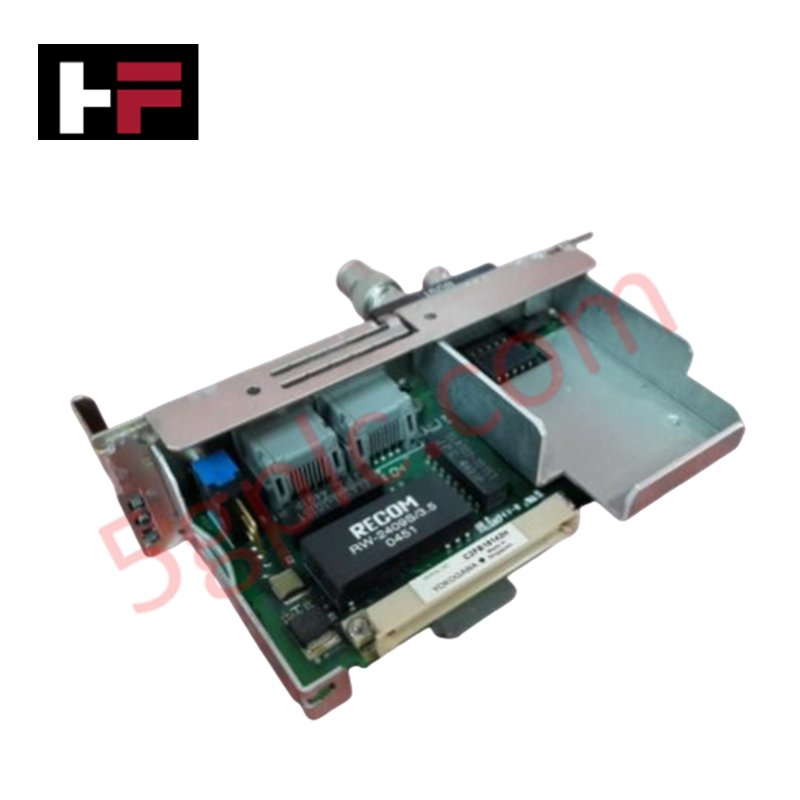
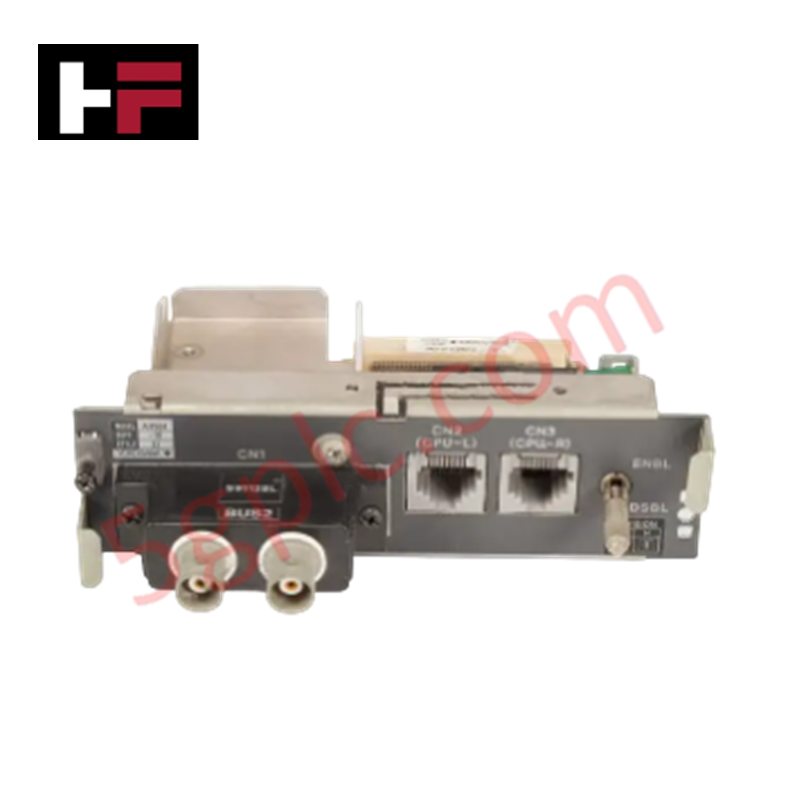
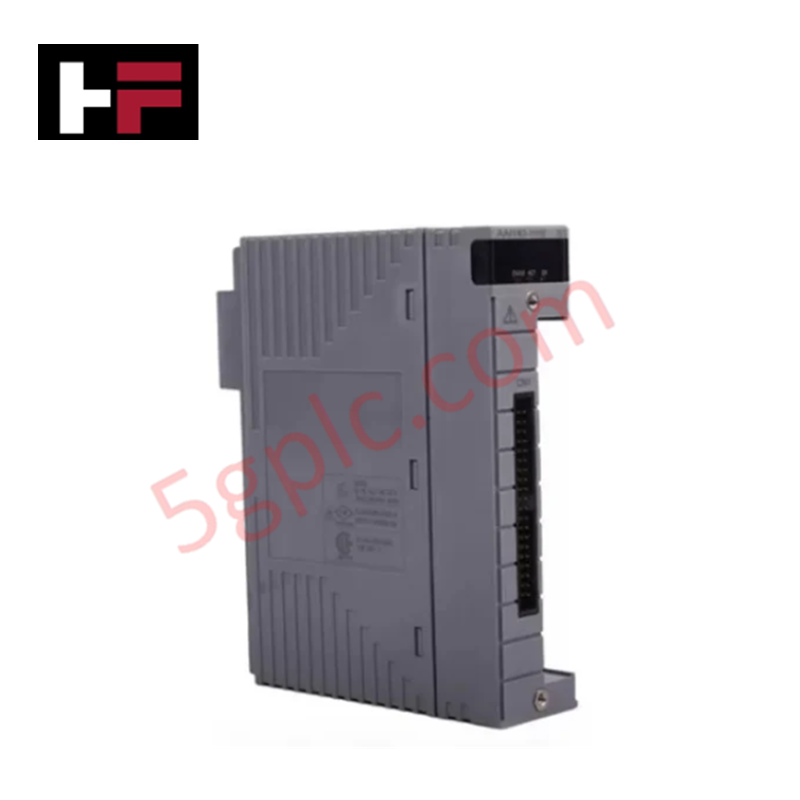
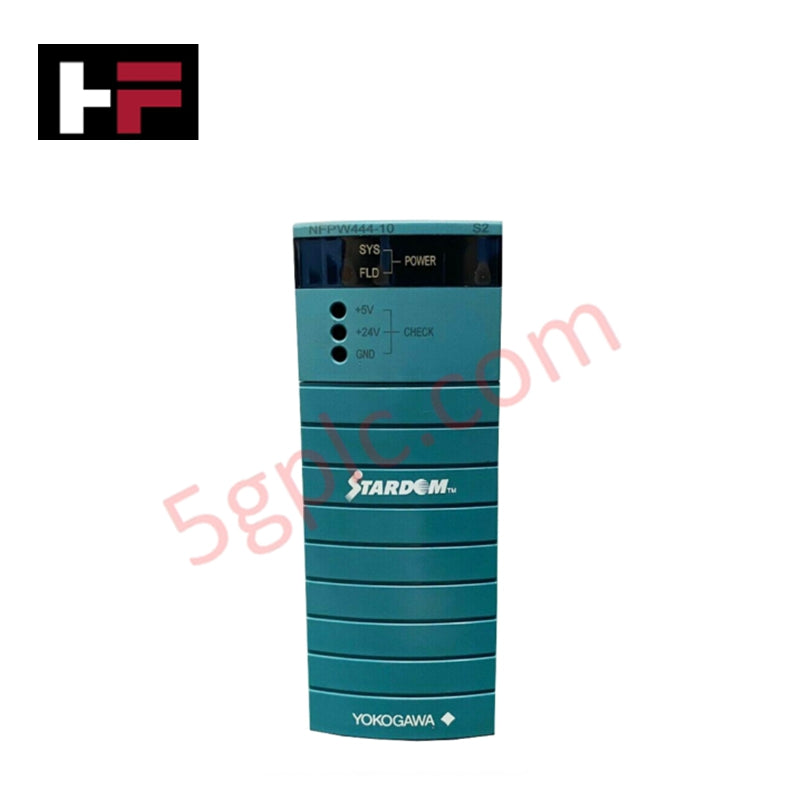
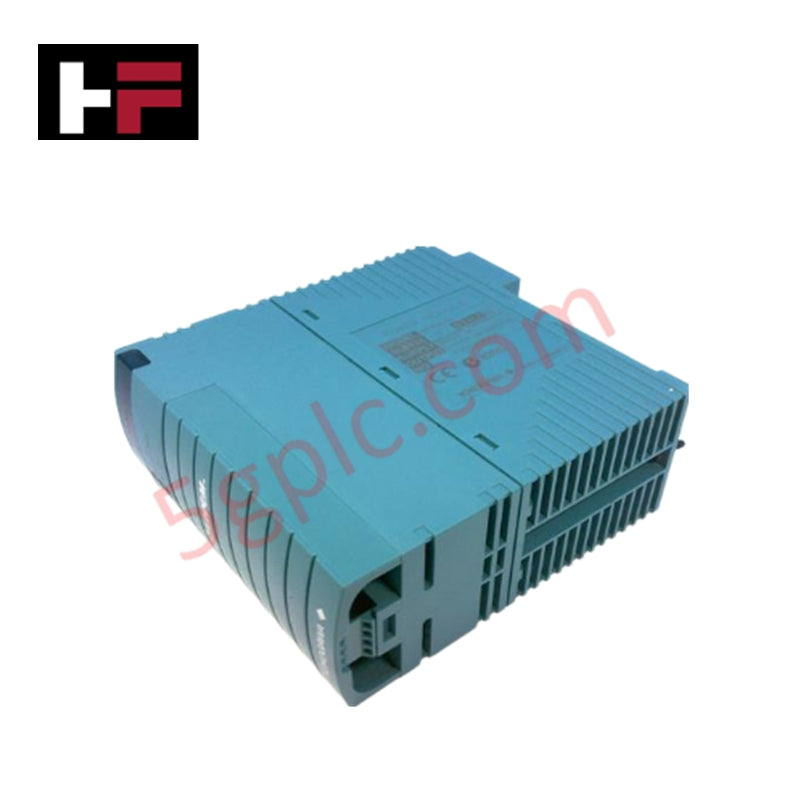
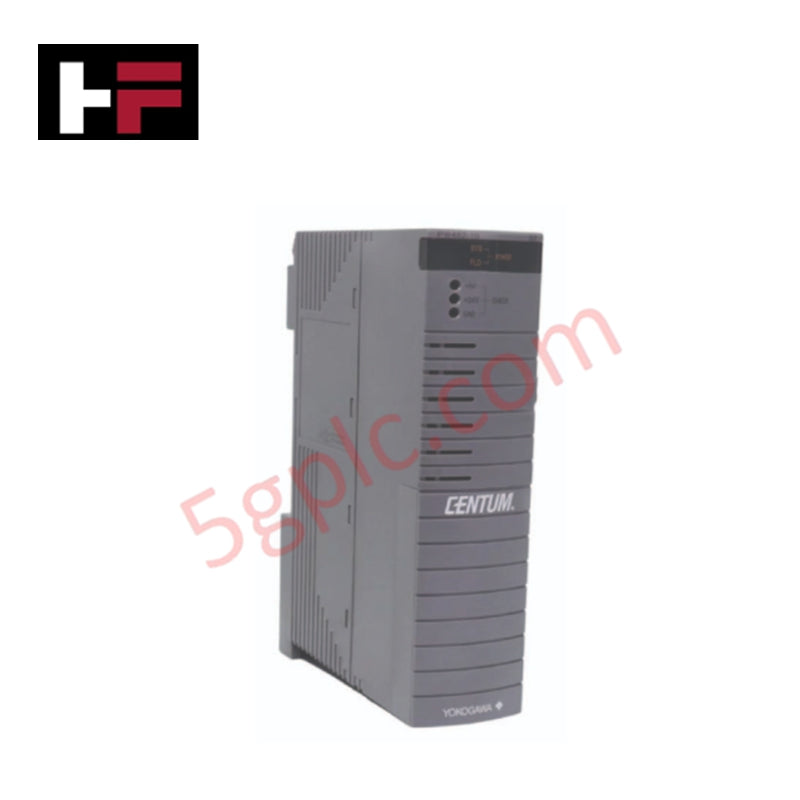
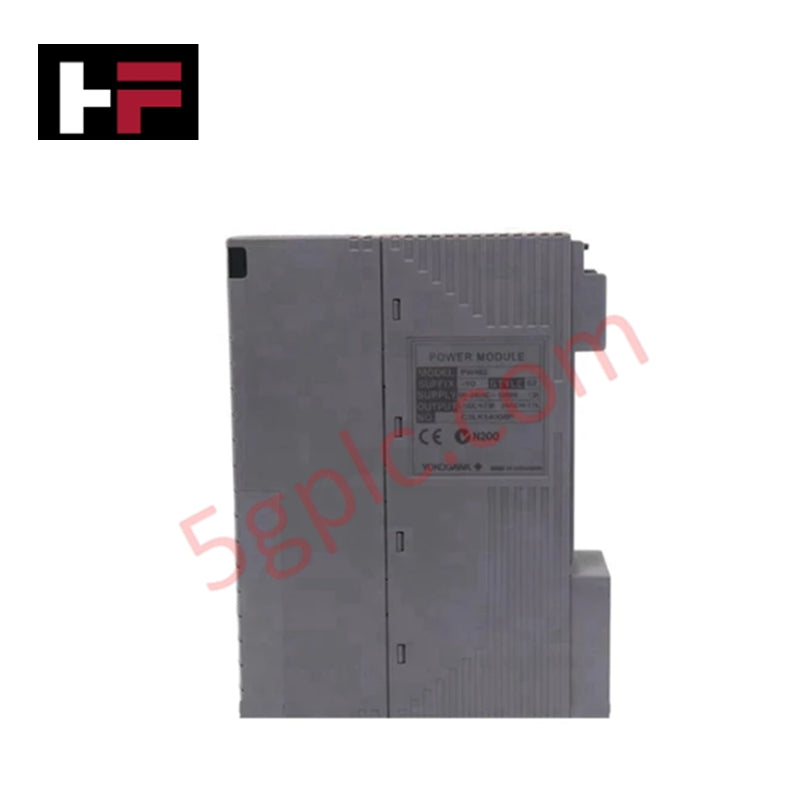
The Yokogawa AIP504-10 is a high-performance V-Net coupler module engineered to serve as the critical communication interface for CENTUM VP and CS 3000 Distributed Control Systems (DCS). In complex industrial networks where electrical noise, ground potential differences, and data latency can compromise process safety, this module solves the challenge of reliable connectivity by providing robust signal isolation and precise level conversion between the station's processor and the V-Net backbone. Supporting high-speed data transfer rates up to 100 Mbps and advanced VLAN segmentation, the AIP504-10 ensures deterministic real-time control data flows securely across segmented network architectures. Its rugged design and wide voltage input tolerance make it indispensable for maintaining system integrity in demanding environments such as petrochemical refineries, power plants, and large-scale manufacturing facilities.
Technical Specifications
|
Parameter |
Specification |
|---|---|
|
Model Number |
AIP504-10 |
|
Style Code |
S1 |
|
Manufacturer |
Yokogawa Electric Corporation |
|
Product Type |
V-Net Coupler Module (Network Interface) |
|
System Compatibility |
CENTUM VP, CENTUM CS 3000 |
|
Primary Function |
Signal Isolation, Level Conversion, Protocol Handling |
|
Communication Speed |
Up to 100 Mbps (Fast Ethernet based V-Net/IP) |
|
Network Features |
VLAN Support (IEEE 802.1Q) for network segmentation |
|
Power Supply Input |
100-120 VAC, 50/60 Hz |
|
Operating Voltage Range |
90-132 VAC (Typical industrial tolerance) |
|
Signal Isolation |
High-dielectric strength isolation between CPU and Network |
|
Physical Dimensions |
Standard DCS Module Slot (Approx. 30mm W x 130mm H) |
|
Unit Weight |
0.7 kg (1.54 lbs) |
|
Operating Temperature |
0°C to 50°C (32°F to 122°F) |
|
Storage Temperature |
-20°C to 70°C |
|
Humidity |
10% to 90% RH (Non-condensing) |
|
Mounting |
Backplane Slot Mount (CENTUM VP Node) |
|
Certifications |
CE, UL, CSA (Compliant with host station standards) |
Model Code Decomposition
Yokogawa's network interface modules utilize a specific naming convention where the base number defines the protocol and speed, while suffixes indicate hardware revisions and power configurations. The "Style" code is mandatory for ensuring firmware and electrical compatibility.
Part Number: AIP504-10-S1
-
AIP: Series prefix for CENTUM VP/CS 3000 peripheral and interface hardware.
-
5: Functional category denoting "Network Interface" or "Communication Processor" modules.
-
04: Unique designator for the High-Speed V-Net Coupler family.
-
The "0" indicates real-time control network interfaces.
-
The "4" sequence specifically identifies the 100 Mbps capability and Ethernet-based physical layer (V-Net/IP).
-
-10: This numeric suffix typically denotes the specific power supply configuration and connector type.
-
In this context, "10" specifies the unit is equipped for 100-120 VAC input operation, distinguishing it from variants designed for 24 VDC or 220-240 VAC inputs.
-
-S1 (Style 1): Critical suffix indicating the hardware revision level.
-
S1: Represents the primary production revision featuring specific FPGA logic, PHY chipsets, and VLAN tagging firmware compatible with CENTUM VP R3.03+ and later.
-
Compatibility Logic: Substituting an S1 module with a different style (e.g., S2) or a variant with a different voltage suffix (e.g., -20 for 24VDC) without verifying backplane power distribution will result in boot failure or hardware damage. The "S1" ensures exact pin-out alignment and timing parameters required for the V-Net token-passing protocol.
Installation Recommendations and Wiring Guidelines
Proper installation of the AIP504-10 is essential to leverage its isolation features and ensure stable 100 Mbps communication.
-
Power Verification: Before insertion, verify that the node's power distribution matches the module's requirement (100-120 VAC). Installing a 100-120 VAC module into a 24 VDC slot (or vice versa) will cause immediate catastrophic failure. Use a multimeter to confirm voltage at the backplane if uncertain.
-
Network Cabling: Use Category 5e or Category 6 shielded twisted pair (STP) cables for the V-Net connection. Ensure cables are rated for industrial environments (PLTC/ITC) if running in trays.
-
VLAN Configuration: If utilizing VLANs for network segmentation, configure the switch ports and the AIP504-10 parameters via the Vx-Toolset engineering software before final commissioning. Mismatched VLAN IDs will prevent the station from joining the control network.
-
Grounding: Although the module provides internal signal isolation, the chassis must be properly grounded to the instrument ground bus to dissipate static charges and protect against external surges.
-
Backplane Insertion: Align the module with the designated communication slot. Slide firmly until the rear connector engages fully. Secure the front locking lever immediately to prevent vibration-induced disconnection, which can cause network flapping.
-
Diagnostic Check: Upon power-up, observe the LED indicators. A solid green link light indicates physical connectivity, while blinking activity LEDs confirm data transmission. Use the CENTUM VP system view to verify the node status and check for any "Communication Error" alarms.
Frequently Asked Questions (FAQ)
Q: What is the difference between the AIP504-10 and older V-Net couplers?
A: The AIP504-10 supports higher communication speeds (up to 100 Mbps) compared to legacy 10 Mbps modules. It also includes modern features like VLAN support for better network traffic management and enhanced electrical isolation for improved noise immunity in harsh environments.
Q: Can I use this module with a 24 VDC power supply?
A: No. The AIP504-10 model specified here is designed strictly for 100-120 VAC input. Using it with a 24 VDC source will prevent the module from powering on. For 24 VDC applications, a different part number suffix (e.g., AIP504-20 series) is required.
Q: Is the AIP504-10 hot-swappable?
A: Yes, the module supports hot-swapping in redundant configurations. However, replacing the primary communication coupler in a non-redundant station will interrupt network communication for that node. It is recommended to perform replacements during a planned maintenance window or ensure the station is part of a redundant pair where the secondary can take over seamlessly.
Q: Does this module support fiber optic connections?
A: The standard AIP504-10 typically features RJ45 copper ports. For fiber optic connections, you would generally require a media converter or a specific fiber-optic variant of the V-Net coupler. Consult the specific hardware manual for port types included in the S1 style.
Q: Do you supply this module as new or refurbished?
A: We supply 100% brand-new, original factory-sealed Yokogawa AIP504-10 modules. We do not sell refurbished units for critical network infrastructure to ensure maximum reliability and warranty coverage.
Q: What is the lead time for shipping?
A: We maintain stock of the AIP504-10 for immediate dispatch. Orders are typically processed and shipped via DHL/FedEx within 24 to 72 hours, with global delivery usually achieved within 3-5 business days.
Additional Information
- 100% Genuine Parts: All products are original and authentic, ensuring reliable industrial performance.
- 30-Day Refund Guarantee: Return any in-stock item within 30 days in original, unopened packaging for a full refund (excluding shipping and fees).
- 12-Month Warranty: Covers defects in materials or workmanship; excludes misuse, normal wear, or unauthorized modifications.
- Worldwide Shipping: We ship via USPS, UPS, FedEx, and DHL. Delivery times vary by country and may be subject to customs or import fees.
- Support & Contact: Technical and warranty assistance is available anytime. Contact us here: Contact.
- Purchase Guidance: Check product specifications and compatibility carefully before ordering to ensure proper application.
Tech & Buying Guide
Mastering Modern Industrial Joystick Controls in Heavy Automation
Industrial joysticks play a pivotal role in human-machine interaction across heavy material handling and mobile hydraulics. These tactile controllers translate complex operator movements into precise electrical signals for PLCs, motion controllers, and DCS networks. Consequently, selecting and installing the right joystick architecture ensures operator safety, reduces fatigue, and optimizes equipment performance.

Navigating Industrial Automation Failures: Types, Causes, and Mitigation Strategies
Modern manufacturing relies heavily on automated control systems to maximize throughput and maintain product quality. However, unplanned downtime in industrial automation can cost facility operators thousands of dollars per hour. Understanding how programmable logic controllers (PLCs), distributed control systems (DCS), and field instrumentation fail empowers engineering teams to implement robust preventive maintenance strategies.

Essential Motion Control Commands: A Practical Guide for Engineers
Automation engineers often rely on precise position and speed control to drive modern factory machinery. Modern industrial systems, such as Programmable Logic Controllers (PLCs) and Distributed Control Systems (DCS), depend heavily on standardized motion instructions. Mastering these commands ensures operational safety, protects mechanical components, and optimizes cycle times across production lines.