










Product Details
Product Overview
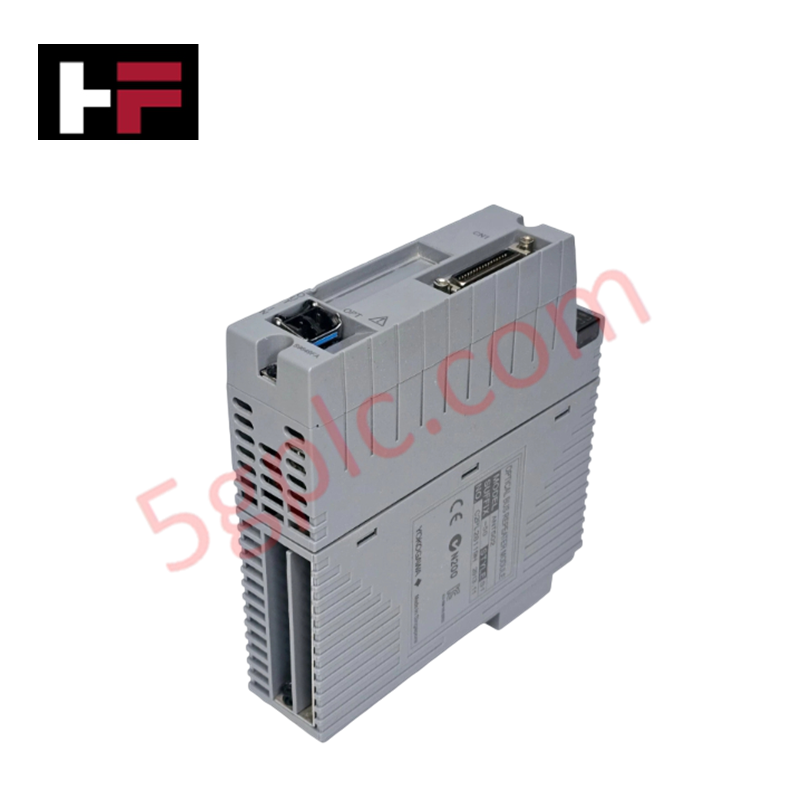
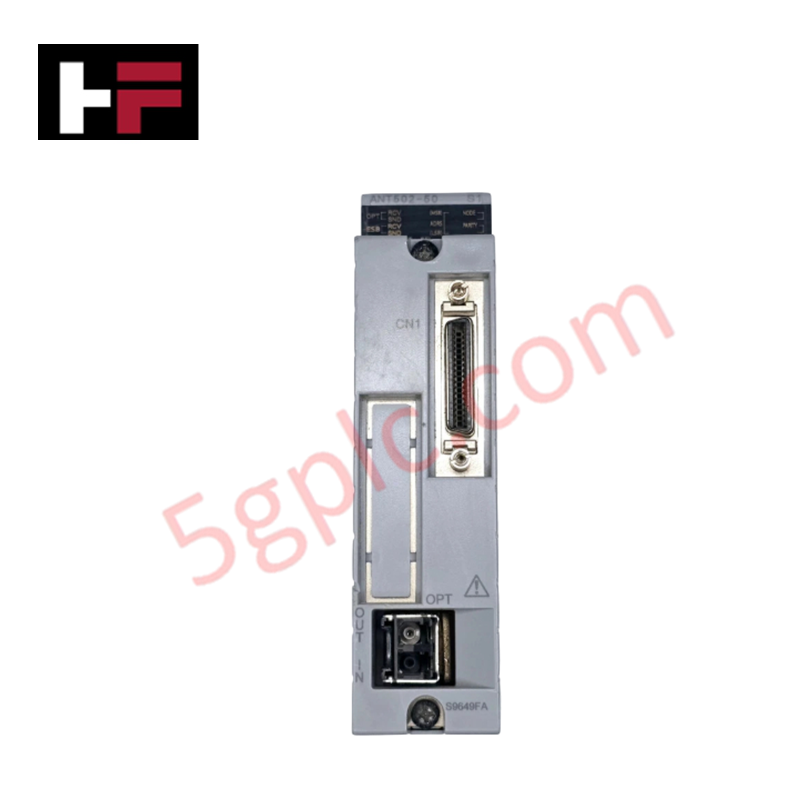
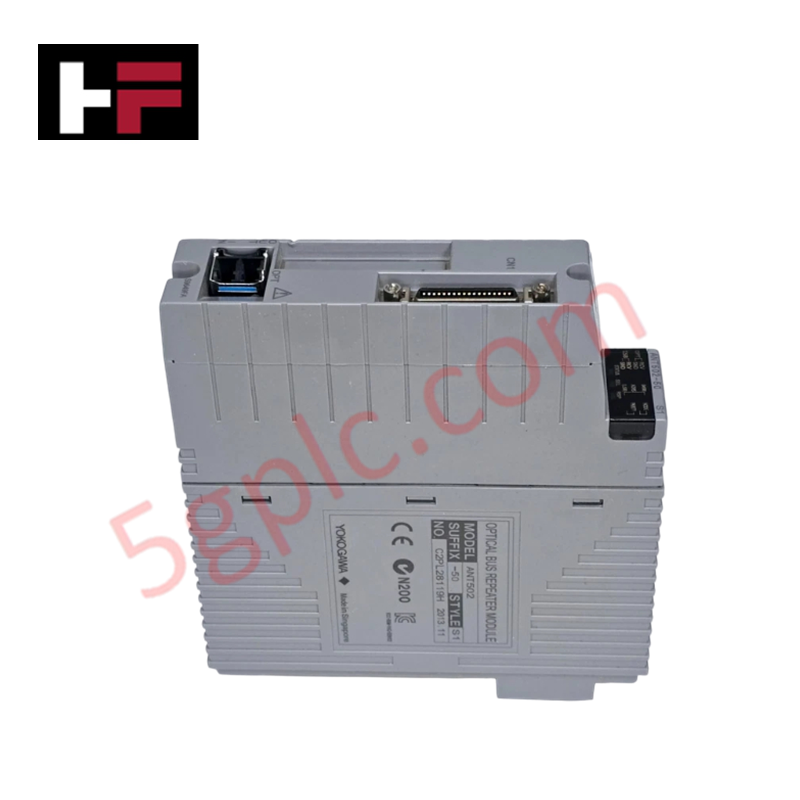
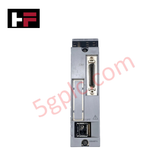
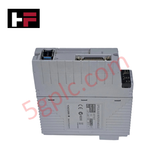
The Yokogawa ANT502-50 serves as the Optical ESB Bus Repeater Slave Module for the CENTUM VP Distributed Control System (DCS). This module resides in the remote I/O node, where it receives optical signals from the Master module (ANT401) and converts them back into electrical signals for the local backplane. This hardware facilitates the long-distance extension of the high-speed ESB bus, allowing for decentralized control architectures across large industrial sites. We supply this unit as 100% Brand New and Original, manufactured in Japan, ensuring peak performance and system-wide synchronization.
Part Number Breakdown
The ANT502-50 nomenclature follows Yokogawa's precise engineering designations for optical bus hardware:
| Suffix Code | Functional Definition |
| ANT502 | Optical ESB Bus Repeater Slave Module |
| -5 | Standard Fiber Optic Connection Type |
| 0 | Basic Functional Type |
Technical Specifications
The ANT502-50 utilizes high-precision optical transceivers to maintain the high bandwidth required for real-time DCS communication.
-
Communication Protocol: Enhanced Service Bus (ESB).
-
Dimensions: 3.2 cm (W) x 11.4 cm (D) x 6.3 cm (H).
-
Module Weight: 0.2 kg.
-
Transmission Media: Fiber Optic Cable.
-
Transmission Distance: Supports long-range I/O node placement (up to 5km/50km depending on configuration).
-
System Interface: Plugs into the remote I/O unit (ERBUS) slot.
-
Country of Origin: Japan.
-
Condition: Guaranteed 100% Brand New Original.
Engineering Advantages
The ANT502-50 eliminates common infrastructure limitations in process automation:
-
Inter-Building Electrical Isolation: By utilizing fiber optic transmission, the ANT502-50 provides total galvanic isolation between the central control room and remote nodes. This protects the DCS from ground potential differences and lightning-induced surges across the facility.
-
Zero-Interference Communication: The optical link remains immune to electromagnetic interference (EMI) and radio frequency interference (RFI). This ensures stable data flow even when the bus cables run alongside high-voltage motor starters or variable frequency drives (VFDs).
-
Maintained Loop Determinism: This module ensures that remote I/O modules operate with the same millisecond-level precision as local rack hardware. It maintains the deterministic nature of the ESB bus, ensuring critical control loops respond without latency.
-
Compact Footprint: At only 3.2 cm wide and weighing a mere 0.2 kg, the module minimizes the physical load on the remote rack. This compact design allows engineers to maximize the number of available slots for functional I/O modules within a single cabinet.
FAQs
-
What is the required pairing for the ANT502-50?
The ANT502-50 (Slave) must connect to an ANT401 (Master) module via fiber optic cabling. It cannot operate as a standalone unit or interface directly with the CPU without a Master repeater.
-
Does this module support redundant bus configurations?
Yes. You can install two ANT502-50 modules in a redundant remote I/O node. This ensures that the remote segment remains active if one fiber optic link or module fails.
-
What type of fiber connectors does this module use?
The ANT502 series typically utilizes standard optical connectors suitable for quartz glass fiber. Always ensure the fiber end-faces are clean and verified for signal loss before commissioning.
-
Is this a genuine Yokogawa part?
Absolutely. We supply only 100% Brand New and Original Yokogawa hardware. Every ANT502-50 ships in its original factory packaging with full serial number traceability and Japanese manufacturing documentation.
Additional Information
- 100% Genuine Parts: All products are original and authentic, ensuring reliable industrial performance.
- 30-Day Refund Guarantee: Return any in-stock item within 30 days in original, unopened packaging for a full refund (excluding shipping and fees).
- 12-Month Warranty: Covers defects in materials or workmanship; excludes misuse, normal wear, or unauthorized modifications.
- Worldwide Shipping: We ship via USPS, UPS, FedEx, and DHL. Delivery times vary by country and may be subject to customs or import fees.
- Support & Contact: Technical and warranty assistance is available anytime. Contact us here: Contact.
- Purchase Guidance: Check product specifications and compatibility carefully before ordering to ensure proper application.


Tech & Buying Guide

Demystifying Open Platform Communication (OPC): The Backbone of Industrial Interoperability
Interoperability remains a cornerstone requirement for modern smart factories and process automation. Open Platform Communication (OPC) bridges the gap between disparate hardware platforms, control systems, and visualization software. By establishing a universal communication standard, OPC allows field controllers, SCADA platforms, and enterprise software from different vendors to exchange real-time data seamlessly.

Understanding Siemens PLC Memory Cards: MMC, SMC, and SD Solutions in Industrial Automation
Memory management plays a pivotal role in maintaining control system reliability across modern manufacturing plants. Industrial control systems rely on specialized memory cards to store project logic, firmware updates, and retentive system data. Siemens uses several memory architectures, including Micro Memory Cards (MMC) and SIMATIC Memory Cards (SMC). Engineers must understand these hardware variations to ensure zero data loss and minimize downtime during maintenance routines.

Redefining Control Systems: The Rise of Flexible I/O Modules in Industrial Automation
Conventional input-output architectures often limit engineering agility and inflate long-term inventory costs. Today, Flexible Input/Output Modules (FIOM) are transforming how control system engineers design, commission, and maintain automation infrastructure. By allowing individual channel software configuration, FIOM technology bridges the gap between rigid hardware design and dynamic plant requirements.