










Product Details
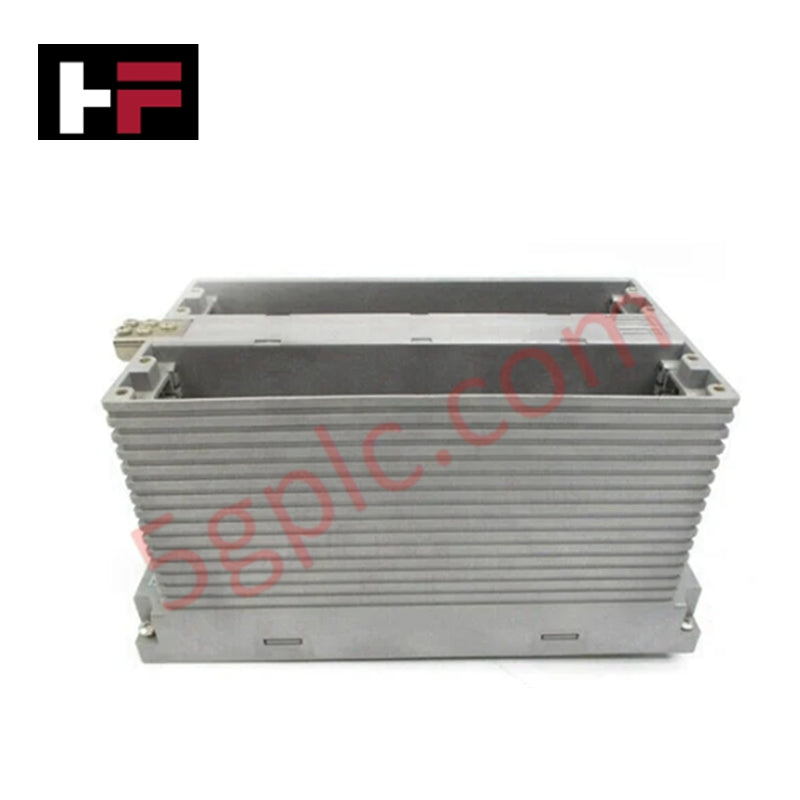
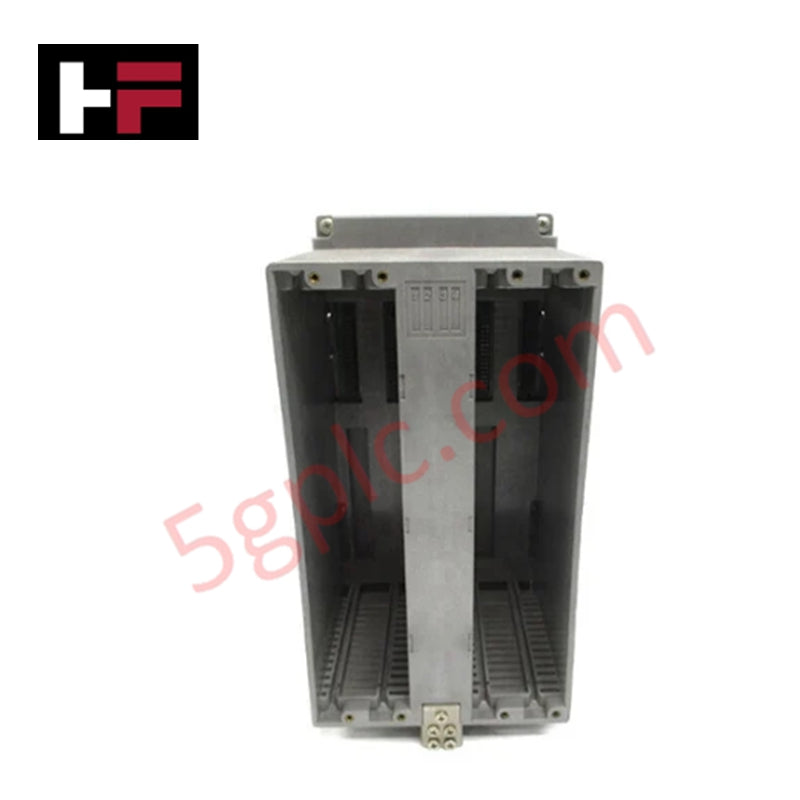
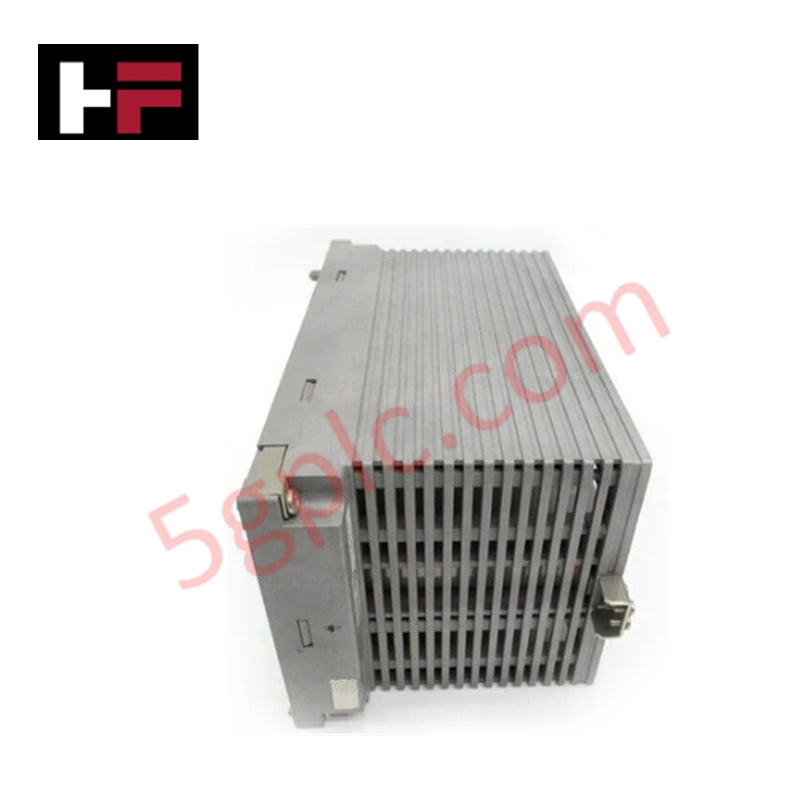
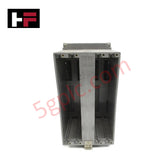
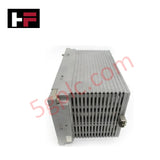
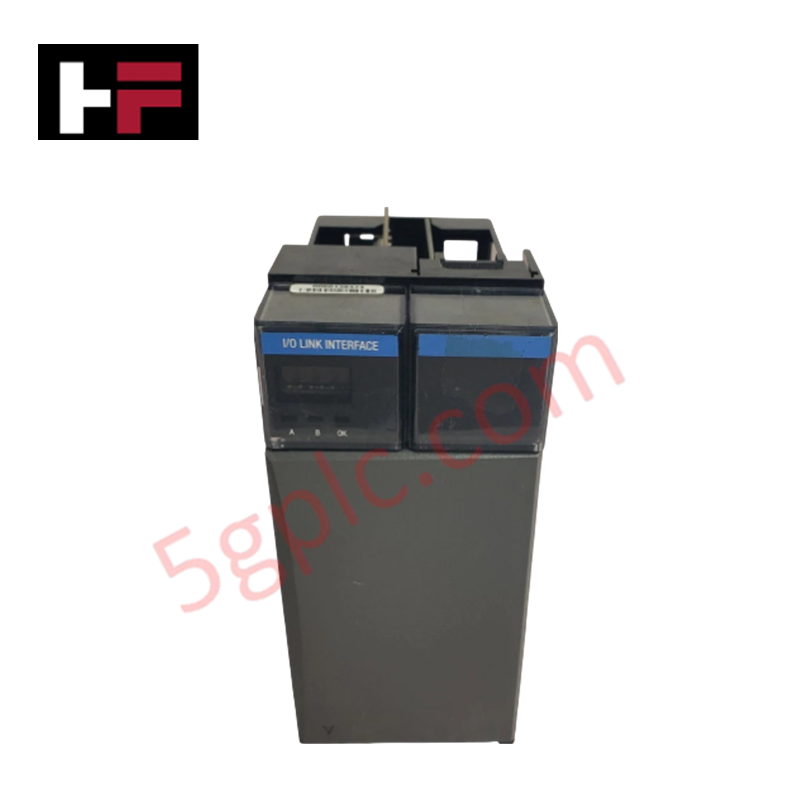
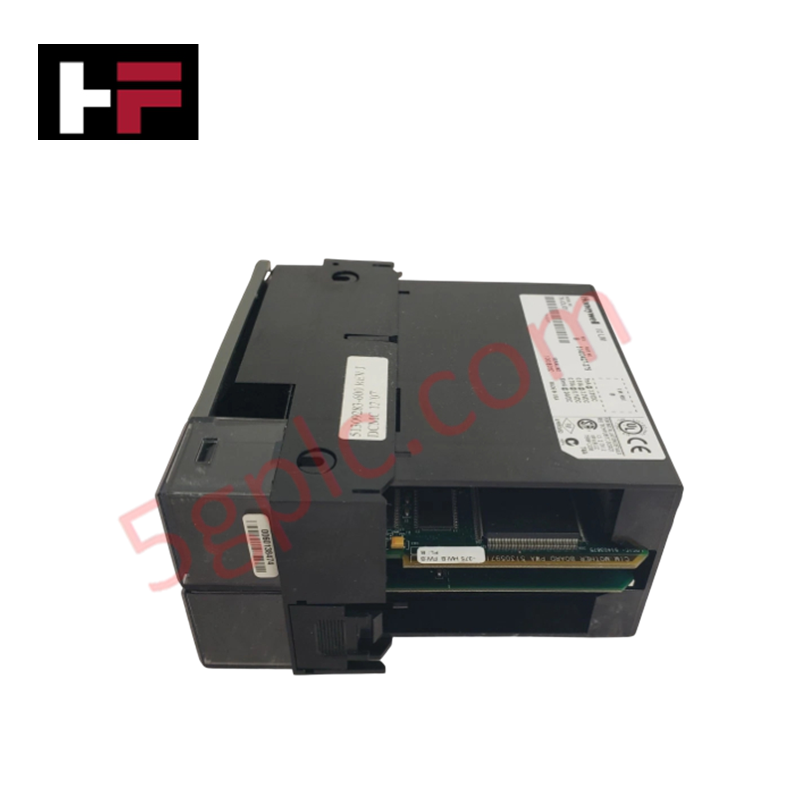
The YOKOGAWA AMN12T S2, also cataloged as the AMN12T RTD Input Multiplexer Module, operates as a dedicated hardware component for temperature sensor signal routing within PLC and DCS control networks.
Hardware Specifications
| Parameter | Specification |
|---|---|
| Model | AMN12T S2 |
| Brand | YOKOGAWA |
| Origin | Japan |
| Weight | 0.45 kg |
| Dimensions | 125 x 45 x 115 mm |
| Operating Temp | -20 to 60 deg C |
| Power Consumption | 5 W |
| System Compatibility | Yokogawa PLC / DCS Systems |
| Module Type | RTD Input Multiplexer Module |
| Input Channels | 12 RTD inputs |
| Signal Multiplexing Ratio | 12:1 channel aggregation to PLC input interface |
| Diagnostic Functions | Open-circuit and burnout detection |
Cold Junction Compensation and RTD Signal Conditioning
The AMN12T S2 integrates high-density analog multiplexing logic to consolidate 12 resistance temperature detector (RTD) channels into a single measurement interface. Internal cold junction compensation (CJC) processing and channel-to-channel signal conditioning circuits suppress noise across multi-point sensor networks. Built-in burnout detection monitoring continuously evaluates loop continuity to trigger alarm states upon detecting open sensor circuits or wiring failures.
Frequently Asked Questions
Q: How does the AMN12T S2 module consolidate field wiring?
A: The module routes 12 individual RTD sensor inputs through an internal switching matrix into a single PLC input channel, reducing terminal block footprint and cabinet cabling requirements.
Q: What action does the module take during an RTD sensor failure?
A: Integrated burnout detection circuits monitor circuit continuity across all 12 channels. When an open circuit occurs, the module generates a fault signal to the host controller to indicate sensor failure.
Q: What cable shield grounding guidelines apply to the RTD input channels?
A: Individually shielded twisted-pair cables must be used for all RTD connections, with cable shields terminated at a single ground point on the cabinet earth bar to prevent ground loops.
Field Installation Guidelines
De-energize field loops and rack power before installing or removing the AMN12T S2 module. Mount the assembly securely on the designated DIN rail or rack location, verifying that mechanical retention clips lock completely. Strip conductor ends to the specified length and torque terminal block screws according to enclosure specifications. Route low-voltage RTD wiring separately from high-voltage power conduits to minimize electromagnetic interference.
Additional Information
- 100% Genuine Parts: All products are original and authentic, ensuring reliable industrial performance.
- 30-Day Refund Guarantee: Return any in-stock item within 30 days in original, unopened packaging for a full refund (excluding shipping and fees).
- 12-Month Warranty: Covers defects in materials or workmanship; excludes misuse, normal wear, or unauthorized modifications.
- Worldwide Shipping: We ship via USPS, UPS, FedEx, and DHL. Delivery times vary by country and may be subject to customs or import fees.
- Support & Contact: Technical and warranty assistance is available anytime. Contact us here: Contact.
- Purchase Guidance: Check product specifications and compatibility carefully before ordering to ensure proper application.




Tech & Buying Guide

Understanding Siemens PLC Memory Cards: MMC, SMC, and SD Solutions in Industrial Automation
Memory management plays a pivotal role in maintaining control system reliability across modern manufacturing plants. Industrial control systems rely on specialized memory cards to store project logic, firmware updates, and retentive system data. Siemens uses several memory architectures, including Micro Memory Cards (MMC) and SIMATIC Memory Cards (SMC). Engineers must understand these hardware variations to ensure zero data loss and minimize downtime during maintenance routines.

Redefining Control Systems: The Rise of Flexible I/O Modules in Industrial Automation
Conventional input-output architectures often limit engineering agility and inflate long-term inventory costs. Today, Flexible Input/Output Modules (FIOM) are transforming how control system engineers design, commission, and maintain automation infrastructure. By allowing individual channel software configuration, FIOM technology bridges the gap between rigid hardware design and dynamic plant requirements.

Understanding Modern SCADA Systems: Architecture, Communication Topologies, and Industrial Applications
Supervisory Control and Data Acquisition (SCADA) systems form the digital backbone of modern industrial automation. They collect critical field data, transmit signals across vast distances, and empower plant operators with real-time process visibility. Across modern infrastructures, SCADA solutions streamline centralized control and maintain continuous operational uptime.