










Product Details
Product Overview
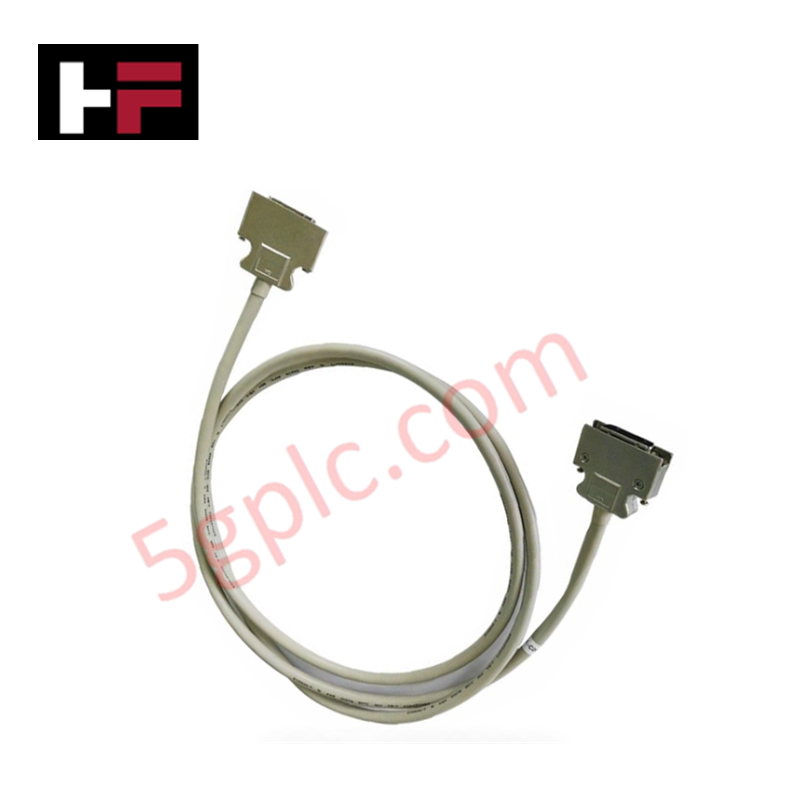
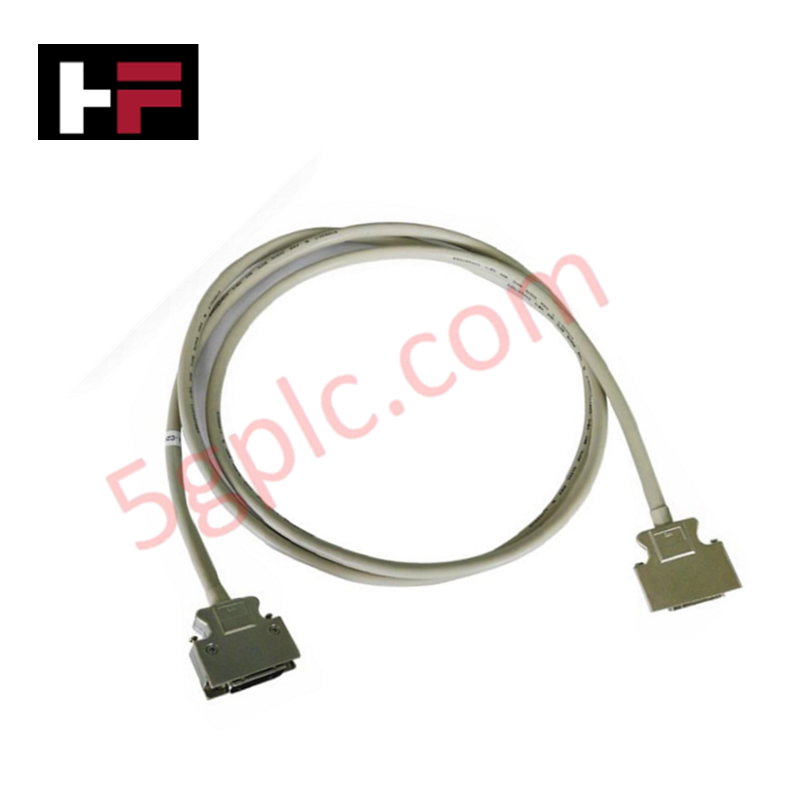
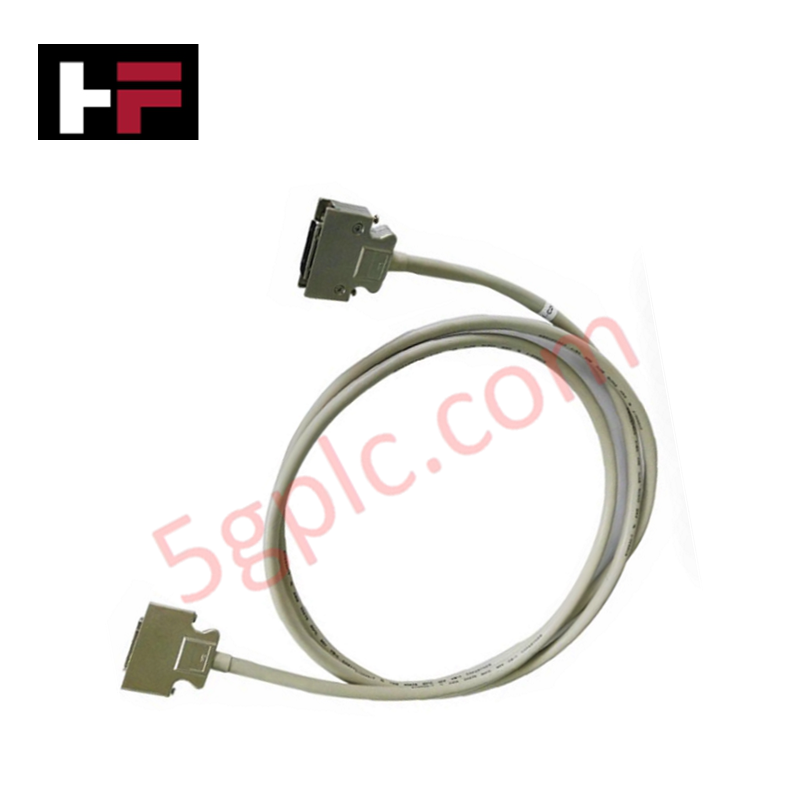
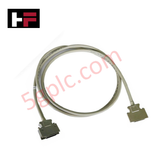
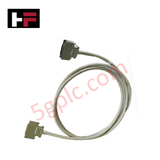
The Yokogawa YCB141-M035 acts as a high-integrity physical layer for Yokogawa’s proprietary Distributed Control System (DCS) networks. This 35-meter coaxial cable facilitates seamless data exchange across V net, ER bus, ESB bus, and RIO bus architectures. Engineered to the 10BASE-2 standard, it maintains deterministic communication between Field Control Stations (FCS) and I/O nodes. We supply this product as 100% Brand New and Original, ensuring your control network meets factory-spec attenuation and impedance requirements.
Part Number Breakdown
| Suffix/Code | Specification | Description |
| YCB141 | Base Model | 10BASE-2 Coaxial Cable for DCS |
| -M035 | Length | 35 Meters (approx. 115 feet) |
| /NL | Option | CSA Non-Incendive Instrumentation support |
Technical Specifications
| Feature | Details |
| Network Standard | IEEE 802.3 10BASE-2 (Thin Ethernet) |
| Fixed Length | 35 Meters |
| Termination Type | Solderless lug for M4 screw terminals |
| Bend Radius | 50 mm minimum |
| Operating Temperature | -20°C to +70°C |
| Compatibility | V net, ER bus, ESB bus, RIO bus |
| Safety Compliance | CSA non-incendive (with /NL option) |
Engineering Advantages
-
Optimized Signal Integrity: The YCB141-M035 features high-density shielding to repel electromagnetic interference (EMI) and radio frequency interference (RFI). This ensures that critical process data travels without packet loss in electrically noisy environments near high-voltage switchgear or variable frequency drives.
-
Flexible Installation Profile: With a minimum bending radius of only 50 mm, this cable allows for efficient routing within crowded cable trays and tight cabinet enclosures. It prevents dielectric deformation during installation, maintaining the consistent impedance necessary for 10BASE-2 networks.
-
Solderless Connection Security: The module utilizes solderless lugs compatible with M4 screw terminals. This design eliminates the failure points associated with cold solder joints and provides a vibration-resistant mechanical bond, essential for refineries and offshore platforms.
-
Thermal Resilience: The specialized jacket material withstands temperature extremes from -20°C to +70°C. This prevents cracking in cold-start conditions and resists degradation in high-heat industrial zones, ensuring a long service life without signal attenuation.
FAQs
-
Can I use the YCB141-M035 in hazardous areas?
Yes, if you select the /NL suffix. This version supports CSA non-incendive instrumentation standards, allowing safe operation in specific hazardous locations where traditional cabling might pose a risk.
-
Does this cable require specialized tools for termination?
No. The solderless lug design allows for direct mounting to M4 screw terminals. You only require a standard torque screwdriver to ensure a secure, low-resistance connection.
-
How does the 35-meter length affect the total bus segment limit?
You must include the 35-meter length of the YCB141-M035 in your total 10BASE-2 segment calculation. Ensure the cumulative length of all cables and connectors in a single segment does not exceed the 185-meter maximum limit defined by Yokogawa system specifications.
-
Is this cable compatible with the older YCB141-M030?
Yes. Both cables share identical electrical characteristics and 10BASE-2 compliance. The M035 version simply provides an additional 5 meters of length to accommodate larger cabinet-to-cabinet distances.
Additional Information
- 100% Genuine Parts: All products are original and authentic, ensuring reliable industrial performance.
- 30-Day Refund Guarantee: Return any in-stock item within 30 days in original, unopened packaging for a full refund (excluding shipping and fees).
- 12-Month Warranty: Covers defects in materials or workmanship; excludes misuse, normal wear, or unauthorized modifications.
- Worldwide Shipping: We ship via USPS, UPS, FedEx, and DHL. Delivery times vary by country and may be subject to customs or import fees.
- Support & Contact: Technical and warranty assistance is available anytime. Contact us here: Contact.
- Purchase Guidance: Check product specifications and compatibility carefully before ordering to ensure proper application.


Tech & Buying Guide

Wellhead Control Panel (WHCP) Architecture in Oil and Gas Automation
Upstream oil and gas operations rely on specialized field control platforms to manage wellhead extraction safety and hydraulic actuation. A Wellhead Control Panel (WHCP) serves as a dedicated hydraulic and pneumatic power unit designed to operate critical Christmas Tree isolation valves. By interfacing field safety components directly with Programmable Logic Controller (PLC) architecture, a WHCP protects upstream extraction assets against overpressure, catastrophic leaks, and thermal emergencies.

Understanding Marshalling Cabinets in Industrial Control Systems Architecture
Industrial control system deployments rely on structured signal distribution to bridge field instrumentation with central processing hardware. A marshalling cabinet serves as the vital intermediate connection point between heavy field home-run multi-pair cables and delicate input/output (I/O) modules housed inside Programmable Logic Controller (PLC) or Distributed Control System (DCS) enclosures. By segregating field cable terminations from control hardware, engineers maintain system flexibility, safeguard controller components, and streamline commissioning workflows.

FAT vs SAT in Industrial Control Systems: Key Differences and Execution Guide
Industrial control system deployment relies on strict verification protocols to guarantee operational safety, system stability, and regulatory compliance. Commissioning complex Programmable Logic Controller (PLC) racks, Distributed Control Systems (DCS), and Safety Instrumented Systems (SIS) requires two critical milestones: the Factory Acceptance Test (FAT) and the Site Acceptance Test (SAT). Both procedures validate that system automation meets design specifications, but they occur at different stages of project execution and target distinct operational risks.