










Product Details
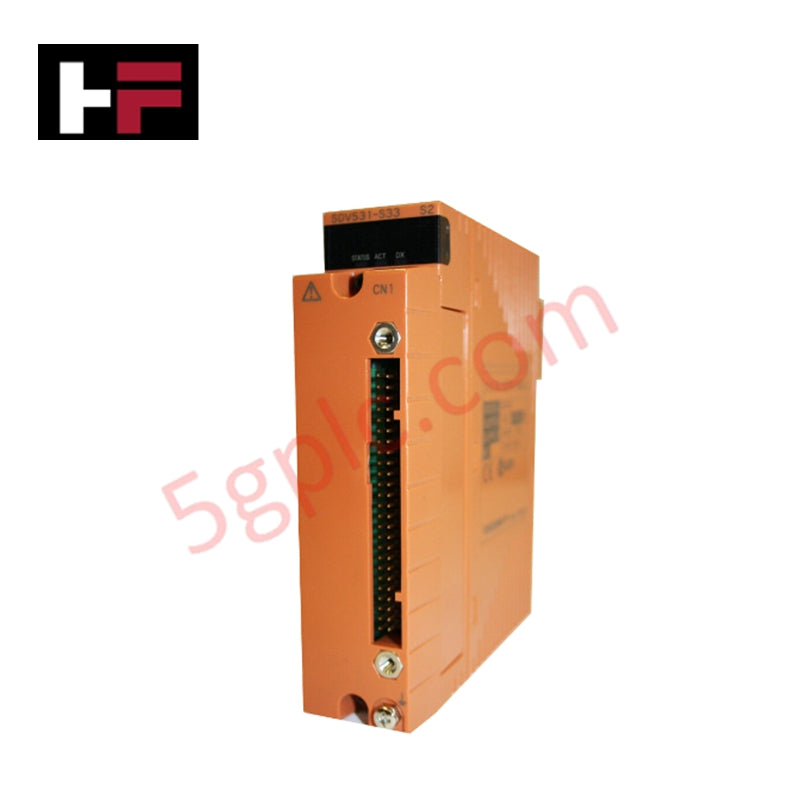
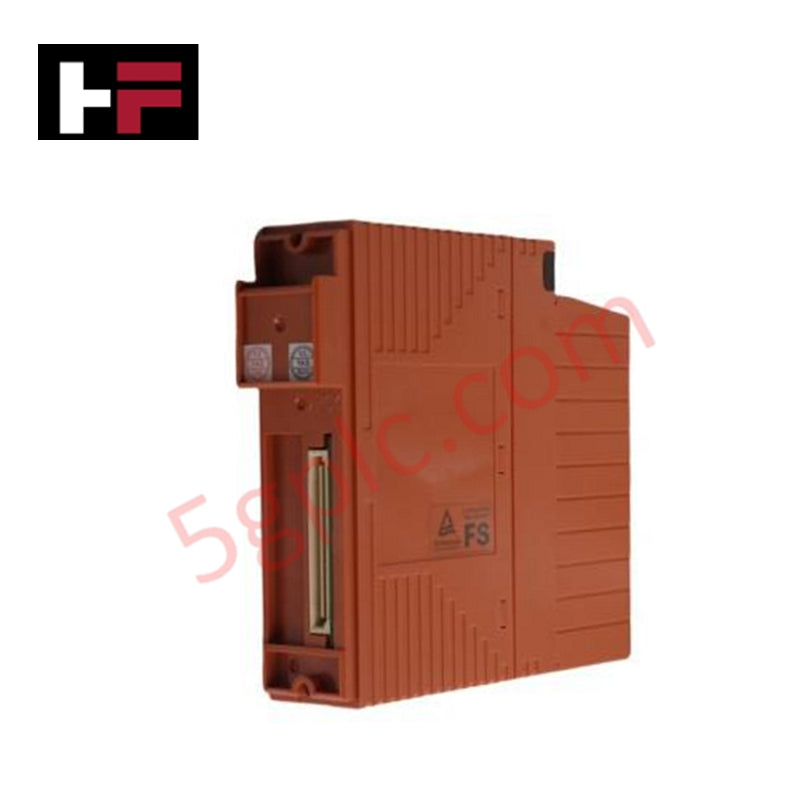
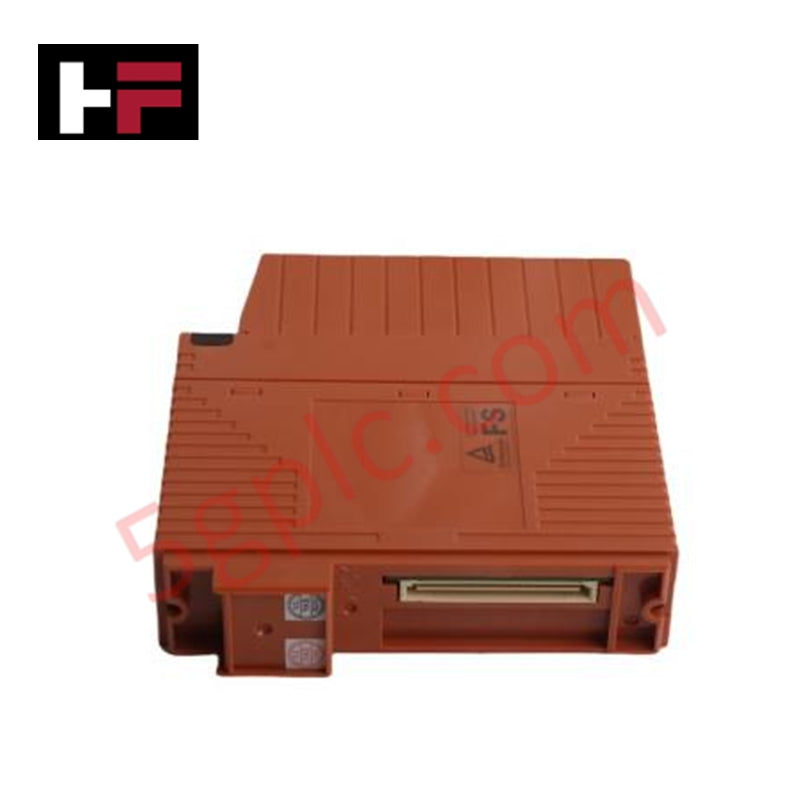
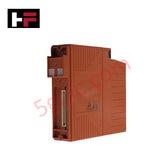
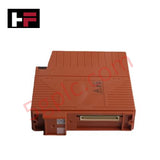
The Yokogawa SDV531-S63 serves as the primary SDV531 Digital Output Module utilized to execute discrete actuator switching sequences across ProSafe-RS safety instrumented system platforms. The hardware processes multi-channel binary output commands, driving downstream field loops via physical module isolation barriers to guarantee isolated circuit execution.
Suffix Breakdown & Model Matrix
The suffix configurations for this specific assembly designate its physical interfaces and environmental protection tolerances:
- -S: Standard hardware type architecture.
- 6: Integrated signal cable interface adapter; non-explosion protection housing profile.
- 3: Conformal coating matching ISA Standard G3 specifications; extended thermal operation rating from -20 to 70 deg C.
Hardware Specifications
| Parameter | Specification |
|---|---|
| Model | SDV531-S63 |
| Brand | Yokogawa |
| Origin | Japan |
| Weight | 0.40 kg |
| Dimensions | Standard Yokogawa ProSafe-RS system slot footprint |
| Operating Temp | -20 to 70 deg C |
| Power Consumption | System backplane dependent loop draw |
| Channel Count | 8 channels |
| Isolation Type | Module isolation barrier |
| Environmental Protection | ISA Standard G3 conformal coating class |
| Cable Interface | Integrated signal cable adapter termination |
| Explosion Protection | Non-explosion proof rating |
Process Control & Module Isolation Architecture
The electrical architecture incorporates dedicated module isolation mechanisms designed to isolate field wiring transients from the system backplane logic. Under this topology, the 8 output channels share a common isolated ground network that remains separate from the processing unit circuits. This layout prevents cross-talk propagation between external high-current switching loops and internal system buses, maintaining deterministic execution windows for the security control logic even during downstream electrical faults.
Frequently Asked Questions
Q: How does the ISA Standard G3 conformal coating affect hardware installation inside high-pollution environments?
A: The G3 coating provides chemical resistance against corrosive gases such as hydrogen sulfide, sulfur dioxide, and chlorine. Hardware installed in environments meeting ISA 71.04 Class G3 limits does not require extra chemical scrubbing units, provided ambient operating temperatures remain within the fixed -20 to 70 deg C boundaries.
Q: What are the restrictions regarding hot-swapping the module during active logic execution?
A: The hardware supports online removal and insertion on the ProSafe-RS baseplate. However, before physical extraction, the application logic controlling the 8 digital output channels must be locked or bypassed in the engineering software to prevent unintentional trips or floating logic states on the associated field elements.
Field Installation Guidelines
- Signal Cable Interface Routing: Connect the dedicated interface cable assembly directly to the suffix 6 adapter block. Route the field cabling through independent low-voltage wiring trays, ensuring physical separation from high-voltage AC motor drives to minimize inductive noise injection.
- Chassis Grounding and Shield Termination: Secure the module firmly into the baseplate slot using the integrated locking tabs. The enclosure chassis ground must connect directly to the cabinet system ground busbar via a low-impedance copper conductor to dissipate high-frequency electromagnetic interference.
- Thermal Monitoring Controls: Install vertical cabinet cooling fans if the internal enclosure ambient temperature approaches the upper 70 deg C limit. Maintain free space around the module ventilation pathways to ensure adequate convective heat dissipation.
Additional Information
- 100% Genuine Parts: All products are original and authentic, ensuring reliable industrial performance.
- 30-Day Refund Guarantee: Return any in-stock item within 30 days in original, unopened packaging for a full refund (excluding shipping and fees).
- 12-Month Warranty: Covers defects in materials or workmanship; excludes misuse, normal wear, or unauthorized modifications.
- Worldwide Shipping: We ship via USPS, UPS, FedEx, and DHL. Delivery times vary by country and may be subject to customs or import fees.
- Support & Contact: Technical and warranty assistance is available anytime. Contact us here: Contact.
- Purchase Guidance: Check product specifications and compatibility carefully before ordering to ensure proper application.


Tech & Buying Guide

Demystifying the DDE Protocol in Legacy Industrial Automation Systems
Modern control systems rely heavily on seamless interprocess communication to exchange operational data between software programs. Microsoft first introduced the Dynamic Data Exchange (DDE) protocol in 1987 to enable real-time data sharing. In factory automation, DDE served as an early bridge between control software and Windows desktop applications. Therefore, understanding DDE mechanics provides crucial insights into how legacy industrial networks established software-level connectivity.

Demystifying CPU Communication Ports in Siemens PLC Architectures
Industrial automation relies heavily on robust data exchange between devices. Without seamless connectivity, field instruments, network switches, human-machine interfaces, and programmable logic controllers cannot coordinate effectively. Therefore, understanding the various CPU communication ports available in Siemens hardware ensures efficient factory automation design and seamless system integration.

Mastering the Siemens PLC Scan Cycle: How the CPU Executes Automation Programs
Industrial automation relies heavily on programmable logic controllers (PLCs) to manage complex manufacturing processes. Many engineers dive straight into programming without mastering the underlying architecture. However, understanding how a PLC CPU executes a program ensures reliable system design. Therefore, mastering the scan cycle optimizes both performance and troubleshooting in modern control systems.