










Product Details
Product Overview
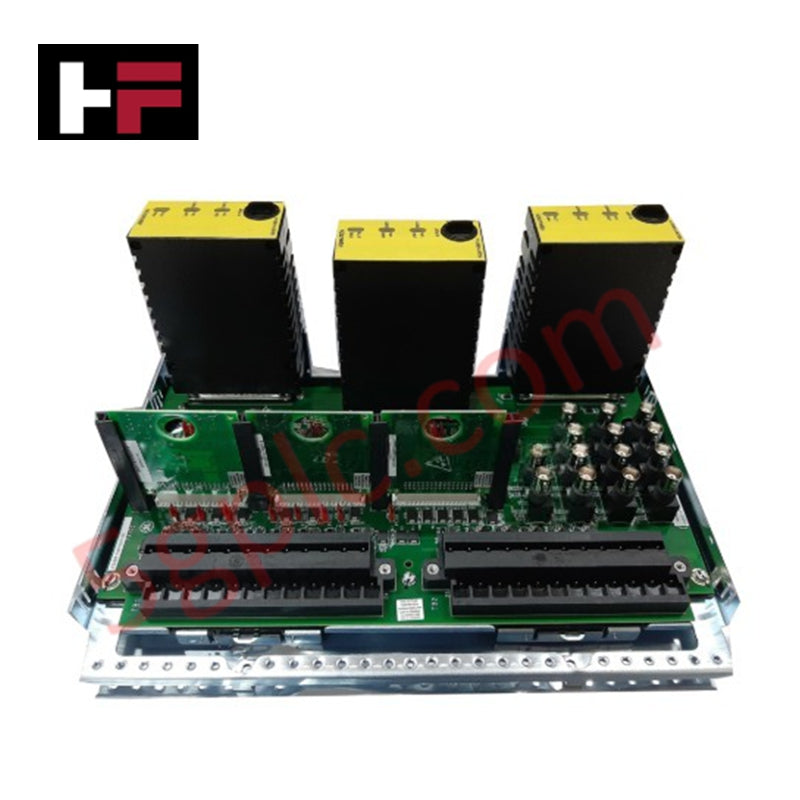
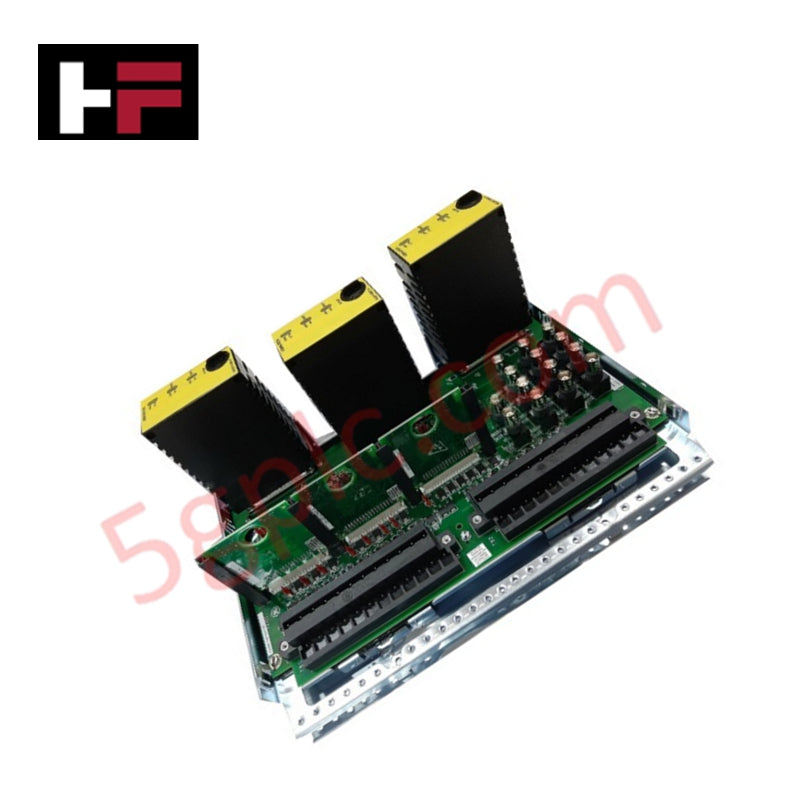
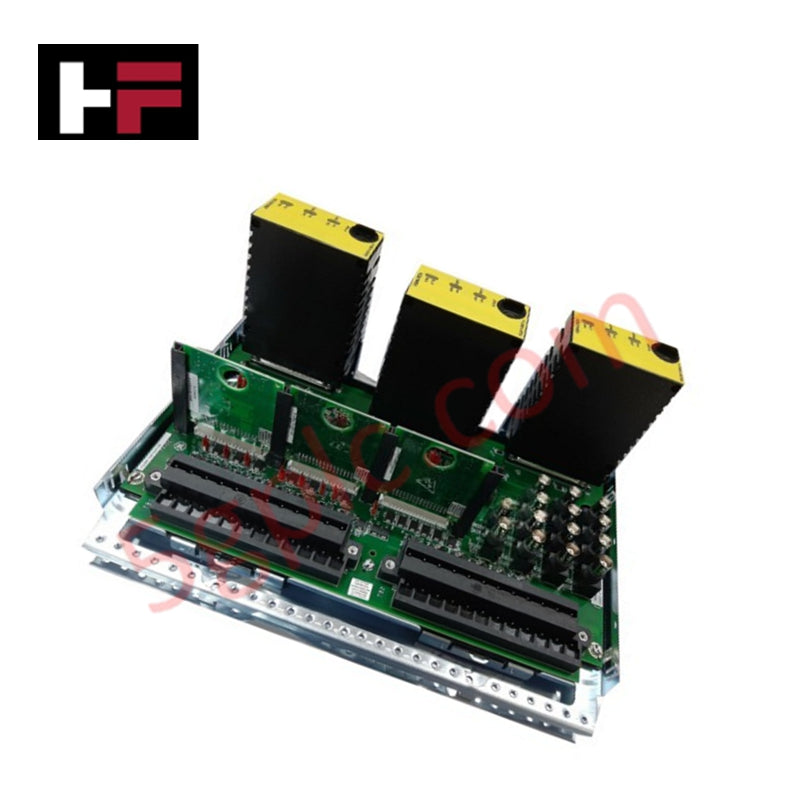
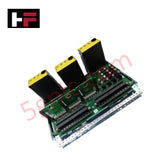
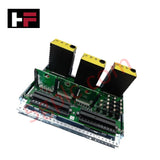
The GE IS230TVBAH4A acts as a high-precision Vibration Control Module within the General Electric Speedtronic Mark VIe turbine management system. This module processes critical vibration probe signals to monitor rotor eccentricity, axial position, and overall mechanical vibration. We provide this component as 100% Brand New and Original, ensuring your steam or gas turbine operates with the highest level of protection. By integrating directly into the Mark VIe architecture, the IS230TVBAH4A provides the real-time data necessary to prevent catastrophic mechanical failure in high-speed rotating machinery.
Technical Specifications
The IS230TVBAH4A features a versatile input architecture designed to interface with a wide array of industrial sensing technologies.
| Attribute | Specification |
| Manufacturer | General Electric (GE) |
| Series | Mark VIe Speedtronic |
| Product Type | Vibration Control Module |
| Architecture Support | Simplex and Triple Modular Redundant (TMR) |
| Probe Compatibility | Phase, Seismic, Acceleration, Proximity, and Velocity |
| Primary Measurement | Rotor Eccentricity, Vibration, Axial Position |
| Condition | 100% Brand New Original |
Engineering Advantages
-
Universal Probe Interfacing: The IS230TVBAH4A eliminates hardware silos by supporting five distinct probe types—seismic, acceleration, proximity, velocity, and phase. This versatility allows engineers to consolidate vibration monitoring onto a single module type, reducing spare parts inventory complexity.
-
TMR Architecture Integration: This module fully supports Triple Modular Redundant (TMR) designs. In TMR mode, three independent modules process the same signal via IONets, ensuring that a single module failure never compromises turbine safety or availability.
-
High-Speed Signal Processing: The module converts raw analog signals from terminal boards into precise digital values for the Mark VIe controllers. This high-speed processing enables the system to detect subtle changes in rotor eccentricity or axial displacement before they exceed safety thresholds.
-
Optimized for Harsh Environments: Designed for the demanding conditions of power plant turbine decks, the IS230TVBAH4A resists electromagnetic interference (EMI) and maintains signal integrity across long cable runs from the turbine to the control cabinet.
FAQs
-
Can the IS230TVBAH4A be used in a Simplex system?
Yes. While designed for the high-reliability TMR architecture, the IS230TVBAH4A operates perfectly in Simplex configurations for smaller systems that do not require triple redundancy.
-
Which sensors are compatible with this module?
The module interfaces with almost all standard vibration hardware, including Bently Nevada proximity probes, seismic transducers, and accelerometers used for monitoring rotor health.
-
Does this module require specific terminal boards for vibration sensing?
Yes, the IS230TVBAH4A typically pairs with TVBA or DVBA terminal boards. The terminal boards handle the physical wiring and signal conditioning, while this module performs the core signal processing.
-
Is this a new or refurbished GE part?
We supply the IS230TVBAH4A as 100% Brand New original equipment. Each unit arrives in factory-certified condition to ensure maximum service life in your turbine control system.
Additional Information
- 100% Genuine Parts: All products are original and authentic, ensuring reliable industrial performance.
- 30-Day Refund Guarantee: Return any in-stock item within 30 days in original, unopened packaging for a full refund (excluding shipping and fees).
- 12-Month Warranty: Covers defects in materials or workmanship; excludes misuse, normal wear, or unauthorized modifications.
- Worldwide Shipping: We ship via USPS, UPS, FedEx, and DHL. Delivery times vary by country and may be subject to customs or import fees.
- Support & Contact: Technical and warranty assistance is available anytime. Contact us here: Contact.
- Purchase Guidance: Check product specifications and compatibility carefully before ordering to ensure proper application.


Tech & Buying Guide

Demystifying the DDE Protocol in Legacy Industrial Automation Systems
Modern control systems rely heavily on seamless interprocess communication to exchange operational data between software programs. Microsoft first introduced the Dynamic Data Exchange (DDE) protocol in 1987 to enable real-time data sharing. In factory automation, DDE served as an early bridge between control software and Windows desktop applications. Therefore, understanding DDE mechanics provides crucial insights into how legacy industrial networks established software-level connectivity.

Demystifying CPU Communication Ports in Siemens PLC Architectures
Industrial automation relies heavily on robust data exchange between devices. Without seamless connectivity, field instruments, network switches, human-machine interfaces, and programmable logic controllers cannot coordinate effectively. Therefore, understanding the various CPU communication ports available in Siemens hardware ensures efficient factory automation design and seamless system integration.

Mastering the Siemens PLC Scan Cycle: How the CPU Executes Automation Programs
Industrial automation relies heavily on programmable logic controllers (PLCs) to manage complex manufacturing processes. Many engineers dive straight into programming without mastering the underlying architecture. However, understanding how a PLC CPU executes a program ensures reliable system design. Therefore, mastering the scan cycle optimizes both performance and troubleshooting in modern control systems.