












Product Details
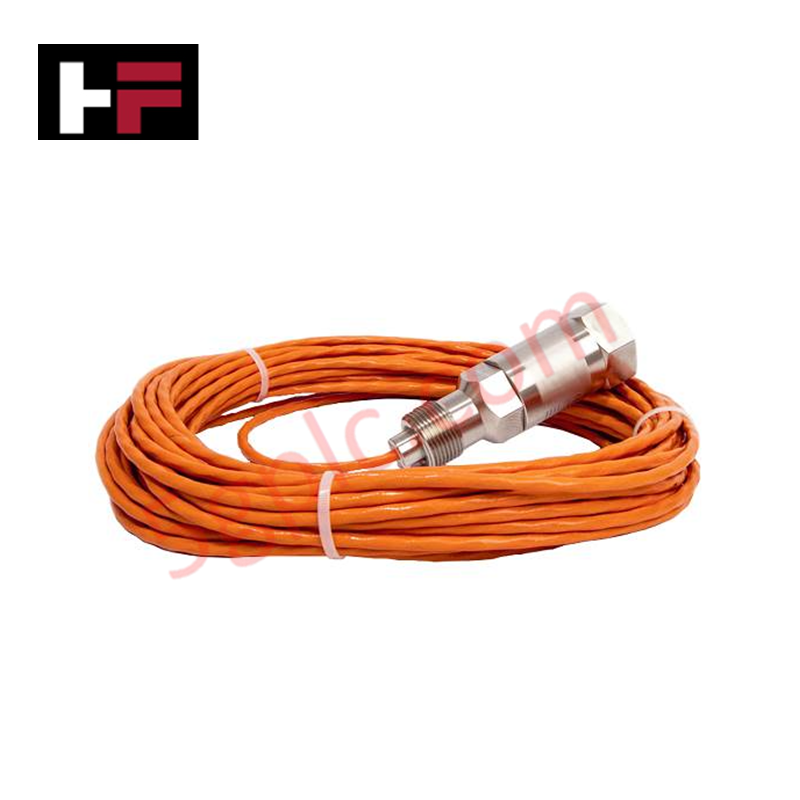
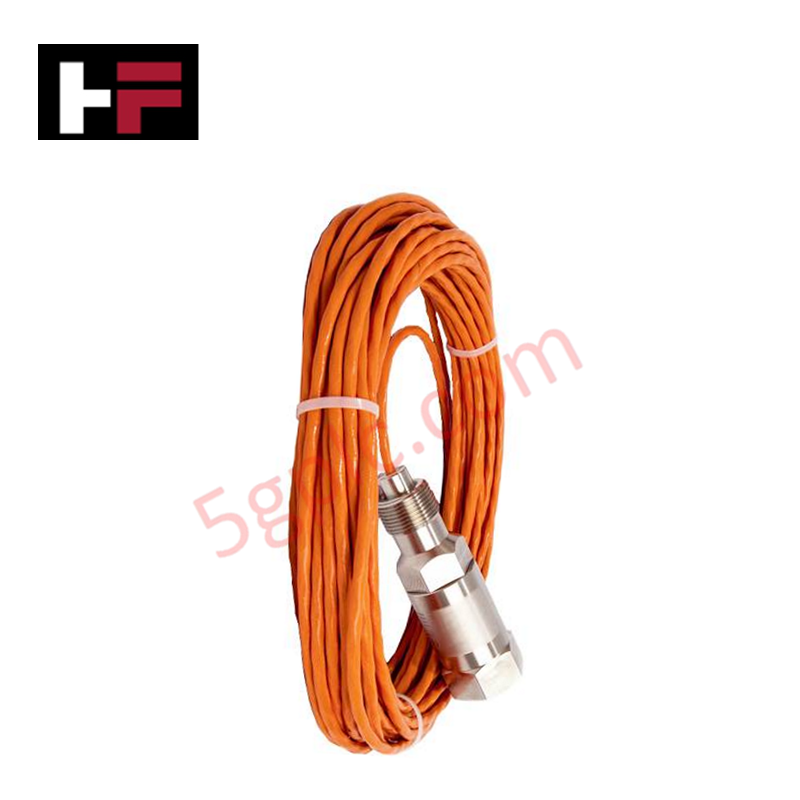
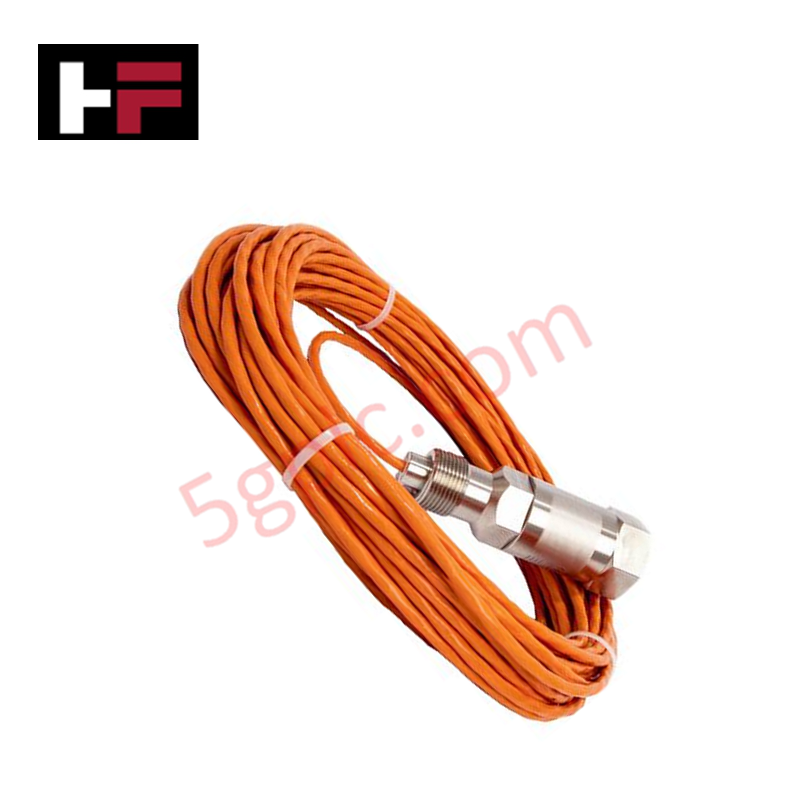
Configured for ultraviolet radiation detection and fast response signal generation in gas turbine flame monitoring systems, the Honeywell LG1093AA44 (LG1093 Flame Sensor) provides direct physical/electrical execution.
Hardware Specifications
| Parameter | Specification |
|---|---|
| Model | LG1093AA44 |
| Brand | Honeywell |
| Origin | USA |
| Weight | 3.0 kg (Shipping Weight) |
| Dimensions | 3/4 inch internal NPT mounting / 1 inch external conduit thread |
| Operating Temp | -40 deg C to +176 deg C |
| Power Consumption | Sensor head contains no active power supply (Passive GM tube) |
| Spectral Range | 180 nm to 260 nm (Ultraviolet spectrum) |
| Pressure Rating | Viewing window rated for 10 bar (150 psi) |
| Cable Assembly | Integral Teflon-shielded cable, 16 ft (4.9 m) length |
| Flame Response Time | Flame Present: 0.1 sec typical; Flame Loss: 0.2 sec max |
| Signal Output | Compatible with EG1033 series amplifier modules |
| Transmission Distance | Up to 330 m (1,000 ft) sensor-to-amplifier distance |
| Hazardous Approvals | ATEX (EEx d IIA T3 / EEx d IIC T3, Zone 1 & 2), FM (Class I, Div 1 & 2, Groups B, C, D) |
4-20 mA HART Loop Protocol and Channel-to-Channel Isolation
The optical sensor assembly utilizes a solar-blind Geiger Mueller phototube engineered to isolate ultraviolet radiation signals in the 180 nm to 260 nm spectral band while ignoring infrared and black-body radiation background noise. Electrical channel-to-channel isolation between the optical sensing head and the associated EG1033 amplifier module prevents ground loop currents across the 330 m transmission line. This isolation structure preserves pulse frequency fidelity during high-speed signal processing and emergency trip execution within turbine control architectures.
Frequently Asked Questions
Q: What amplifier modules are compatible with the LG1093AA44 flame sensor?
A: The sensor operates specifically with Honeywell EG1033 series amplifier modules (including EG1033AA transistor open-collector outputs, and EG1033AB or EG1033AC SPDT relay contact outputs).
Q: Can the LG1093AA44 be installed on Dry Low NOx (DLE) gas turbines?
A: No, standard LG1093 series sensors are not optimized for low-emissions combustors; DLE gas turbine applications require pre-selected sensor variants tailored for low UV intensity flames.
Q: What is the maximum pressure limit for the optical viewing window?
A: The integrated optical viewing window is rated to withstand turbine sight-pipe combustion pressures up to 10 bar (150 psi).
Field Installation Guidelines
- Thread the sensor body onto the 3/4 inch NPT sight pipe connection, ensuring a minimum of 5 full NPT thread engagements with high-temperature pipe sealant.
- Pass the integral 16 ft Teflon-shielded cable through a 1 inch protective metal conduit to safeguard against physical abrasion and radiant heat.
- Ground the cable shield drain wire strictly at the EG1033 amplifier terminal strip to eliminate circulating chassis ground loops.
- Inspect and clean the sight glass window periodically using a non-abrasive solvent wipe to prevent soot buildup from attenuating UV light transmission.
Additional Information
- 100% Genuine Parts: All products are original and authentic, ensuring reliable industrial performance.
- 30-Day Refund Guarantee: Return any in-stock item within 30 days in original, unopened packaging for a full refund (excluding shipping and fees).
- 12-Month Warranty: Covers defects in materials or workmanship; excludes misuse, normal wear, or unauthorized modifications.
- Worldwide Shipping: We ship via USPS, UPS, FedEx, and DHL. Delivery times vary by country and may be subject to customs or import fees.
- Support & Contact: Technical and warranty assistance is available anytime. Contact us here: Contact.
- Purchase Guidance: Check product specifications and compatibility carefully before ordering to ensure proper application.
Tech & Buying Guide

Comprehensive Guide to Instrumentation and Control (I&C) Design Basis
Instrumentation and Control (I&C) Design Basis serves as the foundational technical document for modern plant engineering. Project teams rely on this master specification to govern engineering deliverables across front-end engineering design (FEED) and detailed execution phases. A well-constructed I&C design basis ensures seamless integration among field instrumentation, safety systems, and main control systems. Furthermore, establishing clear technical standards early mitigates execution risks and prevents costly re-engineering during plant commissioning.

The Shift to Flexible IO Modules in Modern Industrial Automation
Traditional control systems rely on dedicated Input Output (IO) cards for industrial automation. Each conventional module processes a single signal type, such as Digital Input (DI), Digital Output (DO), Analog Input (AI), or Analog Output (AO). A standard 16-channel card accepts only one specific channel type across all ports. This inflexible hardware design often creates severe engineering bottlenecks during project execution. Engineers frequently must install entirely new cards to accommodate a single extra sensor. Consequently, late design changes increase control cabinet space requirements and drive up project costs.

DCS Commissioning Steps in Industrial Automation Projects
Commissioning a Distributed Control System (DCS) represents a crucial milestone when deploying modern process automation infrastructure. Field engineers must execute systematic verification steps to transition complex control hardware from static installation to dynamic plant control. Proper commissioning ensures that controllers, I/O modules, network switches, and HMI software operate in strict compliance with engineering design specifications before introducing live process fluids.