










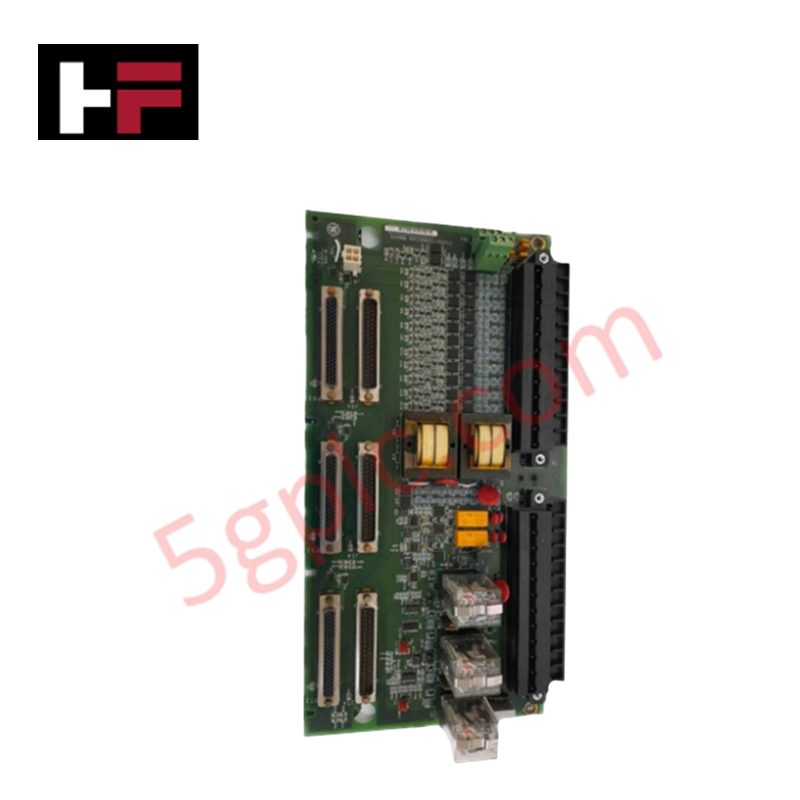
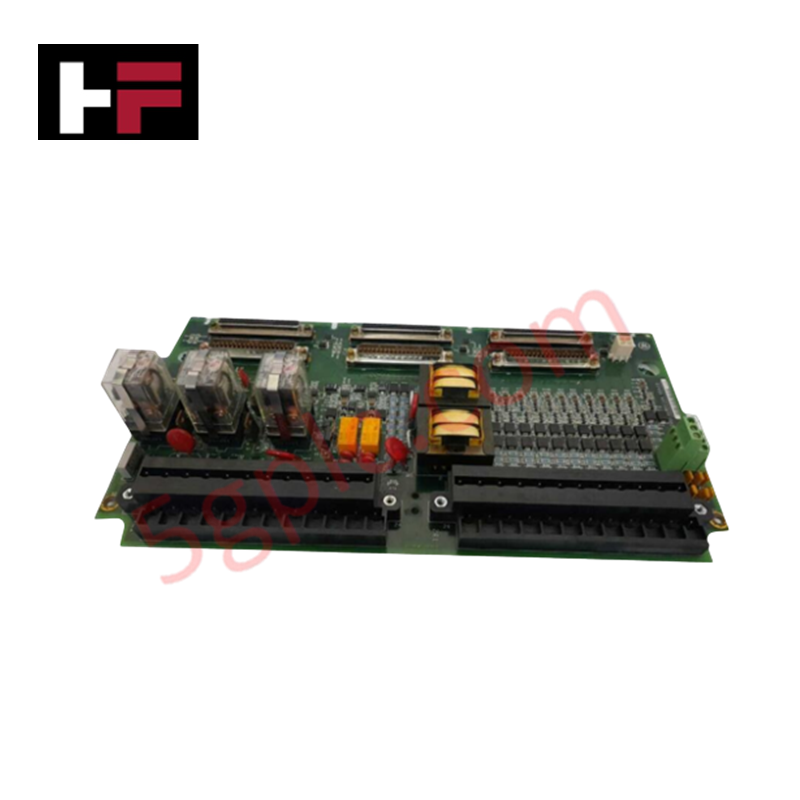
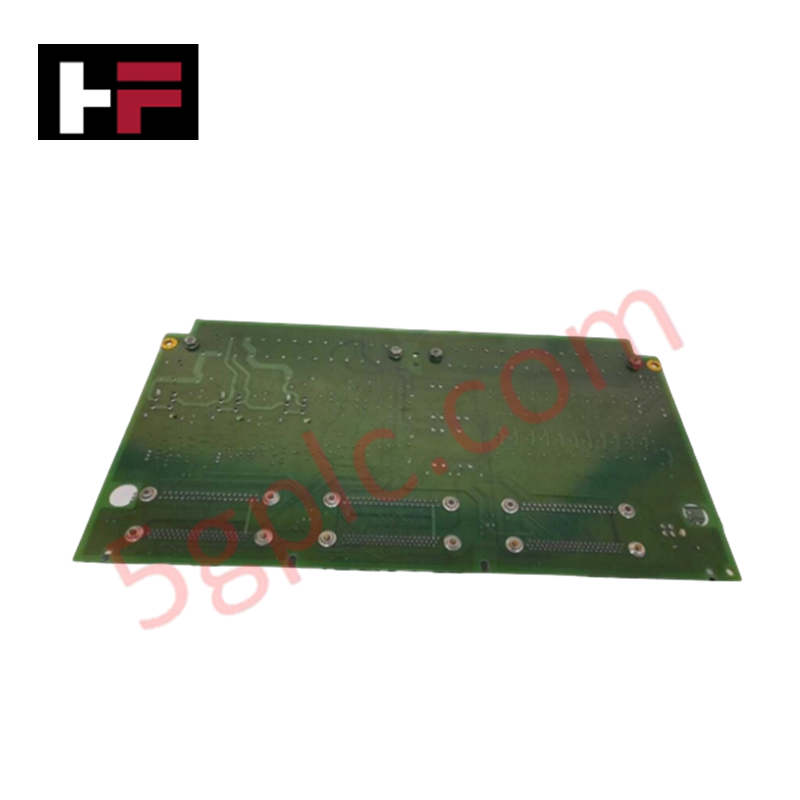
Product Details
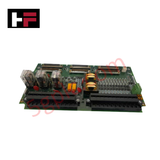
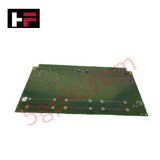
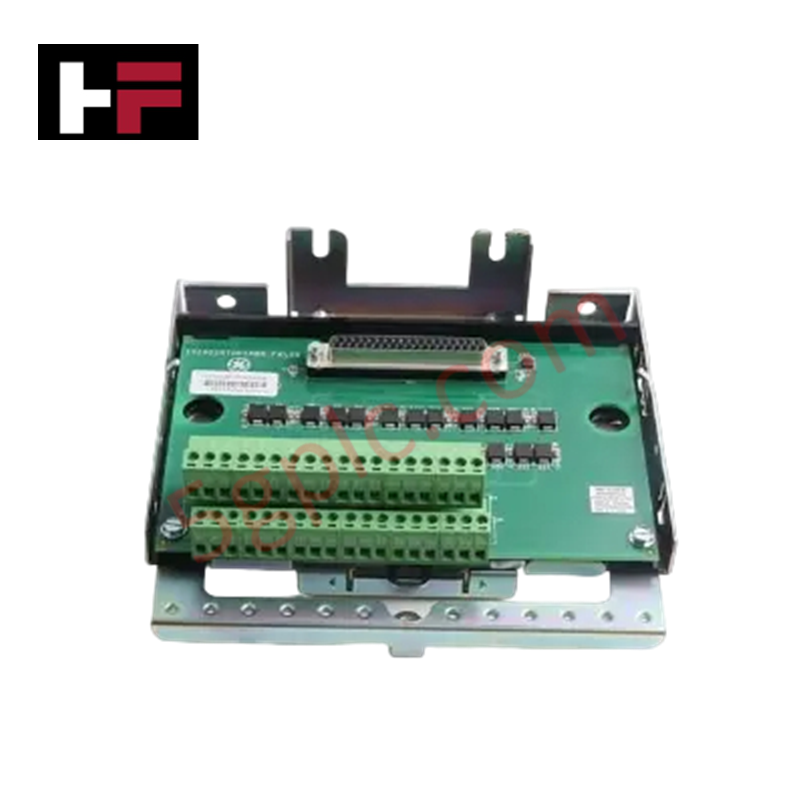
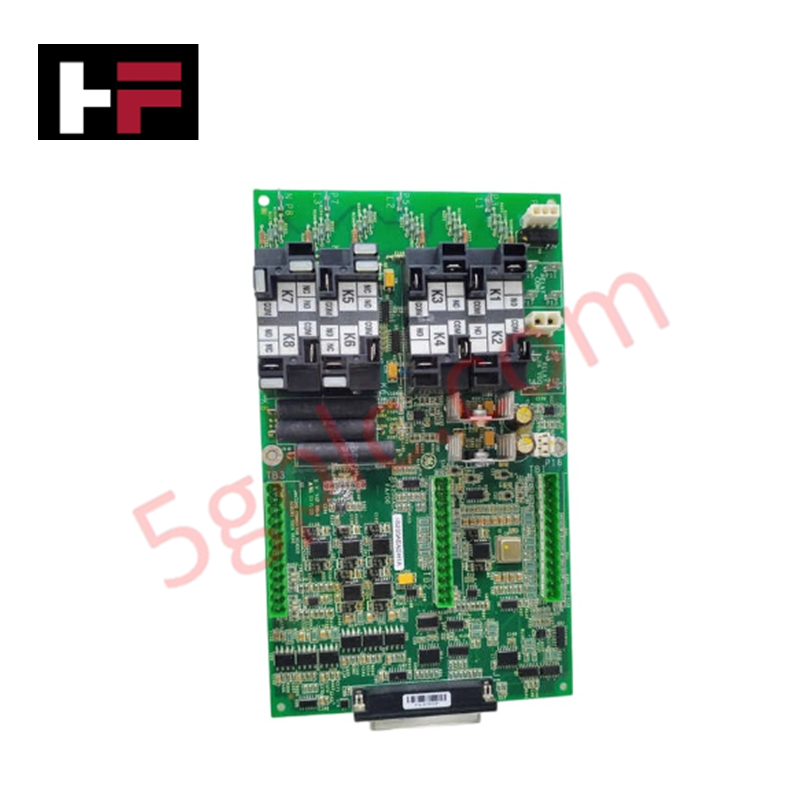
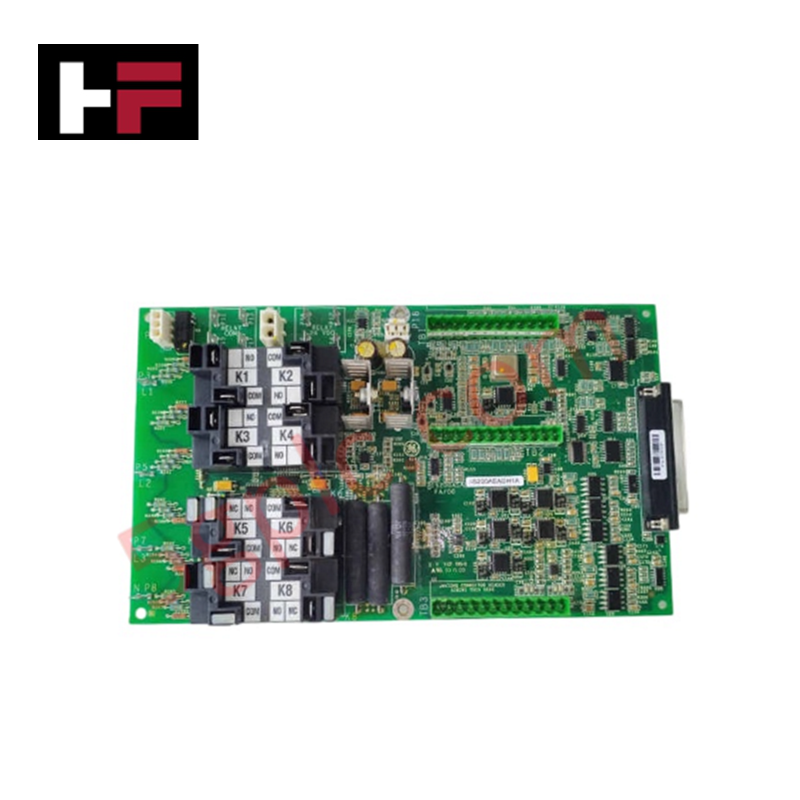
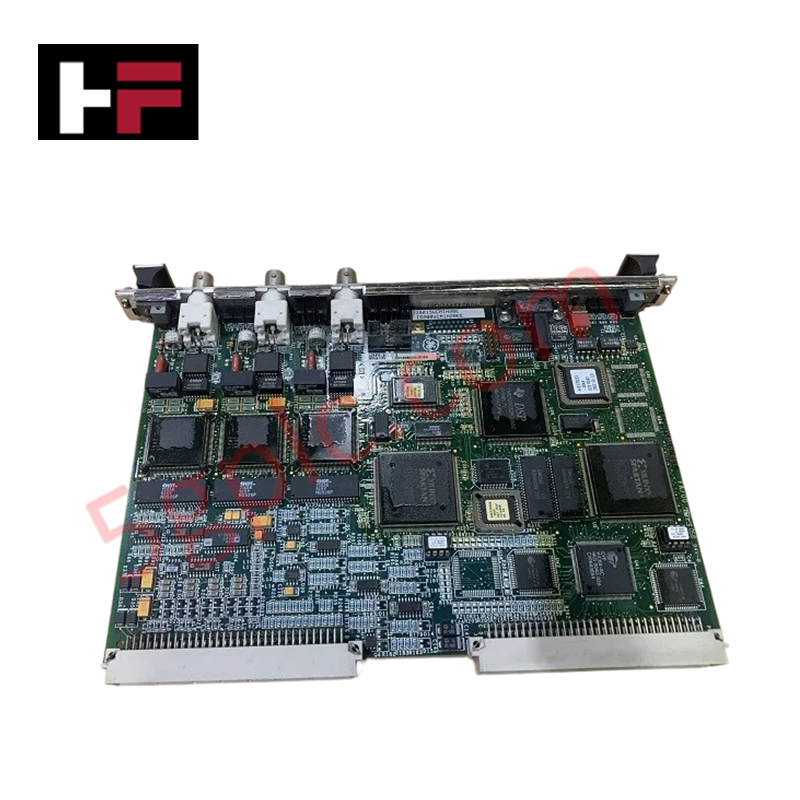
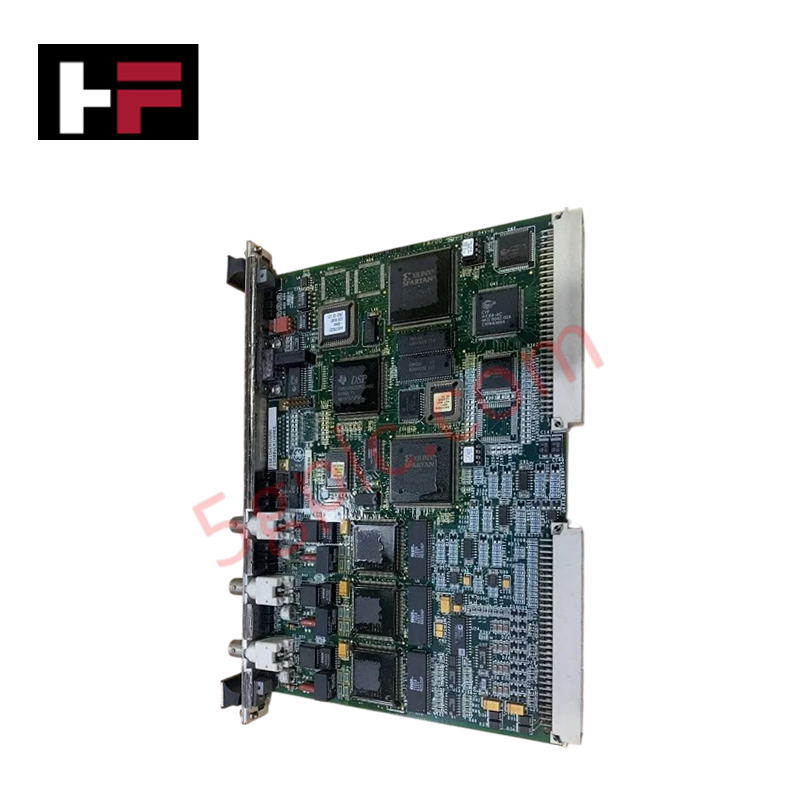
Configured for speed sensing, shaft signal monitoring, and trip circuit execution in Mark VI platforms, the GE IS200TTURH1CFD (IS200TTURH1C Turbine Specific Primary Trip Board) provides direct physical/electrical execution. It interfaces directly with the VTUR processor module to handle primary trip circuit switching, passive pulse rate speed inputs, and dedicated breaker coil excitation.
Hardware Specifications
| Parameter | Specification |
|---|---|
| Model | IS200TTURH1CFD |
| Brand | GE |
| Origin | United States |
| Weight | 0.45 kg |
| Dimensions | 12.1 cm x 4.19 cm x 8.26 cm |
| Operating Temp | -30 to 65 deg C |
| Power Consumption | Board Logic Powered via System Interconnect / Dedicated 125 VDC Output Channel |
| Speed Sensor MPU Pulse Rate Range | 2 Hz to 20 kHz |
| Speed Sensor Pulse Rate Accuracy | 0.05 percent |
| Speed Sensor Input Sensitivity | 27 mV pk |
| Mounting & Technology | Surface mount technology / Rack-mounted board assembly |
| Board Compatibility | Compatible with VTUR module, TTURH1C, and STUR boards (Incompatible with DIN rail-mounted DTUR) |
Deterministic Speed Processing & Circuit Execution
The GE IS200TTURH1CFD board interfaces up to twelve passive pulse rate magnetic pickup sensors positioned across turbine toothed wheels, processing pulse rates up to 20 kHz with an accuracy of 0.05 percent. High-density input circuits process induced shaft voltage and shaft current sensor signals to continuously evaluate electrical integrity. Operating across deterministic control networks, the unit provides a dedicated 125 VDC output feed to actuate main generator breaker trip coils for automatic synchronization. Board firmware flash compatibility maintains consistent register mapping with host Mark VI control processors across high-velocity backplane communication channels.
Frequently Asked Questions
Q: Is the IS200TTURH1CFD terminal board compatible with DIN rail-mounted DTUR module variants?
A: No, the IS200TTURH1CFD is designed for specific rack/terminal board interconnect structures and is incompatible with DIN rail-mounted DTUR assemblies.
Q: What input sensitivity does the board provide for magnetic pulse rate speed sensors?
A: The passive pulse rate speed sensor input circuits maintain an input sensitivity threshold of 27 mV pk across a sensing range of 2 Hz to 20 kHz.
Q: What is the rating and purpose of the onboard power output channel?
A: The board includes a dedicated 125 VDC output channel engineered to energize the generator main breaker coil during automatic synchronization and emergency trip sequences.
Field Installation Guidelines
- Isolate all upstream 125 VDC excitation feeds and system power sources before inserting or servicing the IS200TTURH1CFD board.
- Verify board compatibility with the connected VTUR processor and ensure nearby DTUR modules are isolated from the signal cable path.
- Secure magnetic pickup sensor leads to designated input terminals, using twisted-pair shielded cabling anchored to a single chassis ground point to minimize noise.
- Route 125 VDC breaker coil wiring through isolated conduit pathways away from low-level pulse speed cables to suppress cross-talk.
- Torque all mechanical terminal connector screws to standard industrial limits, confirming minimum 5-thread engagement before re-applying system power.
Additional Information
- 100% Genuine Parts: All products are original and authentic, ensuring reliable industrial performance.
- 30-Day Refund Guarantee: Return any in-stock item within 30 days in original, unopened packaging for a full refund (excluding shipping and fees).
- 12-Month Warranty: Covers defects in materials or workmanship; excludes misuse, normal wear, or unauthorized modifications.
- Worldwide Shipping: We ship via USPS, UPS, FedEx, and DHL. Delivery times vary by country and may be subject to customs or import fees.
- Support & Contact: Technical and warranty assistance is available anytime. Contact us here: Contact.
- Purchase Guidance: Check product specifications and compatibility carefully before ordering to ensure proper application.
Tech & Buying Guide

Transforming Shop Floor Data into Actionable Insights: A Deep Dive into MES
Manufacturing Execution Systems serve as the digital backbone of modern factory floors. Positioned at Level 3 of the ISA-95 automation pyramid, MES links enterprise resource planning with real-time shop floor control systems. Today, industrial operators rely on MES software to bridge operational strategy with physical production execution.

Managed Switch vs. Unmanaged Switch: Industrial Ethernet Architecture

Hot Standby vs. Cold Standby Redundancy in Industrial Automation
System availability determines process safety and productivity in industrial automation. Control engineers deploy redundancy to eliminate single points of failure. This technical guide evaluates Hot Standby vs. Cold Standby architectures, comparing failover speeds, memory sync, cost trade-offs, and field selection criteria.