












Product Details
Product Overview
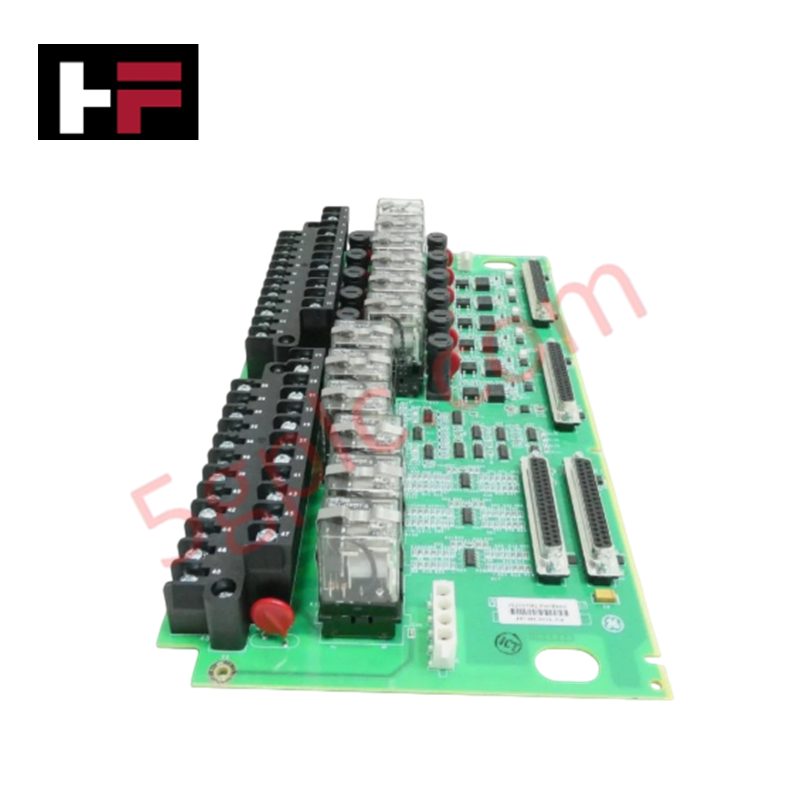
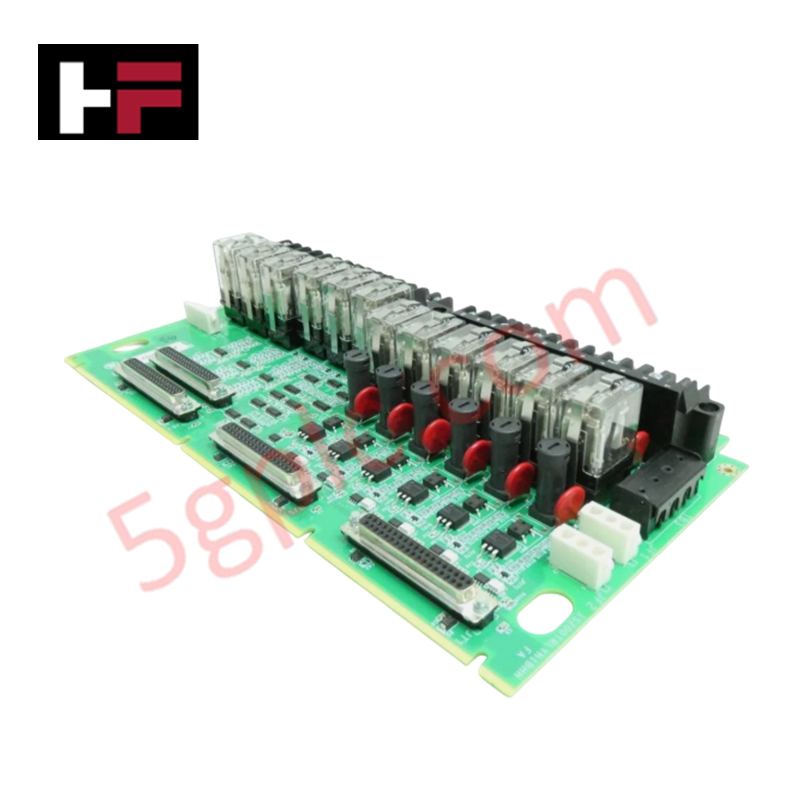
The GE IS200TRLYH1B functions as a high-density Relay Output Terminal Board within the General Electric Mark VIe control platform. This board facilitates the switching of high-current field devices by providing a robust interface between the control logic and external actuators. We supply this component as 100% Brand New and Original, ensuring your turbine control system utilizes authentic, USA-manufactured hardware. By offering 16 channels of SPDT relay logic, the IS200TRLYH1B manages complex interlock and sequencing tasks with high-capacity contact ratings.
Technical Specifications
The IS200TRLYH1B utilizes advanced surface-mount technology to provide reliable switching across a wide temperature spectrum.
| Attribute | Technical Specification |
| Manufacturer | General Electric (GE) |
| Series | Mark VIe |
| Board Type | Relay Output Terminal Board |
| Number of Channels | 16 Channels |
| Relay Configuration | SPDT (Single Pole Double Throw) |
| Relay Contact Rating | 10 A |
| Input Voltage Support | 12V / 24V DC |
| Output Resolution | 12-bit |
| Operating Temperature | -30°C to 65°C |
| Dimensions | 17.8 cm (W) x 33.02 cm (H) |
| Mounting | DIN Rail |
Engineering Advantages
-
High-Capacity Switching: Each of the 16 channels features an SPDT relay rated for 10A. This eliminates the need for intermediate slave relays when driving most industrial solenoid valves or motor starters, reducing cabinet wiring complexity.
-
Precision Analog Feedback: The board incorporates 12-bit resolution for its analog output capabilities. This ensures fine-grained control for auxiliary 0-20 mA signals, allowing the terminal board to handle both discrete switching and proportional positioning tasks.
-
Rugged SMT Architecture: The use of Surface Mount Technology (SMT) enhances the board's resistance to mechanical vibration and thermal cycling. This design choice ensures long-term solder joint integrity in the high-vibration environments typical of gas and steam turbine decks.
-
Extreme Environmental Tolerance: The IS200TRLYH1B operates reliably from -30°C to 65°C. This broad range allows for installation in remote IO cabinets located in varied geographic climates without requiring dedicated HVAC support.
-
Streamlined DIN Rail Installation: The vertical form factor (33.02 cm high) maximizes rail density. Technicians can mount multiple boards side-by-side to scale I/O capacity rapidly while maintaining clear access to terminal blocks for wiring.
FAQs
-
Can the IS200TRLYH1B replace an earlier "H1A" revision?
Yes. The "H1B" suffix denotes an improved hardware revision. It maintains full electrical and physical backward compatibility with the "H1A" model, allowing for a seamless swap-out during maintenance windows.
-
Does this board support both 12V and 24V inputs?
The IS200TRLYH1B accepts both 12V and 24V input ranges. You must ensure the jumper settings or I/O pack configuration matches the local power supply to ensure proper relay coil excitation.
-
What is the advantage of SPDT relays over SPST?
The SPDT (Single Pole Double Throw) configuration provides both Normally Open (NO) and Normally Closed (NC) contacts. This versatility allows you to design fail-safe logic for critical turbine interlocks.
-
How do I verify this is a Brand New unit?
We ship every IS200TRLYH1B in its original factory packaging with a verifiable GE serial number and "Country of Origin: USA" marking, ensuring the part has never been installed or refurbished.
Additional Information
- 100% Genuine Parts: All products are original and authentic, ensuring reliable industrial performance.
- 30-Day Refund Guarantee: Return any in-stock item within 30 days in original, unopened packaging for a full refund (excluding shipping and fees).
- 12-Month Warranty: Covers defects in materials or workmanship; excludes misuse, normal wear, or unauthorized modifications.
- Worldwide Shipping: We ship via USPS, UPS, FedEx, and DHL. Delivery times vary by country and may be subject to customs or import fees.
- Support & Contact: Technical and warranty assistance is available anytime. Contact us here: Contact.
- Purchase Guidance: Check product specifications and compatibility carefully before ordering to ensure proper application.


Tech & Buying Guide
Demystifying Programmable Logic Controllers: Comprehensive Guide to PLC Classification and Selection in Industrial Automation
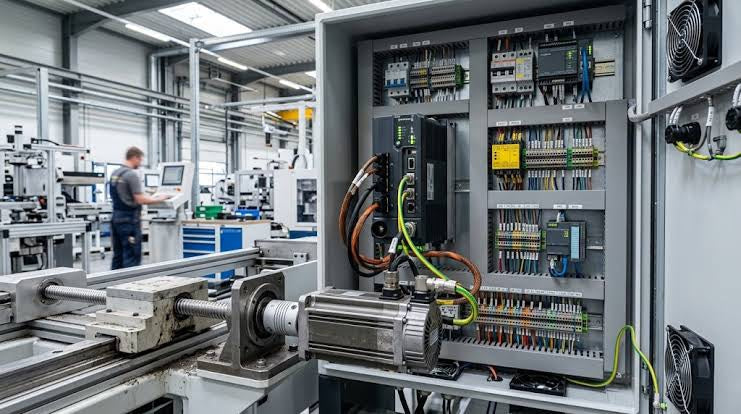
Modern industrial automation heavily relies on Programmable Logic Controllers (PLCs) to drive factory floor efficiency. Over my 15 years as an industrial automation expert working with DCS, TSI, and control systems, I have seen PLCs evolve into the central nervous system of modern manufacturing. Selecting the right controller requires a deep understanding of PLC types based on physical size, hardware architecture, and power supply configurations.

Comprehensive Guide to PLC Types in Modern Industrial Automation
Modern industrial automation relies on programmable logic controllers to govern critical factory operations. System integrators classify PLCs based on scale, hardware architecture, and power supply design. Understanding these core categories enables automation engineers to select the right control system architecture. Consequently, proper hardware selection optimizes performance while minimizing long-term operational costs.

Demystifying the DDE Protocol in Legacy Industrial Automation Systems
Modern control systems rely heavily on seamless interprocess communication to exchange operational data between software programs. Microsoft first introduced the Dynamic Data Exchange (DDE) protocol in 1987 to enable real-time data sharing. In factory automation, DDE served as an early bridge between control software and Windows desktop applications. Therefore, understanding DDE mechanics provides crucial insights into how legacy industrial networks established software-level connectivity.