










Product Details
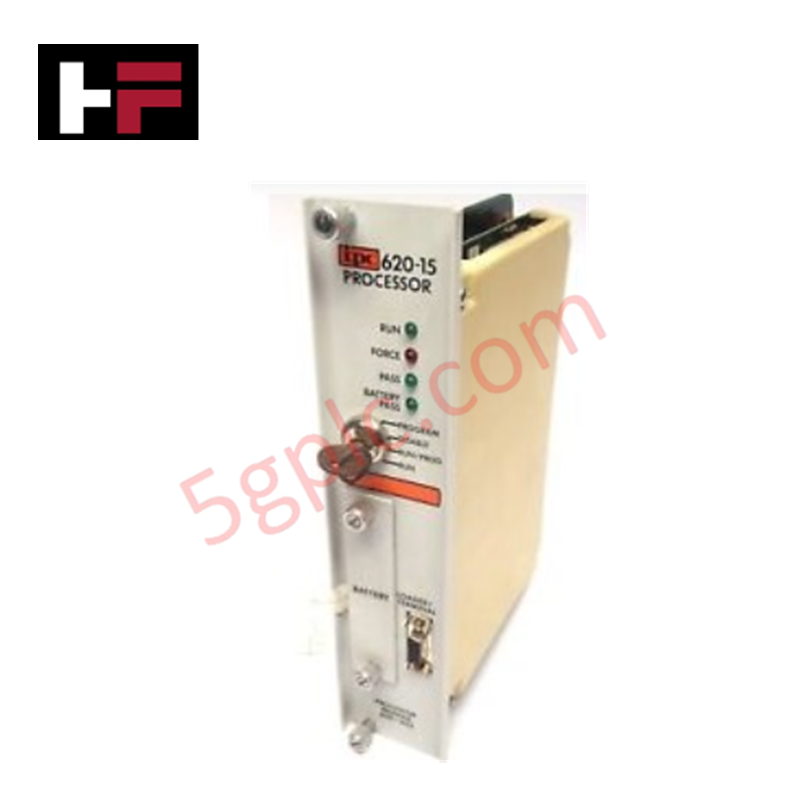
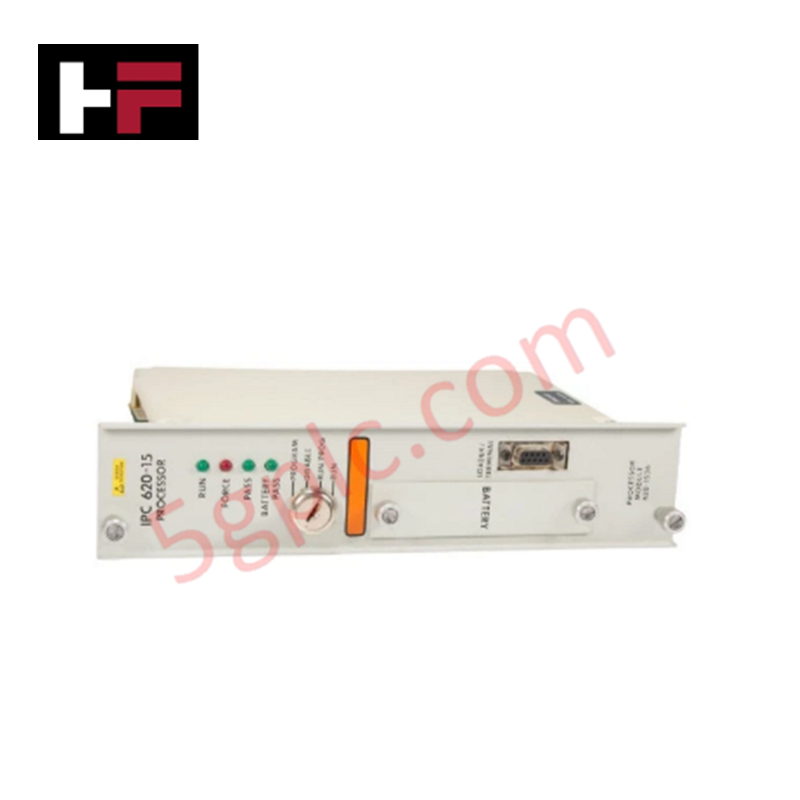
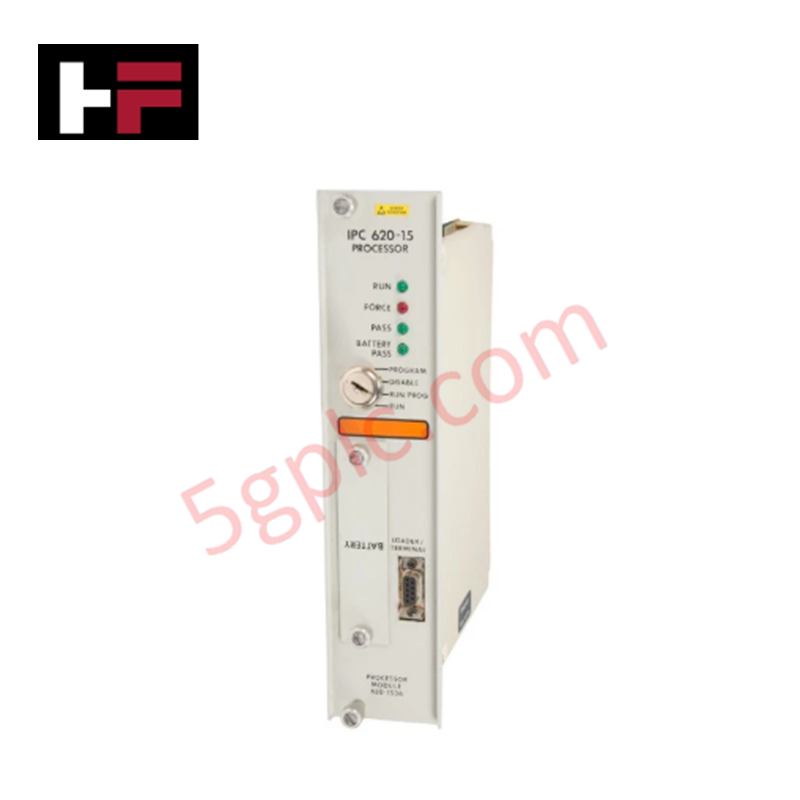
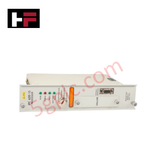
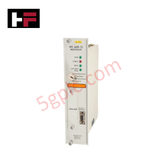
The Honeywell 620-1536, also cataloged as the 620-15 Processor Module, operates as a dedicated hardware component for programmable logic execution and communication routing within Honeywell IPC 620 rack platforms. It executes user logic scans, drives local backplane data exchange, and communicates via a 9-pin Sub-D connector interface with diagnostic status displayed through front-panel LEDs.
Hardware Specifications
| Parameter | Specification |
|---|---|
| Model | 620-1536 |
| Brand | Honeywell |
| Origin | USA |
| Weight | 1.18 kg (2.60 lbs) |
| Dimensions | Standard IPC 620 Chassis Slot |
| Operating Temp | 0 deg C to 60 deg C |
| Power Consumption | 12 W (Internal Backplane Bus) |
| Diagnostic Display | Front Panel Status LEDs |
| Communication Interface | 9-pin Sub-D Serial Port |
| System Compatibility | Honeywell IPC 620 System |
Channel-to-Channel Isolation and Loop Protocol Response
The Honeywell 620-1536 processor module utilizes internal optocouplers to maintain galvanic isolation between primary processing logic and external serial communication lines. This isolation suppresses common-mode ground loops and protects internal registers during serial data transfers over 4-20 mA HART loops and networked field instrumentation adapters. The module continuously executes parity checking and loop verification protocols to ensure reliable data throughput across connected control segments.
Frequently Asked Questions
Q: Can the 620-1536 processor module be hot-swapped while the rack backplane is energized?
A: No. Primary rack power must be completely shut down prior to installing or removing the module to prevent electrical transients and data corruption on the backplane bus.
Q: What is the primary function of the front-panel status LEDs?
A: The LEDs provide direct hardware diagnostics, indicating CPU operational state, logic execution status, memory integrity, and serial communication activity on the 9-pin Sub-D port.
Field Installation Guidelines
- Turn off all main power sources to the IPC 620 chassis before inserting the processor module into its slot.
- Align the module circuit board with the chassis card guides and slide it in until the rear pin header seats completely into the backplane.
- Tighten the top and bottom panel securing screws to establish a firm chassis ground connection.
- Attach the 9-pin Sub-D communication cable and secure its strain-relief thumbscrews.
- Ensure signal and communication cabling is routed away from high-voltage AC lines to prevent noise coupling.
Additional Information
- 100% Genuine Parts: All products are original and authentic, ensuring reliable industrial performance.
- 30-Day Refund Guarantee: Return any in-stock item within 30 days in original, unopened packaging for a full refund (excluding shipping and fees).
- 12-Month Warranty: Covers defects in materials or workmanship; excludes misuse, normal wear, or unauthorized modifications.
- Worldwide Shipping: We ship via USPS, UPS, FedEx, and DHL. Delivery times vary by country and may be subject to customs or import fees.
- Support & Contact: Technical and warranty assistance is available anytime. Contact us here: Contact.
- Purchase Guidance: Check product specifications and compatibility carefully before ordering to ensure proper application.




Tech & Buying Guide

Step-by-Step System Cabinet Health Check Guide for PLC and DCS Infrastructure

Top 5 Operational Advantages of HMIs in Modern Factory Automation
