












Product Details
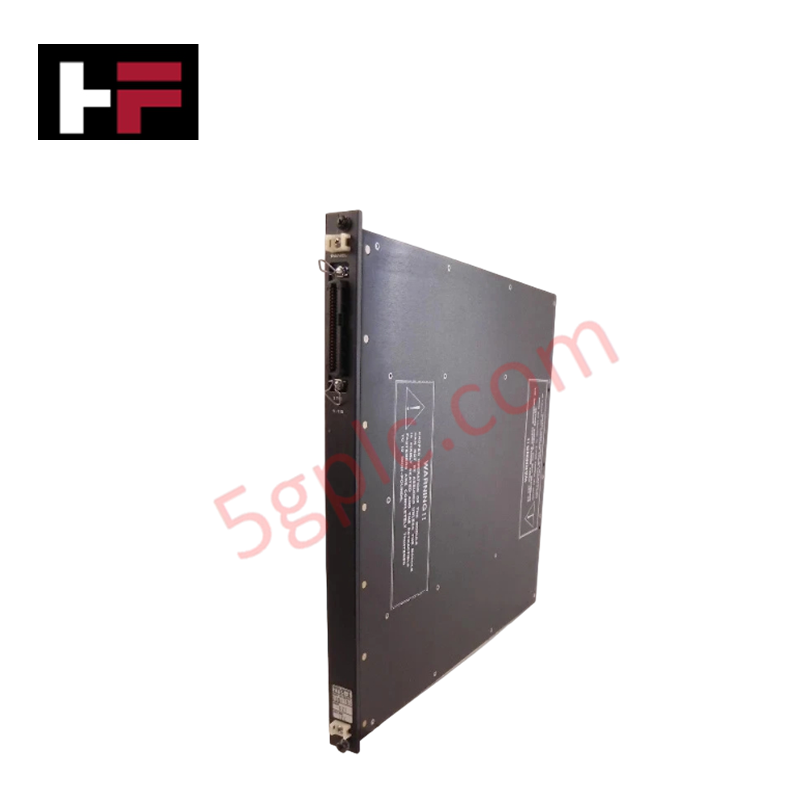
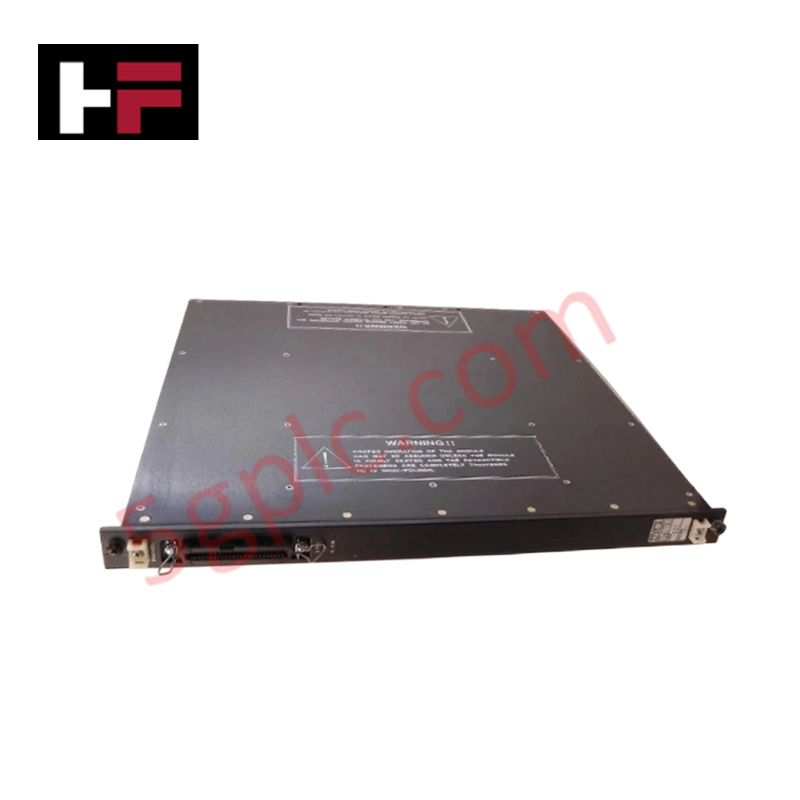
The Honeywell FS-SICC-0001/L10, also cataloged as the FS-SICC-0001 System Interconnection Cable, operates as a dedicated hardware component for high-integrity inter-rack signal routing and subsystem communication within Honeywell Safety Manager platforms.
Hardware Specifications
| Parameter | Specification |
|---|---|
| Model | FS-SICC-0001/L10 |
| Brand | Honeywell |
| Origin | USA |
| Weight | 0.5 kg |
| Dimensions | 15.1 cm x 5.0 cm x 10.0 cm |
| Operating Temp | -20 to +60 deg C |
| Power Consumption | Passive interconnect assembly |
| Cable Type | System Interconnection Cable |
| Cable Length | 10 m (indicated by /L10 suffix) |
| System Compatibility | Honeywell Safety Manager |
Process Control & DCS Signal Interconnection Characteristics
The FS-SICC-0001/L10 assembly incorporates channel-to-channel isolation principles to maintain signal integrity across rack boundaries. Designed for safety instrumented loops, the cable shielding suppresses high-frequency noise and prevents ground loops between local controller racks and remote field termination assemblies (FTAs). The physical conductor path supports unaltered transmission of discrete safety telemetry and 4-20 mA HART loop protocol signals without introducing capacitive line distortion.
Frequently Asked Questions
Q: Can the FS-SICC-0001/L10 cable be disconnected or swapped while the Safety Manager system is powered?
A: Physical disconnection during active backplane execution must be limited to redundant communication setups; removing an active single-channel interconnect cable will disrupt field signal routing to the controller.
Q: What grounding procedure prevents noise pickup along the cable path?
A: The cable shield drain wire must connect to the cabinet earth bus at a single point, preventing circulating ground currents from interfering with low-level analog signals.
Field Installation Guidelines
- Routing and Mechanical Bend Radius: Route the cable assembly through dedicated low-voltage wire ducts. Maintain a minimum static bend radius of 50 mm to avoid strain on internal conductors and shielding.
- Connector Latching: Align the male and female connector pins precisely with the backplane or FTA header. Secure all thumbscrews or locking latches to maintain vibration-proof contact resistance.
- Shield Connection: Terminate shield drain wires to the main cabinet ground bar using low-impedance grounding clamps.
- Separation Distance: Maintain a physical separation of at least 30 cm between the system interconnection cable and high-voltage AC power wiring inside the cabinet.
Additional Information
- 100% Genuine Parts: All products are original and authentic, ensuring reliable industrial performance.
- 30-Day Refund Guarantee: Return any in-stock item within 30 days in original, unopened packaging for a full refund (excluding shipping and fees).
- 12-Month Warranty: Covers defects in materials or workmanship; excludes misuse, normal wear, or unauthorized modifications.
- Worldwide Shipping: We ship via USPS, UPS, FedEx, and DHL. Delivery times vary by country and may be subject to customs or import fees.
- Support & Contact: Technical and warranty assistance is available anytime. Contact us here: Contact.
- Purchase Guidance: Check product specifications and compatibility carefully before ordering to ensure proper application.


Tech & Buying Guide

Why Programmable Logic Controllers Drop into Stop Mode: An Expert Analysis
Industrial automation systems rely heavily on Programmable Logic Controllers (PLCs) to maintain uninterrupted production. When a PLC unexpectedly shifts from Run to Stop mode, whole manufacturing lines stall.
As control systems evolve across modern factory automation, understanding the root causes of these interruptions helps engineers minimize costly downtime. This technical guide breaks down why PLCs trip into Stop mode and provides practical strategies to mitigate system faults.

Understanding Root Causes of Unplanned PLC Stop Mode in Industrial Automation
Modern Programmable Logic Controllers manage execution through distinct operational states: Run, Stop, Start-Up, and Hold. During power-up, a controller initializes memory registers within Stop mode before briefly transitioning to Start-Up mode. During this phase, internal self-diagnostics evaluate system integrity across hardware and user programs. If the controller detects no critical faults, it enters Run mode to execute the control program continuously. However, any severe system anomaly forces the CPU back into Stop mode immediately to prevent erratic machine behavior across the plant floor.

Human-Machine Interface Design: Essential Guide to HMI Selection, Visualization, and Control System Integration
Human-Machine Interfaces (HMIs) serve as the primary operational window into complex industrial automation systems. Modern HMIs convert raw machine data into clear graphical displays, enabling operators to oversee entire manufacturing processes in real time. Instead of relying on physical control panels full of hardwired switches, engineers program interactive screens using intuitive graphics, dynamic color coding, and responsive touch interfaces. Over my 15 years in control systems engineering, I have observed HMIs transform from basic display screens into sophisticated command centers that drive operational efficiency across DCS and PLC environments.