












Product Details
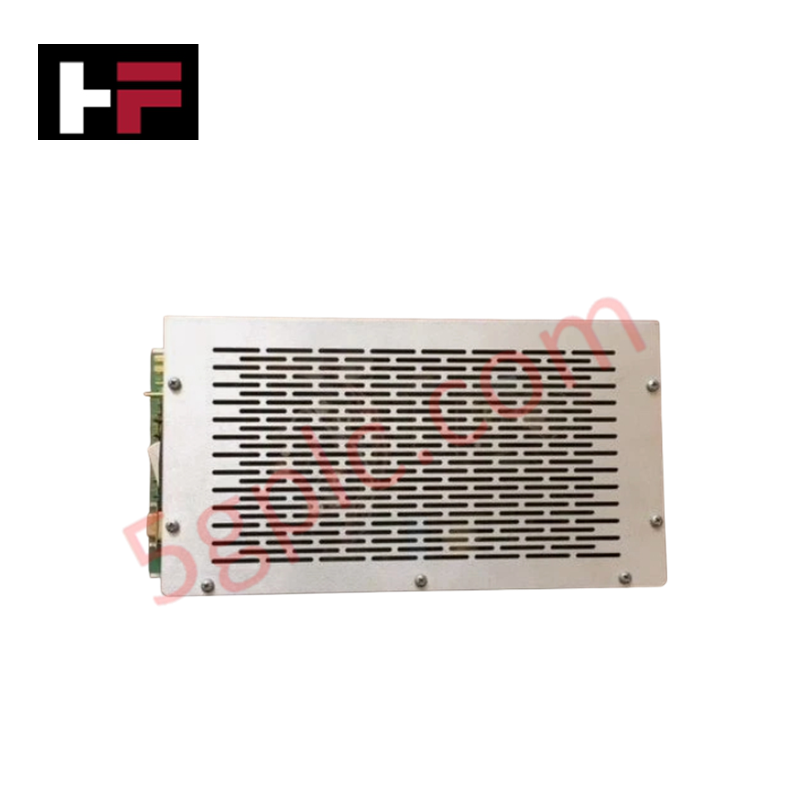
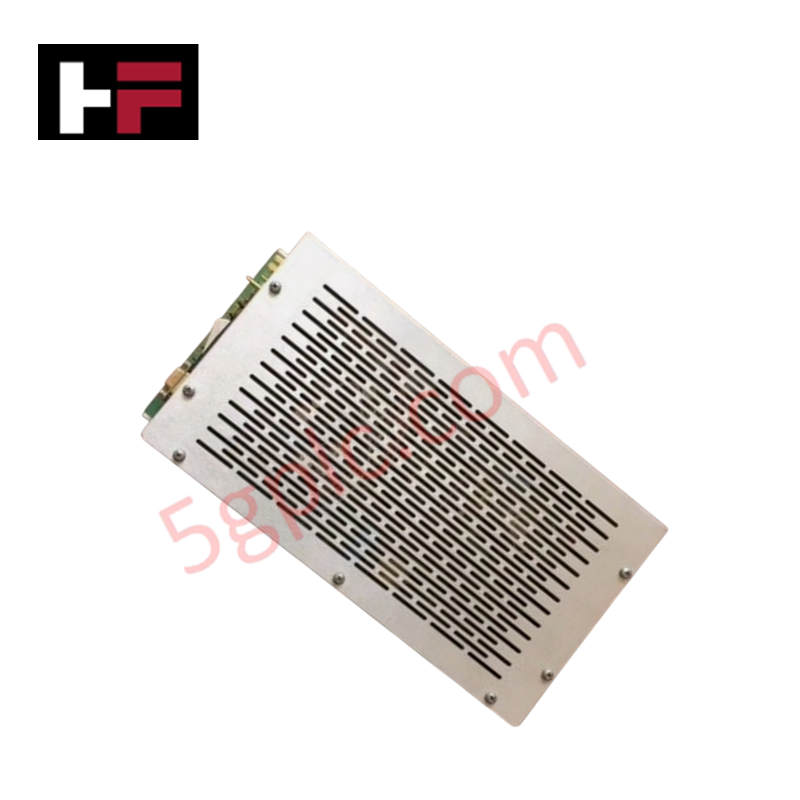
Configured for ultraviolet flame detection and burner operation monitoring within industrial combustion systems, the Honeywell C7012E1104 (C7012E1104 Solid-State Ultraviolet Flame Detector) provides direct physical/electrical execution. It detects ultraviolet radiation emitted by combustion flames via a quartz-window UV tube and converts optical radiation into electrical supervisory signals.
Suffix Breakdown & Model Matrix
- C7012E1104: Base catalog designation for the Purple Pewter series solid-state ultraviolet flame detector.
- Voltage and Shutter Variant: Denotes 120 Vac operation with an integrated oscillating self-check shutter mechanism for continuous sensor validation.
Hardware Specifications
| Parameter | Specification |
|---|---|
| Model | C7012E1104 |
| Brand | Honeywell |
| Operating Temp | -40 deg C to +60 deg C (-40°F to +140°F) |
| Power Consumption | 7.0 W |
| Voltage Rating | 120 Vac (50 Hz / 60 Hz) |
| Sensor Element | UV tube with quartz window |
| Mounting | 3/4 inch NPT |
Channel-to-Channel Isolation and Loop Protocol
The architecture of the Honeywell C7012E1104 incorporates rigid channel-to-channel isolation and supports standard 4-20 mA HART loop protocol integration pathways where applicable within burner management control logic. By maintaining electrical separation between high-voltage power inputs and sensitive UV signal conditioning circuits, the detector prevents common-mode noise propagation. Furthermore, cold junction compensation and internal self-check shutter modulation ensure reliable flame discrimination and signal verification across continuous burner cycles.
Frequently Asked Questions
Q: What is the primary function of the oscillating shutter mechanism in the Honeywell C7012E1104?
A: The oscillating shutter periodically blocks the UV radiation path to allow the internal circuitry to test the responsiveness of the UV tube and self-checking components without shutting down the burner.
Q: Can this flame detector be hot-swapped while the burner management system is energized?
A: Live electrical maintenance on 120 Vac burner management sensors presents severe shock and combustion safety hazards. System power and fuel valves must be isolated prior to physical removal or wiring adjustments.
Q: How does the detector maintain signal integrity against high-temperature and electrical interference?
A: The unit utilizes a quartz-window sensor housing rated up to +60 deg C operating temperature, combined with shielded six-lead NEC Class 1 wiring to reject induced electromagnetic noise.
Field Installation Guidelines
- Thread Engagement: Ensure standard 3/4 inch NPT threaded mounting is secured with proper thread engagement (typically 5 full threads) to maintain mechanical stability and flame-path integrity.
- Wiring Separation: Route the six NEC Class 1 color-coded lead wires away from high-voltage ignition transformer cables to eliminate induced high-frequency electrical interference.
- Optical Alignment: Align the detector sighting path directly toward the primary combustion zone of the burner flame, ensuring the quartz window remains clean and free of soot obstruction.
- Grounding Compliance: Connect shield drains and grounding leads to the designated burner cabinet earth ground to maintain noise immunity and NEMA 4 enclosure protection.
Additional Information
- 100% Genuine Parts: All products are original and authentic, ensuring reliable industrial performance.
- 30-Day Refund Guarantee: Return any in-stock item within 30 days in original, unopened packaging for a full refund (excluding shipping and fees).
- 12-Month Warranty: Covers defects in materials or workmanship; excludes misuse, normal wear, or unauthorized modifications.
- Worldwide Shipping: We ship via USPS, UPS, FedEx, and DHL. Delivery times vary by country and may be subject to customs or import fees.
- Support & Contact: Technical and warranty assistance is available anytime. Contact us here: Contact.
- Purchase Guidance: Check product specifications and compatibility carefully before ordering to ensure proper application.




Tech & Buying Guide

Mastering the Siemens PLC Scan Cycle: How the CPU Executes Automation Programs
Industrial automation relies heavily on programmable logic controllers (PLCs) to manage complex manufacturing processes. Many engineers dive straight into programming without mastering the underlying architecture. However, understanding how a PLC CPU executes a program ensures reliable system design. Therefore, mastering the scan cycle optimizes both performance and troubleshooting in modern control systems.

How to Connect to Siemens S7 PLCs: 5 Essential Communication Methods
Establishing a reliable hardware link between a programming terminal and a Siemens SIMATIC controller is essential for engineering workflows. Field engineers rely on distinct physical layers, ranging from legacy serial connections to high-speed Industrial Ethernet protocols. Modern factory automation environments prioritize fast data transfer and seamless driver integration. Selecting the correct connection method simplifies program downloads, online monitoring, and system troubleshooting in complex control systems.

Will PLCs Become Obsolete? The Future of Control Systems in Industry 4.0
Modern manufacturing is undergoing a rapid technological transformation driven by Industry 4.0 innovations. Technologies like Artificial Intelligence (AI), Machine Learning (ML), and the Industrial Internet of Things (IIoT) are dominating discussions across the factory automation sector. Consequently, many engineers wonder if these advanced digital tools will eventually replace traditional Programmable Logic Controllers (PLCs). However, evaluating the core physics of industrial operations reveals a very different reality for control systems.