












Product Details
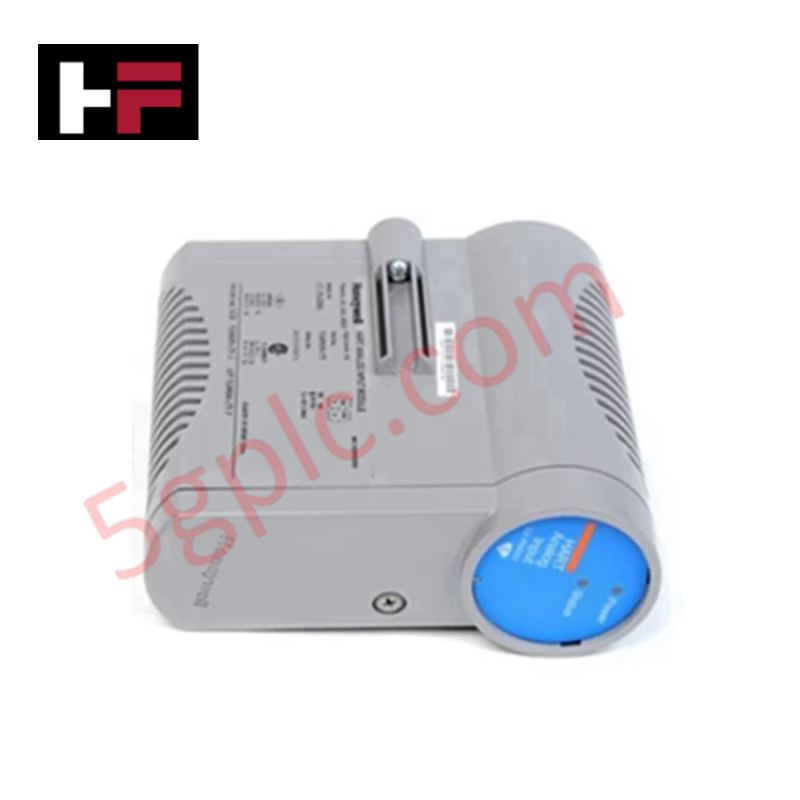
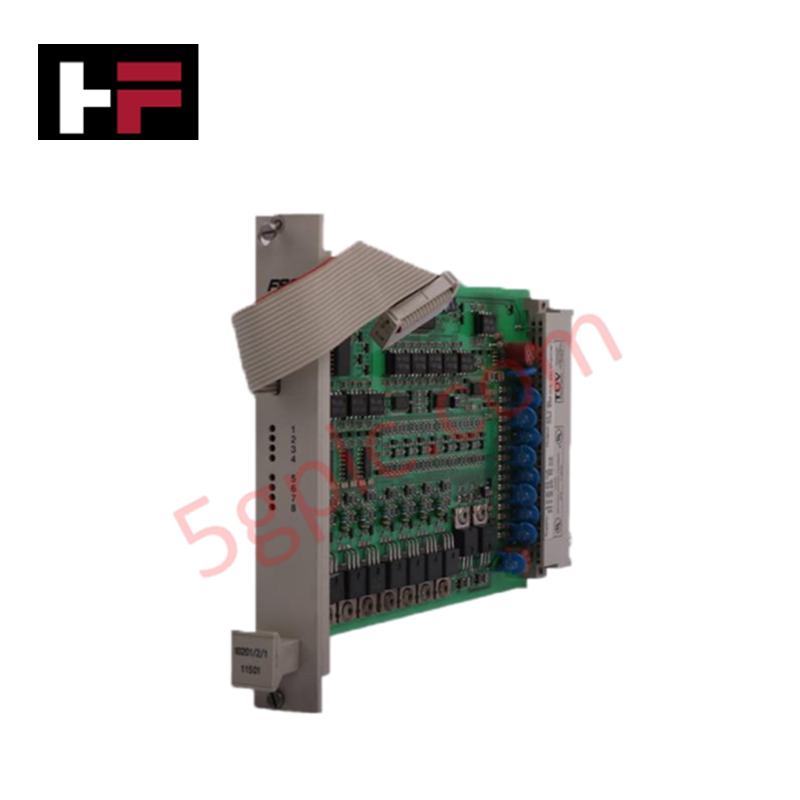
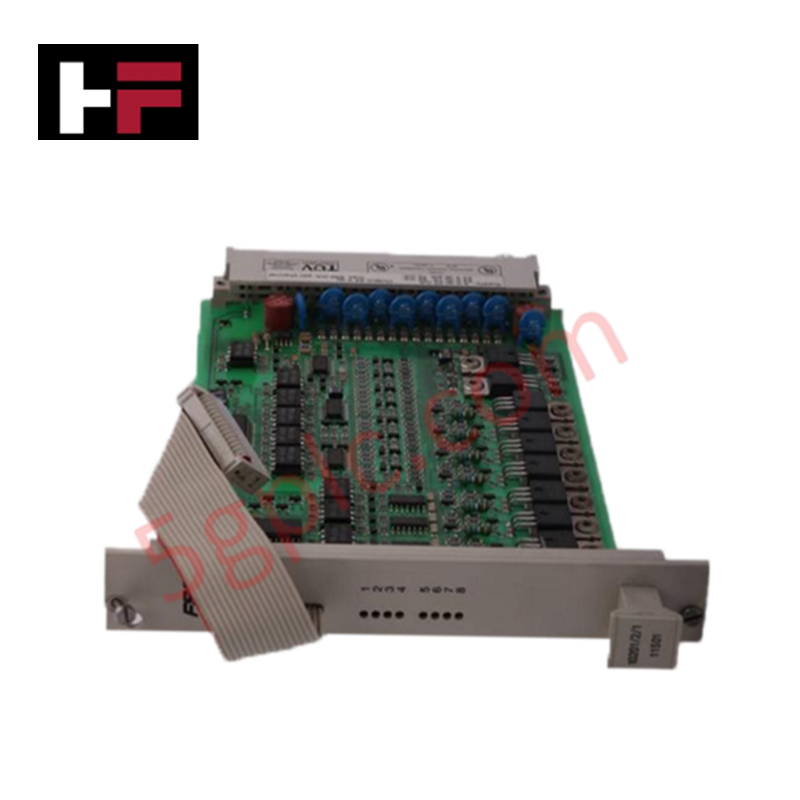
The Honeywell 8U-PAIMA1, also cataloged as the 8U-PAIMA1 Analog Input Modules, operates as a dedicated hardware component for low-level signal acquisition within Honeywell Series 8 platforms.
Hardware Specifications
| Parameter | Specification |
|---|---|
| Model | 8U-PAIMA1 |
| Brand | Honeywell |
| Origin | USA |
| Operating Temp | 0 deg C to 60 deg C |
| Power Consumption | 120 mA at 24 VDC |
| Channels | 16 (Fully Isolated) |
| Input Types | Thermocouple, RTD, Millivolt |
| Scan Rate | 1 second (fixed) |
| Input Impedance | 1 Megaohm (DC) |
| CMRR | 120 dB minimum |
| NMRR | 60 dB minimum |
4-20 mA HART Loop Protocol and Cold Junction Compensation
The module executes precise low-level voltage and resistance conversion across 16 isolated channels, interfacing with thermocouples, RTDs, and millivolt sources. Channel-to-channel, channel-to-IOL, and channel-to-power electrical isolation prevent ground potential loops and attenuate electrical noise. Integrated cold junction compensation (CJC) maintains signal conversion accuracy across temperature variations, while selectable 50 Hz or 60 Hz line frequency rejection filter networks stabilize input processing.
Frequently Asked Questions
Q: What types of RTDs does the 8U-PAIMA1 support?
A: The module supports Pt100 (DIN 4376 and JIS C 1604), Ni120 ohm, Cu10 ohm, and Cu50 ohm temperature sensors.
Q: How is operating power supplied to the 8U-PAIMA1 module?
A: The hardware operates on a 24 VDC supply delivered directly through the Series 8 I/O carrier backplane, drawing 120 mA current.
Q: Is conformal coating provided on the standard 8U-PAIMA1 hardware assembly?
A: No, the 8U-PAIMA1 base catalog designation specifies an uncoated module assembly.
Field Installation Guidelines
- Ensure the I/O carrier power supply is isolated or follow under-power insertion procedures to prevent backplane bus transients.
- Align the module with the assigned Series 8 rack carrier slot and press firmly until the mechanical locking latch seats completely.
- Utilize shielded twisted-pair cabling for all low-level thermocouple, RTD, and millivolt input runs to mitigate EMI/RFI interference.
- Connect overall cable shields to designated cabinet earth grounding bars to prevent floating potentials.
- Maintain adequate cabinet ventilation to keep the local operating temperature within the rated 0 deg C to 60 deg C range.
Additional Information
- 100% Genuine Parts: All products are original and authentic, ensuring reliable industrial performance.
- 30-Day Refund Guarantee: Return any in-stock item within 30 days in original, unopened packaging for a full refund (excluding shipping and fees).
- 12-Month Warranty: Covers defects in materials or workmanship; excludes misuse, normal wear, or unauthorized modifications.
- Worldwide Shipping: We ship via USPS, UPS, FedEx, and DHL. Delivery times vary by country and may be subject to customs or import fees.
- Support & Contact: Technical and warranty assistance is available anytime. Contact us here: Contact.
- Purchase Guidance: Check product specifications and compatibility carefully before ordering to ensure proper application.




Tech & Buying Guide
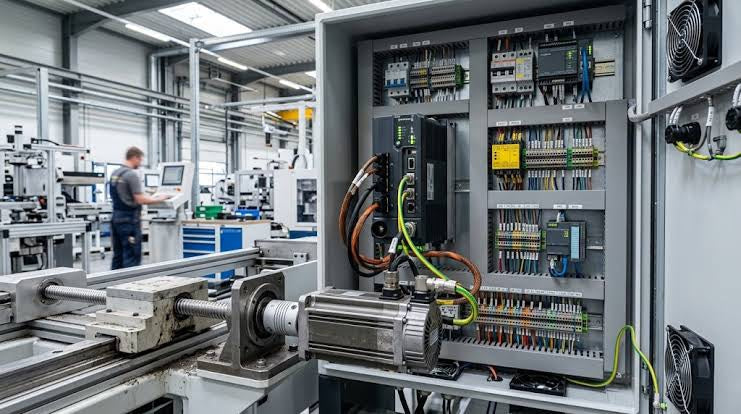
Demystifying Programmable Logic Controllers: Comprehensive Guide to PLC Classification and Selection in Industrial Automation
Modern industrial automation heavily relies on Programmable Logic Controllers (PLCs) to drive factory floor efficiency. Over my 15 years as an industrial automation expert working with DCS, TSI, and control systems, I have seen PLCs evolve into the central nervous system of modern manufacturing. Selecting the right controller requires a deep understanding of PLC types based on physical size, hardware architecture, and power supply configurations.
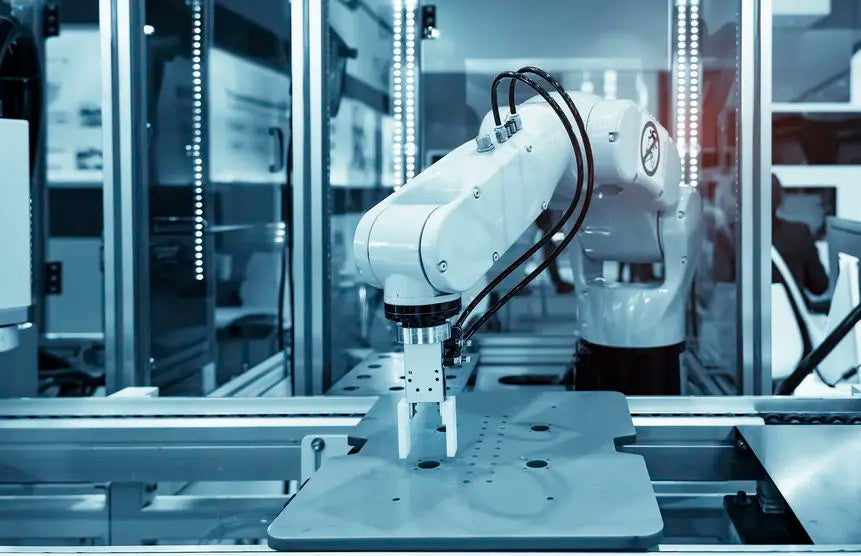
Comprehensive Guide to PLC Types in Modern Industrial Automation
Modern industrial automation relies on programmable logic controllers to govern critical factory operations. System integrators classify PLCs based on scale, hardware architecture, and power supply design. Understanding these core categories enables automation engineers to select the right control system architecture. Consequently, proper hardware selection optimizes performance while minimizing long-term operational costs.

Demystifying the DDE Protocol in Legacy Industrial Automation Systems
Modern control systems rely heavily on seamless interprocess communication to exchange operational data between software programs. Microsoft first introduced the Dynamic Data Exchange (DDE) protocol in 1987 to enable real-time data sharing. In factory automation, DDE served as an early bridge between control software and Windows desktop applications. Therefore, understanding DDE mechanics provides crucial insights into how legacy industrial networks established software-level connectivity.