










Product Details
Product Overview
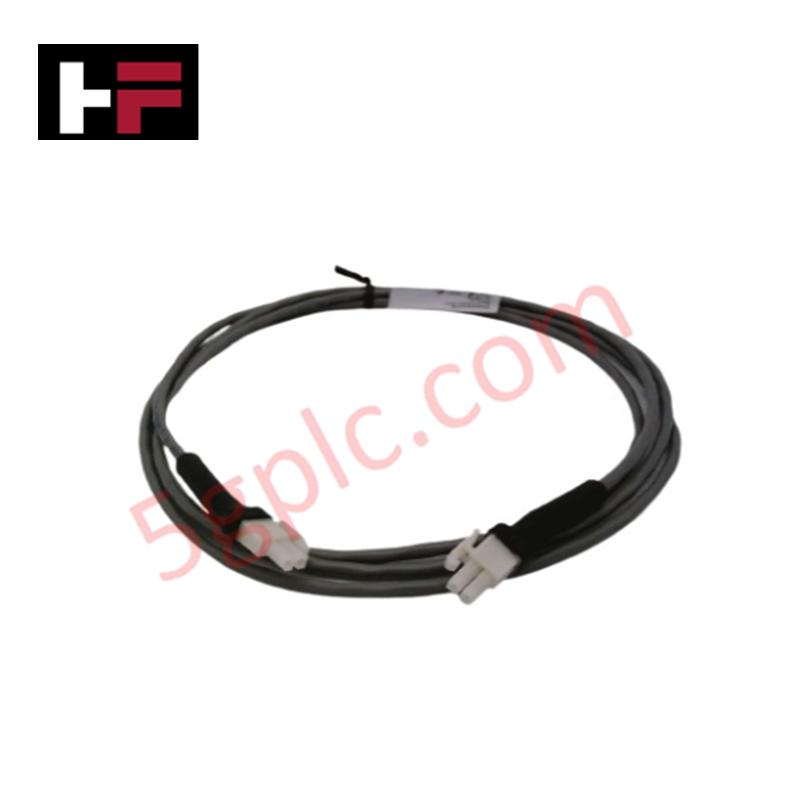
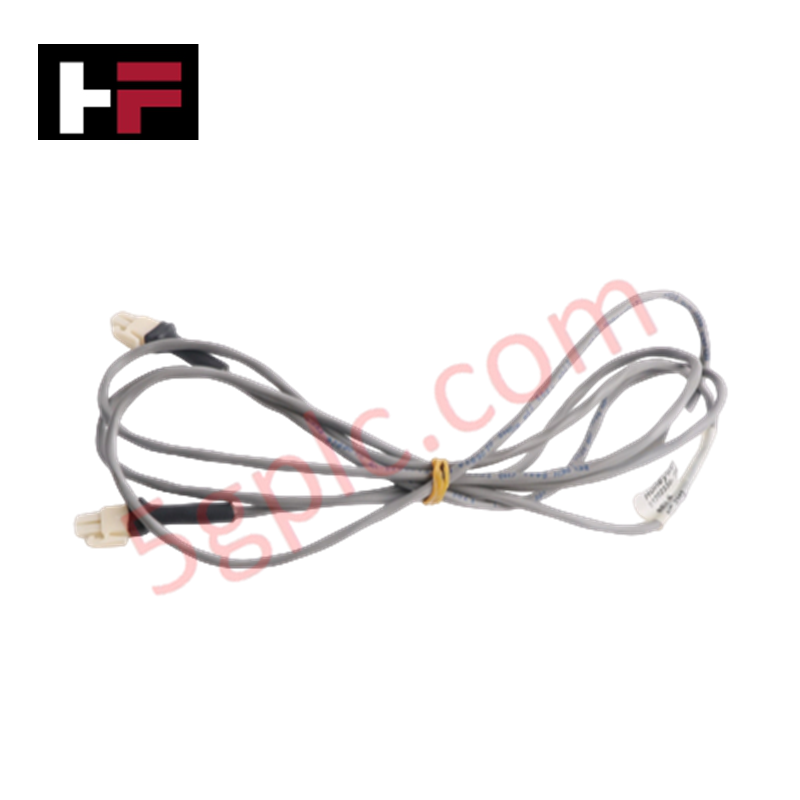
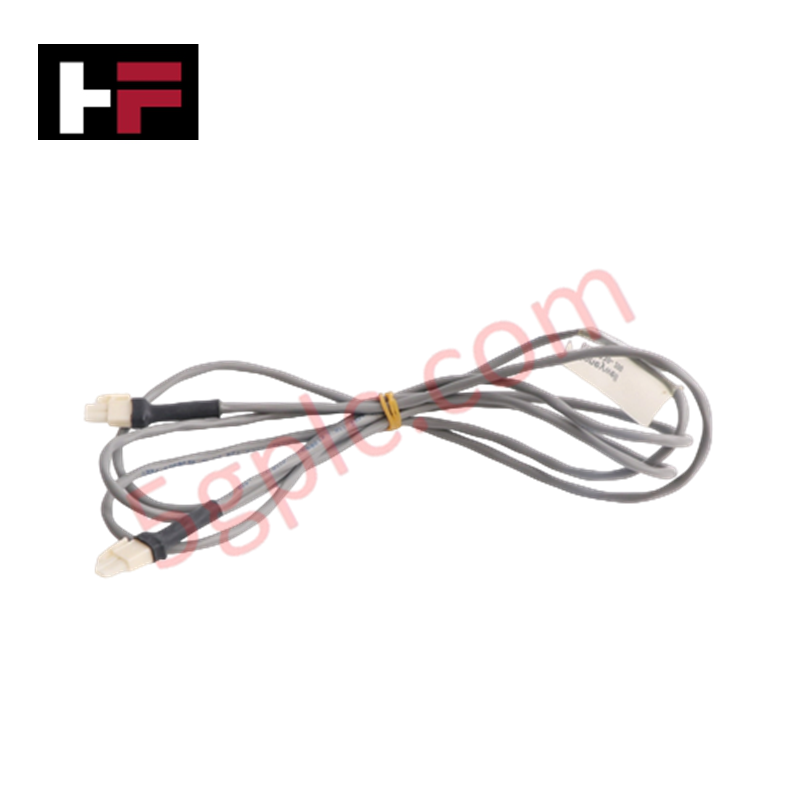
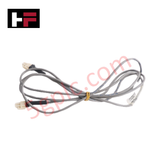
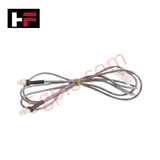
The Honeywell 51202330-200 serves as a critical communication backbone within the TotalPlant Solution (TPS) and TDC 3000 ecosystems. This high-performance I/O Link Cable facilitates seamless data transmission between I/O processors and field termination assemblies. We supply this component as 100% Brand New and Original, ensuring your control system maintains peak deterministic performance without the risks associated with refurbished or third-party alternatives.
Technical Specifications
This cable meets stringent industrial interference standards to prevent signal attenuation in high-density rack environments.
| Feature | Specification |
| Manufacturer | Honeywell |
| Part Number | 51202330-200 |
| Product Type | I/O Link Cable |
| Dimensions | 95 cm x 1.6 cm x 1.8 cm |
| Weight | 0.06 kg |
| Country of Origin | USA |
| Condition | Factory New Original |
| Compatibility | Honeywell TDC 3000 / TPS Systems |
Engineering Advantages
-
Signal Integrity in High-EMI Environments: The 51202330-200 utilizes advanced shielding to block electromagnetic interference. This design ensures that high-speed I/O data remains uncorrupted even when routed near high-voltage power lines or heavy machinery.
-
Precision Form Factor for Dense Racking: The slim 1.6 cm profile allows engineers to manage cable density efficiently within congested control cabinets. This compact footprint simplifies airflow management and reduces heat buildup around critical I/O modules.
-
Plug-and-Play Reliability: Honeywell engineers this cable with ruggedized connectors that provide a secure, vibration-resistant seating. This eliminates intermittent "Link Loss" errors that frequently plague lower-quality aftermarket cables in vibrating industrial settings.
-
Optimized Length for Reduced Latency: At 95 cm, the cable provides the ideal balance between routing flexibility and minimal signal propagation delay, specifically optimized for standard cabinet internal loops.
FAQs
Does this cable support both redundant and non-redundant I/O configurations?
Yes. You can deploy the 51202330-200 in both standard and redundant I/O Link architectures. In redundant setups, it ensures matched impedance across both primary and secondary paths to maintain synchronized data flow.
What are the specific installation requirements for the 51202330-200?
Engineers should respect the minimum bend radius to avoid internal conductor fatigue. Ensure the locking mechanisms on the I/O processor and the FTA (Field Termination Assembly) engage fully to prevent signal dropouts caused by cabinet vibration.
Is this part a direct replacement for older 5120 series link cables?
This specific -200 variant replaces legacy Honeywell link cables within the TDC 3000 series. Always verify your specific system topology and length requirements before hot-swapping cables in a live process environment.
Additional Information
- 100% Genuine Parts: All products are original and authentic, ensuring reliable industrial performance.
- 30-Day Refund Guarantee: Return any in-stock item within 30 days in original, unopened packaging for a full refund (excluding shipping and fees).
- 12-Month Warranty: Covers defects in materials or workmanship; excludes misuse, normal wear, or unauthorized modifications.
- Worldwide Shipping: We ship via USPS, UPS, FedEx, and DHL. Delivery times vary by country and may be subject to customs or import fees.
- Support & Contact: Technical and warranty assistance is available anytime. Contact us here: Contact.
- Purchase Guidance: Check product specifications and compatibility carefully before ordering to ensure proper application.


Tech & Buying Guide
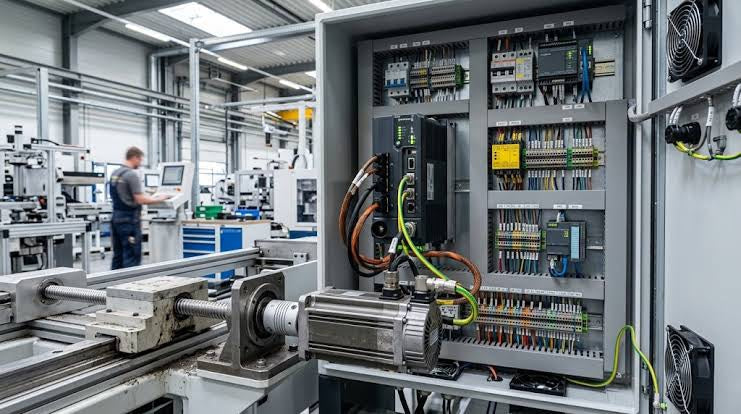
Demystifying Programmable Logic Controllers: Comprehensive Guide to PLC Classification and Selection in Industrial Automation
Modern industrial automation heavily relies on Programmable Logic Controllers (PLCs) to drive factory floor efficiency. Over my 15 years as an industrial automation expert working with DCS, TSI, and control systems, I have seen PLCs evolve into the central nervous system of modern manufacturing. Selecting the right controller requires a deep understanding of PLC types based on physical size, hardware architecture, and power supply configurations.
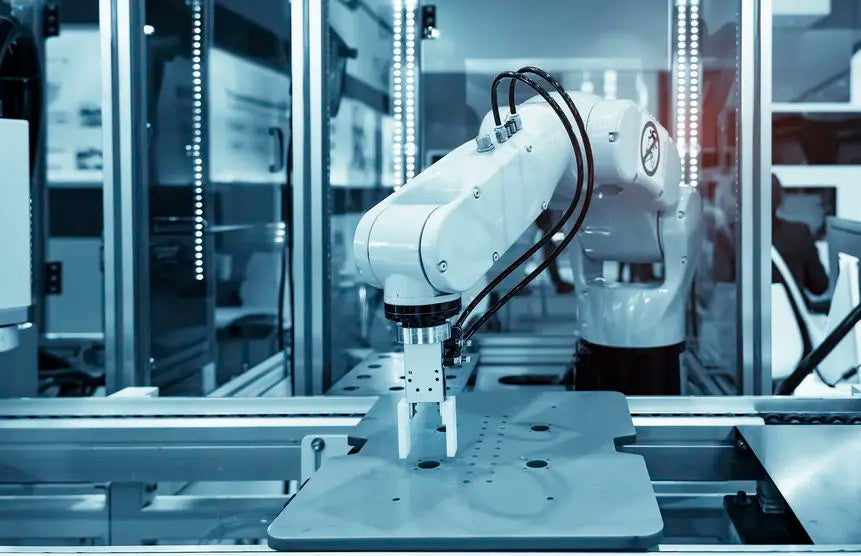
Comprehensive Guide to PLC Types in Modern Industrial Automation
Modern industrial automation relies on programmable logic controllers to govern critical factory operations. System integrators classify PLCs based on scale, hardware architecture, and power supply design. Understanding these core categories enables automation engineers to select the right control system architecture. Consequently, proper hardware selection optimizes performance while minimizing long-term operational costs.

Demystifying the DDE Protocol in Legacy Industrial Automation Systems
Modern control systems rely heavily on seamless interprocess communication to exchange operational data between software programs. Microsoft first introduced the Dynamic Data Exchange (DDE) protocol in 1987 to enable real-time data sharing. In factory automation, DDE served as an early bridge between control software and Windows desktop applications. Therefore, understanding DDE mechanics provides crucial insights into how legacy industrial networks established software-level connectivity.