










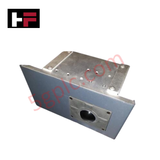
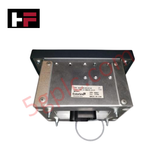
Product Details
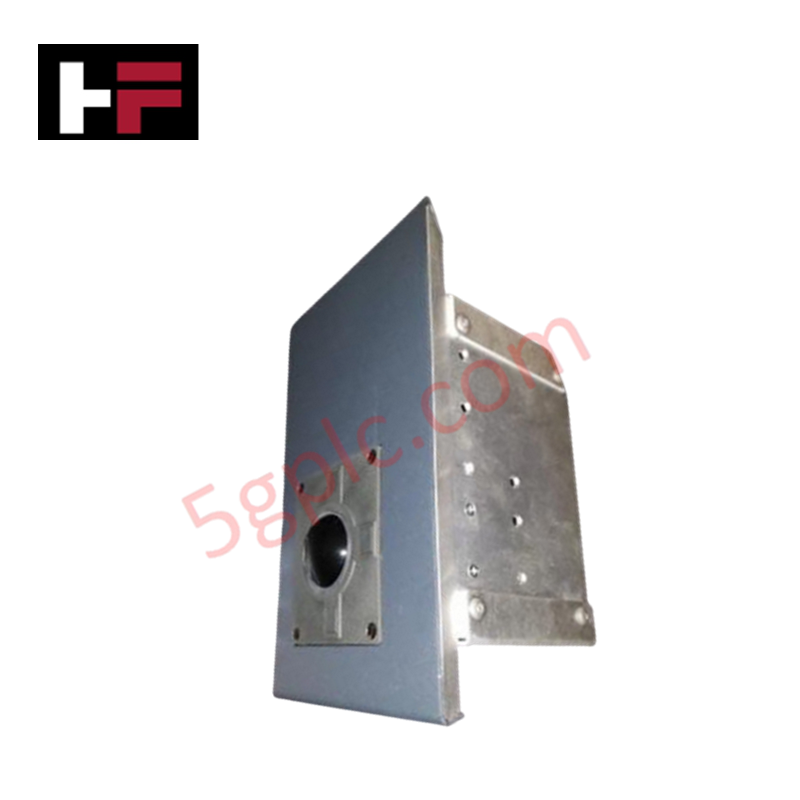
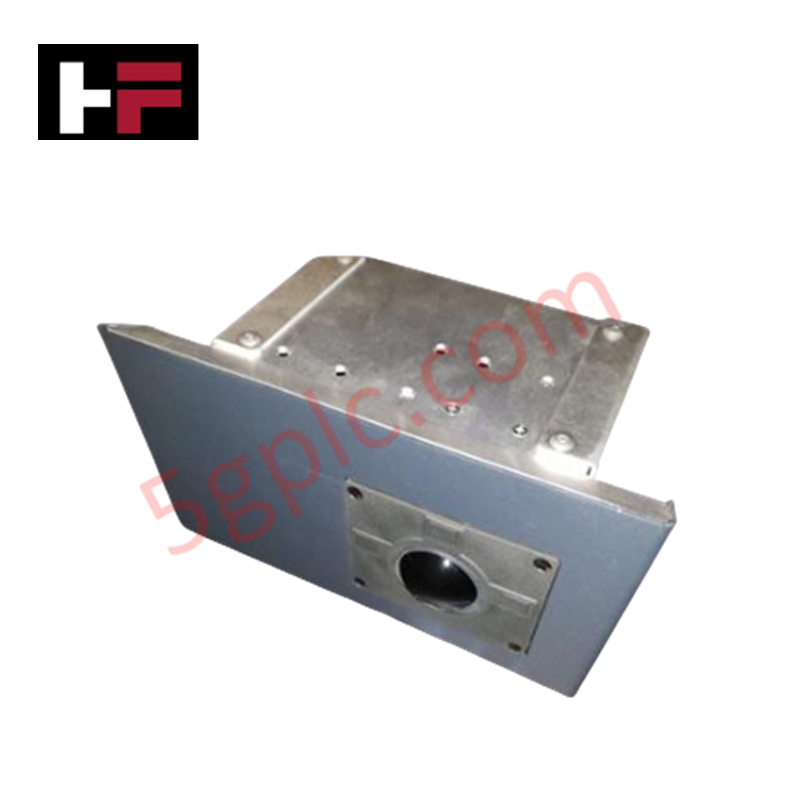
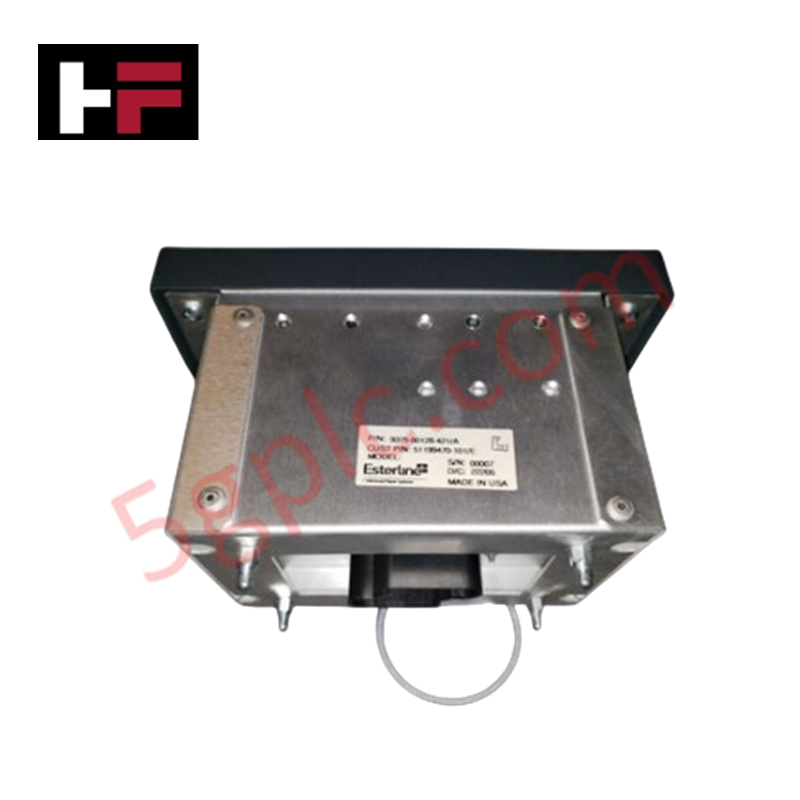
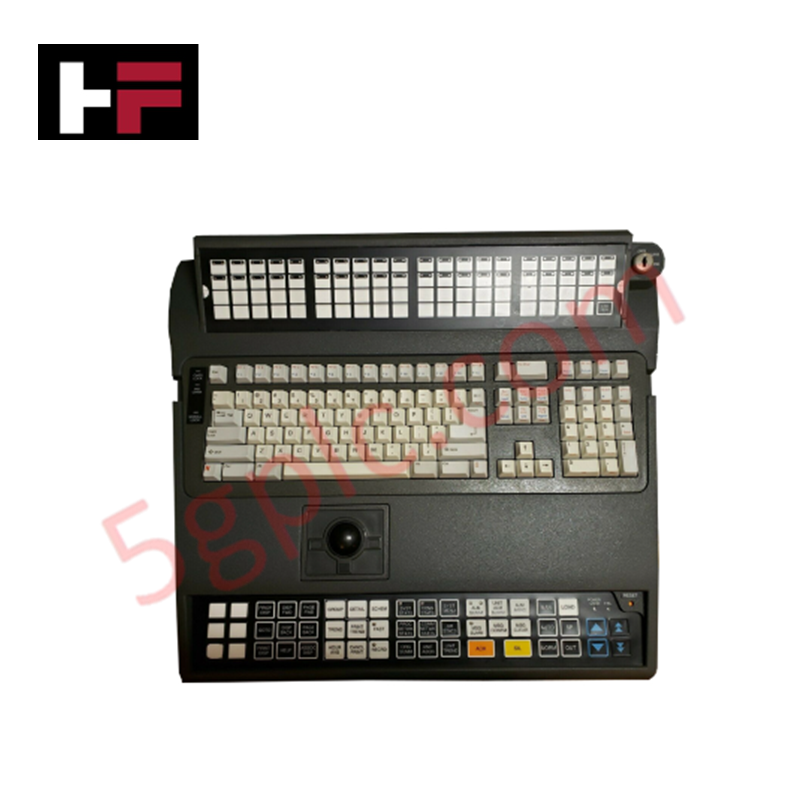
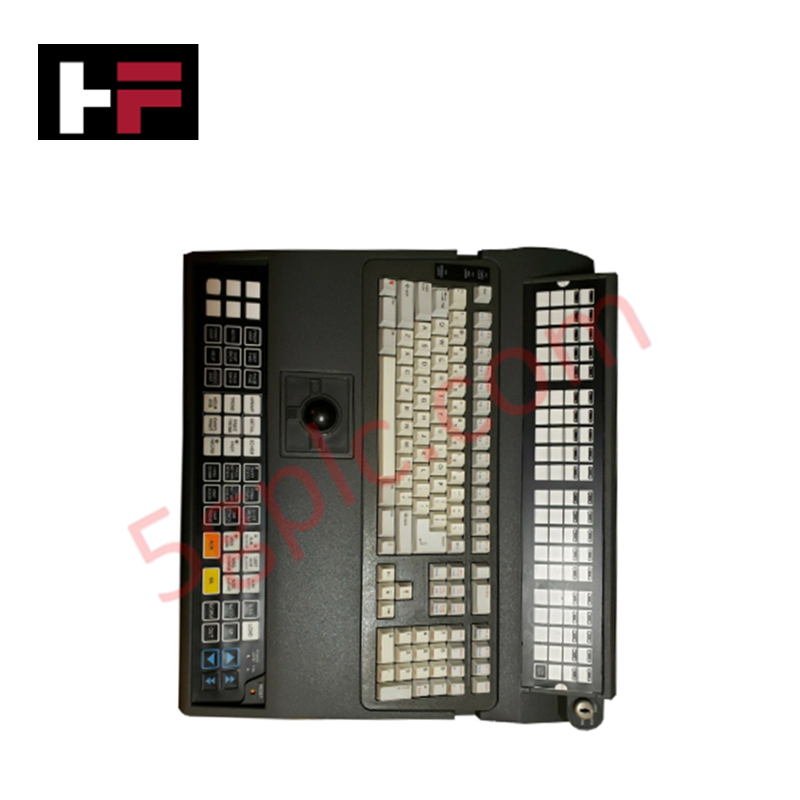
The Honeywell 51199470-101, also cataloged as the MP-ICTB01-100 Trackball Assembly, operates as a dedicated hardware component for operator input position tracking within Honeywell TotalPlant Solution (TPS) and TDC 3000 Operator Station platforms.
Hardware Specifications
| Parameter | Specification |
|---|---|
| Model | 51199470-101 (MP-ICTB01-100) |
| Brand | Honeywell |
| Origin | USA |
| Weight | 0.1 kg |
| Dimensions | 2.2 cm x 12.4 cm x 12.6 cm |
| Operating Temp | 0 deg C to 50 deg C (32 deg F to 122 deg F) |
| Power Consumption | Powered via station console bus interface |
| Component Type | Industrial Trackball Input Assembly |
| System Compatibility | Honeywell TDC 3000 / TPS Universal Workstation |
| Signal Interface | Serial/Console Bus Differential Encoder Data |
| Housing Material | High-Impact Industrial Grade Polymer |
Channel Isolation and DCS Peripheral Interface
The 51199470-101 assembly interfaces directly with operator station interface electronics, utilizing channel-to-channel isolation on data signal routes to eliminate noise coupling into processing nodes. Optical shaft encoders convert mechanical ball rotations into quadrature pulses routed across dedicated console bus circuits. Signal conditioning logic inside the console sub-chassis preserves signal integrity across extended cable runs within control room consoles, protecting low-voltage logic from ground potential variations.
Frequently Asked Questions
Q: Does replacing the 51199470-101 trackball require shutting down the DCS operator node?
A: Node power down is recommended prior to disconnecting internal ribbon cable or bus connections, preventing transient voltage spikes from affecting adjacent station interface boards.
Q: How is positional data transmission protected from electromagnetic interference inside operator consoles?
A: Differential signal routing combined with internal chassis shielding attenuates radiated high-frequency interference generated by adjacent display equipment and power distribution units.
Field Installation Guidelines
- Verify station power supply voltages are de-energized or isolated before servicing internal console panel wiring.
- Ensure the trackball assembly is seated flush in the console cutout to avoid mechanical stress on the PCB mounting points.
- Connect ground continuity straps from the console frame to the trackball metal housing to discharge static build-up.
- Keep signal wiring segregated from high-voltage AC utility distribution cables within the operator console desk.
Additional Information
- 100% Genuine Parts: All products are original and authentic, ensuring reliable industrial performance.
- 30-Day Refund Guarantee: Return any in-stock item within 30 days in original, unopened packaging for a full refund (excluding shipping and fees).
- 12-Month Warranty: Covers defects in materials or workmanship; excludes misuse, normal wear, or unauthorized modifications.
- Worldwide Shipping: We ship via USPS, UPS, FedEx, and DHL. Delivery times vary by country and may be subject to customs or import fees.
- Support & Contact: Technical and warranty assistance is available anytime. Contact us here: Contact.
- Purchase Guidance: Check product specifications and compatibility carefully before ordering to ensure proper application.
Tech & Buying Guide

Industrial Fiber Optic Cables: Principles, Connectors, and Fusion Splicing Techniques
Modern factory automation relies heavily on fiber optic cables for high-speed industrial data transmission. Fiber optic cables transmit light pulses instead of electrical signals, eliminating electromagnetic interference (EMI) risks completely. Each optical strand consists of a high-purity glass core surrounded by a protective cladding layer. The difference in refractive index between core and cladding enables total internal reflection. Protective resin buffers, Kevlar strength members, and rugged outer jackets safeguard delicate glass cores in harsh environments. Consequently, automation engineers prefer fiber backbones for reliable noise-free communication in industrial control systems.

Comprehensive Guide to Instrumentation and Control (I&C) Design Basis
Instrumentation and Control (I&C) Design Basis serves as the foundational technical document for modern plant engineering. Project teams rely on this master specification to govern engineering deliverables across front-end engineering design (FEED) and detailed execution phases. A well-constructed I&C design basis ensures seamless integration among field instrumentation, safety systems, and main control systems. Furthermore, establishing clear technical standards early mitigates execution risks and prevents costly re-engineering during plant commissioning.

The Shift to Flexible IO Modules in Modern Industrial Automation
Traditional control systems rely on dedicated Input Output (IO) cards for industrial automation. Each conventional module processes a single signal type, such as Digital Input (DI), Digital Output (DO), Analog Input (AI), or Analog Output (AO). A standard 16-channel card accepts only one specific channel type across all ports. This inflexible hardware design often creates severe engineering bottlenecks during project execution. Engineers frequently must install entirely new cards to accommodate a single extra sensor. Consequently, late design changes increase control cabinet space requirements and drive up project costs.