










Product Details
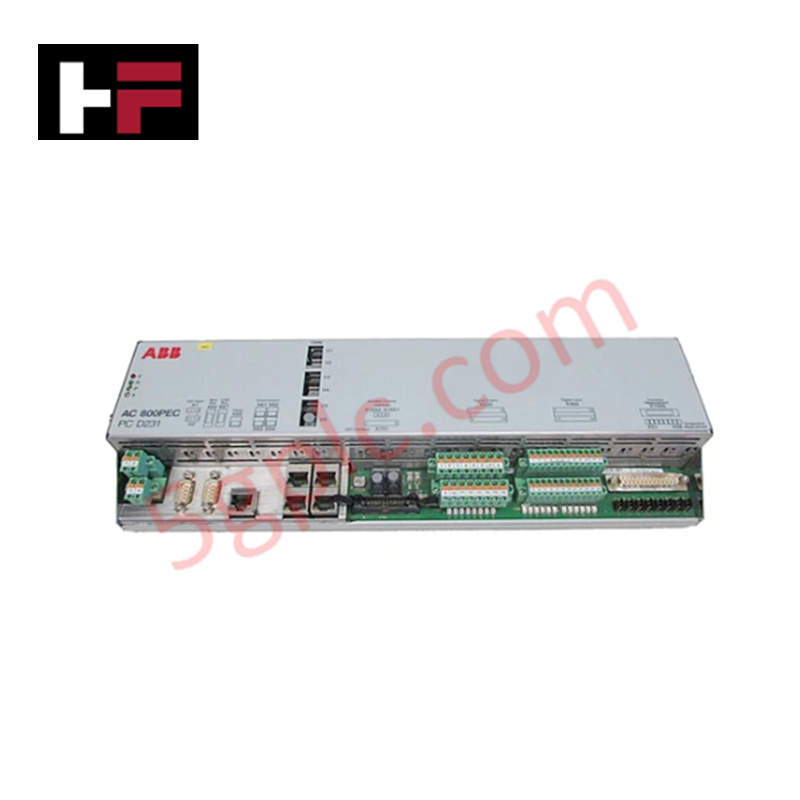
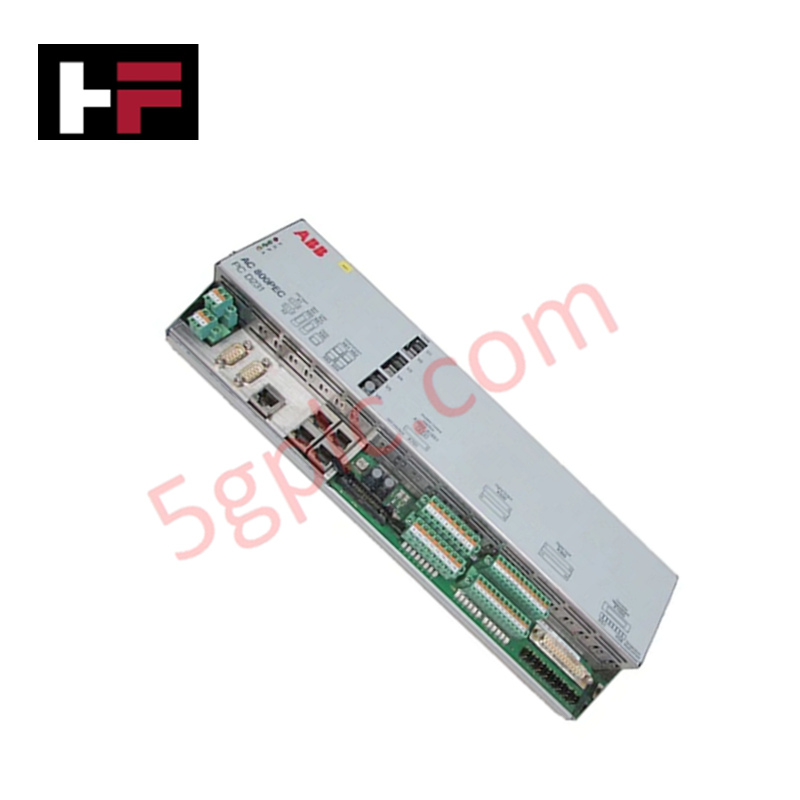
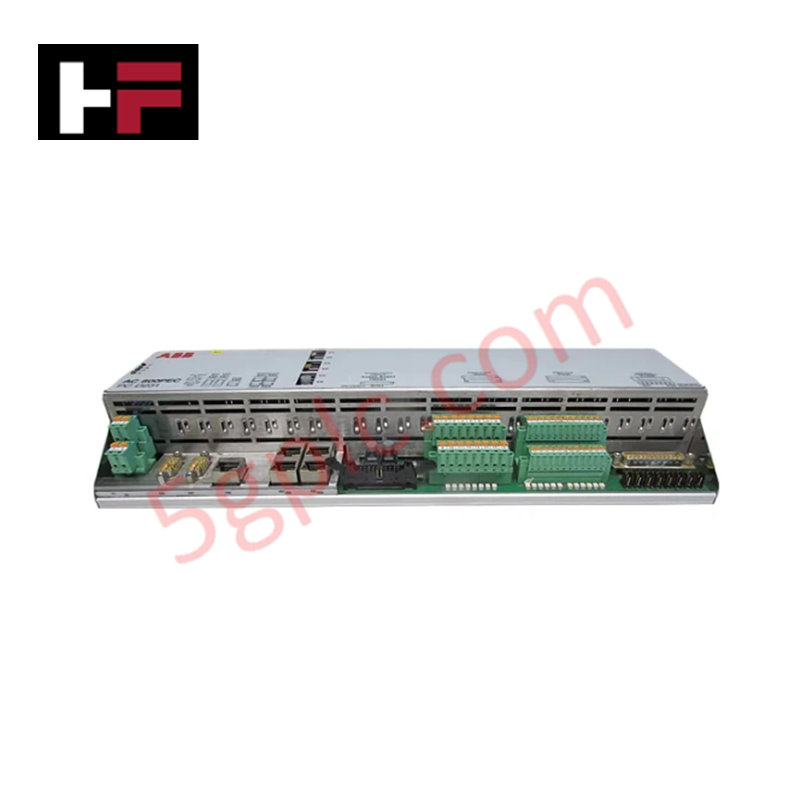
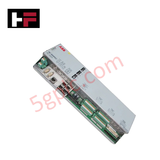
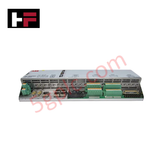
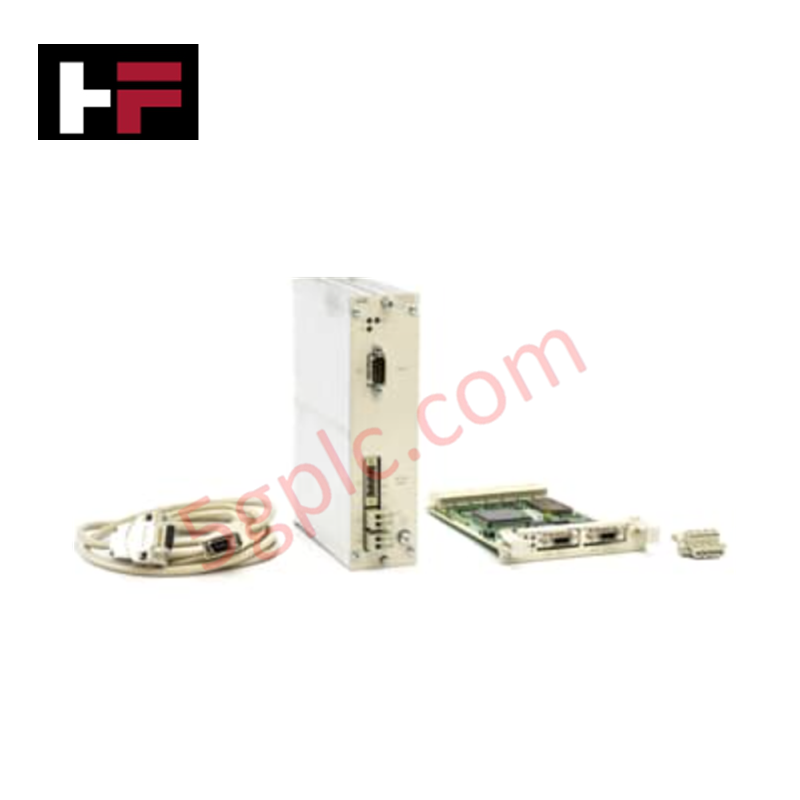
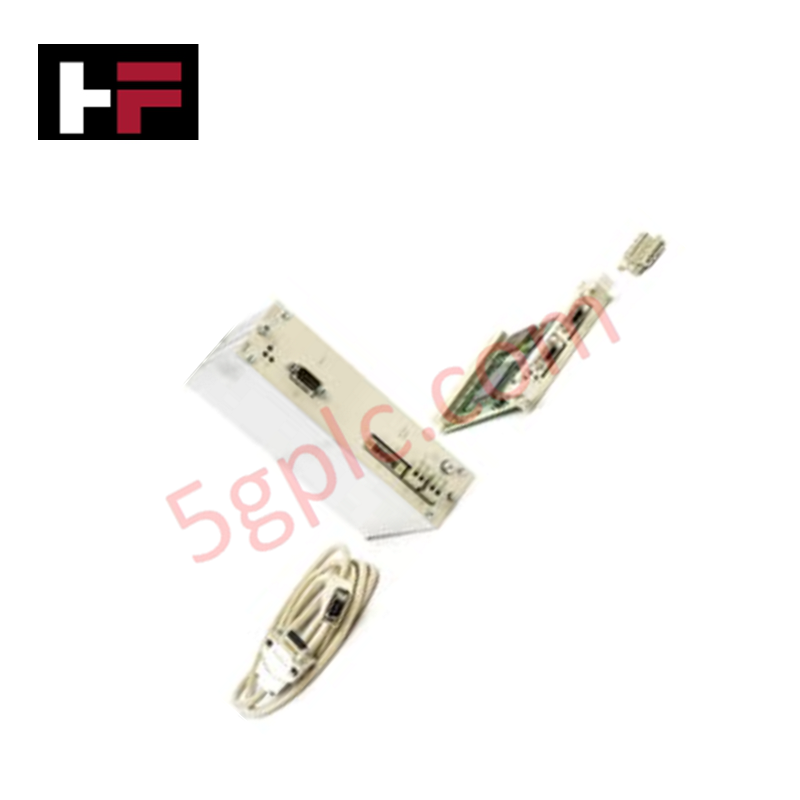
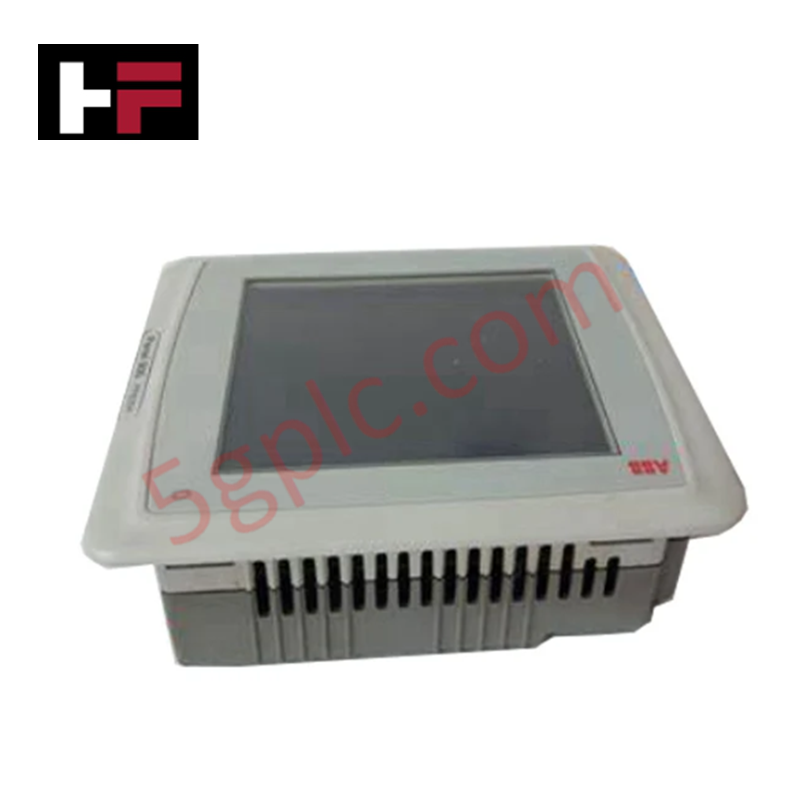
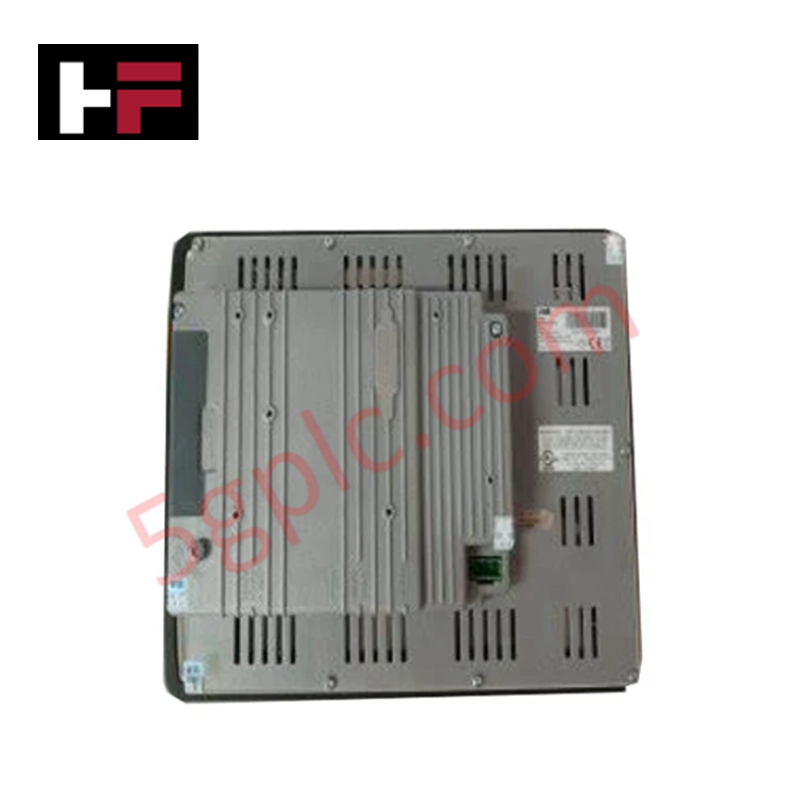
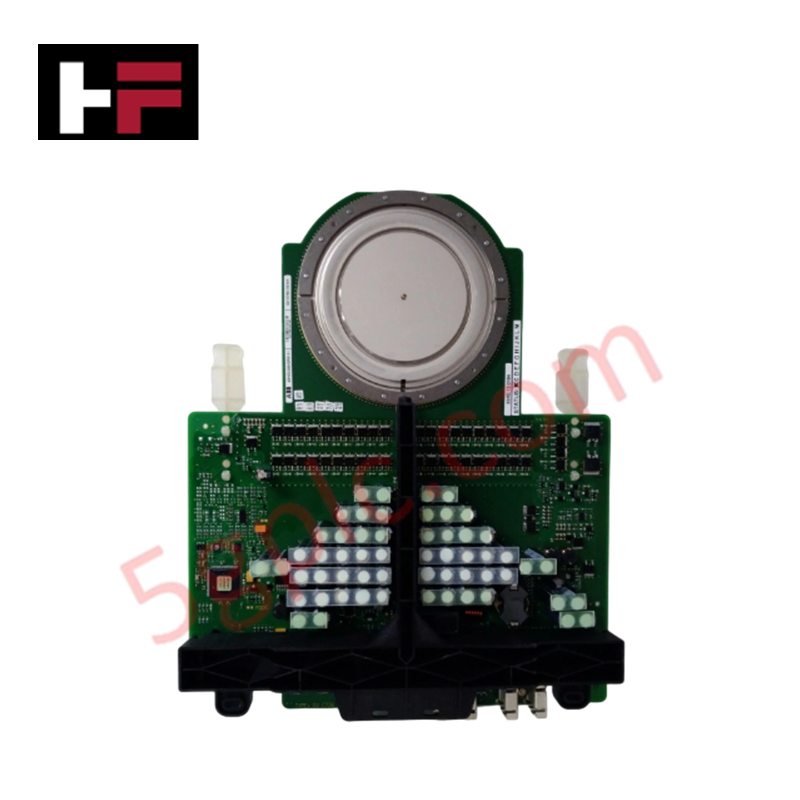
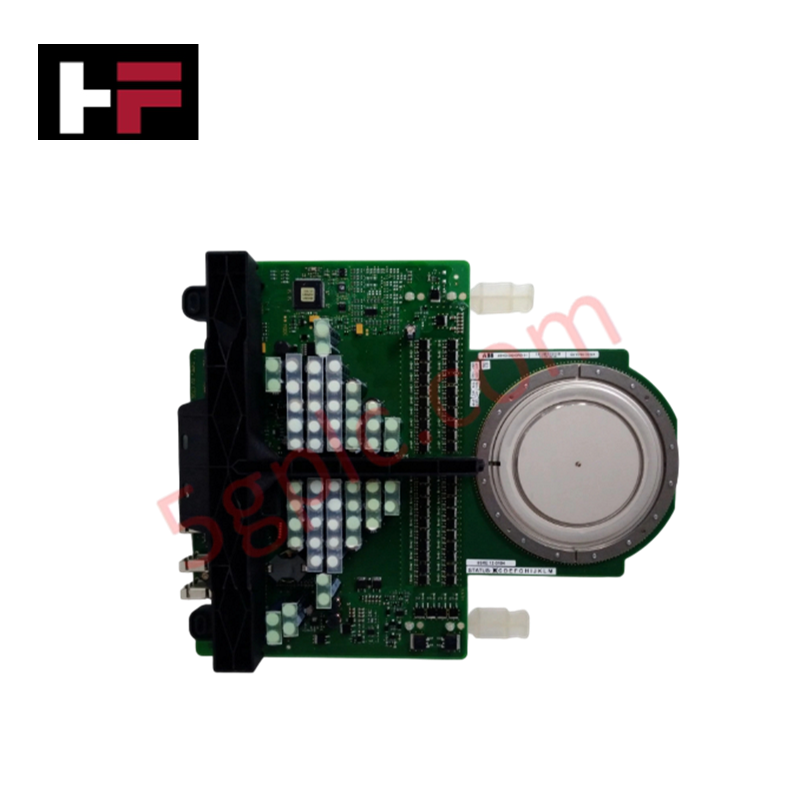
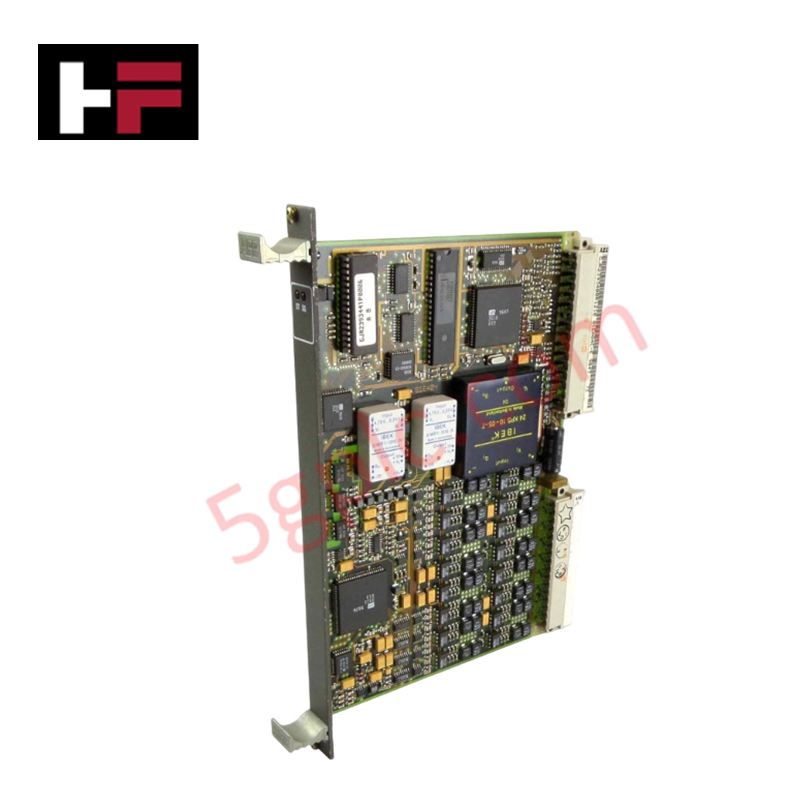
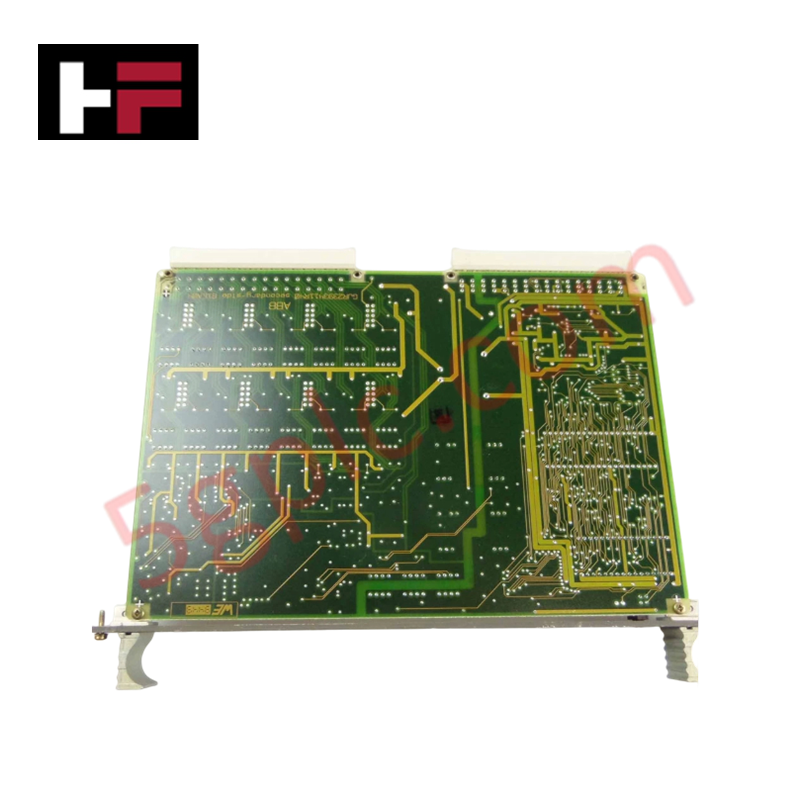
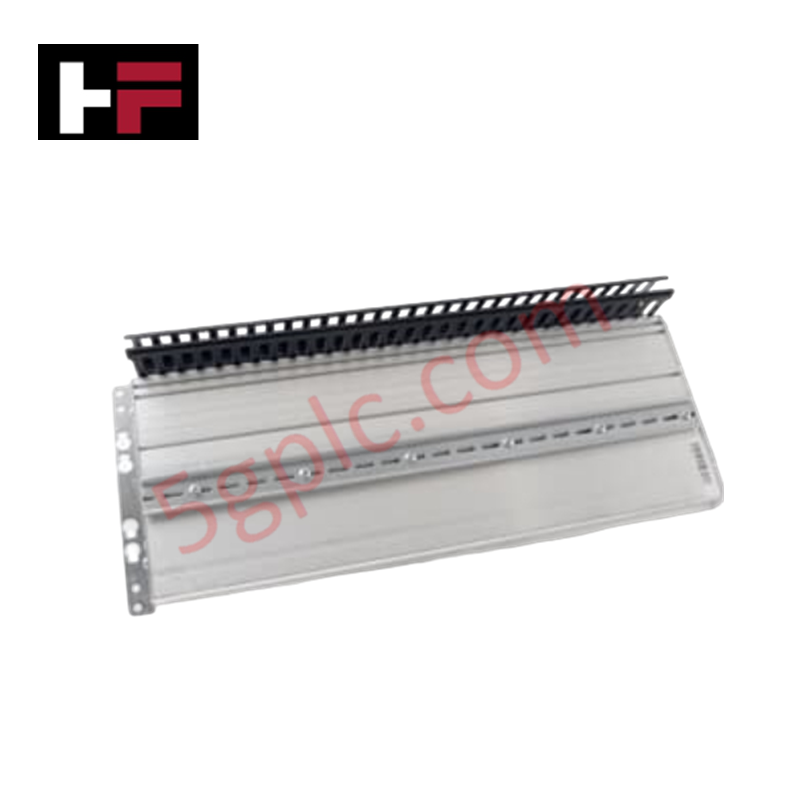
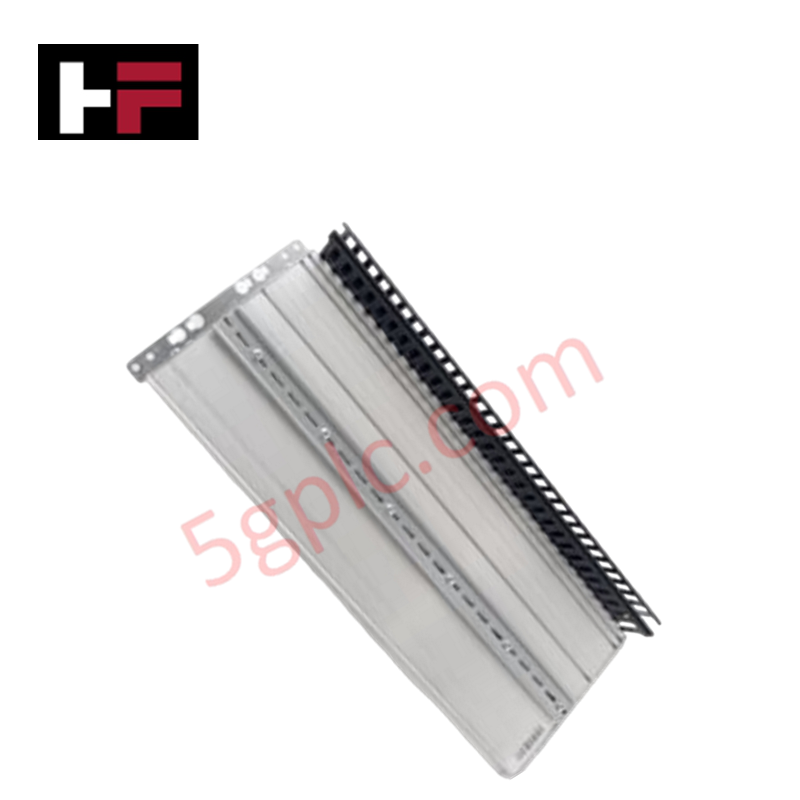
Configured for precise generator excitation regulation in industrial control networks, the ABB GF D563 A101 (3BHE046836R0101 Excitation Device Control Unit) provides direct physical signal processing and power output execution.
Hardware Specifications
| Parameter | Specification |
|---|---|
| Model | GF D563 A101 |
| Brand | ABB |
| Part Number | 3BHE046836R0101 |
| Operating Temp | -20 deg C to 55 deg C |
| Power Consumption | System dependent |
| Input Voltage | 220 V AC / 440 V AC |
| Output Current | Up to 10 A |
Backplane bus communication velocity and firmware compatibility
The GF D563 A101 utilizes internal bus architecture to maintain deterministic backplane bus communication velocity, ensuring real-time monitoring of generator electrical parameters. The module's internal firmware flash compatibility is fixed to specific control platform versions; engineers must verify that the excitation unit revision aligns with the host controller project file to ensure correct register mapping and protective trip logic. The device manages I/O density scaling by integrating high-speed A/D converters for voltage, current, and power factor telemetry, enabling instantaneous fault detection and reactive power regulation.
Frequently Asked Questions
Q: Can this unit be hot-swapped during active generator operation?
A: No. Hot-swapping is prohibited. The unit must be fully isolated from excitation power sources and control power before any maintenance or removal.
Q: How does the unit respond to a ground fault condition?
A: Upon detection of a ground fault, the internal logic triggers a protective trip function. The status is reported through the communication interface to the supervisory system for diagnostic logging and operator acknowledgment.
Field Installation Guidelines
- Mounting: Ensure the unit is mounted in a well-ventilated control cabinet. Maintain specified clearance to allow for thermal dissipation of internal power electronics during full-load 10 A output.
- Input Wiring: Verify that the AC input (220 V AC or 440 V AC) matches the configured primary supply. Use appropriate cable cross-sections to handle the excitation current requirements without excessive voltage drop.
- Grounding: Establish a robust connection between the unit chassis and the facility's protective earth (PE) bus. A low-impedance ground path is required to stabilize the excitation reference and protect against surge transients.
- Signal Shielding: Use shielded, twisted-pair cabling for all remote monitoring and communication links. Terminate shields at the controller cabinet entrance to prevent electromagnetic interference (EMI) from inducing errors in the excitation voltage feedback loop.
- Verification: Prior to commissioning, perform a full loop check of all current and voltage transformer inputs to ensure correct phasing and polarity, which are critical for the accuracy of power factor calculations.
Additional Information
- 100% Genuine Parts: All products are original and authentic, ensuring reliable industrial performance.
- 30-Day Refund Guarantee: Return any in-stock item within 30 days in original, unopened packaging for a full refund (excluding shipping and fees).
- 12-Month Warranty: Covers defects in materials or workmanship; excludes misuse, normal wear, or unauthorized modifications.
- Worldwide Shipping: We ship via USPS, UPS, FedEx, and DHL. Delivery times vary by country and may be subject to customs or import fees.
- Support & Contact: Technical and warranty assistance is available anytime. Contact us here: Contact.
- Purchase Guidance: Check product specifications and compatibility carefully before ordering to ensure proper application.
Tech & Buying Guide

Essential Motion Control Commands: A Practical Guide for Engineers
Automation engineers often rely on precise position and speed control to drive modern factory machinery. Modern industrial systems, such as Programmable Logic Controllers (PLCs) and Distributed Control Systems (DCS), depend heavily on standardized motion instructions. Mastering these commands ensures operational safety, protects mechanical components, and optimizes cycle times across production lines.

The Role of Intrinsic Safety Barriers in PLC and DCS Architectures
Implementing robust protection in hazardous industrial environments represents a fundamental safety requirement in factory automation. Process facilities often handle volatile gases, dusts, and chemical agents that pose significant combustion risks. Consequently, control system engineers must deploy energy-limiting interfaces to isolate safe-area control cabinets from hazardous-area field instrumentation. This article examines the function, selection, and electrical principles of intrinsic safety barriers within modern PLC and DCS networks.

Architectural Selection and Scale Classification of PLC Systems in Industrial Automation
Selecting the correct control platform represents a foundational engineering decision in factory automation. System designers must carefully balance technical parameters against long-term operational requirements when implementing a Programmable Logic Controller (PLC). This article examines the critical evaluation metrics, physical scale classifications, and operational architectures of modern control systems.