












Product Details
Product Overview
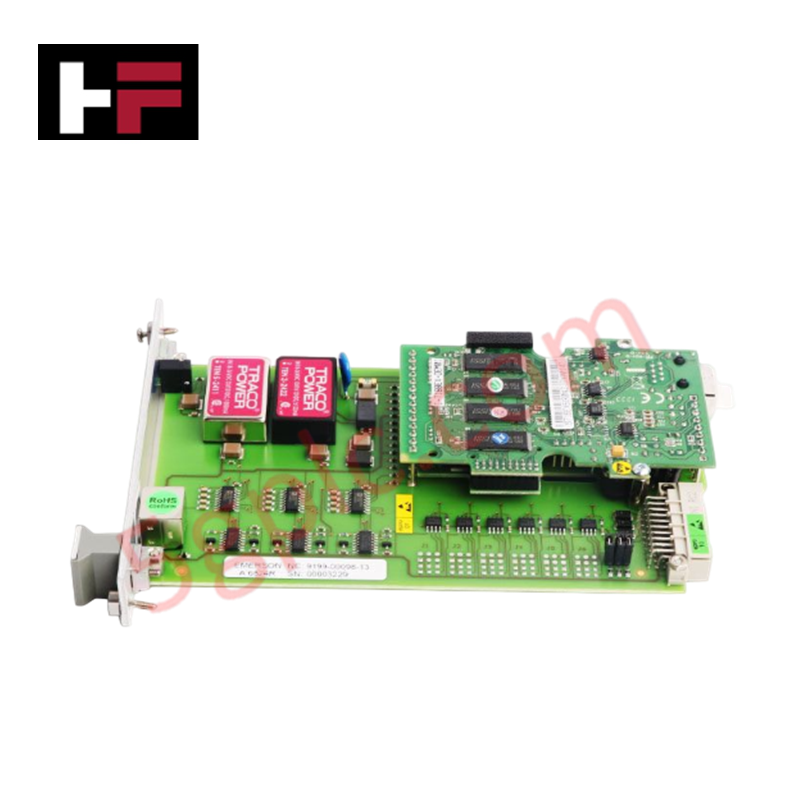
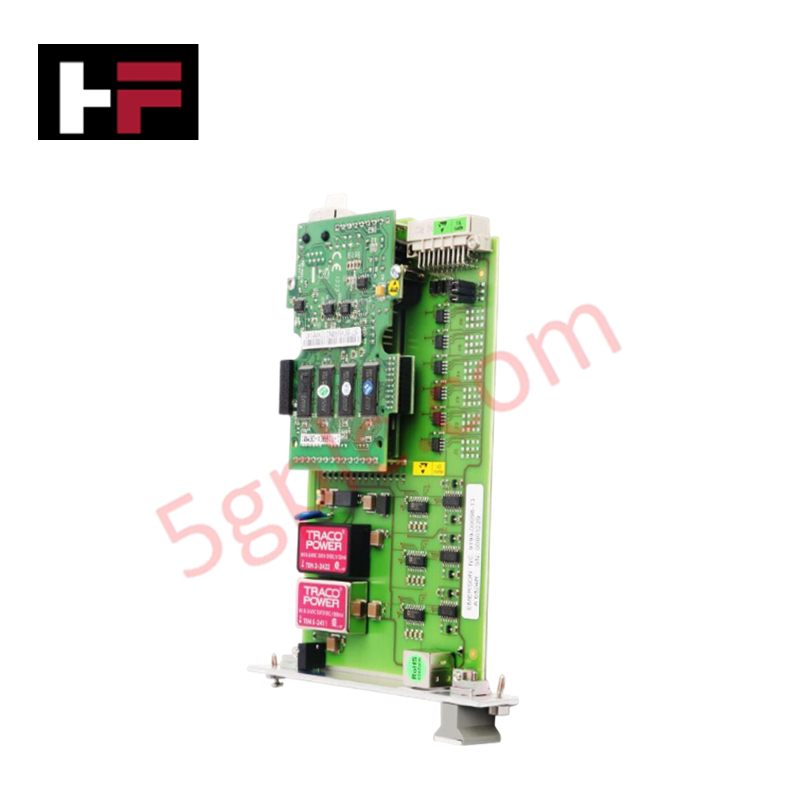
The IS230TAISH2C serves as a specialized Triple Modular Redundant (TMR) DIN Rail Assembly Board within the General Electric Mark VIe control ecosystem. This 100% Brand New original component provides the physical and electrical infrastructure required to manage redundant I/O signals in safety-critical turbine applications. By facilitating TMR voting logic at the hardware level, the IS230TAISH2C ensures that the control system maintains continuous operation even if a single controller or I/O pack fails, making it indispensable for high-availability power generation assets.
Technical Specifications
The IS230TAISH2C features a ruggedized PCB design optimized for rapid deployment in modular control cabinets.
| Feature | Specification Details |
| Manufacturer | General Electric (GE) |
| Part Number | IS230TAISH2C |
| Series | Mark VIe |
| Product Type | TMR DIN Rail Assembly Board |
| Redundancy Mode | Triple Modular Redundancy (TMR) |
| Mounting Interface | Standard 35mm DIN-Rail |
| Country of Origin | United States (USA) |
| Availability | In Stock / Global Shipping |
| Condition | 100% Brand New Original |
Engineering Advantages
-
Native Triple Modular Redundancy: The board architecture supports TMR functionality, allowing three independent I/O packs to process the same field signal simultaneously. This hardware-based fault tolerance eliminates single points of failure, ensuring the turbine remains online during localized component malfunctions.
-
Simplified DIN Rail Integration: The integrated mounting clips allow for immediate installation on standard 35mm DIN rails. This design replaces traditional bulky rack frames, enabling engineers to mount the assembly in narrow side-panels or compact remote I/O skids where cabinet depth remains limited.
-
Streamlined Field Termination: The H2C revision incorporates high-density connector interfaces that facilitate the rapid attachment of Mark VIe I/O packs. This minimizes manual point-to-point wiring, reduces the risk of human error during commissioning, and accelerates the hardware replacement process during scheduled outages.
-
Robust Electrical Isolation: GE engineered the assembly board to provide high-level isolation between the field-side signals and the IONet internal communication bus. This prevents electrical transients from propagating through the redundant controller network, protecting the overall system integrity.
FAQs
-
Is this IS230TAISH2C unit a refurbished board or factory stock?
We supply this product exclusively as a 100% Brand New, original GE unit. Each board comes in original factory anti-static packaging with the USA country of origin certification, ensuring it meets all current Mark VIe engineering standards.
-
Does the IS230TAISH2C support Simplex or Dual configurations?
While primarily designed for Triple Modular Redundant (TMR) applications to provide maximum fault tolerance, the board's physical layout supports the specific I/O pack requirements of the TAIS series. However, utilizing it in a TMR configuration maximizes the system's voting and safety capabilities.
-
What are the primary differences between the H2C and H1C revisions?
The H2C revision typically includes updated component footprints and improved trace routing to enhance thermal dissipation. It maintains backward compatibility with H1C mounting points but provides better long-term reliability in high-vibration or high-temperature turbine enclosures.
-
What is the typical turnaround for technical support or repair?
Although we provide this unit as Brand New original stock, we maintain a 3-5 day support window for technical inquiries. Having this item "In Stock" means we can fulfill emergency replacement orders immediately to prevent costly turbine downtime.
Additional Information
- 100% Genuine Parts: All products are original and authentic, ensuring reliable industrial performance.
- 30-Day Refund Guarantee: Return any in-stock item within 30 days in original, unopened packaging for a full refund (excluding shipping and fees).
- 12-Month Warranty: Covers defects in materials or workmanship; excludes misuse, normal wear, or unauthorized modifications.
- Worldwide Shipping: We ship via USPS, UPS, FedEx, and DHL. Delivery times vary by country and may be subject to customs or import fees.
- Support & Contact: Technical and warranty assistance is available anytime. Contact us here: Contact.
- Purchase Guidance: Check product specifications and compatibility carefully before ordering to ensure proper application.




Tech & Buying Guide

Comprehensive Guide to Instrumentation and Control (I&C) Design Basis
Instrumentation and Control (I&C) Design Basis serves as the foundational technical document for modern plant engineering. Project teams rely on this master specification to govern engineering deliverables across front-end engineering design (FEED) and detailed execution phases. A well-constructed I&C design basis ensures seamless integration among field instrumentation, safety systems, and main control systems. Furthermore, establishing clear technical standards early mitigates execution risks and prevents costly re-engineering during plant commissioning.

The Shift to Flexible IO Modules in Modern Industrial Automation
Traditional control systems rely on dedicated Input Output (IO) cards for industrial automation. Each conventional module processes a single signal type, such as Digital Input (DI), Digital Output (DO), Analog Input (AI), or Analog Output (AO). A standard 16-channel card accepts only one specific channel type across all ports. This inflexible hardware design often creates severe engineering bottlenecks during project execution. Engineers frequently must install entirely new cards to accommodate a single extra sensor. Consequently, late design changes increase control cabinet space requirements and drive up project costs.
DCS Commissioning Steps in Industrial Automation Projects
Commissioning a Distributed Control System (DCS) represents a crucial milestone when deploying modern process automation infrastructure. Field engineers must execute systematic verification steps to transition complex control hardware from static installation to dynamic plant control. Proper commissioning ensures that controllers, I/O modules, network switches, and HMI software operate in strict compliance with engineering design specifications before introducing live process fluids.