











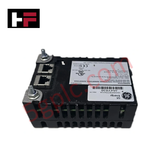
Product Details
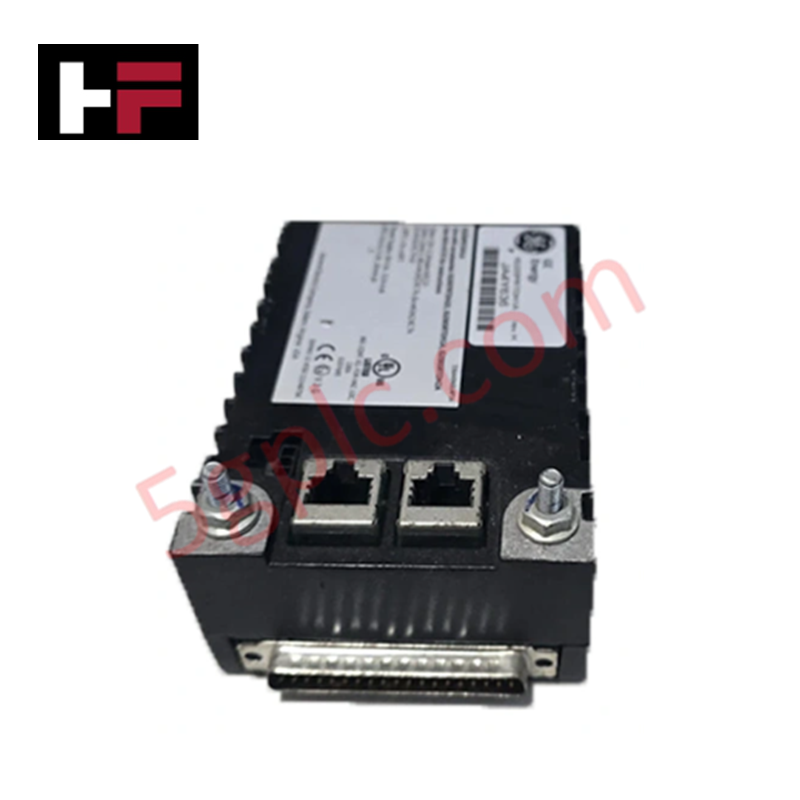
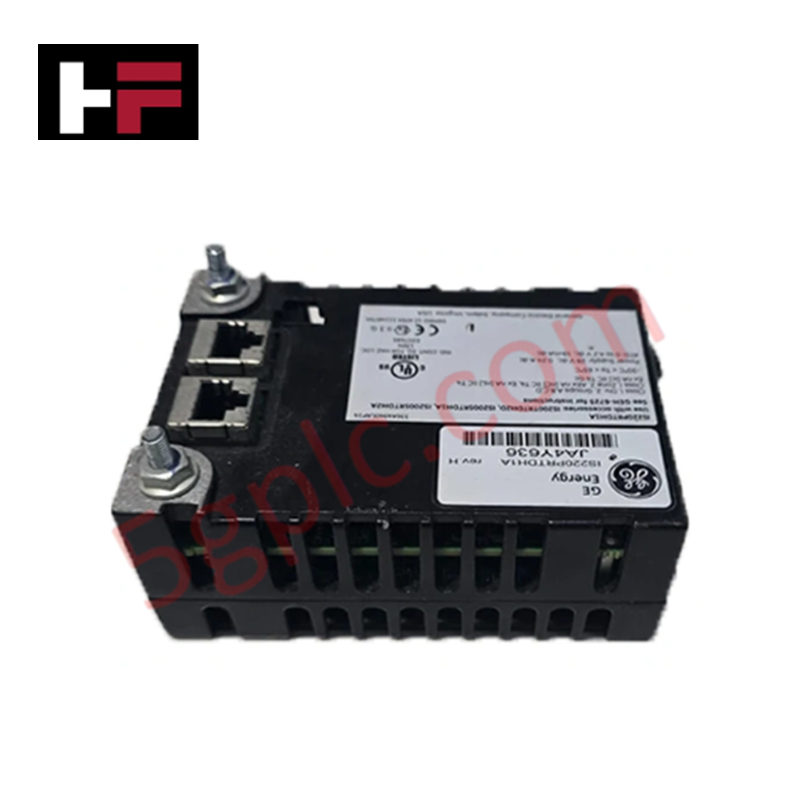
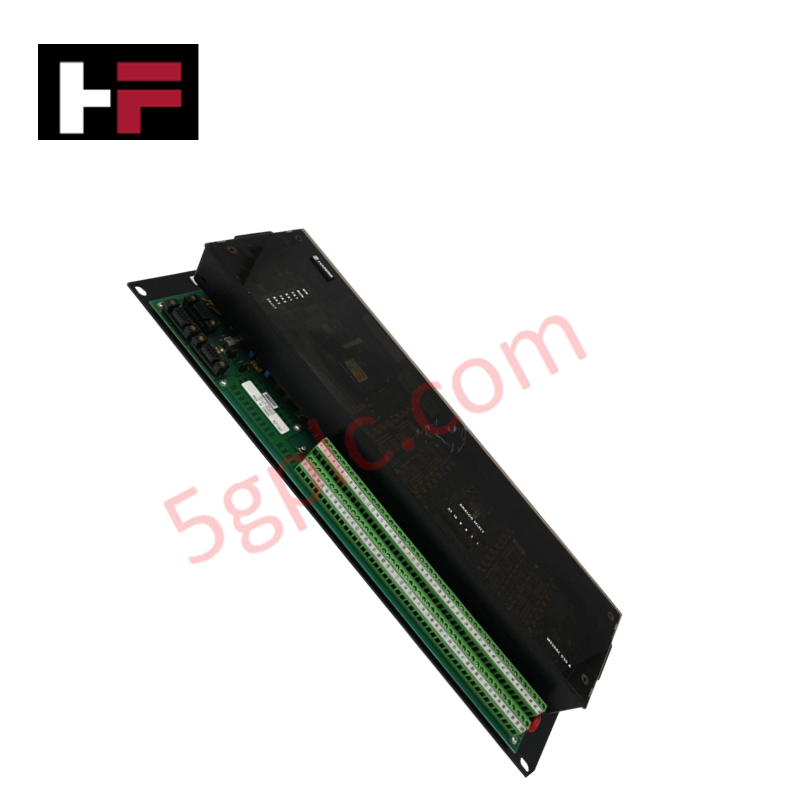
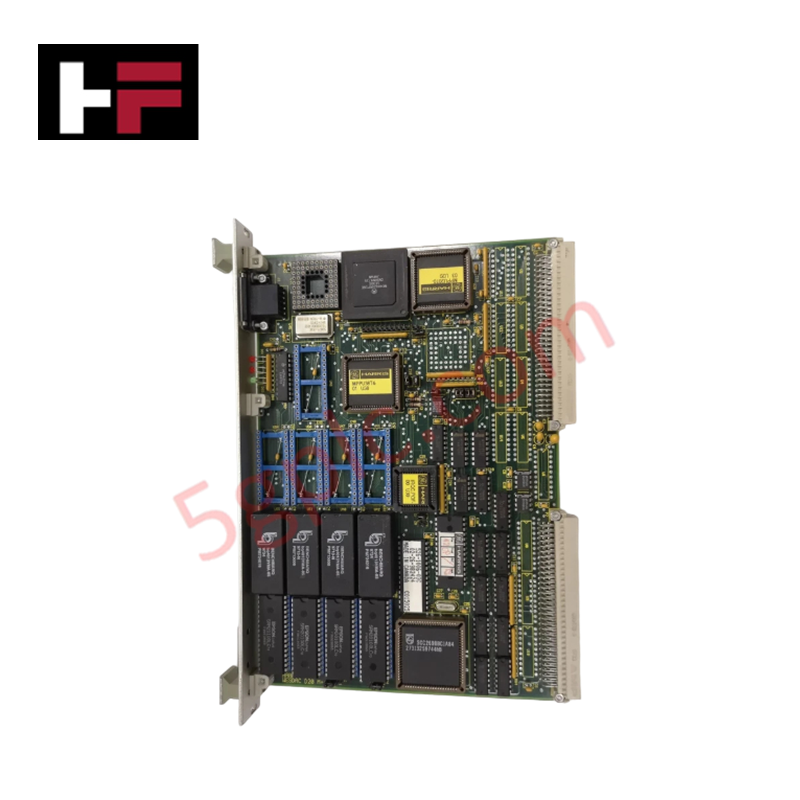
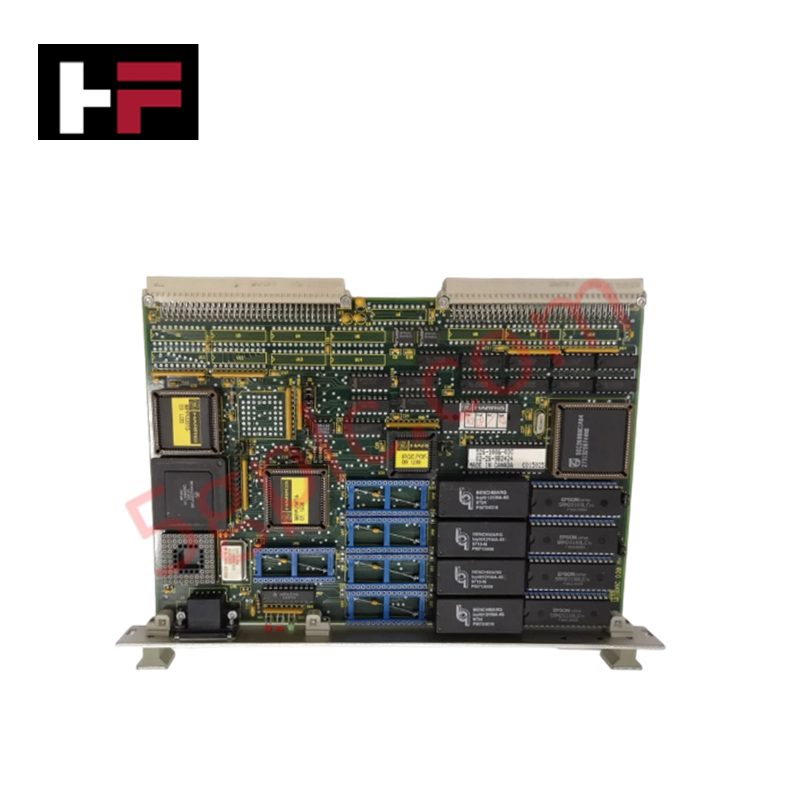
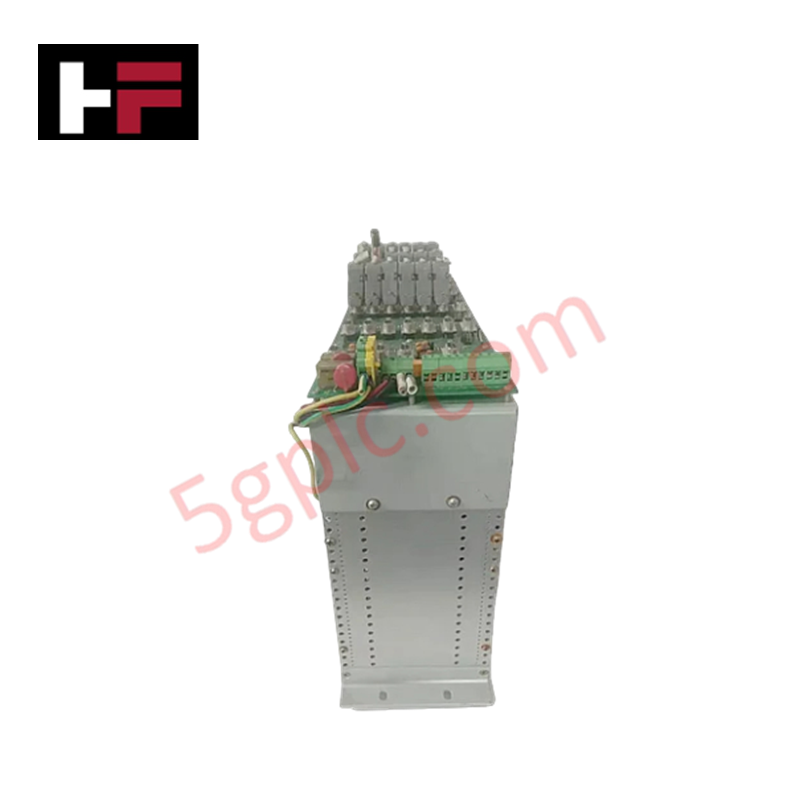
Configured for primary turbine protection and speed sensing in Mark VIe control systems, the General Electric IS220PTURH1A (IS220PTURH1A Primary Turbine Protection Pack) provides direct electrical execution of turbine speed acquisition and emergency trip logic. This hardware component serves as the primary PTUR I/O pack utilized to execute magnetic speed sensor signal processing and overspeed protection across turbine control platform architectures.
Hardware Specifications
| Parameter | Specification |
|---|---|
| Model | IS220PTURH1A |
| Brand | General Electric |
| Dimensions | Standard I/O pack form factor |
| Operating Temp | Standard industrial ambient range |
| Power Consumption | System-dependent |
| Core Performance | 2 x 10/100 Ethernet; Magnetic speed input; Overspeed trip |
Profinet / EtherNet/IP Deterministic Networks
The IS220PTURH1A interfaces with the TTURH1C terminal board to facilitate high-speed turbine protection sequences. The pack incorporates an onboard processor board, an auxiliary analog acquisition board, and a dedicated turbine control board within its protective housing. It manages two 10/100 Ethernet ports, ensuring deterministic connectivity to the control system network. The module is engineered with magnetic speed input sensitivity capable of detecting near-zero speed conditions, allowing for accurate zero-speed validation when the turbine has ceased rotation. Firmware flash compatibility is supported via auto-reconfiguration; the controller automatically downloads the baseload, bootloader, and application firmware upon detection of the pack. The processor utilizes median speed signal selection for both speed control loops and principal overspeed trip initiation.
Frequently Asked Questions
Q: Is the infrared (IR) port on the front of the IS220PTURH1A used for communication?
A: No. The IR receiver port is present on the housing but is not utilized for any functional communication or configuration tasks within the Mark VIe turbine control platform.
Q: Can the IS220PTURH1A be hot-swapped while the turbine is running?
A: In a redundant I/O configuration, the module can be removed, but strict adherence to system-specific safety protocols is required. Because this module performs the principal overspeed trip function, improper removal in a non-redundant system will trigger a turbine shutdown.
Field Installation Guidelines
- Mounting: Ensure the PTUR pack is securely mounted to the TTURH1C terminal board. Ensure the DC-62 pin connector is fully seated to maintain reliable signal transmission between the pack and the terminal board.
- Networking: Connect the two 10/100 Ethernet ports to the designated turbine control IONet switches. Use shielded CAT5e or better cabling to prevent electrical noise from corrupting speed sensing data.
- Sensor Wiring: Magnetic speed sensors must be connected to the TTURH1C terminal board inputs. Verify that the shield is terminated at the cabinet ground to prevent the introduction of low-level common-mode noise into the frequency-to-voltage conversion circuits.
- Visual Inspection: Ensure air circulation holes are not obstructed by cabling or dust accumulation to maintain internal operating temperature within limits. Monitor the front-panel LED indicators for system status and fault alerts.
Additional Information
- 100% Genuine Parts: All products are original and authentic, ensuring reliable industrial performance.
- 30-Day Refund Guarantee: Return any in-stock item within 30 days in original, unopened packaging for a full refund (excluding shipping and fees).
- 12-Month Warranty: Covers defects in materials or workmanship; excludes misuse, normal wear, or unauthorized modifications.
- Worldwide Shipping: We ship via USPS, UPS, FedEx, and DHL. Delivery times vary by country and may be subject to customs or import fees.
- Support & Contact: Technical and warranty assistance is available anytime. Contact us here: Contact.
- Purchase Guidance: Check product specifications and compatibility carefully before ordering to ensure proper application.
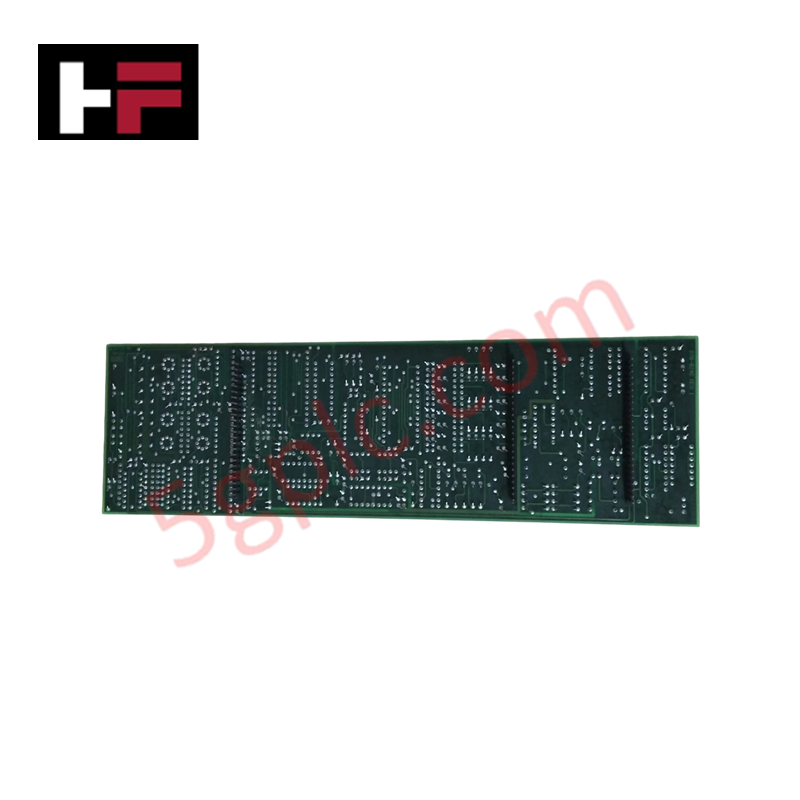
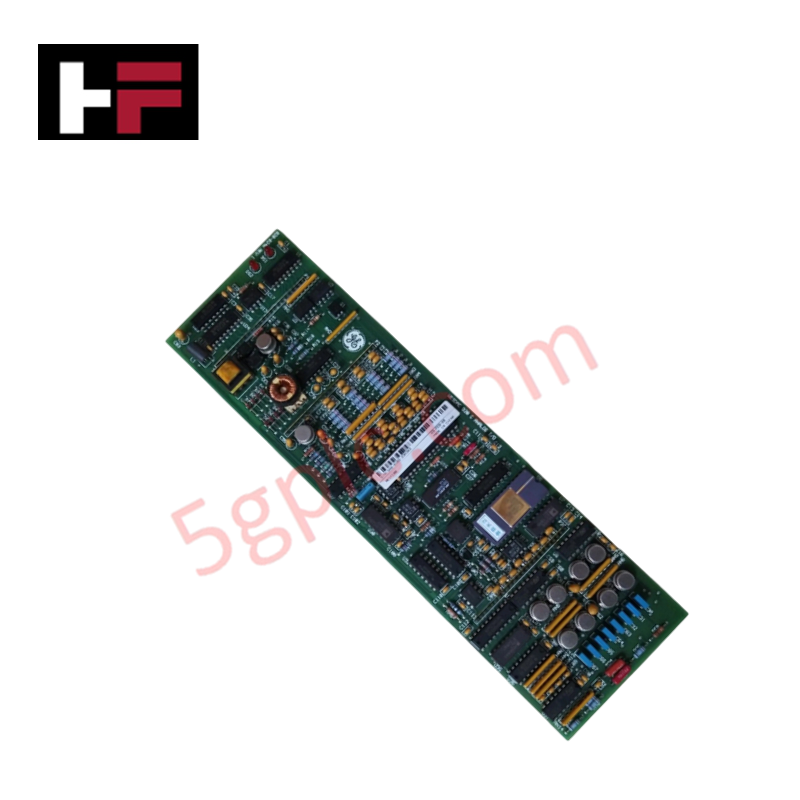
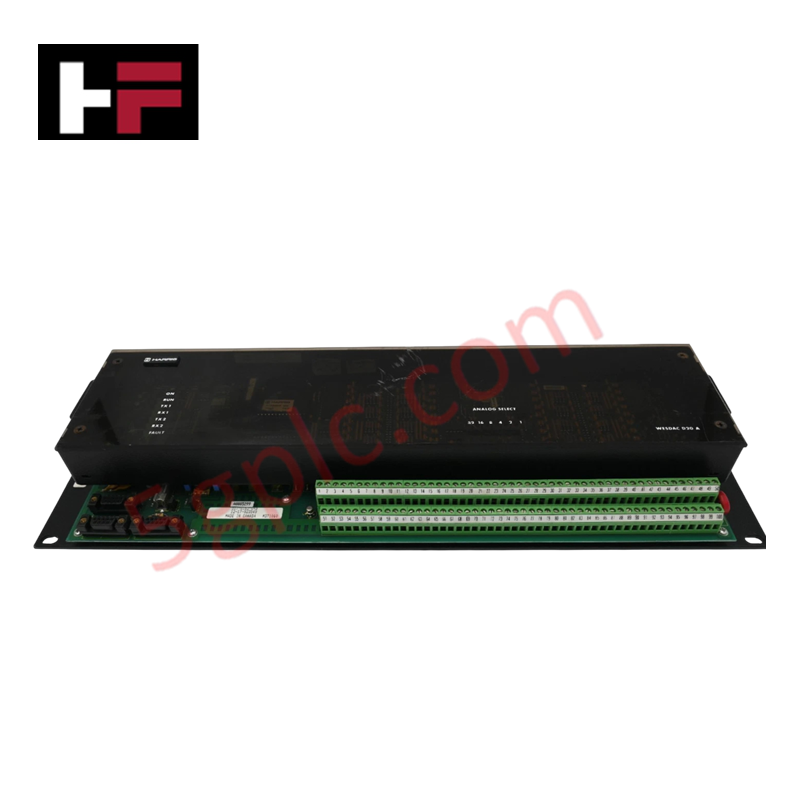
Tech & Buying Guide

Mastering the Factory Acceptance Test (FAT) for PLC Control Panels: An Expert Guide
The Factory Acceptance Test (FAT) is a vital milestone in industrial automation that ensures custom PLC panels meet exact design specifications before dispatch. This guide outlines the step-by-step FAT procedure and key industry best practices to prevent costly site delays and ensure long-term operational success.

Redundant Automation Systems: Ensuring Continuous Uptime in Critical Control Infrastructure
System reliability directly determines operational profitability across high stakes process industries. Modern industrial automation platforms must eliminate single points of failure to prevent catastrophic shutdowns. Deploying fault tolerant architecture safeguards complex facilities against unexpected hardware glitches, network disruptions, and maintenance outages.

Understanding Types of Noise in Electronic Circuits and Control Systems
Signal integrity directly determines measurement accuracy and loop stability across industrial automation environments. Electronic noise introduces unwanted stochastic interference into analog loops, sensor feedback lines, and digital fieldbus networks. Understanding how intrinsic electronic noise and external electromagnetic interference manifest allows control engineers to optimize signal conditioning and shield sensitive instrumentation effectively.