










Product Details
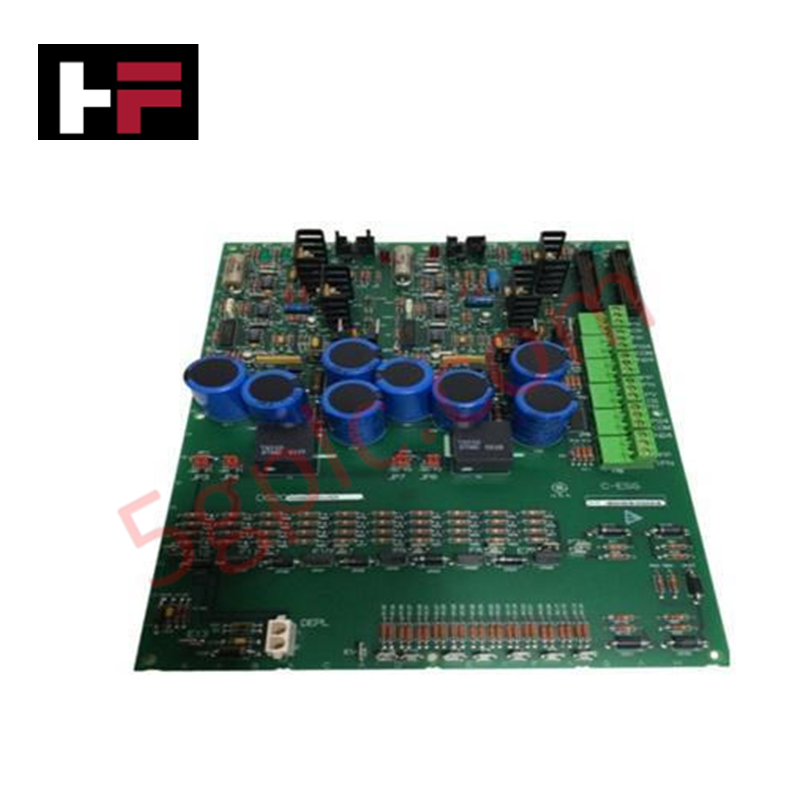
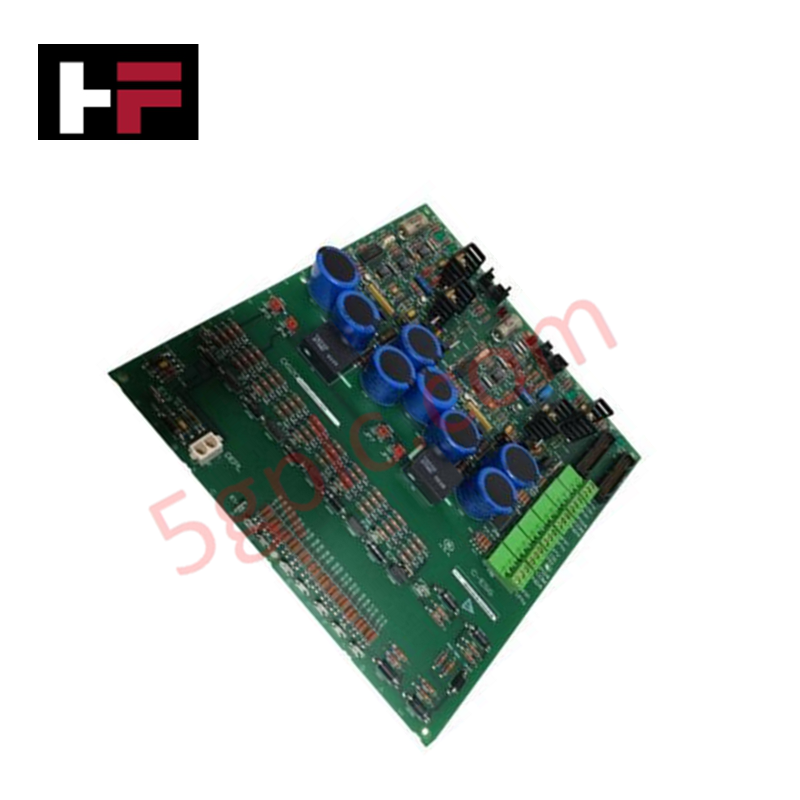
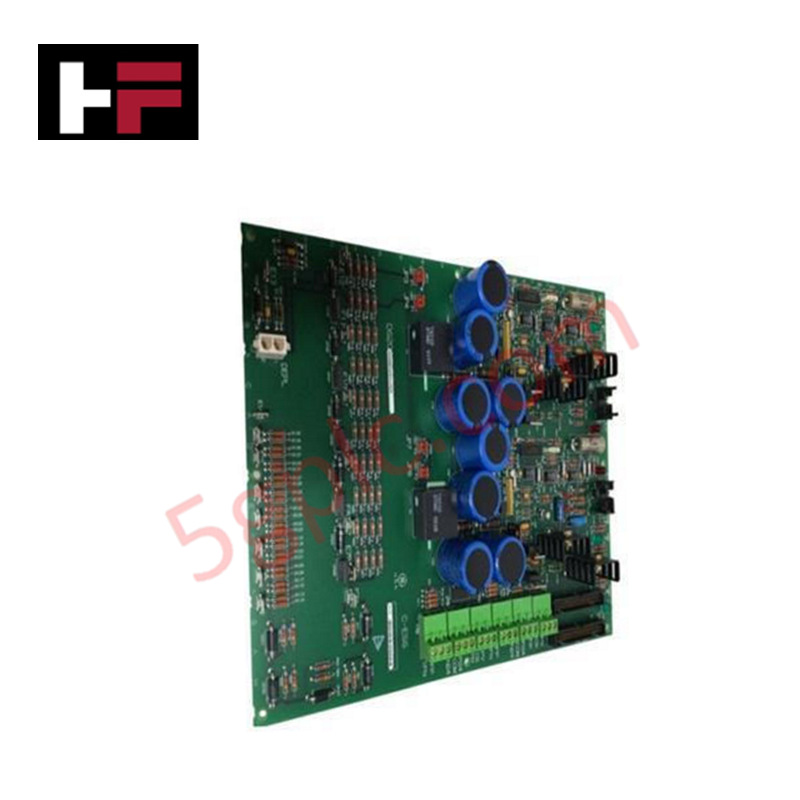
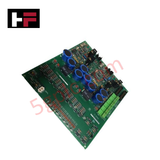
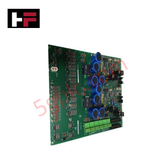
Configured for de-excitation management in Speedtronic control platforms, the General Electric DS200EXDEG1A (DS200EXDEG1 De-Excitation Control Board) provides direct physical/electrical execution.
Hardware Specifications
| Parameter | Specification |
|---|---|
| Model | DS200EXDEG1A |
| Brand | General Electric |
| Origin | USA |
| Weight | 0.5 kg (est.) |
| Dimensions | Standard Mark V PCB form factor |
| Operating Temp | 0 deg C to 60 deg C |
| Power Consumption | 24 VDC nominal backplane feed |
| Function | Excitation field discharge control |
| Revision | A |
Industrial Control and Firmware Compatibility
The DS200EXDEG1A module operates within the Mark V backplane architecture, requiring specific firmware flash compatibility to interface with the turbine control processor. The board facilitates de-excitation sequences by managing field discharge paths; it is essential that the host controller’s firmware version supports the A-rated functional logic of the EXDE module to ensure deterministic timing during shutdown procedures. Backplane bus communication velocity must be calibrated per the system configuration to prevent handshake failures during field suppression.
Frequently Asked Questions
Q: Does the DS200EXDEG1A support on-line hot-swapping?
A: No. Due to the nature of the excitation circuitry, the board must not be inserted or removed while the Mark V rack is energized. Power-down procedures for the specific control loop are required to avoid electrical transients.
Q: Are there any hardware jumpers for field configuration?
A: This model utilizes a fixed hardware design. There are no user-adjustable hardware jumpers; all operational parameters and logic state execution are managed via the Speedtronic firmware and software-defined setpoints.
Field Installation Guidelines
- Static Mitigation: The board contains sensitive CMOS components. Handle by the edges or use a grounded anti-static wrist strap during installation.
- Slot Alignment: Ensure the PCB is correctly aligned with the backplane connector guide rails. Forceful insertion may damage the gold-plated pins on the interface connector.
- Grounding: Secure the board using the provided mounting screws to ensure proper chassis ground continuity. This is critical for noise immunity in high-voltage excitation environments.
- Wiring Verification: Before applying power, verify that all external cables connected to the board terminals are securely fastened and correspond to the system wiring diagram, specifically verifying the polarity of the excitation discharge circuits.
Additional Information
- 100% Genuine Parts: All products are original and authentic, ensuring reliable industrial performance.
- 30-Day Refund Guarantee: Return any in-stock item within 30 days in original, unopened packaging for a full refund (excluding shipping and fees).
- 12-Month Warranty: Covers defects in materials or workmanship; excludes misuse, normal wear, or unauthorized modifications.
- Worldwide Shipping: We ship via USPS, UPS, FedEx, and DHL. Delivery times vary by country and may be subject to customs or import fees.
- Support & Contact: Technical and warranty assistance is available anytime. Contact us here: Contact.
- Purchase Guidance: Check product specifications and compatibility carefully before ordering to ensure proper application.


Tech & Buying Guide

Demystifying the DDE Protocol in Legacy Industrial Automation Systems
Modern control systems rely heavily on seamless interprocess communication to exchange operational data between software programs. Microsoft first introduced the Dynamic Data Exchange (DDE) protocol in 1987 to enable real-time data sharing. In factory automation, DDE served as an early bridge between control software and Windows desktop applications. Therefore, understanding DDE mechanics provides crucial insights into how legacy industrial networks established software-level connectivity.

Demystifying CPU Communication Ports in Siemens PLC Architectures
Industrial automation relies heavily on robust data exchange between devices. Without seamless connectivity, field instruments, network switches, human-machine interfaces, and programmable logic controllers cannot coordinate effectively. Therefore, understanding the various CPU communication ports available in Siemens hardware ensures efficient factory automation design and seamless system integration.

Mastering the Siemens PLC Scan Cycle: How the CPU Executes Automation Programs
Industrial automation relies heavily on programmable logic controllers (PLCs) to manage complex manufacturing processes. Many engineers dive straight into programming without mastering the underlying architecture. However, understanding how a PLC CPU executes a program ensures reliable system design. Therefore, mastering the scan cycle optimizes both performance and troubleshooting in modern control systems.