










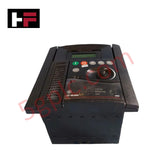
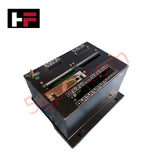
Product Details
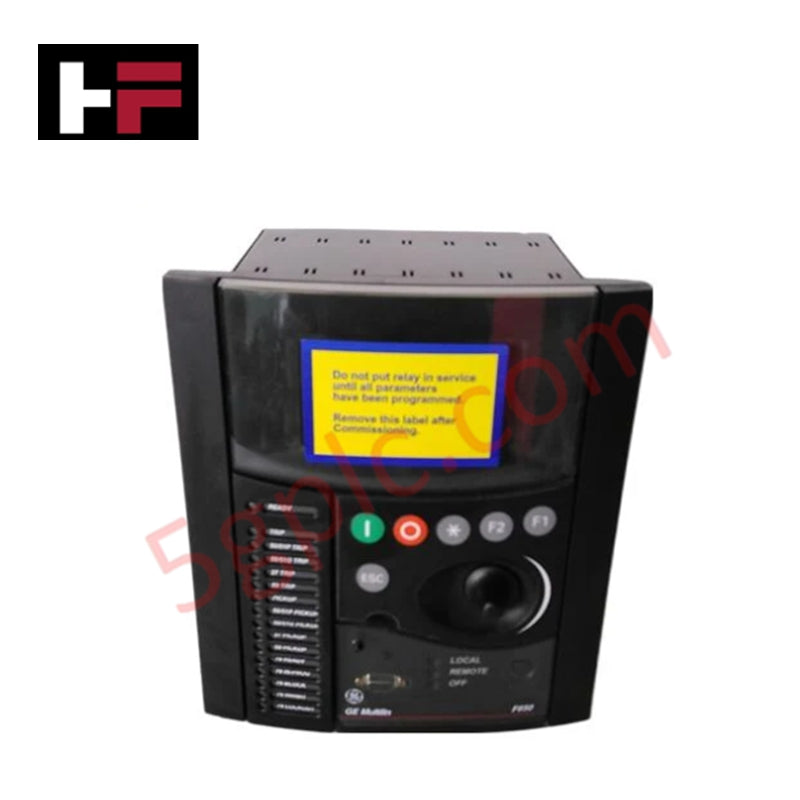
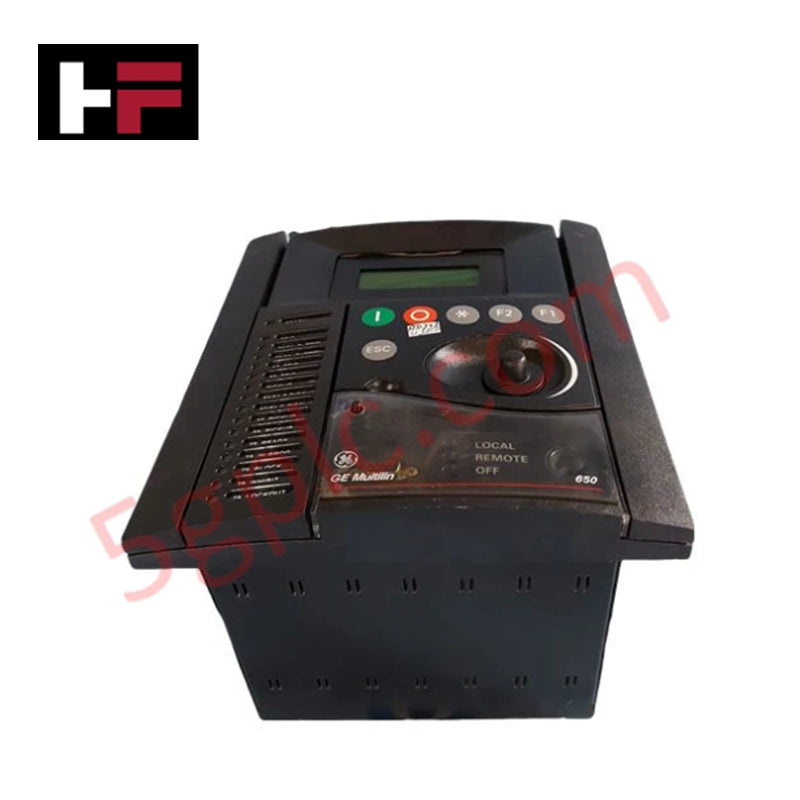
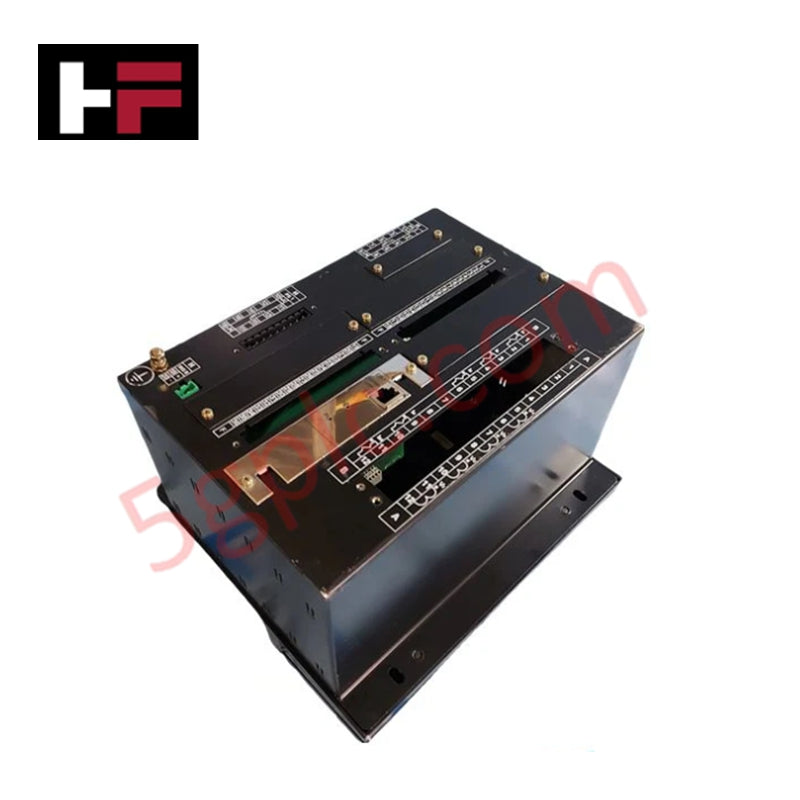
Configured for feeder protection and substation bay control, the GE Multilin F650BFEF1G0HHI (F650 Digital Bay Controller) provides direct physical/electrical execution of automated protection logic and real-time telemetry management across electrical distribution platforms.
Suffix Breakdown & Model Matrix
- F650: Base series for numerical feeder and bay management.
- B: Basic display module configuration.
- F: No rear serial communication board installed.
- E: Rear redundant 10/100 Base TX Ethernet communication board.
- F1: Slot F populated with 16 digital inputs and 8 digital outputs.
- G0: Slot G configuration (No I/O expansion).
- HI: Auxiliary power supply range (88-300 VDC or 96-250 VAC).
Hardware Specifications
| Parameter | Specification |
|---|---|
| Model | F650BFEF1G0HHI |
| Brand | GE Multilin |
| Origin | Not specified |
| Weight | 5 kg |
| Dimensions | Standard bay controller housing |
| Operating Temp | Standard industrial ambient |
| Power Consumption | 110-250 VDC / 120-230 VAC |
| Digital I/O | 16 Inputs, 8 Outputs |
| Protocols | Modbus RTU, TCP/IP, DNP 3.0, IEC 60870-5-104 |
PLC/DCS Deterministic Network Integration
The F650BFEF1G0HHI facilitates integration into deterministic industrial control networks, requiring precise management of backplane bus communication velocity to ensure synchronization with SCADA master stations. The controller’s firmware flash compatibility must be validated against the specific version of the control platform to avoid interrupt latency during I/O density scaling. The onboard processing engine supports real-time logic execution, including interlocking sequences and fault registers. Engineers must ensure the Ethernet communication ports are properly terminated to maintain data integrity and support consistent propagation times for binary state packets across the substation network.
Frequently Asked Questions
Q: Does the unit support hot-swapping of I/O cards?
A: No. The F650 does not support hot-swapping of I/O boards while the controller is energized. Isolation from both the auxiliary power supply and all field wiring is required before accessing internal slots to prevent damage to the backplane circuitry.
Q: How is redundant Ethernet communication maintained?
A: The redundant 10/100 Base TX interface (Suffix E) allows for dual-path data transmission. Ensure that both network segments are isolated and follow standard topology rules to prevent broadcast storms or data loops within the control network.
Field Installation Guidelines
- Mounting: Secure the controller into the panel cutout using the provided mounting hardware. Ensure the chassis is bonded to the common substation earth-ground bar using a low-impedance conductor to provide a return path for high-frequency transients.
- Power Termination: Connect the auxiliary power source (88-300 VDC or 96-250 VAC) to the dedicated rear terminal blocks. Maintain physical separation between power leads and signal wiring to minimize inductive coupling.
- Digital I/O Wiring: Utilize shielded cabling for all digital inputs and outputs. Terminate the cable shields to the relay's ground stud to prevent noise ingress from the field devices.
- Communication Setup: Verify Ethernet connection status via the local LCD interface. Ensure all communication parameters (IP address, baud rate, protocol ID) are set to match the master controller configuration to avoid link errors.
Additional Information
- 100% Genuine Parts: All products are original and authentic, ensuring reliable industrial performance.
- 30-Day Refund Guarantee: Return any in-stock item within 30 days in original, unopened packaging for a full refund (excluding shipping and fees).
- 12-Month Warranty: Covers defects in materials or workmanship; excludes misuse, normal wear, or unauthorized modifications.
- Worldwide Shipping: We ship via USPS, UPS, FedEx, and DHL. Delivery times vary by country and may be subject to customs or import fees.
- Support & Contact: Technical and warranty assistance is available anytime. Contact us here: Contact.
- Purchase Guidance: Check product specifications and compatibility carefully before ordering to ensure proper application.


Tech & Buying Guide

Demystifying CPU Communication Ports in Siemens PLC Architectures
Industrial automation relies heavily on robust data exchange between devices. Without seamless connectivity, field instruments, network switches, human-machine interfaces, and programmable logic controllers cannot coordinate effectively. Therefore, understanding the various CPU communication ports available in Siemens hardware ensures efficient factory automation design and seamless system integration.

Mastering the Siemens PLC Scan Cycle: How the CPU Executes Automation Programs
Industrial automation relies heavily on programmable logic controllers (PLCs) to manage complex manufacturing processes. Many engineers dive straight into programming without mastering the underlying architecture. However, understanding how a PLC CPU executes a program ensures reliable system design. Therefore, mastering the scan cycle optimizes both performance and troubleshooting in modern control systems.

How to Connect to Siemens S7 PLCs: 5 Essential Communication Methods
Establishing a reliable hardware link between a programming terminal and a Siemens SIMATIC controller is essential for engineering workflows. Field engineers rely on distinct physical layers, ranging from legacy serial connections to high-speed Industrial Ethernet protocols. Modern factory automation environments prioritize fast data transfer and seamless driver integration. Selecting the correct connection method simplifies program downloads, online monitoring, and system troubleshooting in complex control systems.