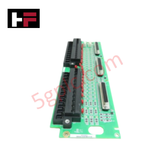
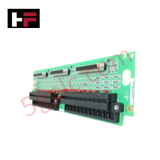
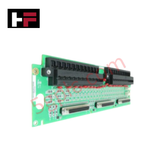
Product Details
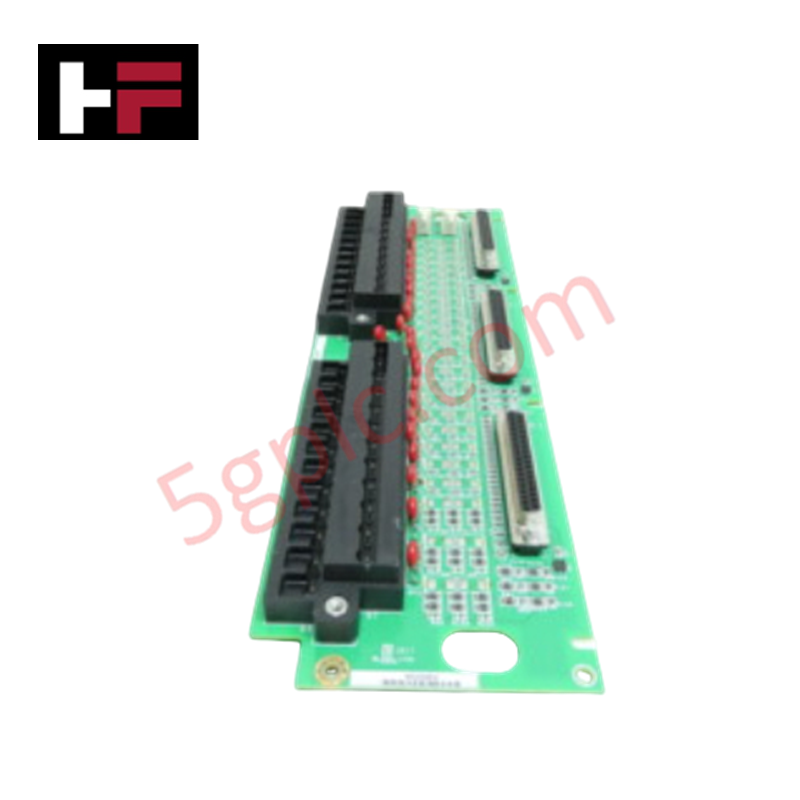
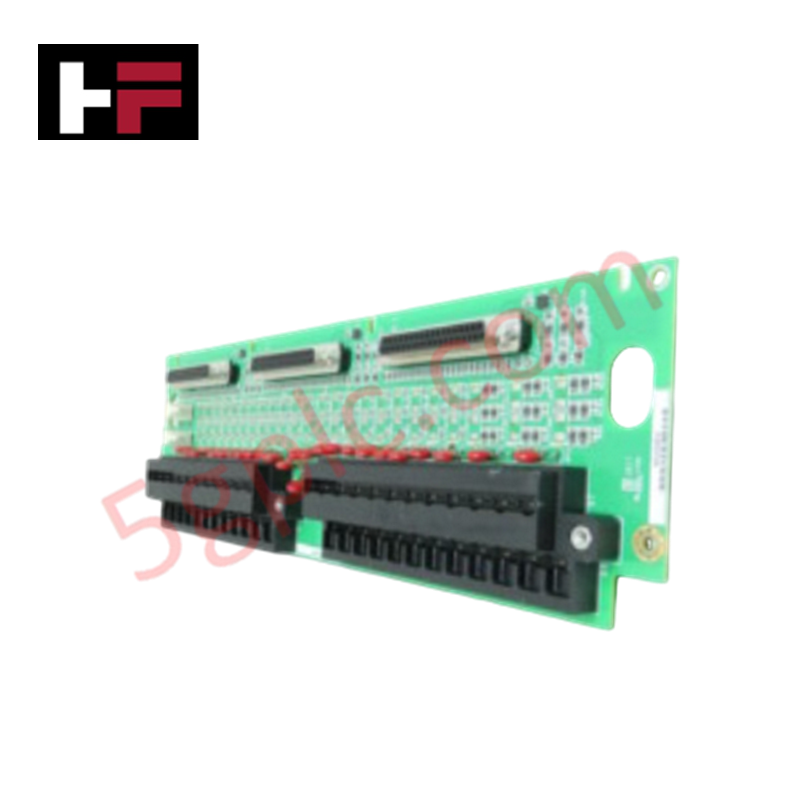
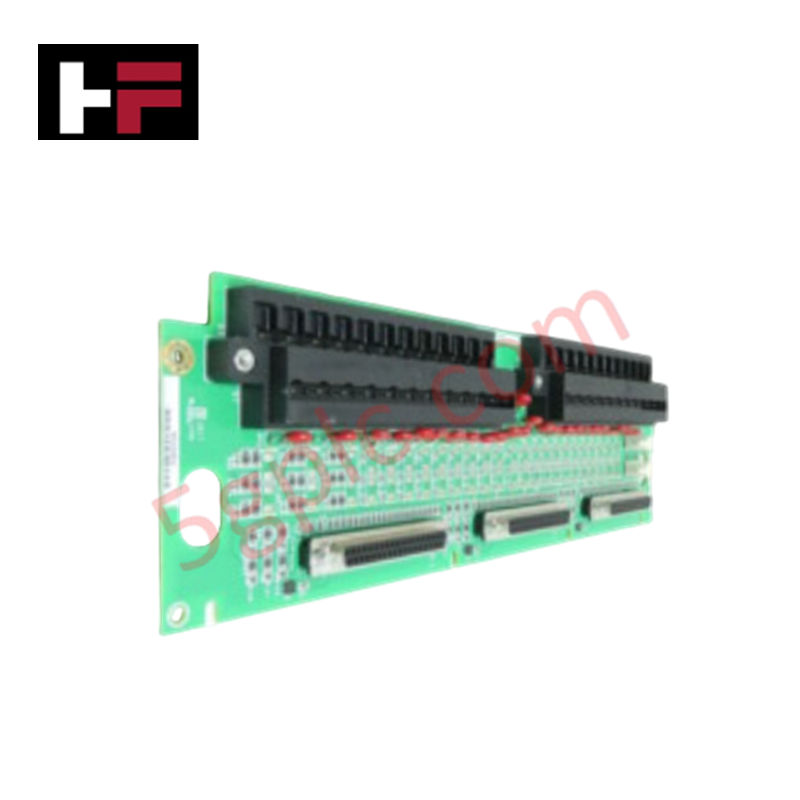
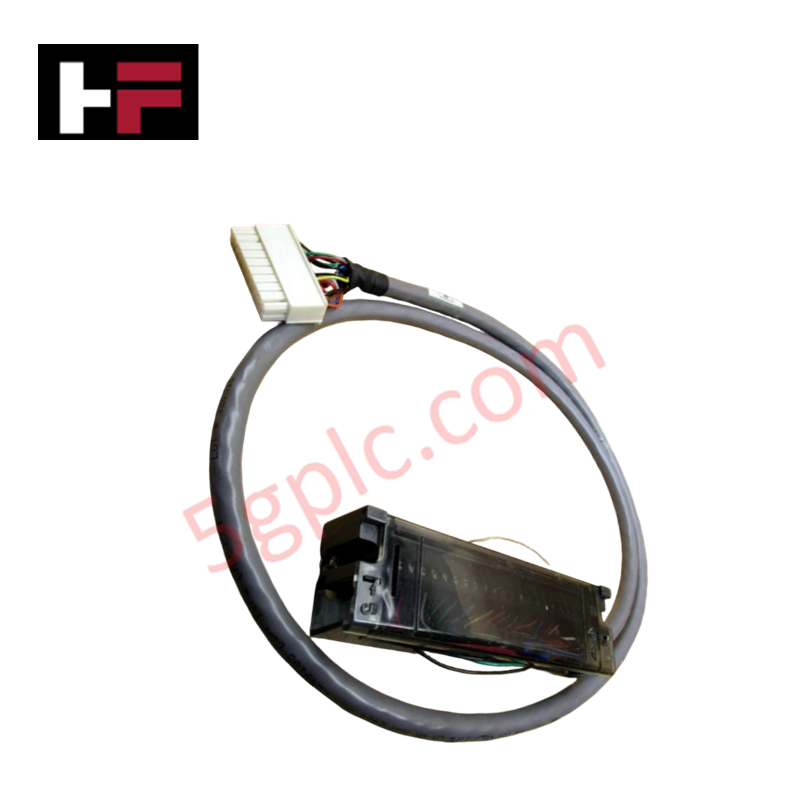
Configured for discrete signal acquisition in Mark VI control platforms, the GE IS200TBCIH1C (IS200TBCIH1C Contact Input Terminal Board) provides direct physical/electrical execution of high-density dry contact monitoring.
Hardware Specifications
| Parameter | Specification |
|---|---|
| Model | IS200TBCIH1C |
| Brand | General Electric |
| Origin | USA |
| Weight | Not specified |
| Dimensions | Not specified |
| Operating Temp | -30 deg C to 65 deg C |
| Power Consumption | 20.6 W |
| Channel Count | 24 contact voltage input channels |
| Input Voltage | 125 V DC |
Backplane Bus Communication Velocity and Firmware Compatibility
The IS200TBCIH1C serves as a primary interface for dry contact inputs, facilitating connection to the VME rack via shielded cabling. The board integrates hardware-level noise suppression circuitry to protect against high-frequency transients and surges on the 24 input channels. Through deterministic backplane bus communication, the terminal board reports contact states to the VCCC or VCRC processor boards. It maintains firmware flash compatibility by mirroring the functional architecture of previous board revisions (TBCIH1B/2B), ensuring seamless integration within both simplex and triple modular redundancy (TMR) Mark VI system configurations.
Frequently Asked Questions
Q: Is this terminal board compatible with TMR configurations?
A: Yes, the IS200TBCIH1C is designed to support both simplex and TMR system architectures within the Mark VI control platform. It utilizes molded cable connections to maintain signal parity across redundant processor interfaces.
Q: What precautions should be taken regarding the 125 V DC wetting voltage?
A: The board requires an external 125 V DC source to excite the dry contact inputs. Ensure that the source is properly fused and that the wiring to the barrier-type terminal blocks is rated for the specified voltage to prevent insulation breakdown.
Field Installation Guidelines
- Mounting: Ensure the terminal board is securely mounted within the cabinet. Verify that the grounding lugs are properly bonded to the cabinet chassis to maintain the efficacy of the onboard noise suppression circuits.
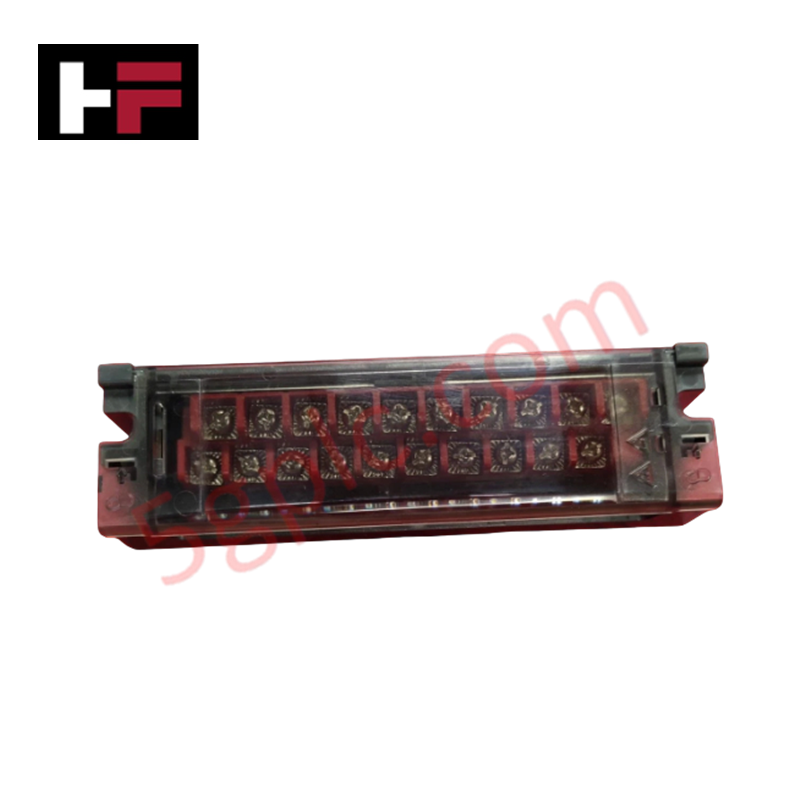
- Wiring: Connect field dry contacts to the two barrier-type terminal blocks. Use shielded twisted-pair cabling to minimize induced noise, especially when signal runs are in proximity to high-voltage AC lines.
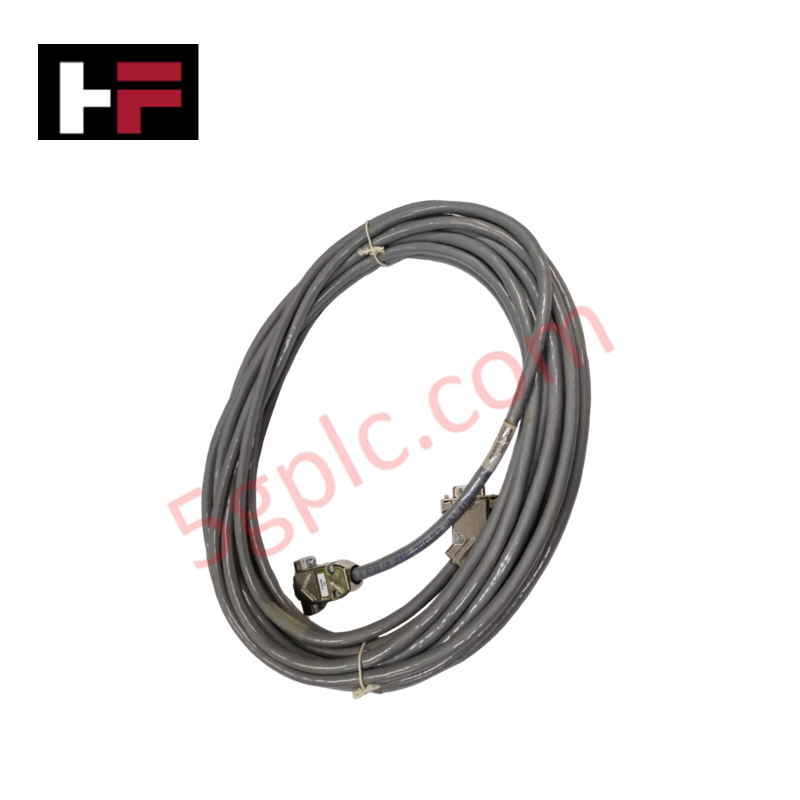
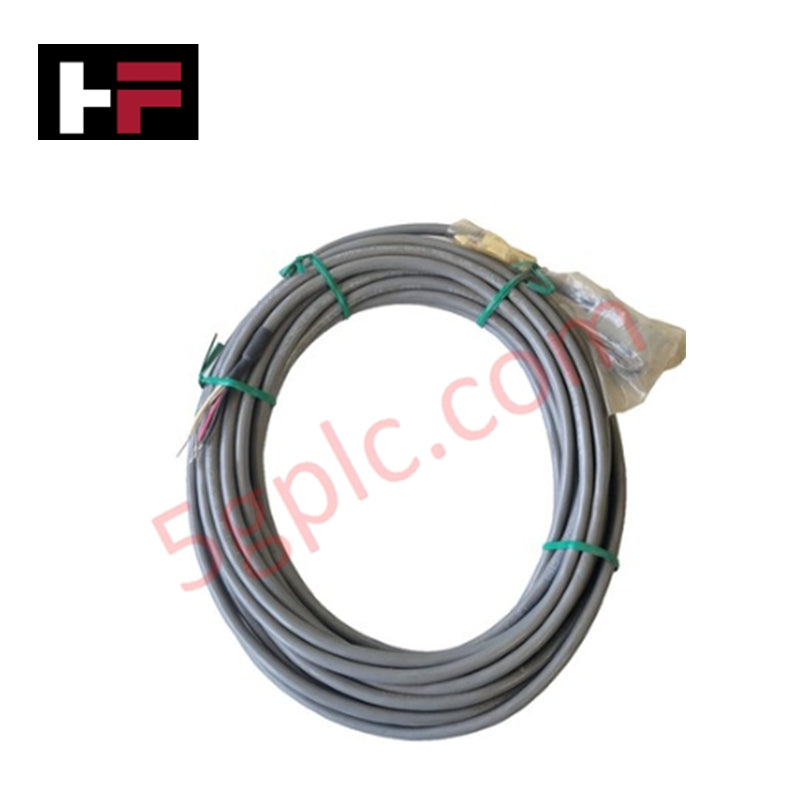
- Cable Termination: Ensure the molded connectors interfacing with the VME rack are fully seated. Visually inspect pins for alignment before engagement to prevent damage to the backplane interface.
- Maintenance: Periodically verify the tightness of the barrier-type terminal screws to prevent high-resistance connections. High-resistance joints in 125 V DC contact loops can generate localized heat and lead to intermittent signal status reporting.
Additional Information
- 100% Genuine Parts: All products are original and authentic, ensuring reliable industrial performance.
- 30-Day Refund Guarantee: Return any in-stock item within 30 days in original, unopened packaging for a full refund (excluding shipping and fees).
- 12-Month Warranty: Covers defects in materials or workmanship; excludes misuse, normal wear, or unauthorized modifications.
- Worldwide Shipping: We ship via USPS, UPS, FedEx, and DHL. Delivery times vary by country and may be subject to customs or import fees.
- Support & Contact: Technical and warranty assistance is available anytime. Contact us here: Contact.
- Purchase Guidance: Check product specifications and compatibility carefully before ordering to ensure proper application.





Tech & Buying Guide

Voice-Activated Industrial Automation: Integrating Speech Control into PLC and DCS Architectures
Industrial automation integrates speech recognition, IIoT protocols, and NLP with PLCs and DCS to streamline operations. By leveraging advanced edge computing, engineers enable real-time, hands-free control—allowing personnel to manage smart factory processes safely away from hazardous equipment.
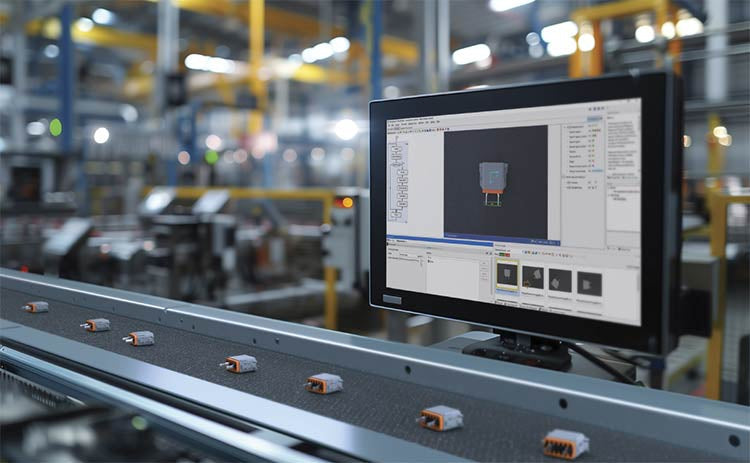
Modern Industrial Automation: Transforming Safety and Efficiency in Mining Operations
Industrial automation has evolved from a simple manufacturing tool into the operational backbone of high-risk sectors. Modern mining operations increasingly rely on advanced control systems, programmable logic controllers (PLCs), distributed control systems (DCS), and artificial intelligence to address deep-underground hazards. By replacing manual labor in high-risk zones, factory automation technologies protect personnel while significantly boosting operational throughput.