










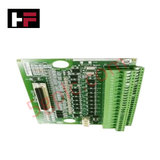
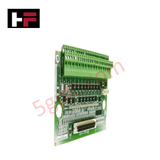
Product Details
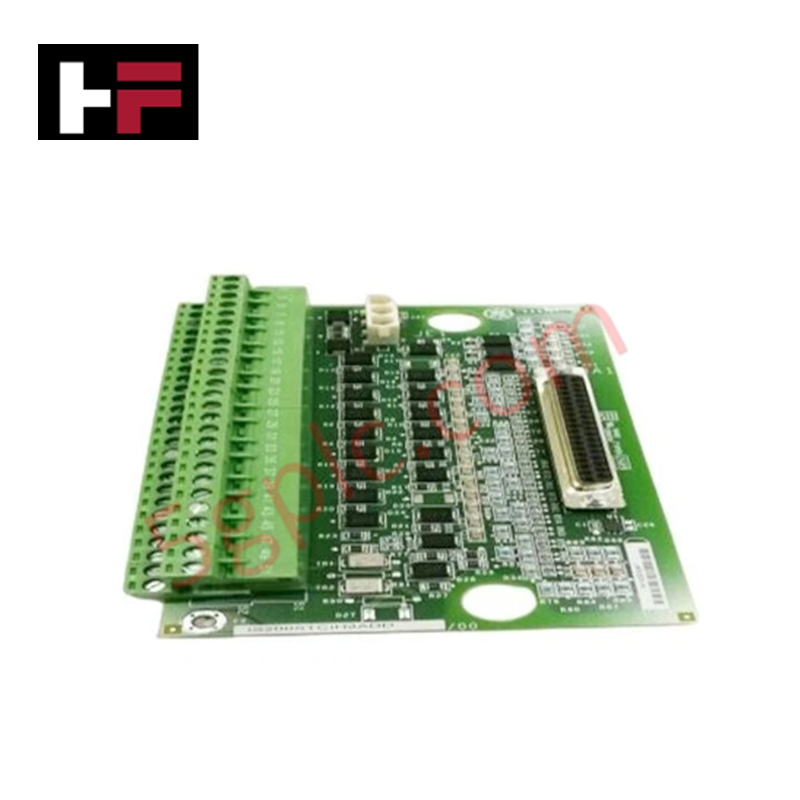
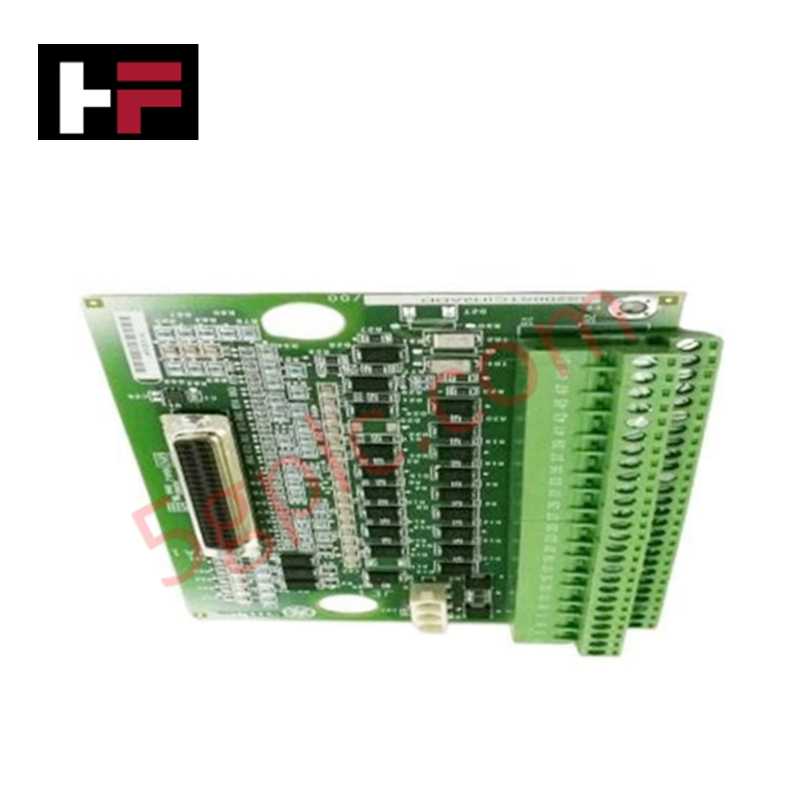
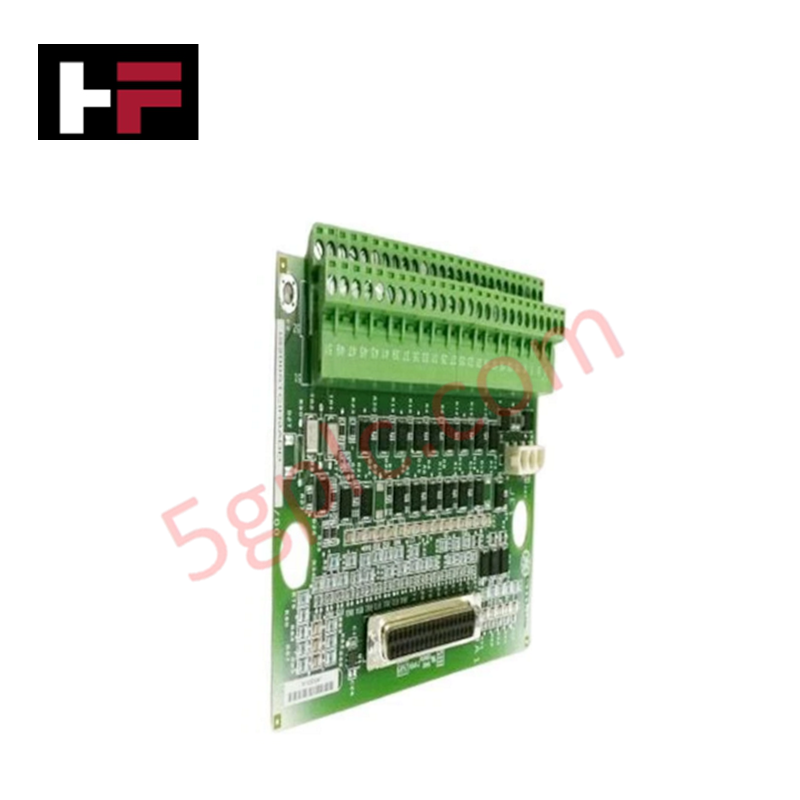
Configured for contact input signal acquisition in Mark VI control systems, the General Electric IS200STCIH2A (IS200STCIH2A Terminal Board) provides direct physical/electrical execution of high-density signal termination and noise suppression.
Hardware Specifications
| Parameter | Specification |
|---|---|
| Model | IS200STCIH2A |
| Brand | General Electric |
| Origin | United States (USA) |
| Contact Inputs | 24 |
| Excitation Voltage | 24, 48, 125 V dc |
| Compatibility | PAIC I/O Pack |
| System Architecture | Simplex |
Industrial Control and Firmware Integration
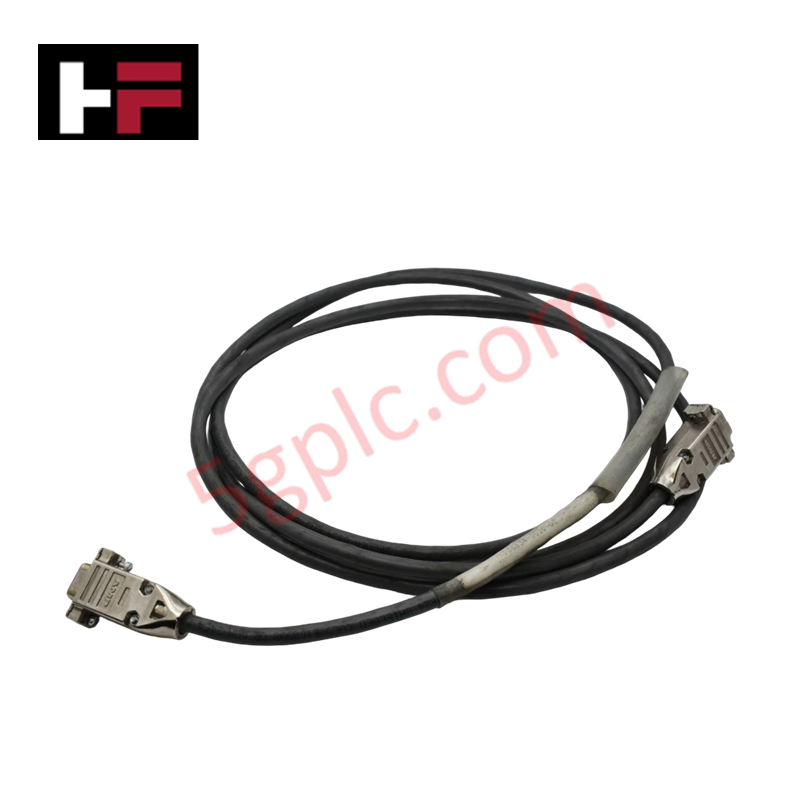
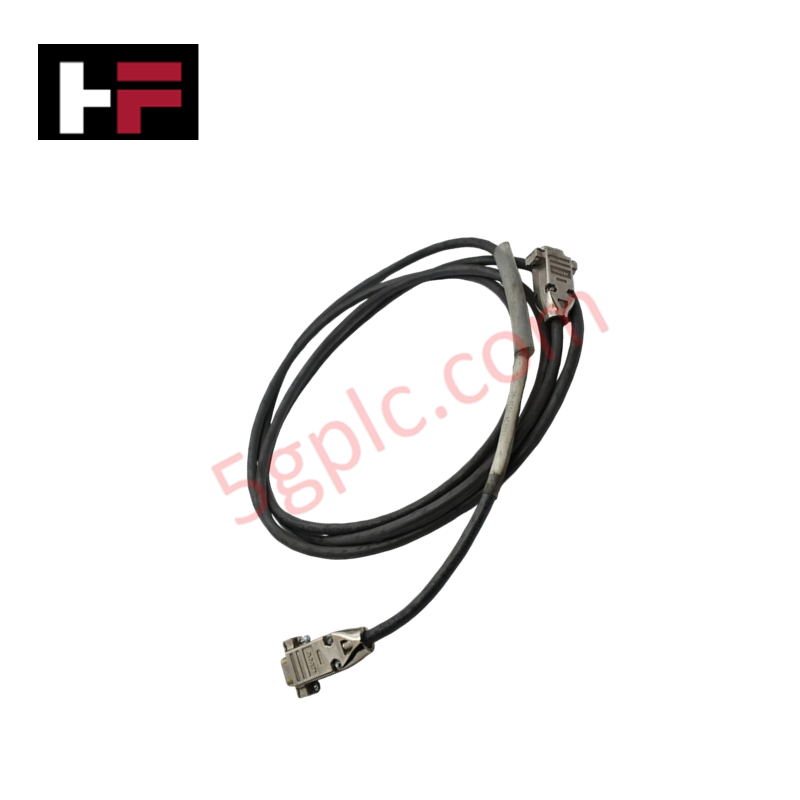
The IS200STCIH2A facilitates communication between field contacts and the controller through the integrated PAIC I/O pack. The module utilizes a D-type connector to interface with the I/O pack, which subsequently manages Ethernet-based data transmission to the host controller. The design incorporates dedicated filtering circuits for each input channel, providing surge protection and high-frequency noise suppression to maintain signal integrity. In a simplex configuration, the board supports variable DC excitation levels, requiring careful monitoring of firmware flash compatibility within the PAIC pack to ensure accurate state transition detection during rapid contact polling.
Frequently Asked Questions (FAQ)
Q: Can the IS200STCIH2A be used in redundant I/O configurations?
A: No, this terminal board is strictly limited to simplex system architectures. It does not support TMR or redundant I/O pack pairings.
Q: What is the primary function of the onboard noise suppression circuits?
A: The circuits are designed to mitigate surge voltages and high-frequency electrical noise originating from external field wiring, ensuring that the contact input state is correctly interpreted by the PAIC I/O pack.
Field Installation Guidelines
- Mounting: The board is suitable for either DIN-rail or flat-panel installation. Ensure the mounting surface is conductive or provided with a dedicated ground strap to maintain chassis potential.
- Signal Termination: Terminate field contact wiring directly to the board terminals. Observe proper polarity for the external 24, 48, or 125 V dc excitation sources.
- I/O Pack Seating: Carefully align the PAIC I/O pack with the board-mounted D-type connector. Apply even pressure to ensure a secure friction fit; improper seating can result in intermittent communication loss over the Ethernet link.
- Shielding: To maintain the efficacy of the noise suppression features, ensure that all input cables are properly shielded and that shields are terminated to the designated ground lugs on the terminal board.
- Verification: Post-installation, perform a loop check by manually toggling field contacts to verify state changes are accurately reported in the control system HMI.
Additional Information
- 100% Genuine Parts: All products are original and authentic, ensuring reliable industrial performance.
- 30-Day Refund Guarantee: Return any in-stock item within 30 days in original, unopened packaging for a full refund (excluding shipping and fees).
- 12-Month Warranty: Covers defects in materials or workmanship; excludes misuse, normal wear, or unauthorized modifications.
- Worldwide Shipping: We ship via USPS, UPS, FedEx, and DHL. Delivery times vary by country and may be subject to customs or import fees.
- Support & Contact: Technical and warranty assistance is available anytime. Contact us here: Contact.
- Purchase Guidance: Check product specifications and compatibility carefully before ordering to ensure proper application.
Tech & Buying Guide
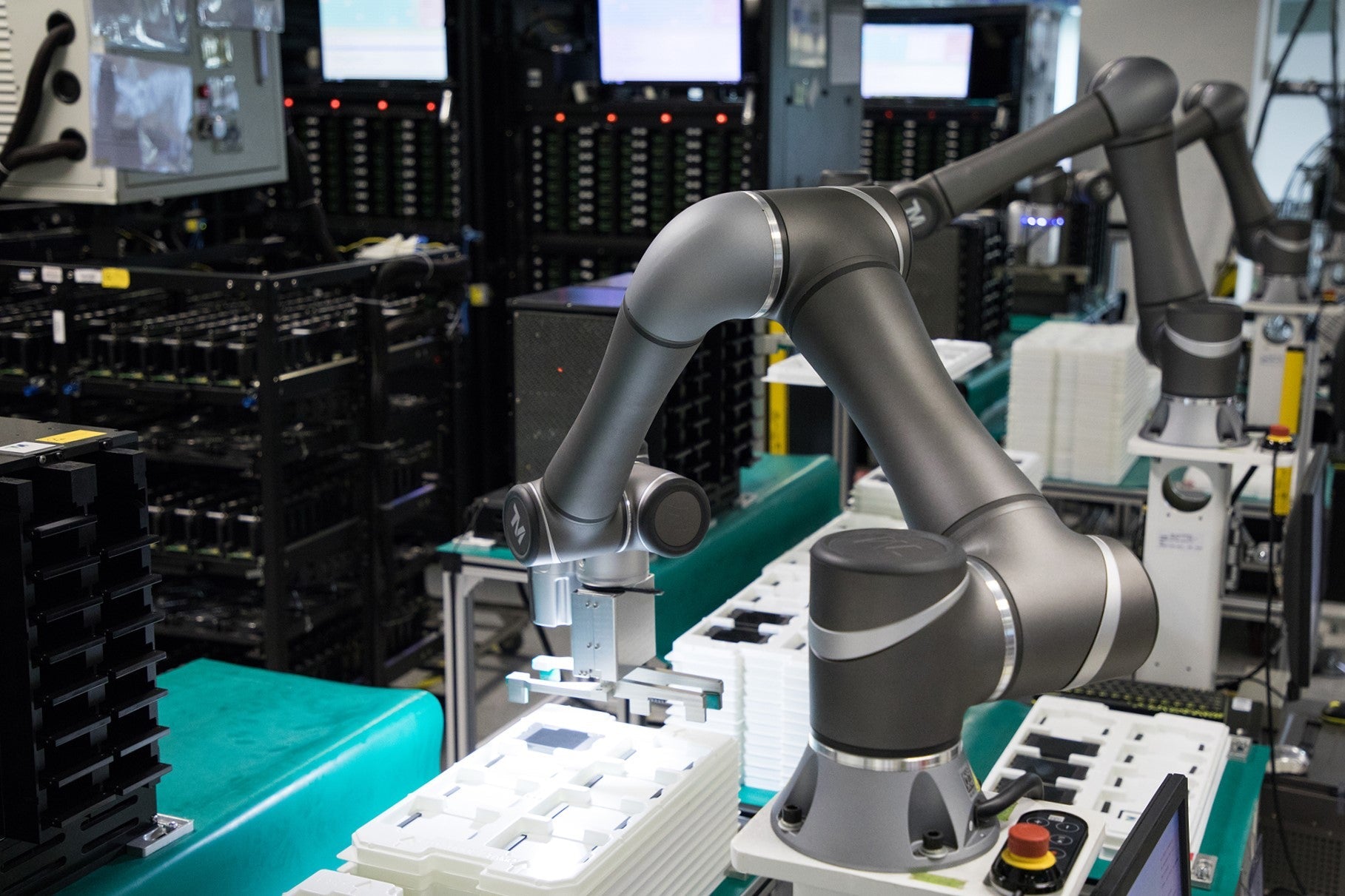
Redundant Automation Systems: Ensuring Continuous Uptime in Critical Control Infrastructure
System reliability directly determines operational profitability across high stakes process industries. Modern industrial automation platforms must eliminate single points of failure to prevent catastrophic shutdowns. Deploying fault tolerant architecture safeguards complex facilities against unexpected hardware glitches, network disruptions, and maintenance outages.

Understanding Types of Noise in Electronic Circuits and Control Systems
Signal integrity directly determines measurement accuracy and loop stability across industrial automation environments. Electronic noise introduces unwanted stochastic interference into analog loops, sensor feedback lines, and digital fieldbus networks. Understanding how intrinsic electronic noise and external electromagnetic interference manifest allows control engineers to optimize signal conditioning and shield sensitive instrumentation effectively.

Why 24V DC Power Supplies Standardize Modern Industrial Automation
Industrial control cabinets worldwide rely on 24V DC as the universal power standard for field instrumentation, sensors, and controllers. Walk into any manufacturing plant, and you will find PLCs, human-machine interfaces (HMIs), and smart actuators running on extra-low voltage DC. Standardizing on 24V DC enhances operational safety, lowers cabinet footprint, and maintains steady control performance across factory networks.