










Product Details
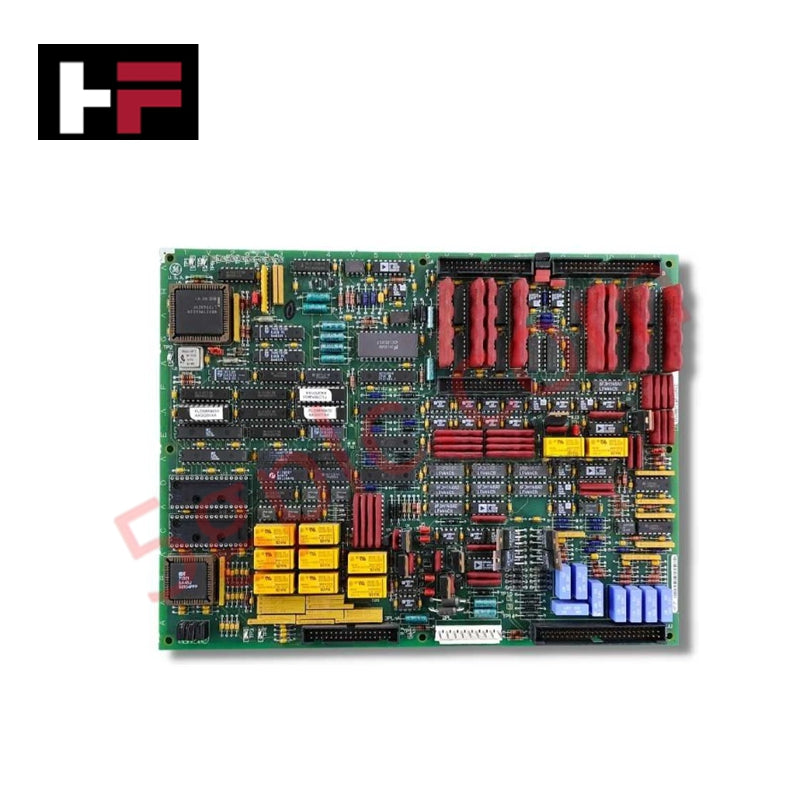
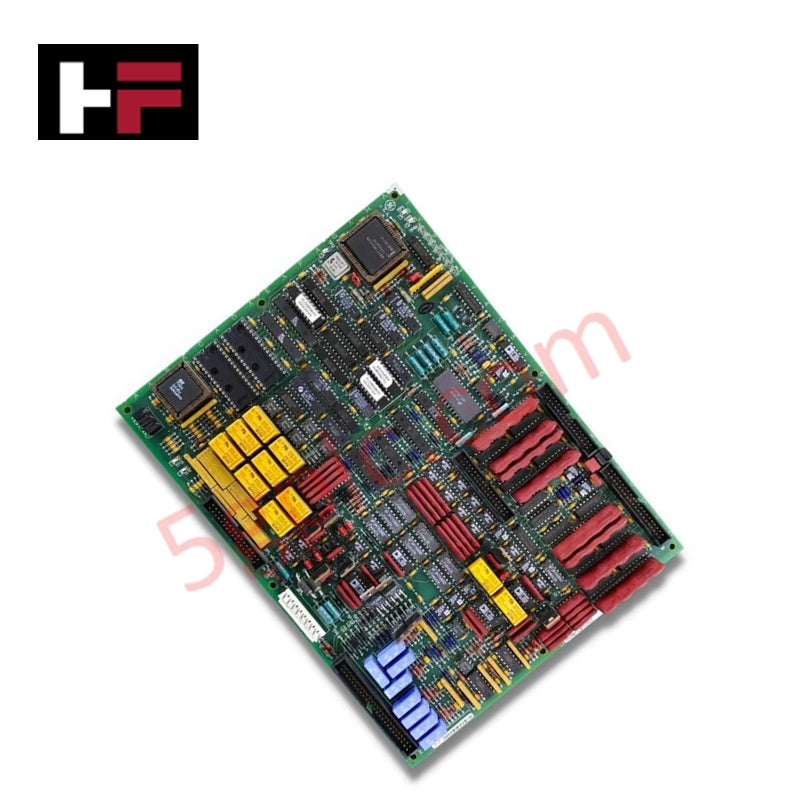
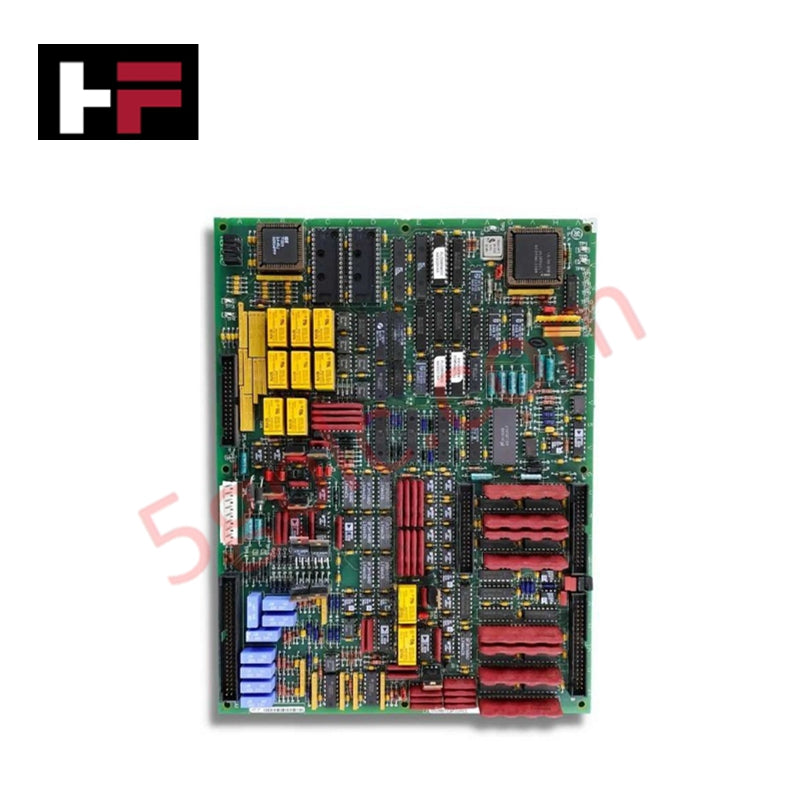
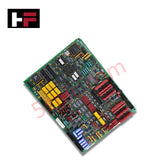
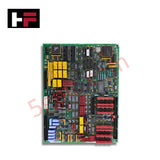
Configured for signal expansion and circuit regulation in Mark V turbine control systems, the GE DS200TCQFG1A (DS200TCQF Analog I/O Extension Card) provides direct physical execution of circuit switching and status monitoring.
Hardware Specifications
| Parameter | Specification |
|---|---|
| Model | DS200TCQFG1A |
| Brand | General Electric |
| Origin | USA |
| Operating Temp | Standard industrial range |
| Power Consumption | Not specified |
| Connectors | 2 x 50-pin (JUU, JB), 1 x 34-pin (JA), 1 x 9-pin |
| Status Indicators | 6 x Horizontal green LEDs |
Backplane Bus Communication and Deterministic Processing
The DS200TCQFG1A employs onboard electronic relays to facilitate circuit switching during routine processing cycles. These relays utilize soldered wire leads to maintain mechanical connection stability within the board assembly. The module interfaces with the control cabinet backplane via a 34-pin connector (JA) and two 50-pin connectors (JUU, JB). Deterministic I/O status is verified through 6 horizontally positioned LEDs, which illuminate green when power is applied and the respective logic functions are operating within nominal parameters. These indicators serve as the primary diagnostic interface for verifying backplane bus communication velocity and operational status during active processing.
Frequently Asked Questions
Q: Are the soldered relay wire leads field-replaceable?
A: No. The relays and their wire leads are factory-soldered to the PCB assembly. Attempting to repair or replace these components in the field risks damaging the circuit traces and compromising the structural integrity of the board.
Q: What is the significance of the 6 green LEDs on the board face?
A: Each LED corresponds to a specific I/O function or power rail. A green, illuminated LED indicates that the assigned function is receiving power and operating within normal design limits. If an LED is dark, it signals a loss of power or a failure in the corresponding circuit.
Field Installation Guidelines
- Ensure the Mark V control rack is de-energized before inserting the DS200TCQFG1A card to prevent electrical transients from damaging the I/O connectors.
- Verify that all 50-pin and 34-pin cable assemblies are correctly oriented and fully seated in their respective ports (JUU, JB, JA) to ensure reliable signal transmission.
- Handle the board by its edges or faceplate to protect the soldered relay leads from mechanical stress and to prevent electrostatic discharge damage.
- After installation, observe the horizontal LED array; all 6 LEDs must be green to confirm correct power distribution and functional synchronization with the drive control system.
Additional Information
- 100% Genuine Parts: All products are original and authentic, ensuring reliable industrial performance.
- 30-Day Refund Guarantee: Return any in-stock item within 30 days in original, unopened packaging for a full refund (excluding shipping and fees).
- 12-Month Warranty: Covers defects in materials or workmanship; excludes misuse, normal wear, or unauthorized modifications.
- Worldwide Shipping: We ship via USPS, UPS, FedEx, and DHL. Delivery times vary by country and may be subject to customs or import fees.
- Support & Contact: Technical and warranty assistance is available anytime. Contact us here: Contact.
- Purchase Guidance: Check product specifications and compatibility carefully before ordering to ensure proper application.


Tech & Buying Guide

Will PLCs Become Obsolete? The Future of Control Systems in Industry 4.0
Modern manufacturing is undergoing a rapid technological transformation driven by Industry 4.0 innovations. Technologies like Artificial Intelligence (AI), Machine Learning (ML), and the Industrial Internet of Things (IIoT) are dominating discussions across the factory automation sector. Consequently, many engineers wonder if these advanced digital tools will eventually replace traditional Programmable Logic Controllers (PLCs). However, evaluating the core physics of industrial operations reveals a very different reality for control systems.

Demystifying Open Platform Communication (OPC): The Backbone of Industrial Interoperability
Interoperability remains a cornerstone requirement for modern smart factories and process automation. Open Platform Communication (OPC) bridges the gap between disparate hardware platforms, control systems, and visualization software. By establishing a universal communication standard, OPC allows field controllers, SCADA platforms, and enterprise software from different vendors to exchange real-time data seamlessly.

Understanding Siemens PLC Memory Cards: MMC, SMC, and SD Solutions in Industrial Automation
Memory management plays a pivotal role in maintaining control system reliability across modern manufacturing plants. Industrial control systems rely on specialized memory cards to store project logic, firmware updates, and retentive system data. Siemens uses several memory architectures, including Micro Memory Cards (MMC) and SIMATIC Memory Cards (SMC). Engineers must understand these hardware variations to ensure zero data loss and minimize downtime during maintenance routines.