










Product Details
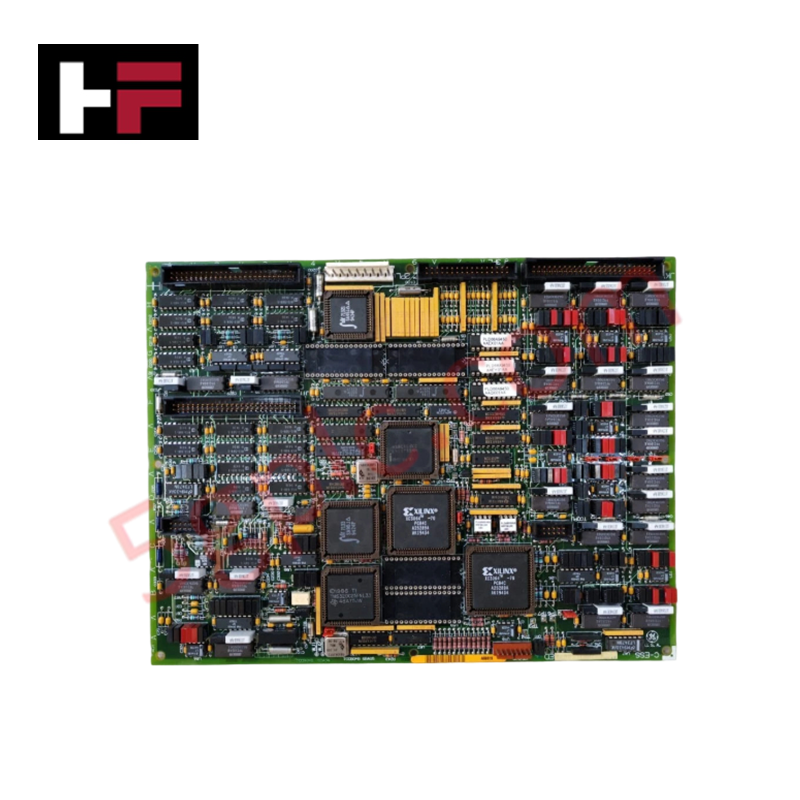
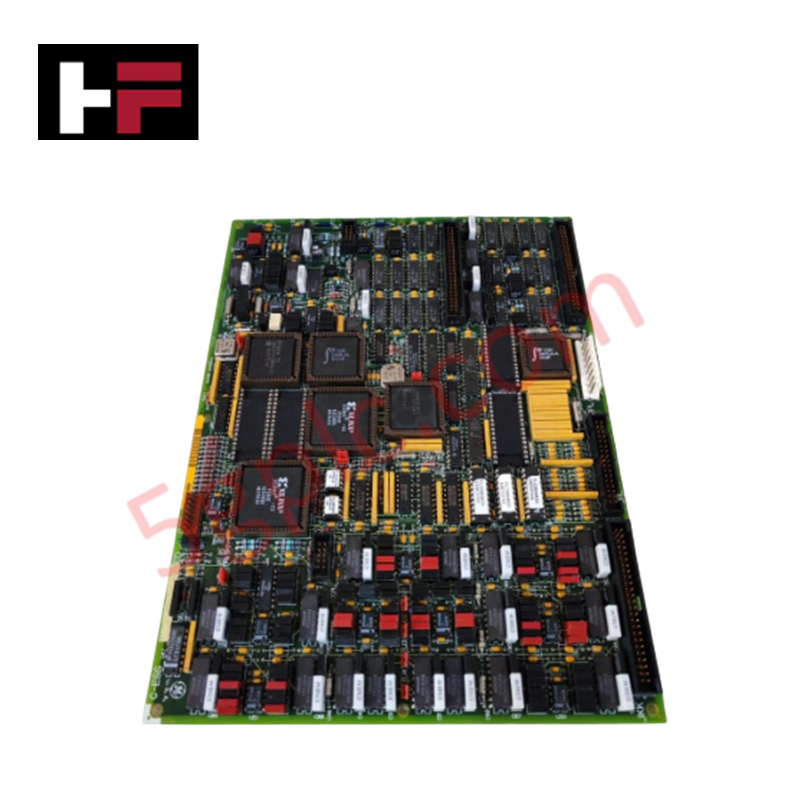
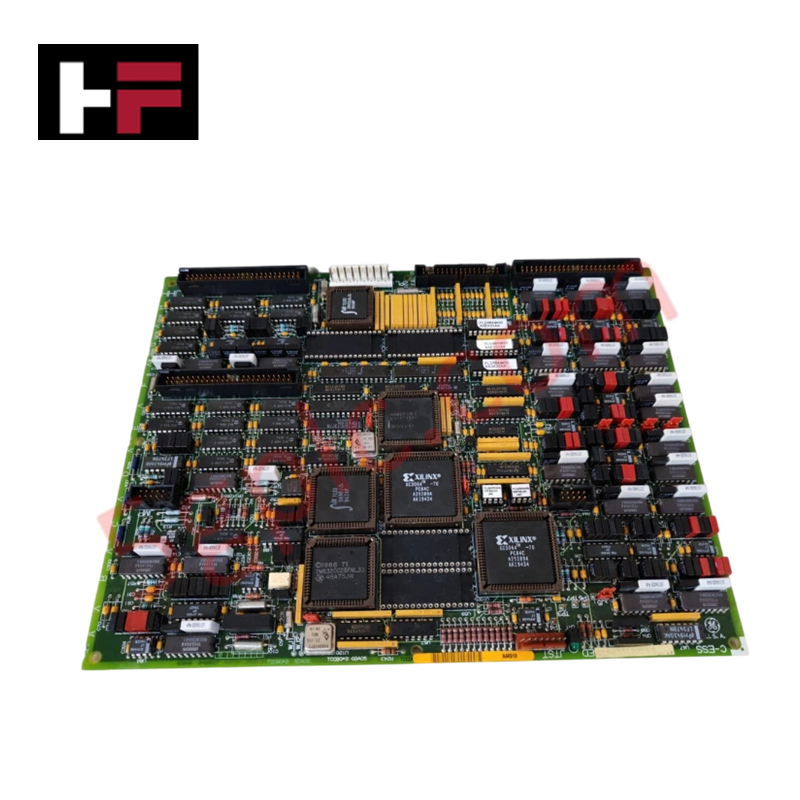
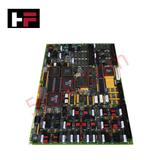
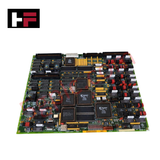
Configured for analog signal conditioning and scaling in Mark V control platforms, the GE DS200TCCBG3B (DS200TCCB Common Extended Analog I/O Board) provides direct physical/electrical execution for generator and bus monitoring inputs.
Hardware Specifications
| Parameter | Specification |
|---|---|
| Model | DS200TCCBG3B |
| Brand | General Electric |
| Origin | USA |
| Dimensions | Standard Mark V PCB footprint |
| Operating Temp | Per Mark V environmental standards |
| Power Consumption | Backplane rail supply |
| Microprocessor | 80196 |
| Connectivity | 2 x 50-pin (JCC, JDD), 1 x 3PL |
Profinet / EtherNet/IP Deterministic Networks and Firmware Compatibility
The DS200TCCBG3B utilizes an onboard 80196 microprocessor to perform real-time scaling and conditioning of line current, RTD, and bus voltage signals. The board maintains firmware flash compatibility with the host Mark V core, ensuring that data packets transferred to the STCA board via the 3PL connector adhere to system-wide deterministic timing requirements. Proper configuration of hardware jumpers J1 through J5 is mandatory for defining the generator and bus voltage monitoring logic. Any deviation in bus communication velocity or firmware versioning between the TCCB and the core controller will disrupt the calculation of generator megawatts, power factor, and VAR values.
Frequently Asked Questions
Q: What is the purpose of the 50-pin connectors (JCC and JDD)?
A: These connectors facilitate high-density signal throughput, routing conditioned analog I/O signals from the terminal boards to the processing core. Ensure these are fully seated to prevent intermittent signal loss.
Q: Can the board configuration be modified via the HMI?
A: Yes. While hardware jumpers (J1-J16) define physical monitoring parameters, software I/O configuration constants for RTD, mA inputs, and generator/bus voltage settings are entered through the HMI I/O Configuration Editor.
Q: Are jumpers J15 and J16 required for standard operation?
A: No. Jumpers J15 and J16 are designated for factory and field testing purposes. They should remain in their default state unless specific diagnostic procedures require otherwise.
Field Installation Guidelines
- Static Protection: The 80196 microprocessor and PROMs are sensitive to electrostatic discharge. Utilize a grounded wrist strap throughout the installation process.
- Jumper Verification: Prior to system power-up, verify that jumpers J1 through J5 are set according to the site-specific turbine control documentation for generator and bus monitoring.
- Cable Routing: Ensure the 50-pin ribbon cables (JCC/JDD) and 3PL connections are not routed alongside high-voltage AC cables to minimize electromagnetic interference on the analog signal lines.
- Terminal Seating: Inspect the PTBA/TCEB interconnection points. Ensure all connections are secure to avoid common-mode errors in voltage or current measurement scaling.
- Logic Update: After physical installation, confirm the HMI configuration settings align with the hardware jumper setup to ensure accurate data processing for power system monitoring.
Additional Information
- 100% Genuine Parts: All products are original and authentic, ensuring reliable industrial performance.
- 30-Day Refund Guarantee: Return any in-stock item within 30 days in original, unopened packaging for a full refund (excluding shipping and fees).
- 12-Month Warranty: Covers defects in materials or workmanship; excludes misuse, normal wear, or unauthorized modifications.
- Worldwide Shipping: We ship via USPS, UPS, FedEx, and DHL. Delivery times vary by country and may be subject to customs or import fees.
- Support & Contact: Technical and warranty assistance is available anytime. Contact us here: Contact.
- Purchase Guidance: Check product specifications and compatibility carefully before ordering to ensure proper application.


Tech & Buying Guide

Demystifying CPU Communication Ports in Siemens PLC Architectures
Industrial automation relies heavily on robust data exchange between devices. Without seamless connectivity, field instruments, network switches, human-machine interfaces, and programmable logic controllers cannot coordinate effectively. Therefore, understanding the various CPU communication ports available in Siemens hardware ensures efficient factory automation design and seamless system integration.

Mastering the Siemens PLC Scan Cycle: How the CPU Executes Automation Programs
Industrial automation relies heavily on programmable logic controllers (PLCs) to manage complex manufacturing processes. Many engineers dive straight into programming without mastering the underlying architecture. However, understanding how a PLC CPU executes a program ensures reliable system design. Therefore, mastering the scan cycle optimizes both performance and troubleshooting in modern control systems.

How to Connect to Siemens S7 PLCs: 5 Essential Communication Methods
Establishing a reliable hardware link between a programming terminal and a Siemens SIMATIC controller is essential for engineering workflows. Field engineers rely on distinct physical layers, ranging from legacy serial connections to high-speed Industrial Ethernet protocols. Modern factory automation environments prioritize fast data transfer and seamless driver integration. Selecting the correct connection method simplifies program downloads, online monitoring, and system troubleshooting in complex control systems.