










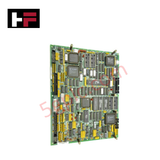
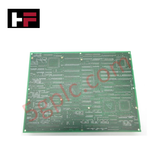
Product Details
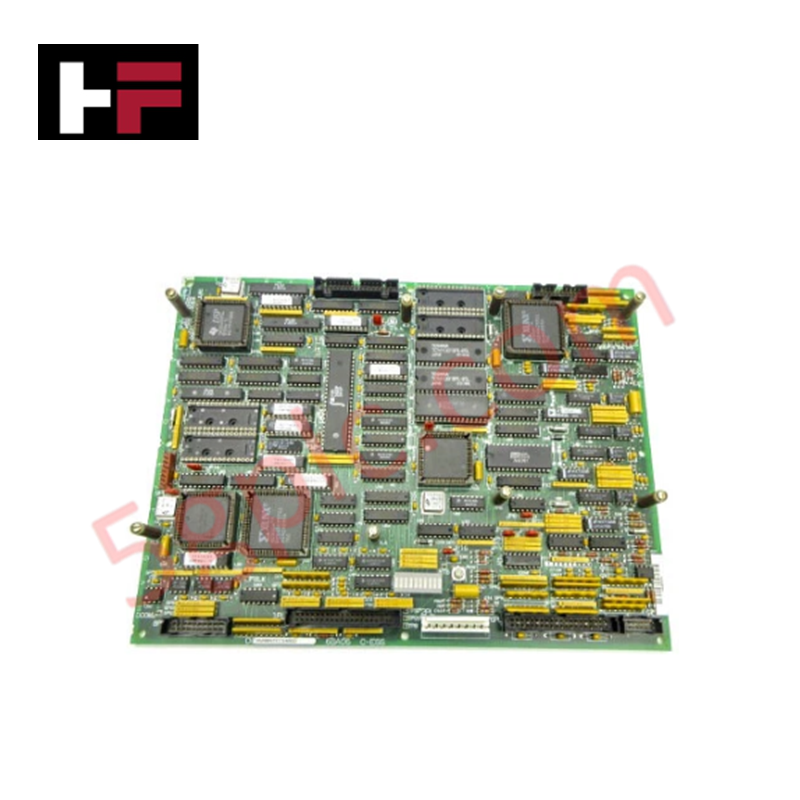
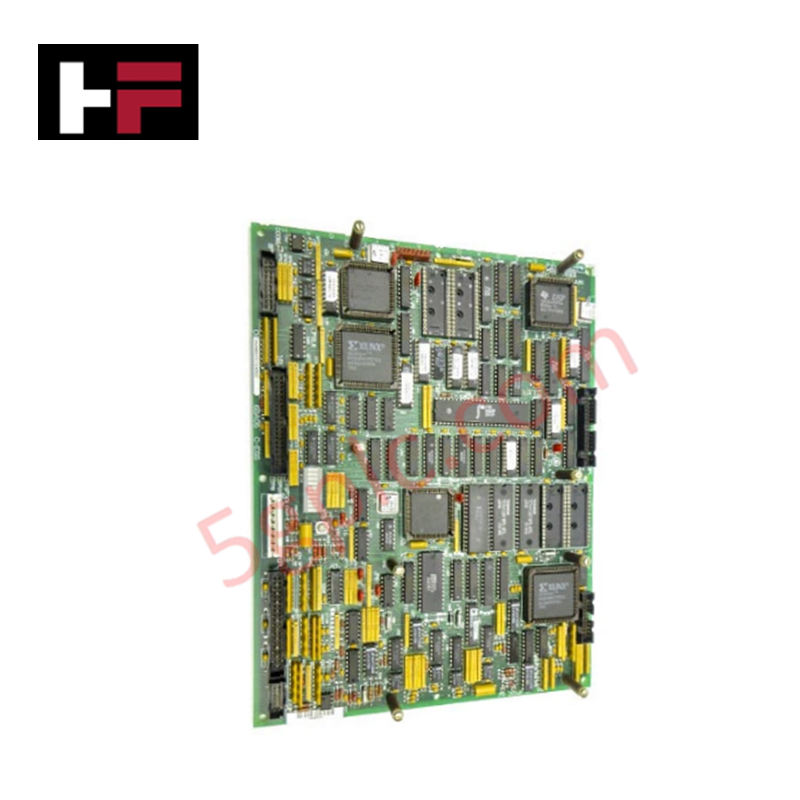
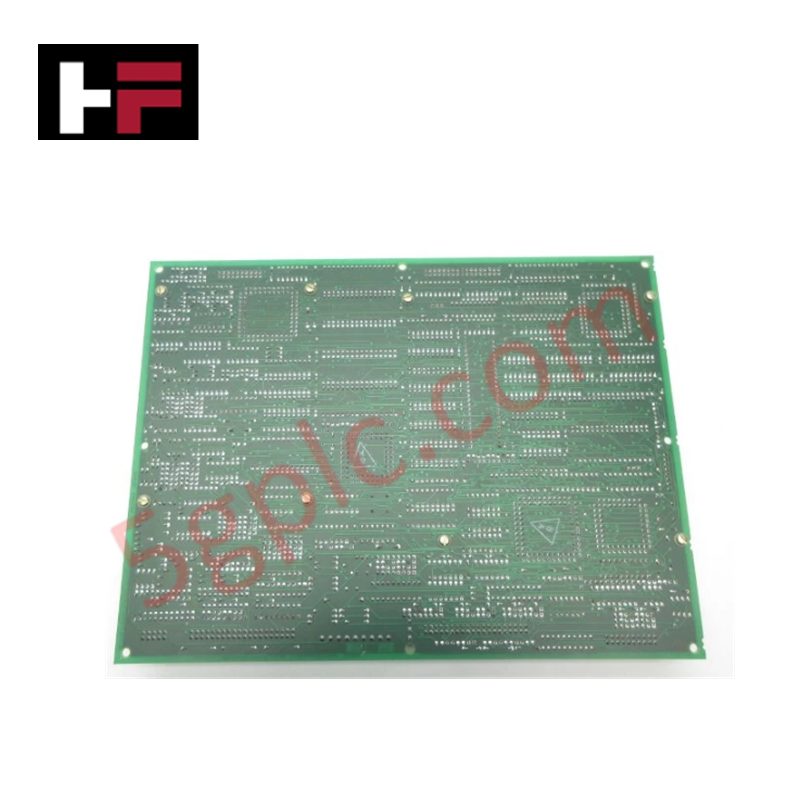
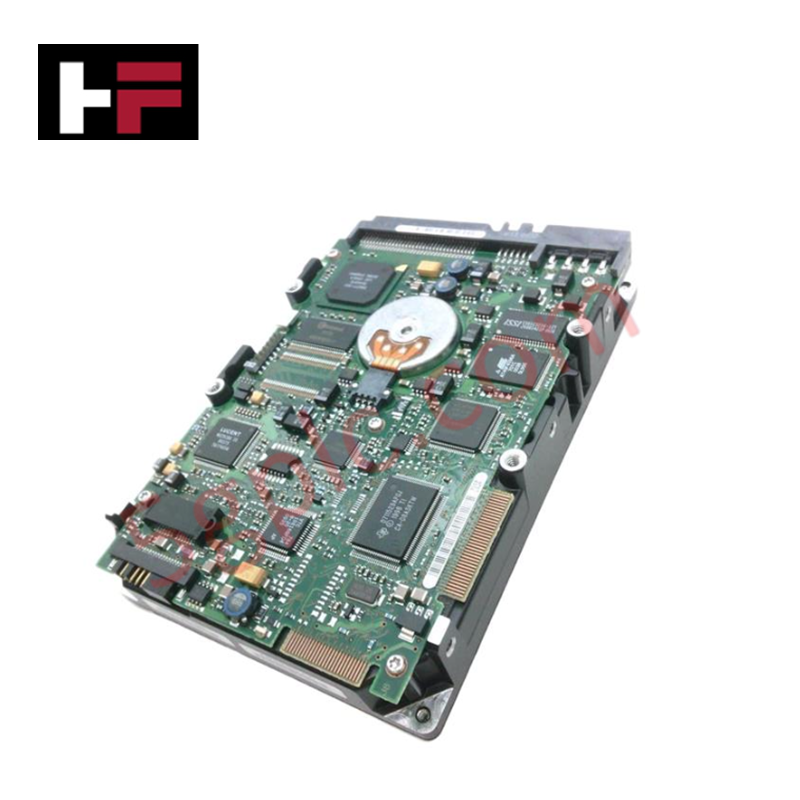
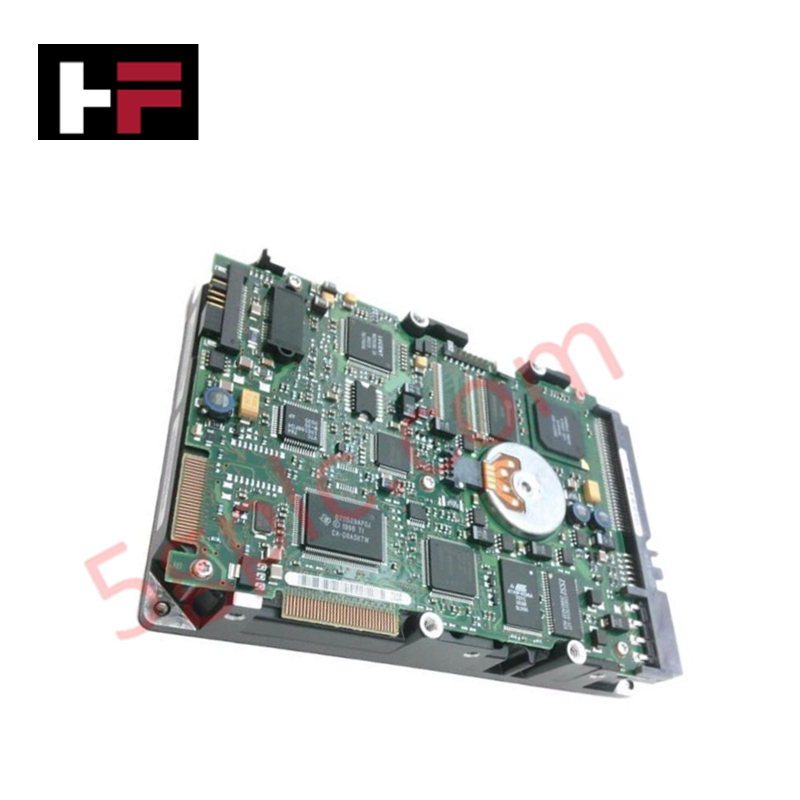
Configured for high-speed motor and drive regulation in Mark V control systems, the GE DS200SDCCG4A (DS200SDCCG4A Controller Board) provides direct physical execution of drive control, motor control, and co-motion processing tasks.
Hardware Specifications
| Parameter | Specification |
|---|---|
| Model | DS200SDCCG4A |
| Brand | GE (General Electric) |
| Origin | USA |
| Operating Temp | Standard industrial range |
| Microprocessors | 80C186 (DCP), 80C196 (MCP), TMS320C25 (CMP) |
| Memory | 4 x EPROM, 1 x EEPROM |
Backplane Bus Communication and Deterministic Processing
The DS200SDCCG4A utilizes three distinct 16-bit microprocessors interconnected via dual-ported RAM (DPR) to ensure deterministic communication across the Mark V backplane. The Drive Control Processor (DCP) handles system-level operations, while the Motor Control Processor (MCP) manages inner-loop current regulation. For computationally intensive tasks, the Co-motion Processor (CMP) employs a TMS320C25 digital signal processor. Firmware flash compatibility is managed through onboard EPROM sockets, with site-specific calibration parameters stored within the U9 EEPROM. Precise address decoding and DMA control are maintained to ensure stable backplane bus communication velocity during complex ac/dc motor drive sequences.
Frequently Asked Questions
Q: Are the memory chips (EPROM/EEPROM) hot-swappable during system operation?
A: No. Memory chips located in the sockets must be replaced only while the card is powered down. Hot-swapping these components while the drive is active will cause immediate control failure and potential corruption of configuration data.
Q: How is the CMP processor utilized within the SDCC architecture?
A: The CMP (U35) is enabled only for motor control algorithms requiring processing power exceeding the capabilities of the MCP. It interfaces exclusively with its dedicated dual-ported RAM and EPROM to maintain high-speed execution of math-intensive control loops.
Field Installation Guidelines
- Ensure the control system is fully de-energized before inserting or removing the DS200SDCCG4A card from the Mark V cabinet rack.
- Verify that all jumper settings on the replacement board match the original configuration before installation to prevent conflicts in I/O scaling.
- Handle the board by the edges or the faceplate to avoid electrostatic discharge (ESD) damage to the microprocessors and memory chips.
- After installation, confirm that the EEPROM (U9) contains the correct site-specific parameters, as the new board will not be pre-configured with the specific tuning constants of the drive it is replacing.
Additional Information
- 100% Genuine Parts: All products are original and authentic, ensuring reliable industrial performance.
- 30-Day Refund Guarantee: Return any in-stock item within 30 days in original, unopened packaging for a full refund (excluding shipping and fees).
- 12-Month Warranty: Covers defects in materials or workmanship; excludes misuse, normal wear, or unauthorized modifications.
- Worldwide Shipping: We ship via USPS, UPS, FedEx, and DHL. Delivery times vary by country and may be subject to customs or import fees.
- Support & Contact: Technical and warranty assistance is available anytime. Contact us here: Contact.
- Purchase Guidance: Check product specifications and compatibility carefully before ordering to ensure proper application.




Tech & Buying Guide

Mastering the Siemens PLC Scan Cycle: How the CPU Executes Automation Programs
Industrial automation relies heavily on programmable logic controllers (PLCs) to manage complex manufacturing processes. Many engineers dive straight into programming without mastering the underlying architecture. However, understanding how a PLC CPU executes a program ensures reliable system design. Therefore, mastering the scan cycle optimizes both performance and troubleshooting in modern control systems.

How to Connect to Siemens S7 PLCs: 5 Essential Communication Methods
Establishing a reliable hardware link between a programming terminal and a Siemens SIMATIC controller is essential for engineering workflows. Field engineers rely on distinct physical layers, ranging from legacy serial connections to high-speed Industrial Ethernet protocols. Modern factory automation environments prioritize fast data transfer and seamless driver integration. Selecting the correct connection method simplifies program downloads, online monitoring, and system troubleshooting in complex control systems.

Will PLCs Become Obsolete? The Future of Control Systems in Industry 4.0
Modern manufacturing is undergoing a rapid technological transformation driven by Industry 4.0 innovations. Technologies like Artificial Intelligence (AI), Machine Learning (ML), and the Industrial Internet of Things (IIoT) are dominating discussions across the factory automation sector. Consequently, many engineers wonder if these advanced digital tools will eventually replace traditional Programmable Logic Controllers (PLCs). However, evaluating the core physics of industrial operations reveals a very different reality for control systems.