










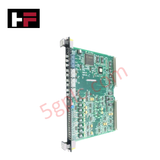
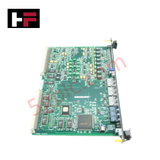
Product Details
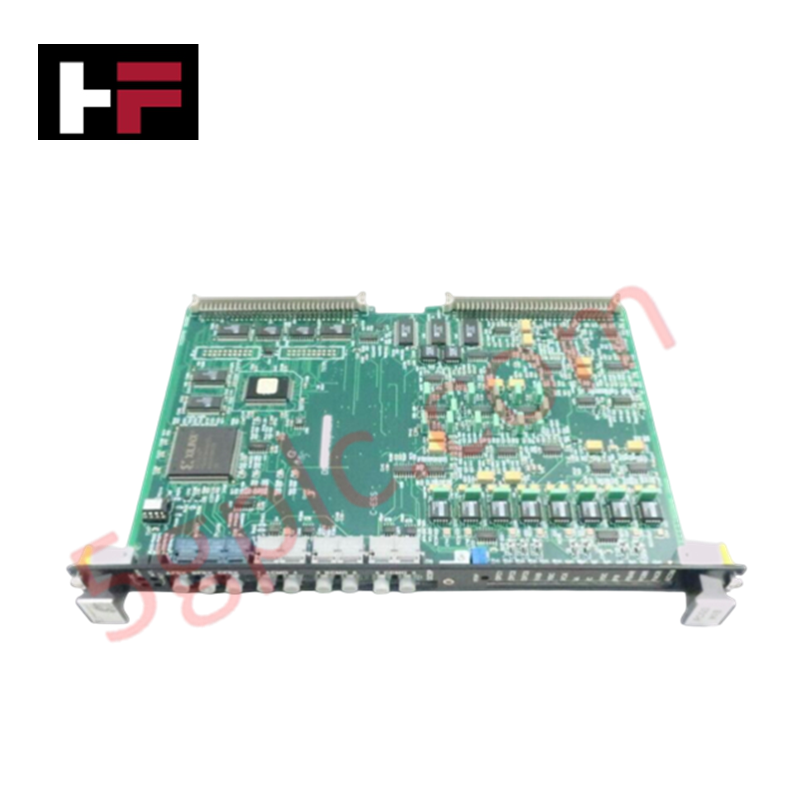
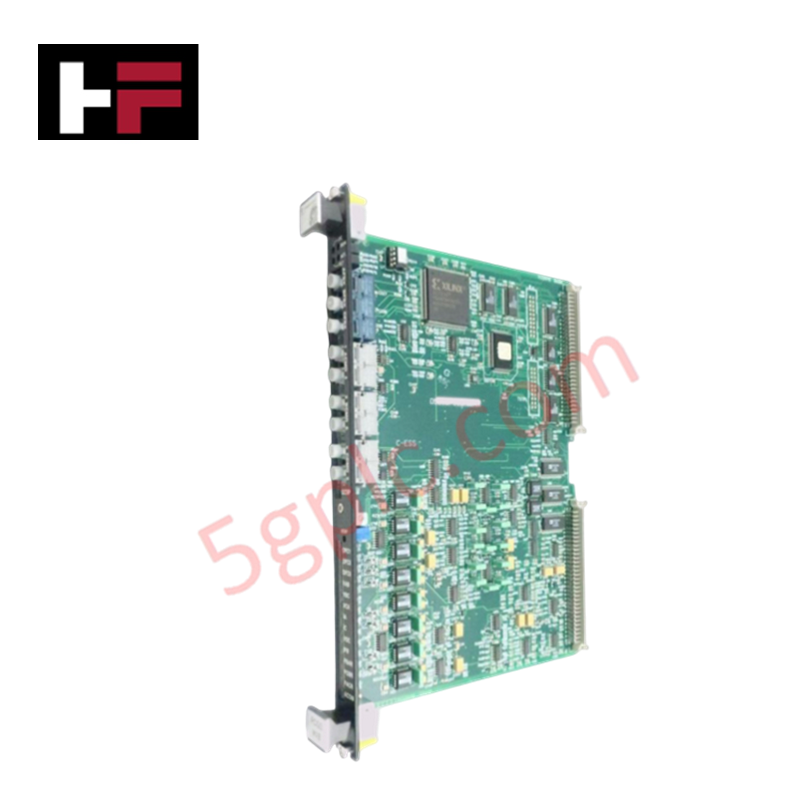
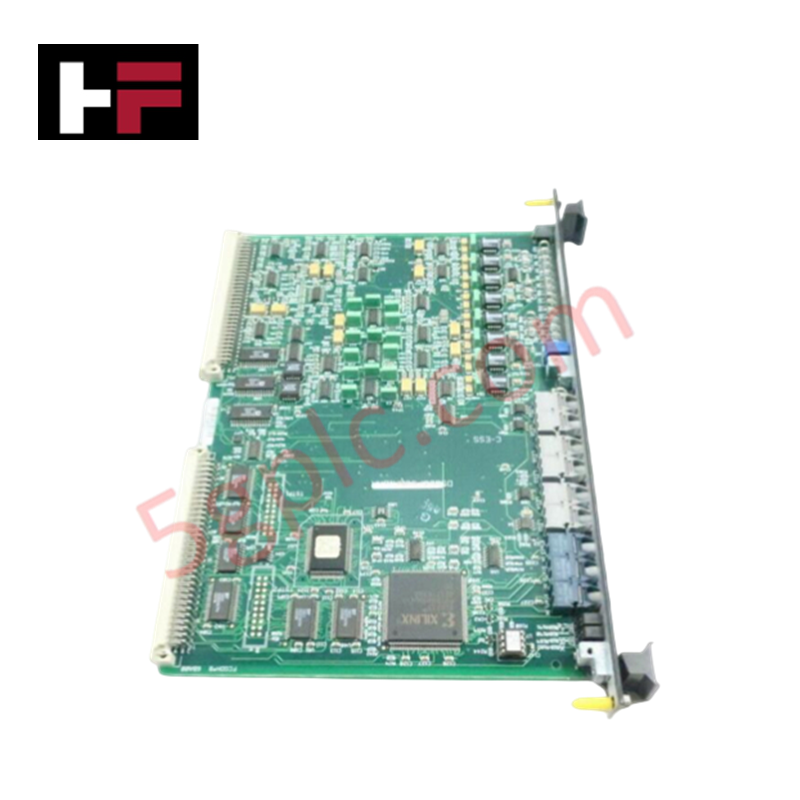
The GE DS200FCGDH1BAA, also cataloged as the DS200FCGDH1 Gating and LCI Control Board, operates as a dedicated hardware component for phase-controlled bridge gating and signal distribution within Mark V Speedtronic turbine control systems.
Hardware Specifications
| Parameter | Specification |
|---|---|
| Model | DS200FCGDH1BAA |
| Brand | General Electric |
| Origin | USA |
| Weight | 0.34 kg (12 ounces) |
| Core Components | Xilinx FPGA, DSPC interface, 2 rear male connectors |
Industrial Control & Firmware Compatibility
The DS200FCGDH1BAA module is engineered to integrate into VME backplane architectures, serving as a gateway for phase-controlled non-reversing bridge systems. Computational logic is managed via an onboard Xilinx FPGA, which interprets signals relayed from the DSPC board. Firmware flash compatibility is intrinsically linked to the FPGA logic configuration; therefore, hardware replacement must ensure parity with existing system-level firmware versions to maintain deterministic timing in gating pulses. I/O density scaling is managed through high-speed backplane bus communication, requiring precise seating within the drive rack to ensure electrical continuity across the rear horizontal male connectors.
Frequently Asked Questions
Q: Can the DS200FCGDH1BAA be hot-swapped while the drive is energized?
A: No. The board must not be removed or inserted while the system is under power. The unit contains sensitive FPGA logic and VME backplane pins that may be damaged by transient voltages or improper seating sequences during hot-swapping.
Q: What is the purpose of the LED indicators on the front faceplate?
A: The LEDs located on the lower surface of the front faceplate provide visual diagnostic feedback regarding the operational state of the gating signals and card communication status. Refer to system-specific status tables for interpretation of indicator patterns during active operation.
Field Installation Guidelines
- Mechanical Mounting: Ensure the faceplate clip components are fully engaged after insertion. The clips provide necessary structural retention to prevent the board from backing out of the VME slot due to mechanical vibration within the turbine cabinet.
- Connector Alignment: Align the rear male connectors carefully with the backplane receptors. Forceful insertion can bend or damage the pins, leading to intermittent signal transmission or short circuits.
- ESD Prevention: Use anti-static protection when handling the PCB. As the board contains field-programmable gate arrays, it is susceptible to damage from electrostatic discharge during manual handling.
- Signal Grounding: Ensure the faceplate is firmly secured to the cabinet chassis to maintain a consistent chassis ground reference, which is required to minimize electromagnetic interference on the gate signal paths.
Additional Information
- 100% Genuine Parts: All products are original and authentic, ensuring reliable industrial performance.
- 30-Day Refund Guarantee: Return any in-stock item within 30 days in original, unopened packaging for a full refund (excluding shipping and fees).
- 12-Month Warranty: Covers defects in materials or workmanship; excludes misuse, normal wear, or unauthorized modifications.
- Worldwide Shipping: We ship via USPS, UPS, FedEx, and DHL. Delivery times vary by country and may be subject to customs or import fees.
- Support & Contact: Technical and warranty assistance is available anytime. Contact us here: Contact.
- Purchase Guidance: Check product specifications and compatibility carefully before ordering to ensure proper application.


Tech & Buying Guide

Master Acceptance Testing: Understanding FAT and SAT in Industrial Control Systems
Factory Acceptance Testing (FAT) and Site Acceptance Testing (SAT) serve as critical quality assurance gateways in complex industrial control systems. Both procedures verify that programmable logic controllers (PLCs), distributed control systems (DCS), and associated field devices meet strict functional specifications. However, executing these tests effectively requires clear delineation between off-site staging and final field commissioning.

Industrial Networking Essentials: Demystifying Hubs, Switches, and Routers in Control Systems
Industrial automation relies heavily on robust networking infrastructure to connect programmable logic controllers (PLCs), distributed control systems (DCS), and human-machine interfaces (HMIs). Modern factory automation environments generate vast amounts of real-time operational data across deterministic networks. Understanding the structural differences between hubs, switches, and routers ensures optimal traffic segmentation, minimizes latency, and maintains high network availability.
Safety Relays in Industrial Automation: Fundamentals, Design Standards, and Fail-Safe Architecture
Safety relays form the bedrock of functional safety in modern factory automation, preventing catastrophic equipment failure and protecting plant personnel. While standard electromechanical relays handle basic load switching, they lack the redundant diagnostics required for high-risk industrial environments. Modern industrial automation platforms—including programmable logic controllers (PLCs) and distributed control systems (DCS)—rely on specialized safety relays to monitor field devices and isolate hazards instantly.