










Product Details
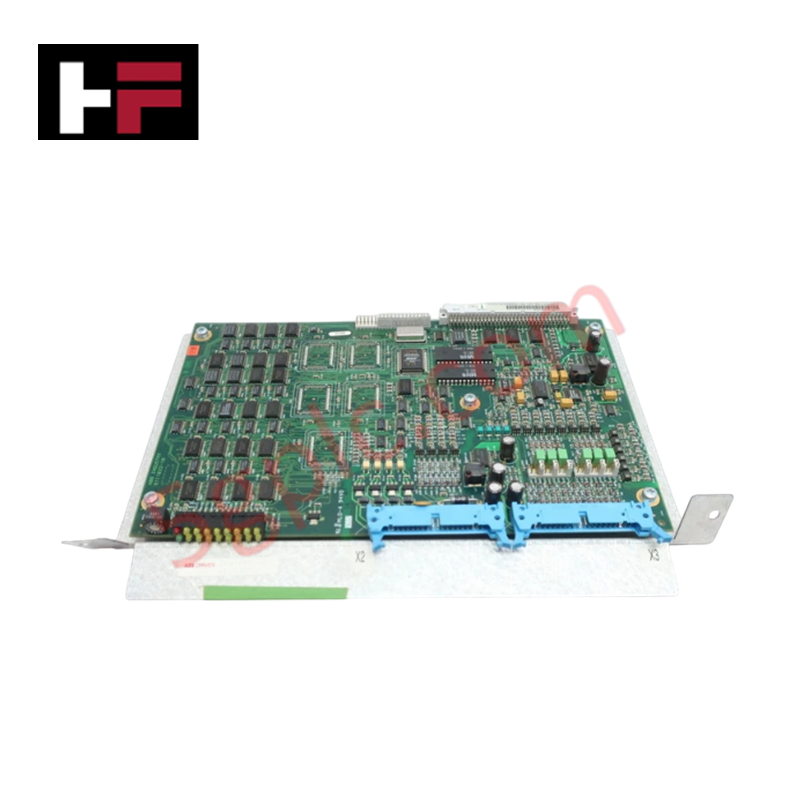
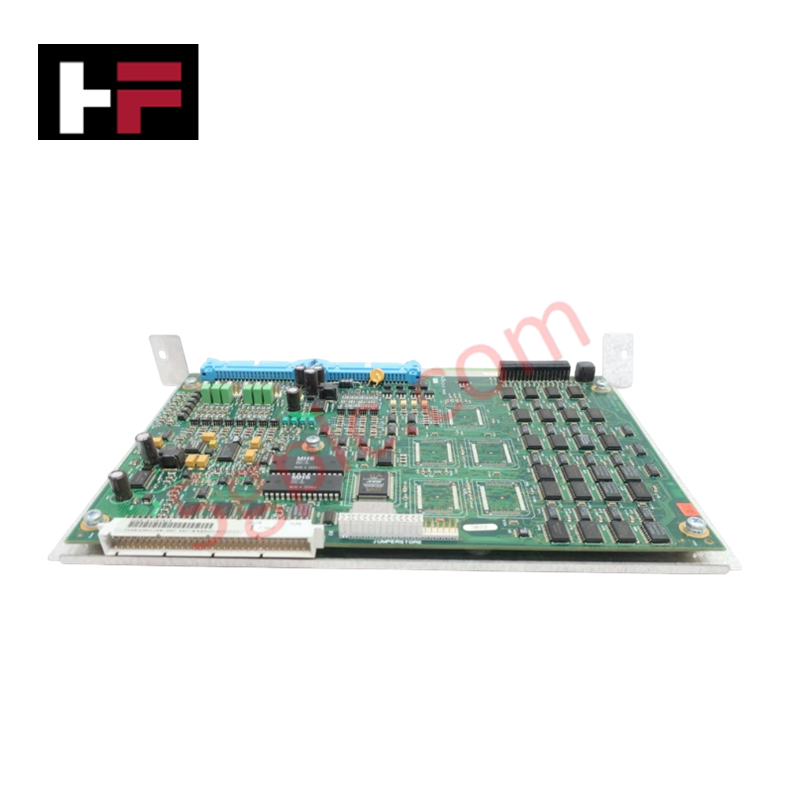
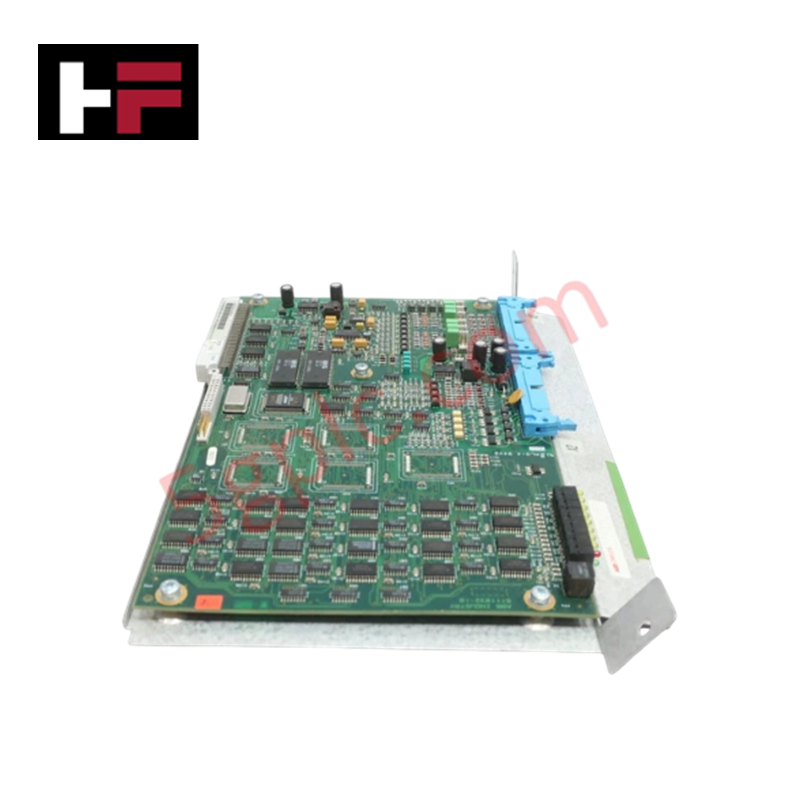
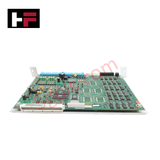
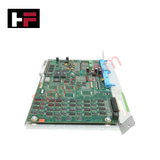
Configured for central logic processing and multi-channel system bus arbitration in GE Fanuc platforms, the GE 820-0472 (820-0472 Control Motherboard) provides direct physical/electrical execution.
Hardware Specifications
| Parameter | Specification |
|---|---|
| Model | 820-0472 |
| Brand | GE (GE Fanuc) |
| Origin | USA |
| Weight | 2 kg (4.41 lbs) |
| Dimensions | 170 mm x 70 mm x 31 mm |
| Operating Temp | Standard industrial operating range |
| Power Consumption | Power derived via host system rack backplane |
| Module Type | Control Motherboard |
| System Compatibility | GE Fanuc industrial automation architectures |
| Bus Architecture | High-speed integrated logic bus interface |
Deterministic Network Execution & Backplane Velocity
The 820-0472 board serves as the primary processing engine, arbitrating real-time data flow across high-density backplane lines and host processor interfaces. Internal bus drivers maintain deterministic instruction execution, keeping cycle latency low during concurrent I/O scanning cycles.
Interfacing through Profinet / EtherNet/IP deterministic networks via host expansion cards ensures minimal transmission jitter and stable timing. Synchronized firmware flash compatibility across installed module revisions prevents communication delays, supporting scalable I/O density architectures across complex controller networks.
Frequently Asked Questions
Q: What primary function does the 820-0472 board perform within the GE Fanuc system rack?
A: The 820-0472 operates as a main control motherboard, routing internal data lines, executing logic commands, and managing high-speed processing across the backplane.
Q: How is operating power delivered to the 820-0472 motherboard?
A: Power is supplied directly through the host rack backplane distribution bus, eliminating the need for external power connections directly to the circuit board.
Q: What physical mounting footprint does the 820-0472 PCB require?
A: The board measures 170 mm x 70 mm x 31 mm and fits into standard chassis slots or sub-rack card guides designed for this board outline.
Field Installation Guidelines
- System Power Shutdown: Completely de-energize the host enclosure power supply before inserting, removing, or servicing the motherboard.
- Card Slot Alignment: Slide the 820-0472 module along the chassis card guides, ensuring edge connectors align squarely with backplane header sockets before applying seating pressure.
- Mechanical Fastening: Tighten all retaining screws on the front faceplate to secure the PCB frame against vibration and maintain chassis earth continuity.
- ESD Controls: Handle the unshielded circuit card using an anti-static wrist strap attached to a clean cabinet earthing point to prevent electrostatic discharge damage.
- Airflow Clearance: Ensure cabinet fan trays and ventilation slots above and below the board rack remain unobstructed to maintain proper convective cooling.
Additional Information
- 100% Genuine Parts: All products are original and authentic, ensuring reliable industrial performance.
- 30-Day Refund Guarantee: Return any in-stock item within 30 days in original, unopened packaging for a full refund (excluding shipping and fees).
- 12-Month Warranty: Covers defects in materials or workmanship; excludes misuse, normal wear, or unauthorized modifications.
- Worldwide Shipping: We ship via USPS, UPS, FedEx, and DHL. Delivery times vary by country and may be subject to customs or import fees.
- Support & Contact: Technical and warranty assistance is available anytime. Contact us here: Contact.
- Purchase Guidance: Check product specifications and compatibility carefully before ordering to ensure proper application.


Tech & Buying Guide

Demystifying CPU Communication Ports in Siemens PLC Architectures
Industrial automation relies heavily on robust data exchange between devices. Without seamless connectivity, field instruments, network switches, human-machine interfaces, and programmable logic controllers cannot coordinate effectively. Therefore, understanding the various CPU communication ports available in Siemens hardware ensures efficient factory automation design and seamless system integration.

Mastering the Siemens PLC Scan Cycle: How the CPU Executes Automation Programs
Industrial automation relies heavily on programmable logic controllers (PLCs) to manage complex manufacturing processes. Many engineers dive straight into programming without mastering the underlying architecture. However, understanding how a PLC CPU executes a program ensures reliable system design. Therefore, mastering the scan cycle optimizes both performance and troubleshooting in modern control systems.

How to Connect to Siemens S7 PLCs: 5 Essential Communication Methods
Establishing a reliable hardware link between a programming terminal and a Siemens SIMATIC controller is essential for engineering workflows. Field engineers rely on distinct physical layers, ranging from legacy serial connections to high-speed Industrial Ethernet protocols. Modern factory automation environments prioritize fast data transfer and seamless driver integration. Selecting the correct connection method simplifies program downloads, online monitoring, and system troubleshooting in complex control systems.