










Product Details
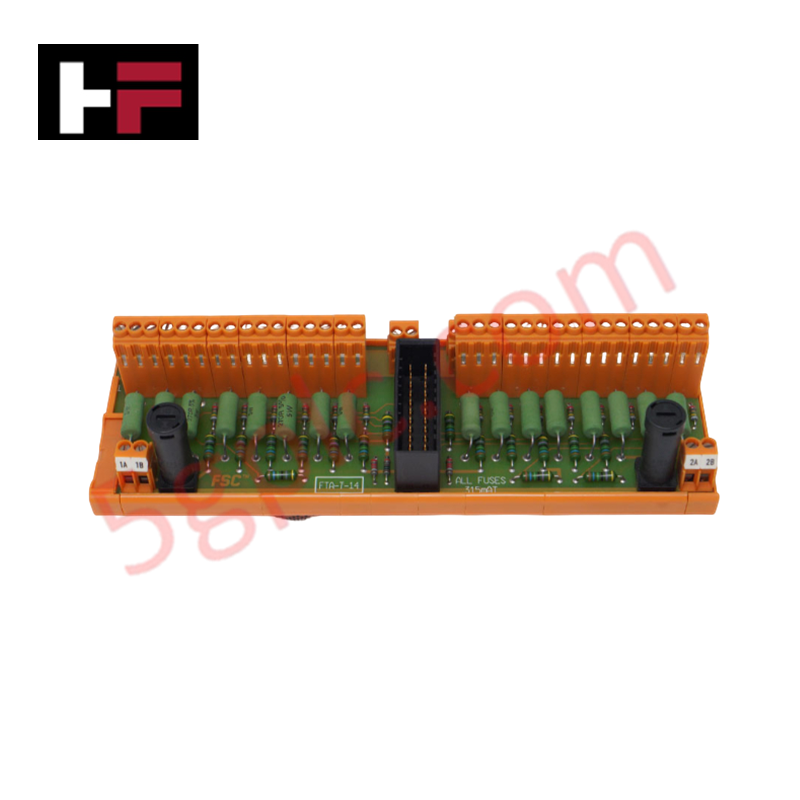
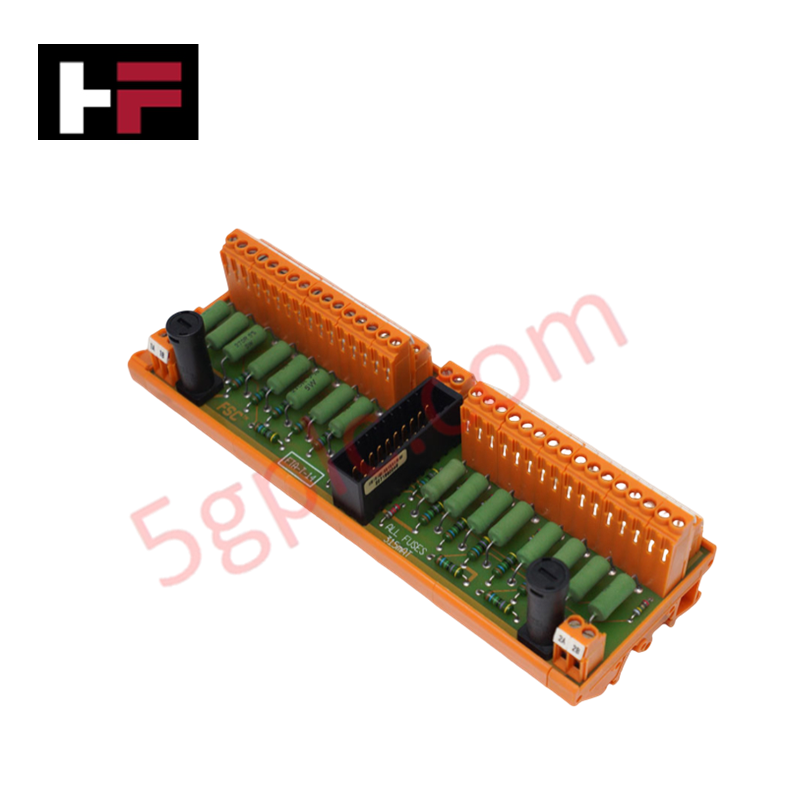
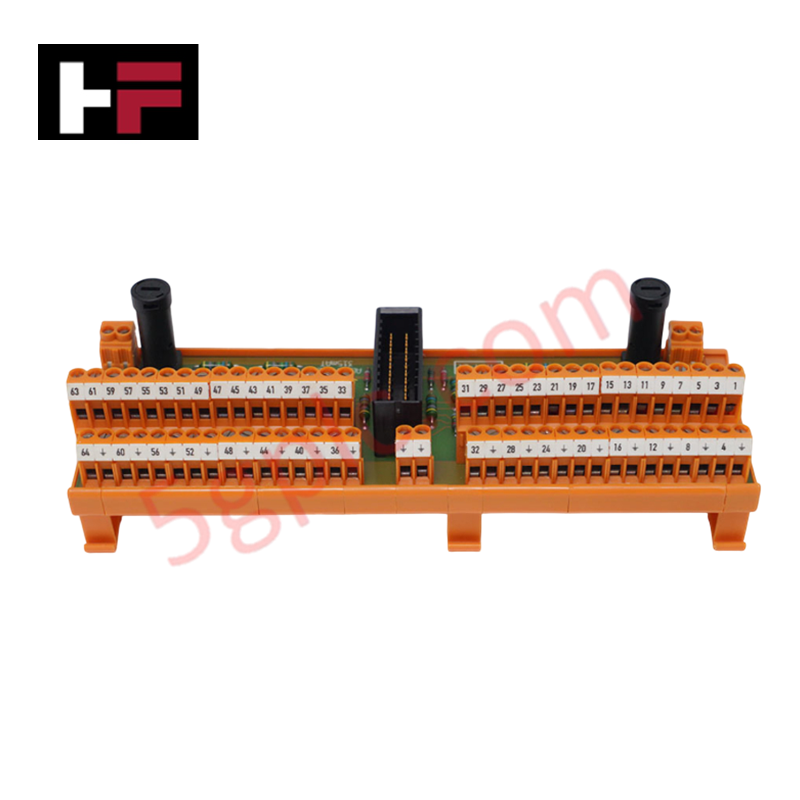
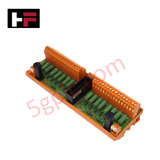
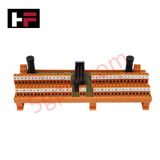
Configured for high-density signal acquisition in Honeywell control platforms, the Honeywell FTA-T-14 (FTA-T-14 Analog Input Module) provides direct physical and electrical execution of analog and digital field signal termination. The assembly manages 14 discrete channels, facilitating the transmission of temperature, pressure, and current-based process data to the primary control system.
Hardware Specifications
| Parameter | Specification |
|---|---|
| Model | FTA-T-14 |
| Brand | Honeywell |
| Origin | Not Specified |
| Weight | 0.5 kg |
| Dimensions | 114 x 99 x 72 mm |
| Operating Temp | Not Specified |
| Power Consumption | 5 W |
| Input Channels | 14 |
| Input Signal Type | Analog (Temp, Pressure, Current), Digital (Switch) |
| Input Range | -10 V to +10 V or 0 to 20 mA |
| Sampling Rate | 1000 Hz |
DCS Process Control and Connectivity
The FTA-T-14 module incorporates channel-to-channel isolation to prevent ground potential variations from impacting signal integrity. This design ensures that each of the 14 inputs remains electrically distinct, minimizing common-mode noise propagation between disparate process loops. The architecture is compatible with 4-20 mA HART loop protocol standards, allowing for the direct integration of intelligent field transmitters without the need for additional signal conversion. Cold junction compensation (CJC) is managed via integrated circuitry to maintain measurement accuracy for thermocouples within the specified input ranges.
Frequently Asked Questions
Q: Does the module support hot-swapping while the system backplane is energized?
A: The FTA-T-14 is intended for permanent installation on DIN rail systems. Hot-swapping is not supported; module removal or insertion under power risks inducing transient surges that may interfere with the 1000 Hz sampling synchronization and potential damage to the input buffers.
Q: How should the module be configured for digital switch status inputs?
A: Digital inputs must be wired to the module terminals according to the specific voltage threshold requirements of the controller. Ensure that the input signal impedance and voltage levels do not exceed the module's rated -10 V to +10 V operating range to prevent damage to the interface circuitry.
Field Installation Guidelines
- Secure the FTA-T-14 onto the DIN rail; ensure the housing is firmly locked to prevent vibration-induced movement.
- Route field signal wiring through separate cable trays from high-voltage power lines to minimize electromagnetic interference.
- Terminate all shielded cables to the cabinet's master ground busbar to maintain proper shielding potential and reduce noise.
- Verify input signal polarity for all 14 channels before initiating system power-up.
- Perform a loop check by applying a calibrated signal (4 mA and 20 mA or known voltage) at the field terminal and verifying the corresponding digital value within the controller software.
Additional Information
- 100% Genuine Parts: All products are original and authentic, ensuring reliable industrial performance.
- 30-Day Refund Guarantee: Return any in-stock item within 30 days in original, unopened packaging for a full refund (excluding shipping and fees).
- 12-Month Warranty: Covers defects in materials or workmanship; excludes misuse, normal wear, or unauthorized modifications.
- Worldwide Shipping: We ship via USPS, UPS, FedEx, and DHL. Delivery times vary by country and may be subject to customs or import fees.
- Support & Contact: Technical and warranty assistance is available anytime. Contact us here: Contact.
- Purchase Guidance: Check product specifications and compatibility carefully before ordering to ensure proper application.


Tech & Buying Guide

Spatial Computing in Industrial Automation: Elevating PLC and DCS Operations with AR and VR
Industry 4.0 integrates digital intelligence into field operations, transforming factory automation landscapes worldwide. Spatial technologies—specifically Augmented Reality (AR) and Virtual Reality (VR)—redefine how engineers interact with industrial control systems. By bridging computer-generated CAD models with real-time operational technology (OT) data, immersive displays enable intuitive monitoring, rapid diagnostics, and safer maintenance across complex processing facilities.

Master Acceptance Testing: Understanding FAT and SAT in Industrial Control Systems
Factory Acceptance Testing (FAT) and Site Acceptance Testing (SAT) serve as critical quality assurance gateways in complex industrial control systems. Both procedures verify that programmable logic controllers (PLCs), distributed control systems (DCS), and associated field devices meet strict functional specifications. However, executing these tests effectively requires clear delineation between off-site staging and final field commissioning.

Industrial Networking Essentials: Demystifying Hubs, Switches, and Routers in Control Systems
Industrial automation relies heavily on robust networking infrastructure to connect programmable logic controllers (PLCs), distributed control systems (DCS), and human-machine interfaces (HMIs). Modern factory automation environments generate vast amounts of real-time operational data across deterministic networks. Understanding the structural differences between hubs, switches, and routers ensures optimal traffic segmentation, minimizes latency, and maintains high network availability.