












Product Details
Product Overview
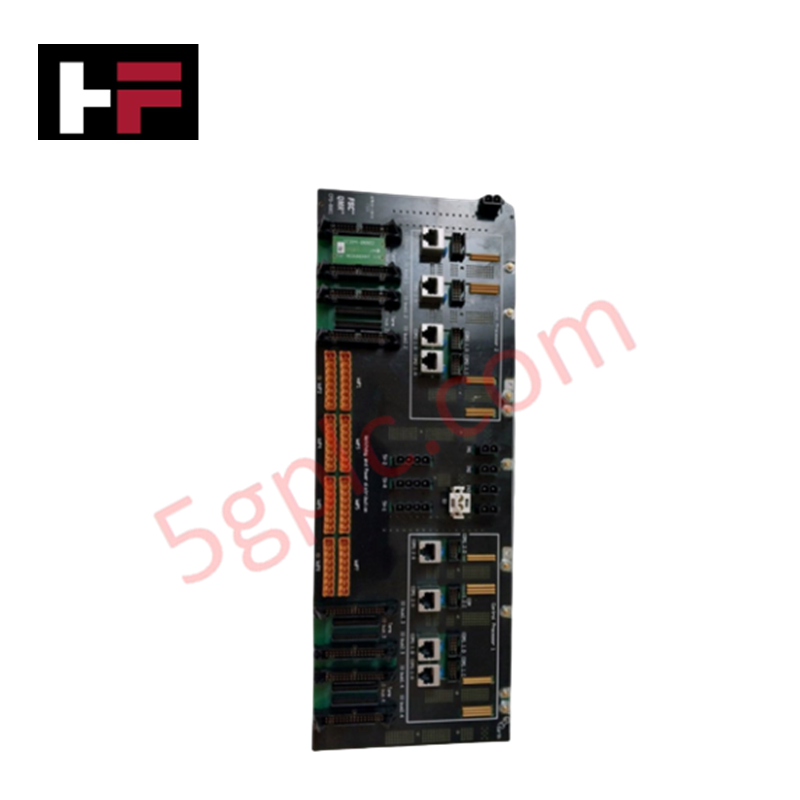
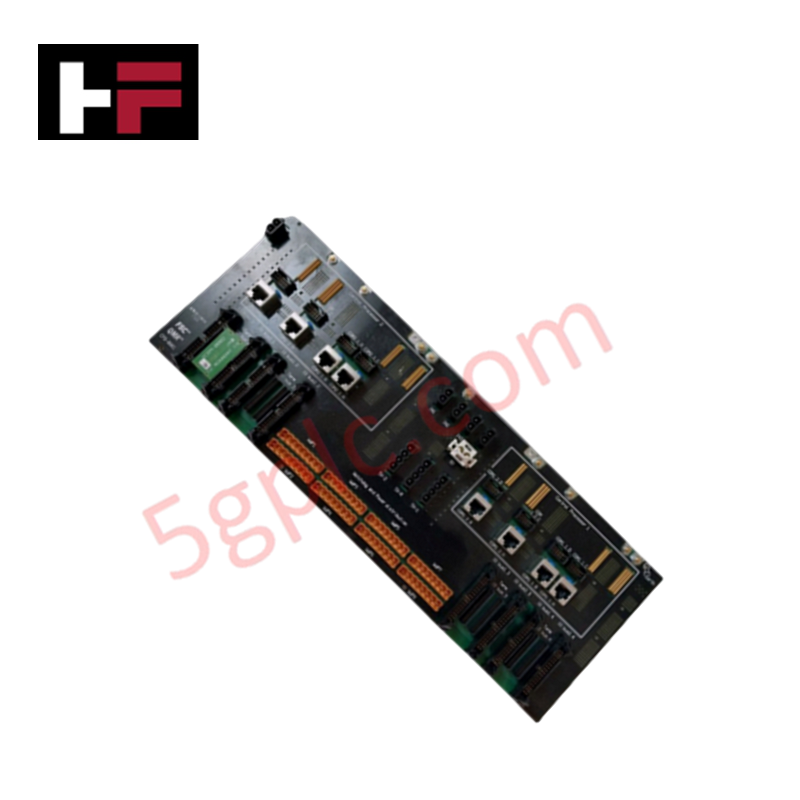
The Honeywell FS-CPB-0001 serves as the central communication backbone for the Honeywell Safety Manager (SM) platform. This high-speed backplane facilitates the seamless exchange of safety-critical data between the Controller Processor Modules and the I/O bus. As the foundational hardware for Safety Instrumented Systems (SIS), it ensures the high-speed synchronization required for SIL-rated safety loops. We offer this unit as 100% Brand New Original stock to guarantee the highest level of functional safety and hardware integrity.
Technical Specifications
The FS-CPB-0001 architecture supports high-availability configurations within a compact physical footprint:
| Feature | Specification Details |
| Manufacturer | Honeywell (USA) |
| Model Number | FS-CPB-0001 |
| Product Type | Controller Backplane |
| Dimensions | 5.1 cm x 25.4 cm x 11.4 cm |
| Weight | 0.63 kg |
| Bus Type | High-Speed Proprietary Safety Bus |
| Mounting Orientation | Vertical or Horizontal Rail Support |
| Country of Origin | USA |
| Condition | 100% Brand New Original |
Engineering Advantages
-
Redundancy Synchronization: The FS-CPB-0001 optimizes data paths between redundant processor pairs. This hardware-level integration allows for "bumpless" switchovers, ensuring that a single processor fault never compromises the safety of the process.
-
Zero-Latency Data Transfer: The backplane utilizes a low-impedance bus design. This minimizes signal propagation delays, allowing the Safety Manager to meet strict Emergency Shutdown (ESD) response times for high-pressure or high-temperature applications.
-
EMI/RFI Hardening: Industrial environments expose safety hardware to significant electrical noise. This backplane incorporates advanced ground-plane shielding to protect the high-speed data bus from electromagnetic interference, preventing false trips or signal corruption.
-
Space-Efficient Integration: The slim 5.1 cm profile allows for high-density installation in standard 19-inch safety cabinets. This compact design enables engineers to maximize I/O capacity within a limited footprint without sacrificing thermal management.
FAQs
-
Is the FS-CPB-0001 compatible with both Safety Manager and Safety Manager SC?
The FS-CPB-0001 primarily supports the standard Safety Manager controller architecture. Always verify your specific chassis revision and processor generation (e.g., QPP or FSC) to ensure full mechanical and electrical bus compatibility.
-
Does this backplane require external power termination?
The backplane receives power through the system's power supply modules. It distributes stabilized DC power to the mounted processors via high-reliability pin-and-socket connectors, reducing the need for external point-to-point wiring.
-
What are the primary indicators of backplane health?
While the backplane is a passive electronic component, the Safety Manager diagnostic software monitors the bus integrity. Any communication retries or parity errors reported in the system log often point to physical connection issues or terminal wear on the backplane.
-
How do I ensure a secure module seat during installation?
Align the module guide rails with the FS-CPB-0001 slots and apply even pressure until the locking tabs engage. A secure seat prevents intermittent bus faults caused by industrial vibration in heavy-duty processing plants.
Additional Information
- 100% Genuine Parts: All products are original and authentic, ensuring reliable industrial performance.
- 30-Day Refund Guarantee: Return any in-stock item within 30 days in original, unopened packaging for a full refund (excluding shipping and fees).
- 12-Month Warranty: Covers defects in materials or workmanship; excludes misuse, normal wear, or unauthorized modifications.
- Worldwide Shipping: We ship via USPS, UPS, FedEx, and DHL. Delivery times vary by country and may be subject to customs or import fees.
- Support & Contact: Technical and warranty assistance is available anytime. Contact us here: Contact.
- Purchase Guidance: Check product specifications and compatibility carefully before ordering to ensure proper application.


Tech & Buying Guide
Demystifying Programmable Logic Controllers: Comprehensive Guide to PLC Classification and Selection in Industrial Automation
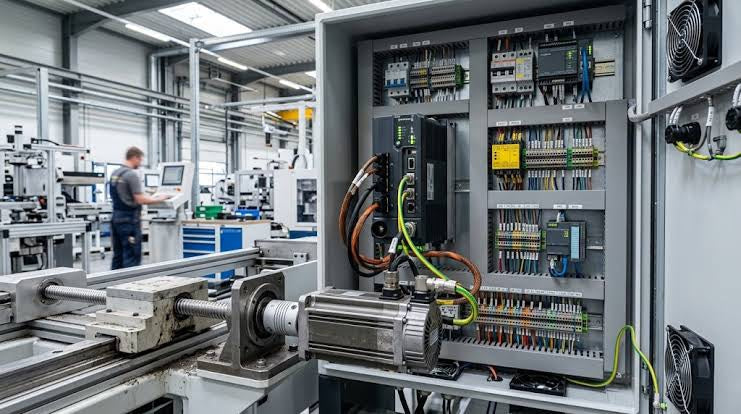
Modern industrial automation heavily relies on Programmable Logic Controllers (PLCs) to drive factory floor efficiency. Over my 15 years as an industrial automation expert working with DCS, TSI, and control systems, I have seen PLCs evolve into the central nervous system of modern manufacturing. Selecting the right controller requires a deep understanding of PLC types based on physical size, hardware architecture, and power supply configurations.
Comprehensive Guide to PLC Types in Modern Industrial Automation
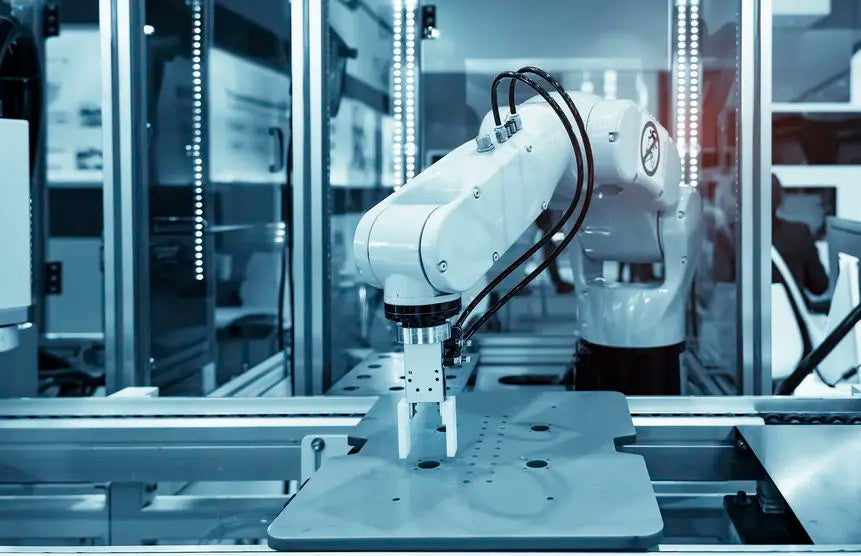
Modern industrial automation relies on programmable logic controllers to govern critical factory operations. System integrators classify PLCs based on scale, hardware architecture, and power supply design. Understanding these core categories enables automation engineers to select the right control system architecture. Consequently, proper hardware selection optimizes performance while minimizing long-term operational costs.

Demystifying the DDE Protocol in Legacy Industrial Automation Systems
Modern control systems rely heavily on seamless interprocess communication to exchange operational data between software programs. Microsoft first introduced the Dynamic Data Exchange (DDE) protocol in 1987 to enable real-time data sharing. In factory automation, DDE served as an early bridge between control software and Windows desktop applications. Therefore, understanding DDE mechanics provides crucial insights into how legacy industrial networks established software-level connectivity.