










Product Details
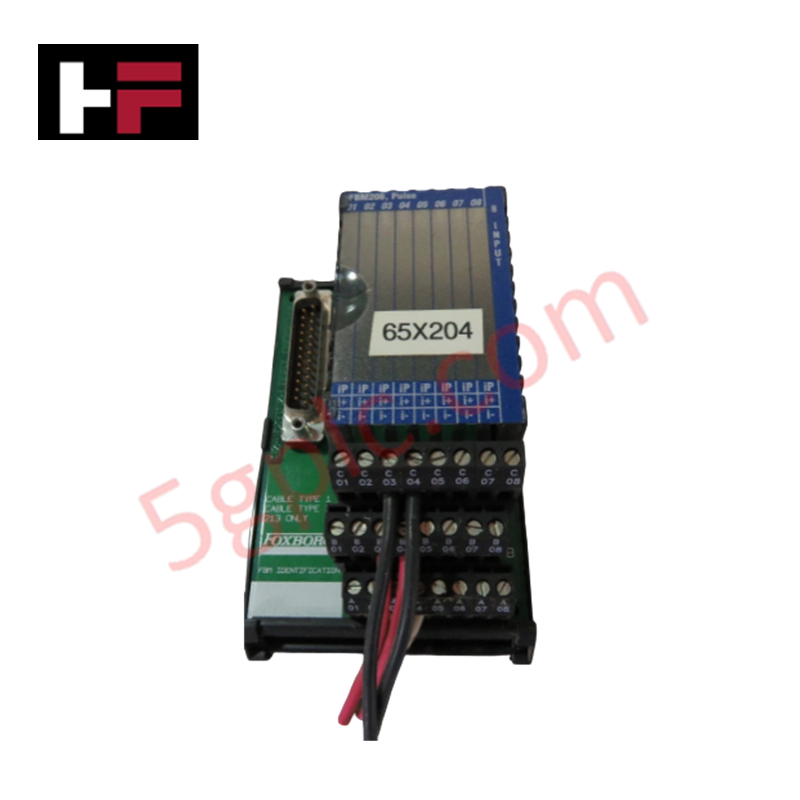
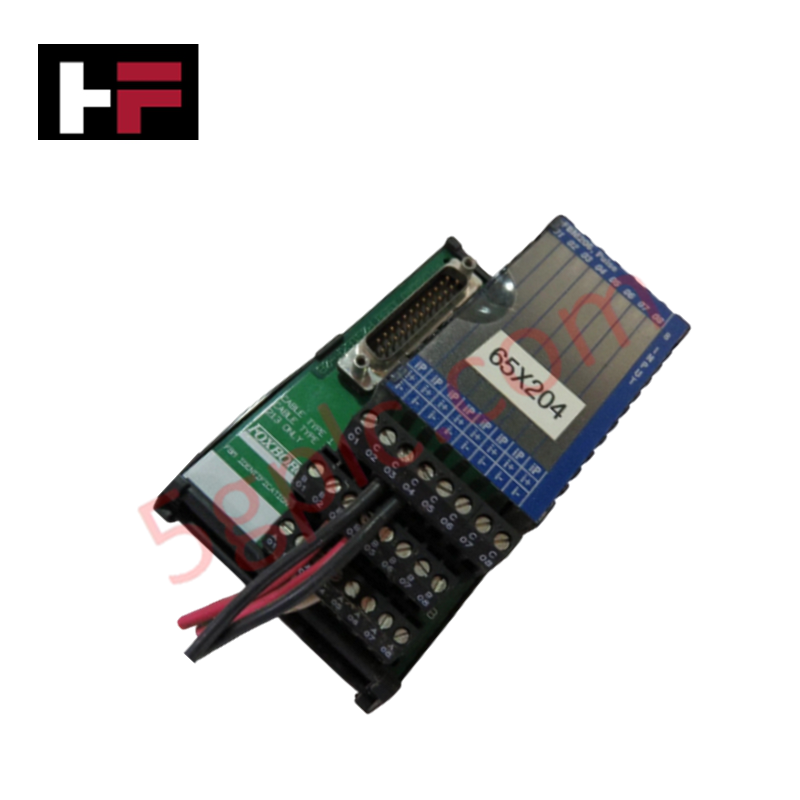
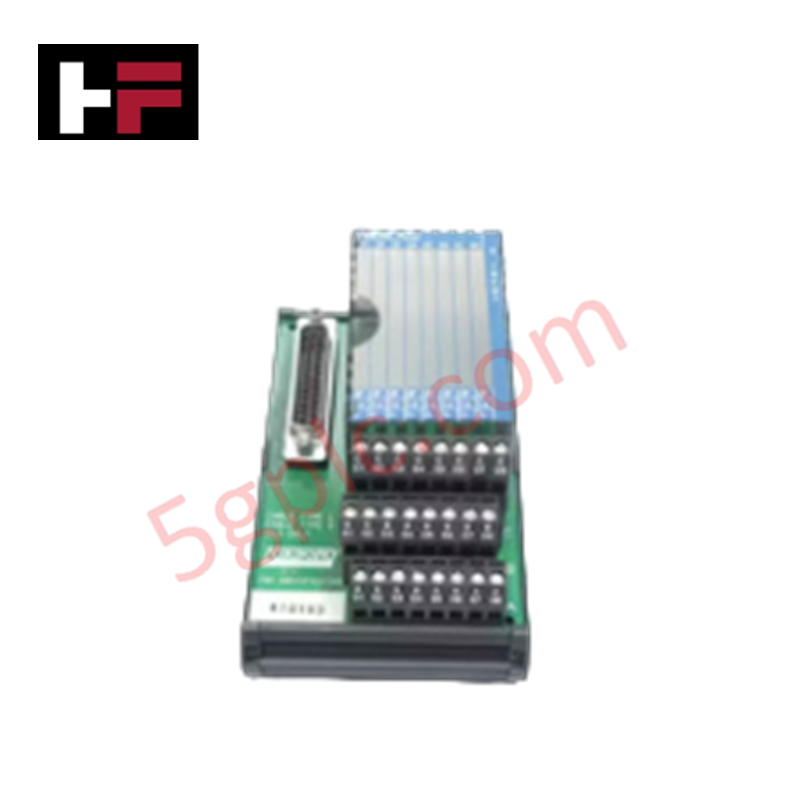
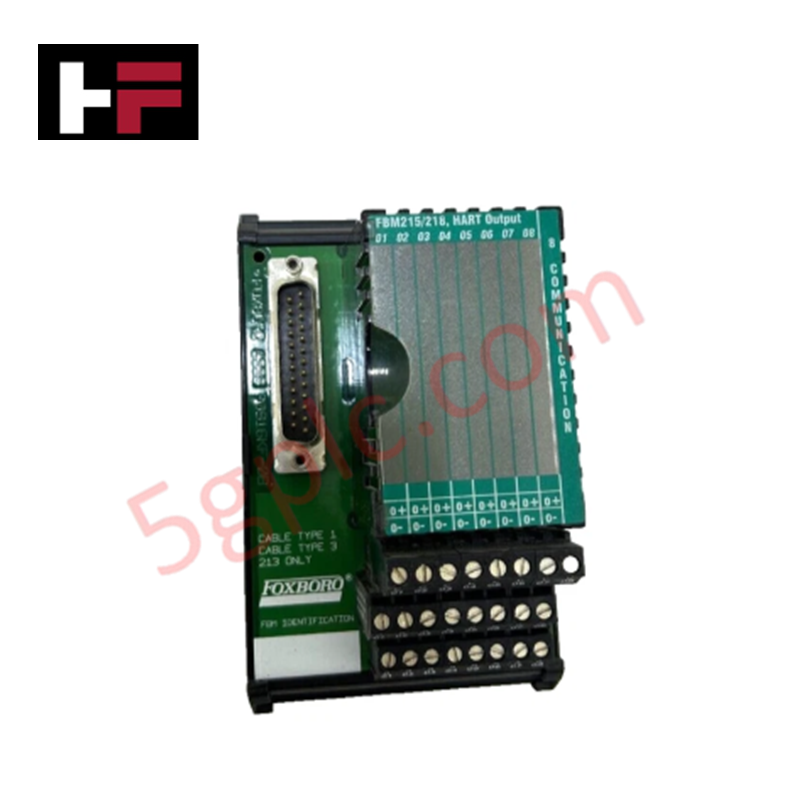
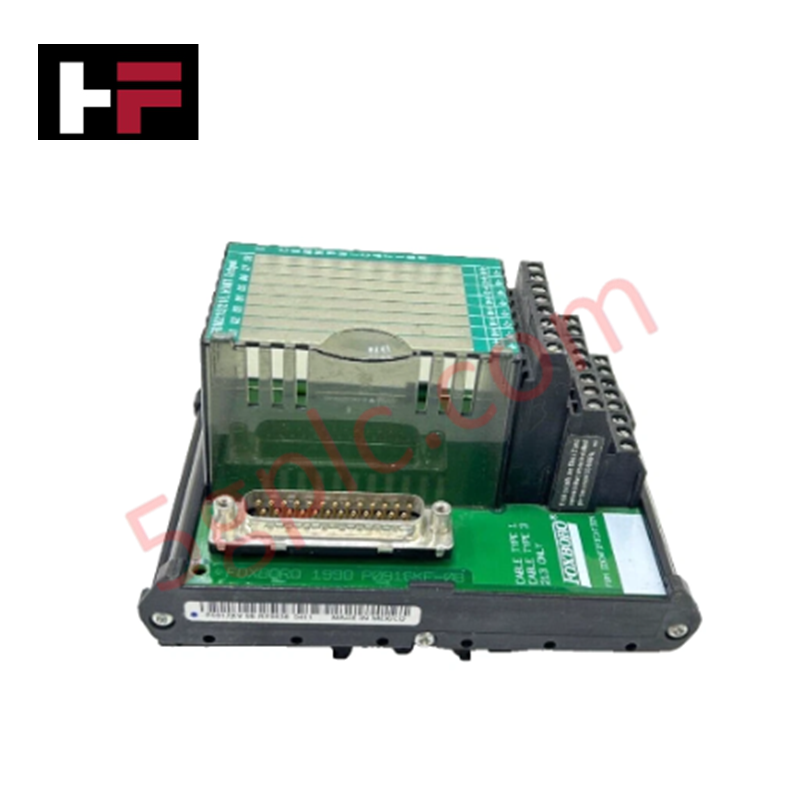
Configured for high-speed pulse signal acquisition in I/A Series distributed control systems, the Foxboro FBM206 P0916JQ (FBM206 Pulse Module) provides direct physical/electrical execution for 8 isolated input channels.
Hardware Specifications
| Parameter | Specification |
|---|---|
| Model | FBM206 (P0916JQ) |
| Brand | Foxboro |
| Operating Temp | -20 deg C to +70 deg C |
| Power Consumption | 7 W max |
| Input Channels | 8 isolated pulse inputs |
| Pulse Rate Range | 10 Hz to 25 kHz |
| Input Voltage | 7-27 VDC |
| Accuracy | 0.01% of reading |
Process Instrumentation Connectivity and Isolation
The FBM206 module utilizes an 8-channel isolated input architecture designed to detect high-frequency pulse trains ranging from 10 Hz to 25 kHz. To maintain signal fidelity, each channel features an input impedance of 10 kOhm and integrated loop supply capability, providing 24 VDC at 30 mA per channel for active field sensor excitation. The module implements channel-to-channel isolation to prevent ground loop currents and common-mode noise from affecting the measurement accuracy of sensitive pulse signals. This galvanic isolation ensures that transients on one channel do not propagate across the remaining inputs or the module backplane, maintaining 0.01% reading accuracy during high-speed pulse counting.
Frequently Asked Questions
Q: Can the module be hot-swapped while the system is under load?
A: Yes, the FBM206 is designed for hot-swap operations. It can be removed from and inserted into a powered baseplate without disrupting the communication or control functions of the remaining I/O modules on the fieldbus segment.
Q: What is the primary function of the 24 VDC loop supply provided by the module?
A: The integrated 24 VDC loop supply is intended to provide excitation power directly to field sensors, such as proximity switches or encoder outputs, eliminating the need for external power supplies for standard pulse-generating instrumentation.
Field Installation Guidelines
- Mounting: Ensure the module is fully seated into the 200 Series modular baseplate. Engage the locking tab to guarantee backplane connection and vibration resistance.
- Shielding: Terminate pulse signal cable shields at the instrument common ground point at the termination assembly to minimize electromagnetic interference (EMI). Avoid routing pulse input cabling in parallel with high-power AC lines.
- Environmental Limits: The module is specified for operation up to 70 deg C. Ensure the I/O cabinet is equipped with adequate thermal management to prevent local heating from exceeding this limit, as excessive heat can impact the linearity and stability of the pulse detection circuitry.
Additional Information
- 100% Genuine Parts: All products are original and authentic, ensuring reliable industrial performance.
- 30-Day Refund Guarantee: Return any in-stock item within 30 days in original, unopened packaging for a full refund (excluding shipping and fees).
- 12-Month Warranty: Covers defects in materials or workmanship; excludes misuse, normal wear, or unauthorized modifications.
- Worldwide Shipping: We ship via USPS, UPS, FedEx, and DHL. Delivery times vary by country and may be subject to customs or import fees.
- Support & Contact: Technical and warranty assistance is available anytime. Contact us here: Contact.
- Purchase Guidance: Check product specifications and compatibility carefully before ordering to ensure proper application.




Tech & Buying Guide

Demystifying the DDE Protocol in Legacy Industrial Automation Systems
Modern control systems rely heavily on seamless interprocess communication to exchange operational data between software programs. Microsoft first introduced the Dynamic Data Exchange (DDE) protocol in 1987 to enable real-time data sharing. In factory automation, DDE served as an early bridge between control software and Windows desktop applications. Therefore, understanding DDE mechanics provides crucial insights into how legacy industrial networks established software-level connectivity.

Demystifying CPU Communication Ports in Siemens PLC Architectures
Industrial automation relies heavily on robust data exchange between devices. Without seamless connectivity, field instruments, network switches, human-machine interfaces, and programmable logic controllers cannot coordinate effectively. Therefore, understanding the various CPU communication ports available in Siemens hardware ensures efficient factory automation design and seamless system integration.

Mastering the Siemens PLC Scan Cycle: How the CPU Executes Automation Programs
Industrial automation relies heavily on programmable logic controllers (PLCs) to manage complex manufacturing processes. Many engineers dive straight into programming without mastering the underlying architecture. However, understanding how a PLC CPU executes a program ensures reliable system design. Therefore, mastering the scan cycle optimizes both performance and troubleshooting in modern control systems.