












Product Details
Product Overview
The Foxboro FBM203 (P0916AE) functions as a high-precision resistance temperature detector (RTD) interface for the Foxboro I/A Series Distributed Control System (DCS). This module converts resistance signals from industrial RTD sensors into digital temperature data for the control processor. It serves as a critical component in thermal monitoring applications across the power, chemical, and refining sectors. We provide this unit as 100% Brand New and Original, ensuring your control loops benefit from factory-certified calibration and zero previous electrical stress.
Technical Specifications
| Parameter | Specification Details |
| Manufacturer | Foxboro (Schneider Electric) |
| Model / Part Number | FBM203 / P0916AE |
| Input Type | RTD (Resistance Temperature Detector) |
| Input Range | 0 to 320 Ω |
| Resolution | 64,000 Counts |
| Minimum Overrange | 327.675 Ω |
| Sensor Current | 0.19 mA DC |
| Input Voltage | 24 V DC +5%/-10% (Redundant) |
| Power Consumption | 3 W (Maximum) |
| Heat Dissipation | 3 W (Maximum) |
Engineering Advantages
The FBM203 P0916AE resolves specific thermal acquisition challenges through specialized hardware engineering:
-
Eliminates Self-Heating Errors: The module supplies a low sensor excitation current of only 0.19 mA DC. This minimizes the self-heating effect within the RTD element, ensuring the DCS records the true process temperature without the positive bias common in high-current measurement circuits.
-
High-Resolution Data Conversion: With a 64,000-count resolution over a 320 Ω range, the hardware captures minute resistance changes. This precision allows the control system to detect subtle thermal trends, improving the stability of tight-tolerance temperature loops.
-
Redundant Power Reliability: The module accepts redundant 24 V DC power inputs. This dual-path power architecture ensures continuous temperature visibility even if one power supply fails, preventing uncommanded system trips in critical processes.
-
Minimized Thermal Footprint: The device dissipates only 3 W of heat during peak operation. This low thermal profile prevents heat buildup in dense I/O cabinets, protecting adjacent sensitive semiconductors and extending the overall MTBF (Mean Time Between Failures) of the system rack.
-
Extended Dynamic Range: The module provides a minimum overrange capability up to 327.675 Ω. This extra headroom allows the system to monitor process upsets or sensor deviations that exceed standard operating limits without saturating the input signal.
FAQs
-
What types of RTDs does the FBM203 P0916AE support?
The FBM203 manages standard platinum and nickel RTDs. You configure the specific sensor type and linearization curve through the I/A Series system software to match the 0–320 Ω hardware range.
-
Is this module a direct replacement for existing P0916AE units?
Yes. As a 100% Brand New original unit, it functions as a drop-in replacement for any FBM203 module on a 200 Series modular baseplate. It maintains full signal and communication compatibility with legacy I/A Series Fieldbus.
-
Does the module require external excitation for the sensors?
No. The FBM203 provides the necessary DC sensor current (0.19 mA) directly from its internal circuitry. This simplifies field wiring and reduces the number of external components required in the marshalling cabinet.
-
How do I verify the hardware is original?
Every unit arrives in its original Foxboro factory packaging with intact security seals. We guarantee that these modules have never been installed or energized, ensuring you receive the full reliability of a factory-fresh component.
Additional Information
- 100% Genuine Parts: All products are original and authentic, ensuring reliable industrial performance.
- 30-Day Refund Guarantee: Return any in-stock item within 30 days in original, unopened packaging for a full refund (excluding shipping and fees).
- 12-Month Warranty: Covers defects in materials or workmanship; excludes misuse, normal wear, or unauthorized modifications.
- Worldwide Shipping: We ship via USPS, UPS, FedEx, and DHL. Delivery times vary by country and may be subject to customs or import fees.
- Support & Contact: Technical and warranty assistance is available anytime. Contact us here: Contact.
- Purchase Guidance: Check product specifications and compatibility carefully before ordering to ensure proper application.


Tech & Buying Guide
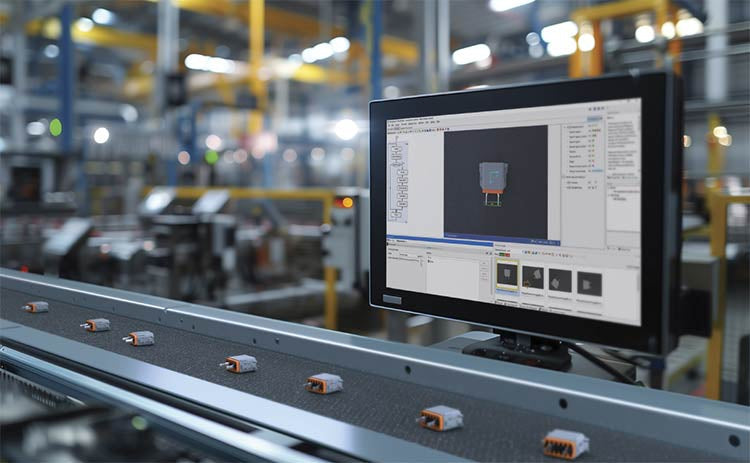
Modern Industrial Automation: Transforming Safety and Efficiency in Mining Operations
Industrial automation has evolved from a simple manufacturing tool into the operational backbone of high-risk sectors. Modern mining operations increasingly rely on advanced control systems, programmable logic controllers (PLCs), distributed control systems (DCS), and artificial intelligence to address deep-underground hazards. By replacing manual labor in high-risk zones, factory automation technologies protect personnel while significantly boosting operational throughput.

Step-by-Step System Cabinet Health Check Guide for PLC and DCS Infrastructure
