












Product Details
Product Overview
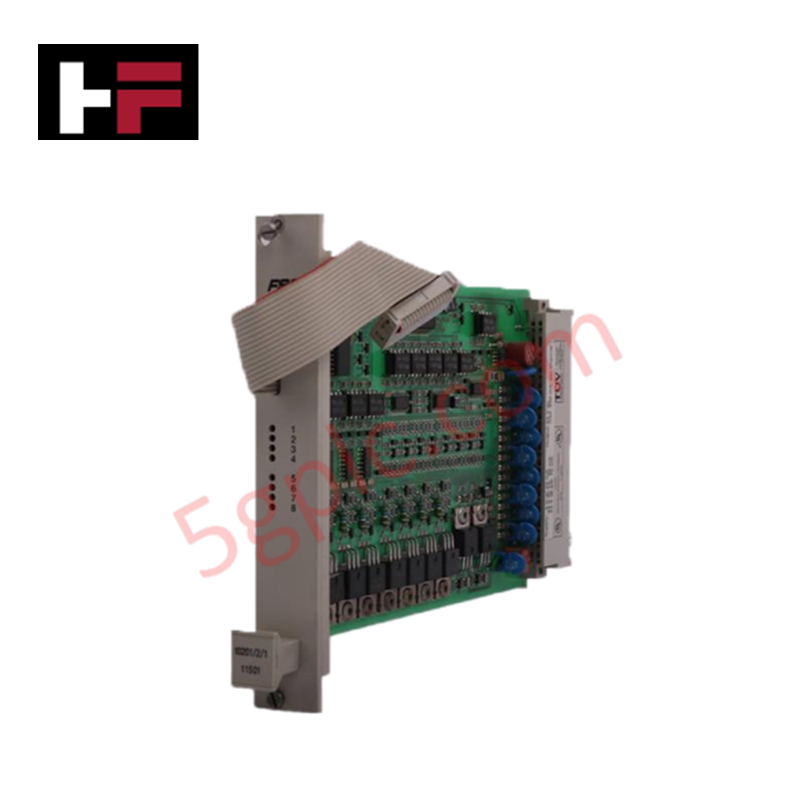
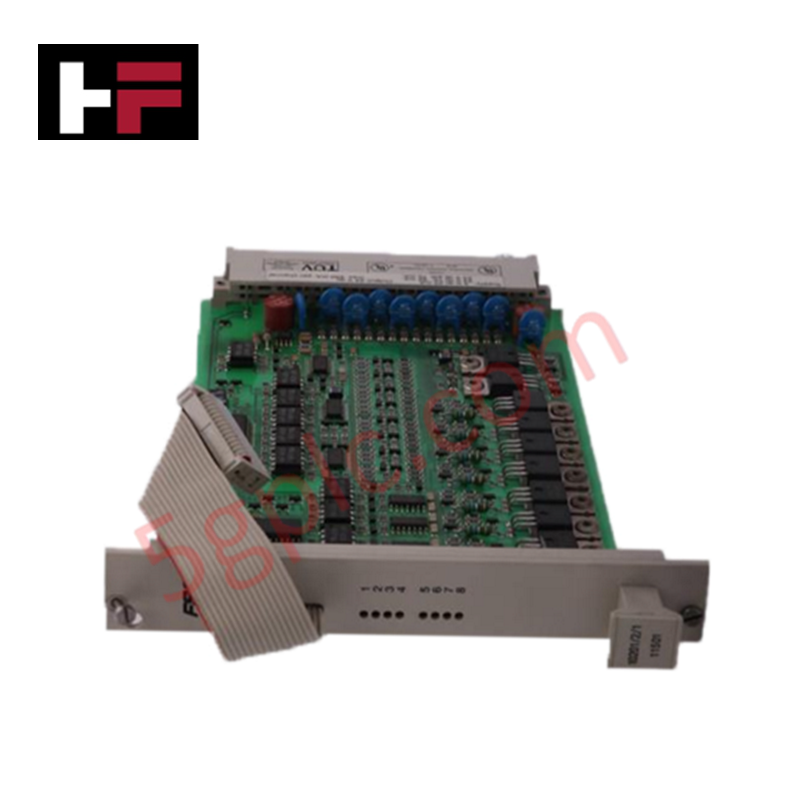
The Yokogawa F3YD32-1P functions as a high-density Transistor Output Module for the FA-M3 multi-controller series. This module manages 32 digital output points, providing reliable switching for solenoids, relays, and other 12-24 VDC industrial loads. We supply this unit as 100% Brand New and Original, ensuring high-speed operation and stable signal switching for your automated machine control tasks.
Part Number Breakdown
| Code | Specification | Detail |
| F3YD32 | Model | 32-Point Transistor Output Module |
| -1 | Type | Standard transistor output |
| P | Revision | Specific hardware revision level |
Technical Specifications
| Feature | Specification |
| Number of Points | 32 |
| Common Line Type | 8 points per common |
| Isolation Method | Photocoupler isolation |
| Rated Load Voltage | 12 to 24 V DC (Operating: 10.2 to 26.4 V DC) |
| Withstanding Voltage | 1500 V AC for one minute (Terminal to Internal) |
| Current Consumption | 160 mA (5 V DC internal) |
| Dimensions | 2.89 cm x 8.32 cm x 10 cm |
| Weight | 0.11 kg |
Engineering Advantages
-
Superior Signal Isolation: The module employs photocoupler isolation for every output channel. This prevents high-voltage spikes from the field devices (such as inductive solenoid kicks) from propagating back to the CPU backplane, protecting your controller's core processors.
-
Granular Common Configuration: The 8-point/common architecture allows engineers to group outputs based on power source or voltage levels. This flexibility simplifies wiring in cabinets where mixed-voltage control loops coexist.
-
Compact Integration: The 2.89 cm wide housing optimizes backplane slot density. It enables high-volume output deployment in standard FA-M3 racks, making it ideal for cabinets with limited space for bulky wiring harnesses.
-
Electromagnetic Resilience: The 1500 V AC withstanding voltage rating ensures structural integrity against surge transients, maintaining consistent output states even in high-EMI environments like injection molding or automated welding stations.
FAQs
-
Does this module require an external power supply for the field side?
Yes. While the module draws internal power from the backplane (160 mA), you must provide an external 12 to 24 V DC power source (95 mA requirement) to drive the output loads connected to the terminals.
-
Can I mix 12V and 24V loads on the same module?
Yes, provided you respect the 8-point/common groupings. You can power one common group (8 points) with 12V and another group with 24V, allowing for mixed-voltage control on a single F3YD32-1P module.
-
Is the output signal "sink" or "source" type?
The F3YD32-1P operates as a standard transistor output module. Verify your specific wiring diagram for the "1P" variant, as this model typically accommodates specific sinking or sourcing configurations depending on the common connection.
-
What precautions are necessary during installation?
Always disconnect the external field power supply before performing any wiring changes. Use proper crimping tools for the terminal connectors to prevent loose contacts, which often lead to arcing or intermittent output states.
Additional Information
- 100% Genuine Parts: All products are original and authentic, ensuring reliable industrial performance.
- 30-Day Refund Guarantee: Return any in-stock item within 30 days in original, unopened packaging for a full refund (excluding shipping and fees).
- 12-Month Warranty: Covers defects in materials or workmanship; excludes misuse, normal wear, or unauthorized modifications.
- Worldwide Shipping: We ship via USPS, UPS, FedEx, and DHL. Delivery times vary by country and may be subject to customs or import fees.
- Support & Contact: Technical and warranty assistance is available anytime. Contact us here: Contact.
- Purchase Guidance: Check product specifications and compatibility carefully before ordering to ensure proper application.




Tech & Buying Guide

Demystifying Programmable Logic Controllers: Comprehensive Guide to PLC Classification and Selection in Industrial Automation
Modern industrial automation heavily relies on Programmable Logic Controllers (PLCs) to drive factory floor efficiency. Over my 15 years as an industrial automation expert working with DCS, TSI, and control systems, I have seen PLCs evolve into the central nervous system of modern manufacturing. Selecting the right controller requires a deep understanding of PLC types based on physical size, hardware architecture, and power supply configurations.

Comprehensive Guide to PLC Types in Modern Industrial Automation
Modern industrial automation relies on programmable logic controllers to govern critical factory operations. System integrators classify PLCs based on scale, hardware architecture, and power supply design. Understanding these core categories enables automation engineers to select the right control system architecture. Consequently, proper hardware selection optimizes performance while minimizing long-term operational costs.

Demystifying the DDE Protocol in Legacy Industrial Automation Systems
Modern control systems rely heavily on seamless interprocess communication to exchange operational data between software programs. Microsoft first introduced the Dynamic Data Exchange (DDE) protocol in 1987 to enable real-time data sharing. In factory automation, DDE served as an early bridge between control software and Windows desktop applications. Therefore, understanding DDE mechanics provides crucial insights into how legacy industrial networks established software-level connectivity.