










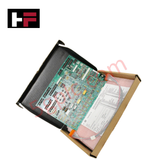
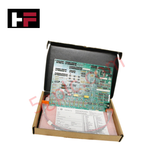
Product Details
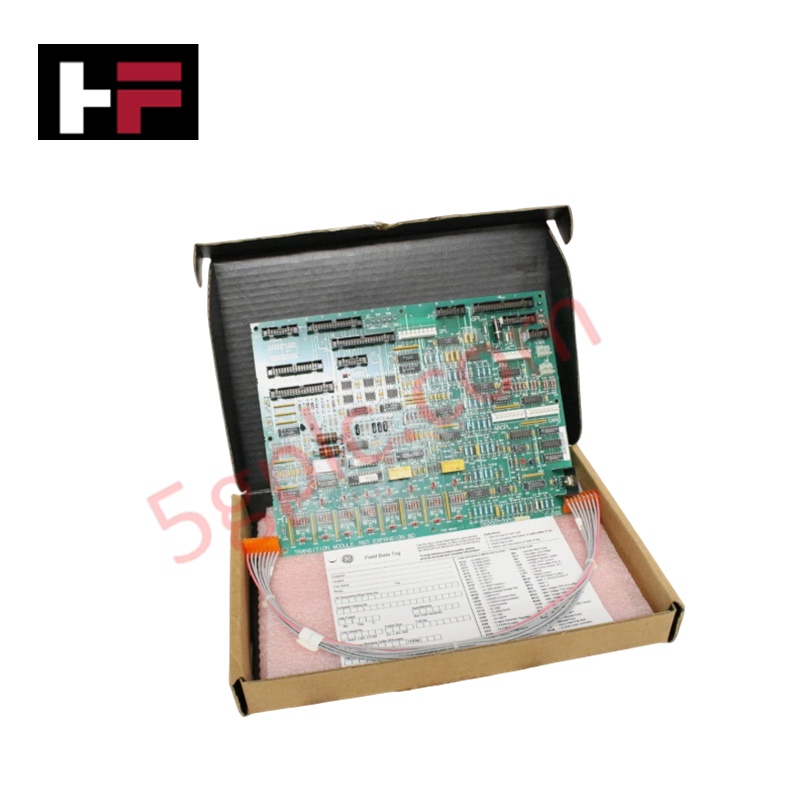
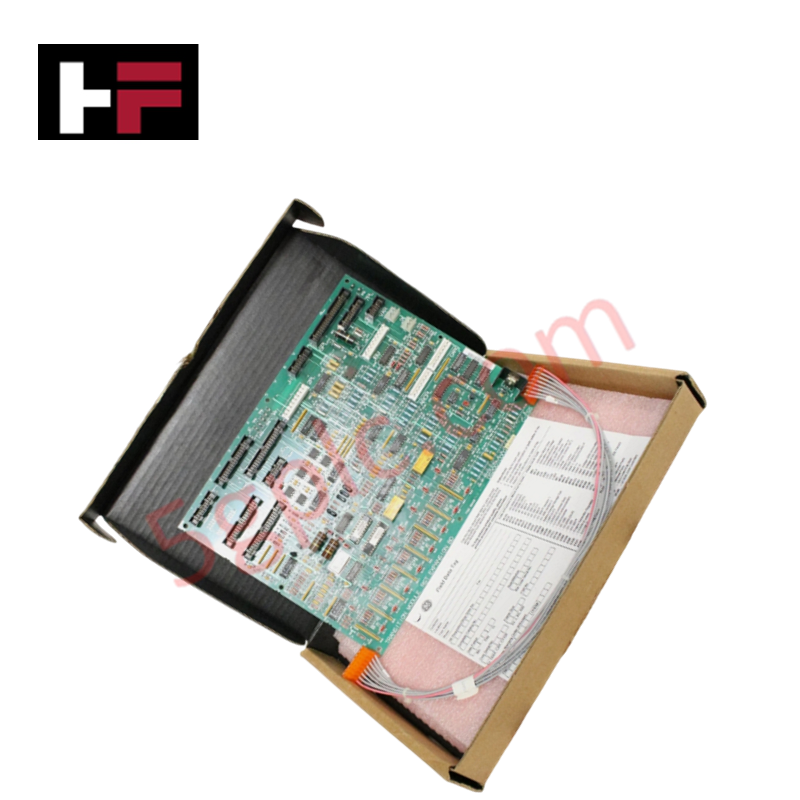
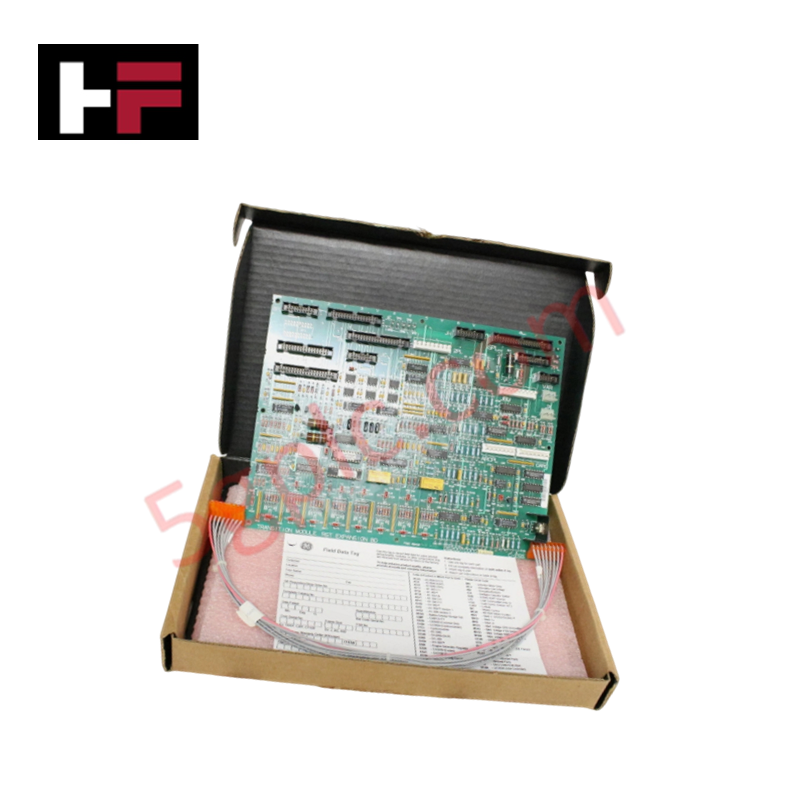
Configured for analog signal expansion and overflow processing in Mark V turbine control systems, the GE DS200TCQCG1A (DS200TCQC RST Overflow Board) provides direct physical/electrical execution of I/O routing tasks.
Hardware Specifications
| Parameter | Specification |
|---|---|
| Model | DS200TCQCG1A |
| Brand | GE General Electric |
| Origin | USA |
| Dimensions | Standard Mark V PCB footprint |
| Operating Temp | Per Mark V environmental standards |
| Power Consumption | Backplane rail supply |
| Jumpers | 24 total |
| Connectors | 3 x 40-pin (JFF, JE, 6PL), 3 x 34-pin, 1 x 16-pin (JC) |
Industrial Control and Firmware Compatibility
The DS200TCQCG1A functions as an analog I/O expander within the Mark V architecture. The board supports I/O density scaling by routing multiplexed signals through its 40-pin and 34-pin interface connectors. While the board does not execute complex control logic, it requires consistent backplane bus communication velocity to ensure signal integrity across the RST overflow path. Hardware configuration is achieved solely via physical jumper settings; there is no firmware flash compatibility requirement for this specific module, as its processing logic is determined by static hardware pathways and jumper-defined routing.
Frequently Asked Questions
Q: Is it necessary to reconfigure the jumpers when replacing a defective board?
A: Yes. The jumper positions on the replacement board must match the exact configuration of the original board to ensure the system processes I/O signals according to site-specific requirements.
Q: What is the recommended procedure for matching jumper settings?
A: Place the old and new boards side-by-side on a clean, anti-static surface. Using a grounded wrist strap, visually verify and replicate the position of all 24 jumpers from the old board onto the new board before installation.
Field Installation Guidelines
- ESD Protection: This board contains sensitive components. Always utilize a grounded anti-static wrist strap when removing the PCB from its protective packaging or when adjusting jumper positions.
- Connector Integrity: Ensure all ribbon cables (JFF, JE, 6PL, JC, etc.) are correctly keyed and fully seated. Verify that connector locking mechanisms are engaged to prevent vibration-induced signal intermittency.
- Jumper Verification: Consult the site-specific system manual before modifying jumper positions. Ensure the configuration aligns with the operational needs of the turbine drive assembly. Once set, verify jumper positions are locked to prevent accidental displacement.
- Mechanical Mounting: Ensure the PCB is properly aligned with the card cage guide rails. Tighten all front panel mounting screws to ensure a secure electrical ground connection to the rack chassis.
- Wiring Documentation: Before removing a defective unit, tag all cable harnesses with their corresponding connector labels to ensure accurate restoration of signal paths.
Additional Information
- 100% Genuine Parts: All products are original and authentic, ensuring reliable industrial performance.
- 30-Day Refund Guarantee: Return any in-stock item within 30 days in original, unopened packaging for a full refund (excluding shipping and fees).
- 12-Month Warranty: Covers defects in materials or workmanship; excludes misuse, normal wear, or unauthorized modifications.
- Worldwide Shipping: We ship via USPS, UPS, FedEx, and DHL. Delivery times vary by country and may be subject to customs or import fees.
- Support & Contact: Technical and warranty assistance is available anytime. Contact us here: Contact.
- Purchase Guidance: Check product specifications and compatibility carefully before ordering to ensure proper application.


Tech & Buying Guide
Comprehensive Guide to PLC Types in Modern Industrial Automation
Modern industrial automation relies on programmable logic controllers to govern critical factory operations. System integrators classify PLCs based on scale, hardware architecture, and power supply design. Understanding these core categories enables automation engineers to select the right control system architecture. Consequently, proper hardware selection optimizes performance while minimizing long-term operational costs.

Demystifying the DDE Protocol in Legacy Industrial Automation Systems
Modern control systems rely heavily on seamless interprocess communication to exchange operational data between software programs. Microsoft first introduced the Dynamic Data Exchange (DDE) protocol in 1987 to enable real-time data sharing. In factory automation, DDE served as an early bridge between control software and Windows desktop applications. Therefore, understanding DDE mechanics provides crucial insights into how legacy industrial networks established software-level connectivity.

Demystifying CPU Communication Ports in Siemens PLC Architectures
Industrial automation relies heavily on robust data exchange between devices. Without seamless connectivity, field instruments, network switches, human-machine interfaces, and programmable logic controllers cannot coordinate effectively. Therefore, understanding the various CPU communication ports available in Siemens hardware ensures efficient factory automation design and seamless system integration.