












Product Details
Overview
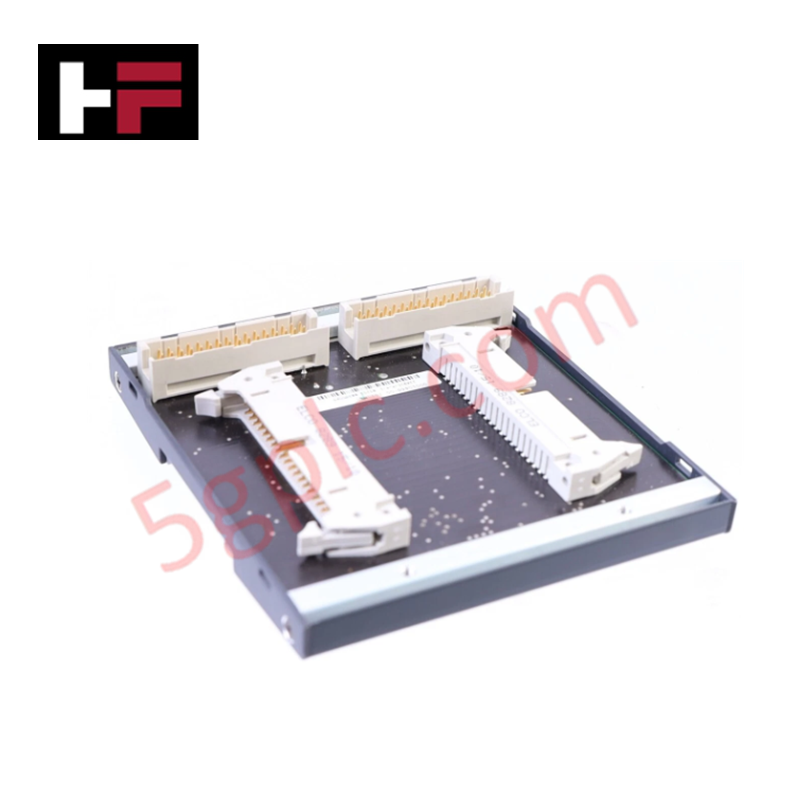
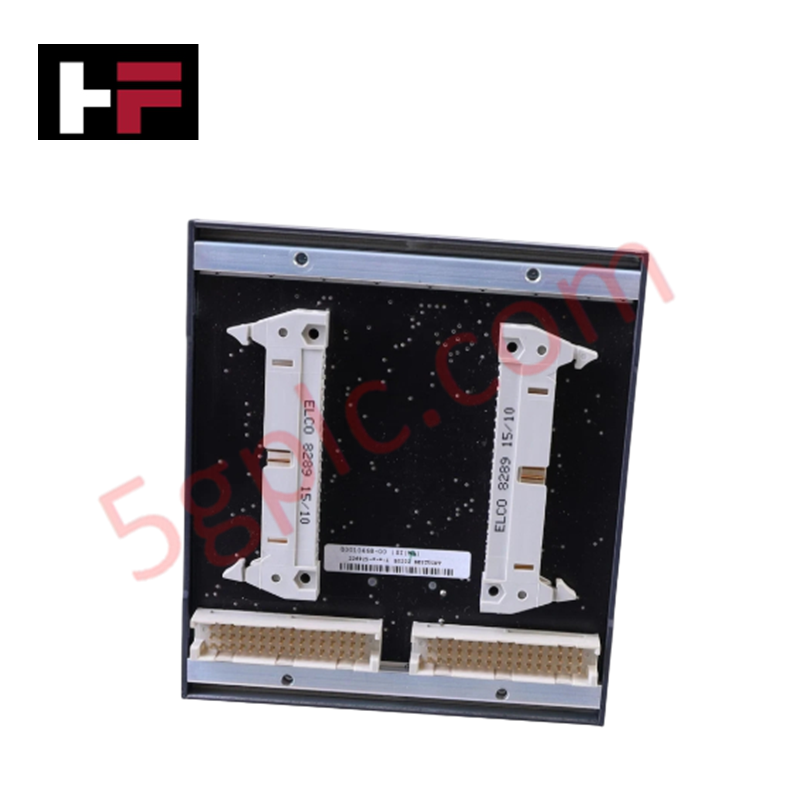
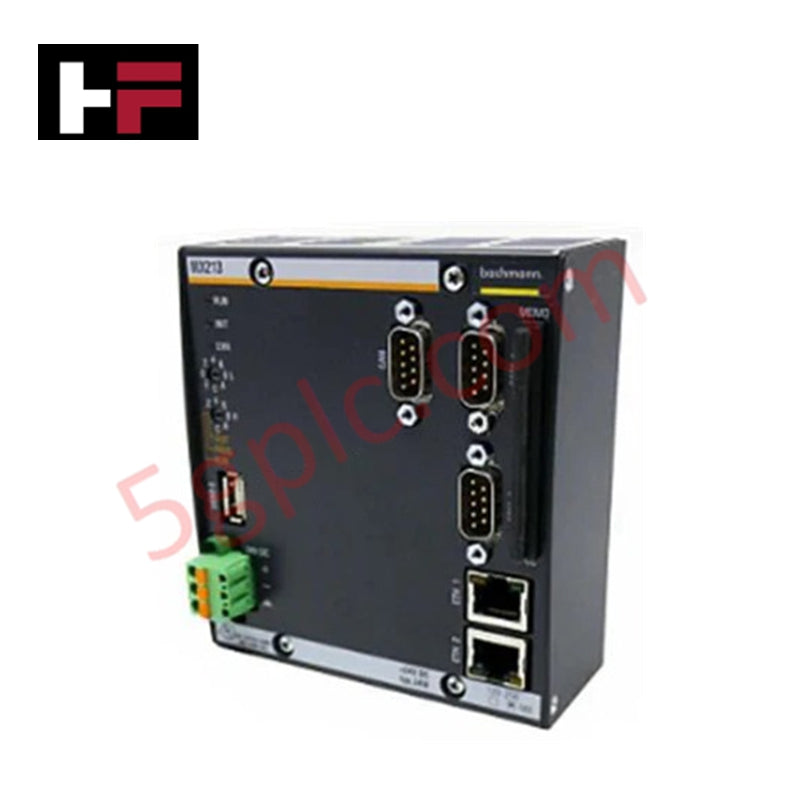
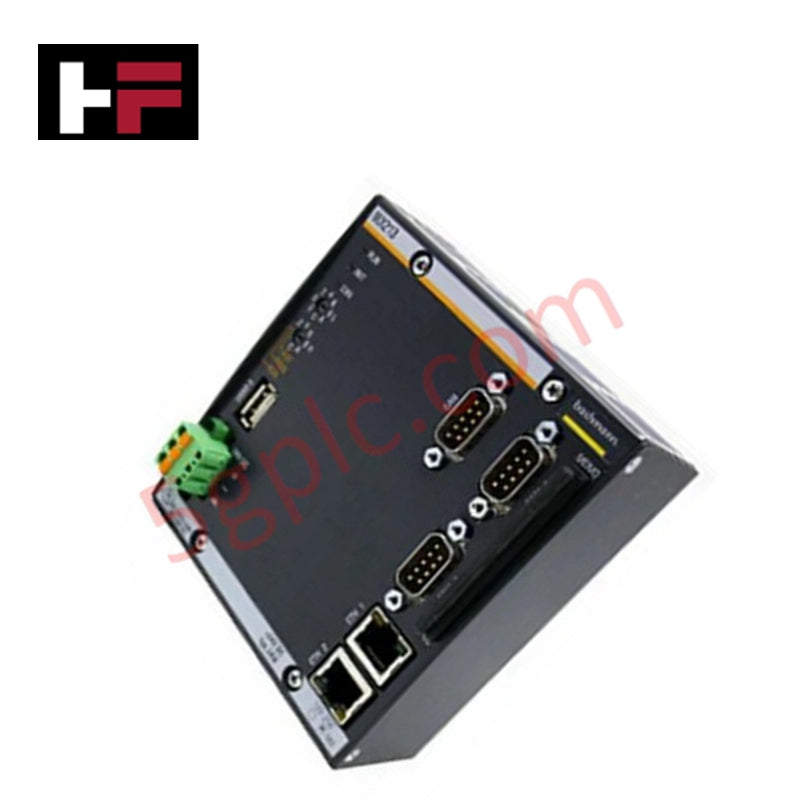
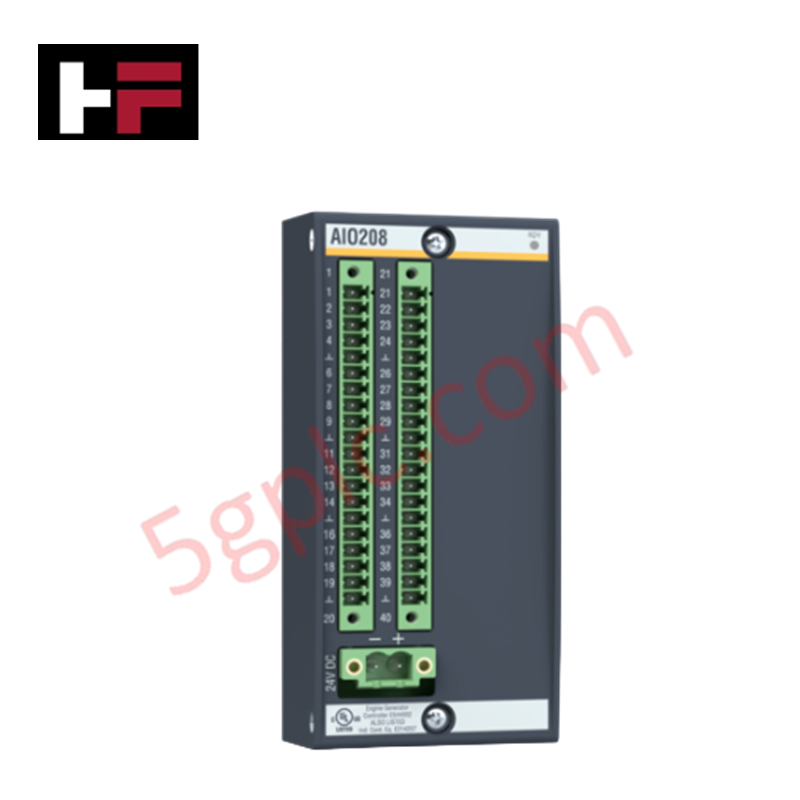
The Bachmann DIO280 is a high-density digital input/output module designed for advanced industrial automation. Supporting 32–48 digital inputs and outputs, it features counters, PWM generation, and configurable interrupt channels. The DIO280 combines compact design with robust diagnostics and flexible configuration, making it ideal for complex automation networks that require precise control and monitoring.
Specifications
Inputs
-
Quantity: 32–48 digital inputs
-
High-Level Voltage: 15–34 V DC
-
Low-Level Voltage: 0–5 V DC
-
Input Delay: Standard 600 µs, adjustable 10 µs to 270 ms
-
Internal Resistance: 8 kΩ
-
Status Indicator: Green LED per channel
-
Interrupt Inputs: 8, configurable as counter or interrupt inputs
Counters
-
Number of Counters: Up to 4
-
Resolution: 32-bit
-
Operation Modes: Event counter, incremental encoder, gate time, period length, frequency measurement
-
Encoder Support: Incremental encoders (A/B channels), single-channel pulse encoders
-
Signal Evaluation: 1/2/4 times edge evaluation or pulse direction mode
-
Maximum Input Frequency: Single channel: 50 kHz; Dual channel (A/B): 20 kHz
Outputs
-
Quantity: 32–48 digital outputs
-
Voltage Range: 18–34 V DC
-
Maximum Current per Channel: 0.5 A
-
Total Current: 24 A
-
Status Indicator: Green LED per channel
-
Switching Frequency: Up to 1 kHz
-
Inductive Load Switching: 1.15 H
-
PWM Channels: Same as outputs, 0–100% duty cycle, 13-bit resolution
-
Frequency: 1 Hz to 1 kHz
-
Valve Hold Time: Configurable 0–2 s
Power and Protection
-
Internal Electrical Isolation: 500 V
-
Internal Current Consumption (5 V): 180 mA
-
External Supply: 24 V DC with polarity reversal protection and sensor energy recovery
Environmental Conditions
-
Operating Temperature: −30 °C to +60 °C
-
Storage Temperature: −40 °C to +60 °C
-
Operating Humidity: 5–95% (with or without condensation)
-
Storage Humidity: 5–95% (with condensation)
-
Pollution Degree: 2 (IEC 60664-1)
Physical Characteristics
-
Dimensions: 10.8 × 5.7 × 12.1 cm (4.3" × 2.3" × 4.8")
-
Weight: 0.4 kg (14.4 oz)
Features
-
High-Density Channels: 32–48 digital inputs and outputs for large-scale control
-
Advanced Counter Support: Up to 4 configurable counters for event or frequency measurement
-
PWM Functionality: Adjustable duty cycle and valve hold time for precision output control
-
Flexible Interrupts: 8 configurable channels for fast event detection
-
Integrated Diagnostics: Real-time monitoring and fault detection
-
Industrial-Grade Design: Vibration-resistant and suitable for harsh environments
-
Compact Installation: Optimized footprint for DIN rail or panel mounting
Applications
The DIO280 is suitable for factory automation, process control, distributed I/O networks, and other industrial systems. It provides precise monitoring and control of relays, actuators, and sensors in high-density configurations.
FAQ
Q: How many input and output channels are available?
A: The DIO280 supports 32–48 inputs and 32–48 outputs, configurable as needed.
Q: Can it handle counter or encoder inputs?
A: Yes, up to 4 channels can be configured for counters or incremental encoder inputs with flexible signal evaluation.
Q: What is the PWM capability of the module?
A: Each output supports PWM with 13-bit resolution, frequency from 1 Hz to 1 kHz, and configurable valve hold time up to 2 seconds.
Q: Is it suitable for harsh industrial environments?
A: Yes, it operates from −30 °C to +60 °C, is vibration-resistant, and supports wide humidity ranges.
Additional Information
- 100% Genuine Parts: All products are original and authentic, ensuring reliable industrial performance.
- 30-Day Refund Guarantee: Return any in-stock item within 30 days in original, unopened packaging for a full refund (excluding shipping and fees).
- 12-Month Warranty: Covers defects in materials or workmanship; excludes misuse, normal wear, or unauthorized modifications.
- Worldwide Shipping: We ship via USPS, UPS, FedEx, and DHL. Delivery times vary by country and may be subject to customs or import fees.
- Support & Contact: Technical and warranty assistance is available anytime. Contact us here: Contact.
- Purchase Guidance: Check product specifications and compatibility carefully before ordering to ensure proper application.
Tech & Buying Guide

Mastering VFD Braking Theory and Mechanical Brake Sequencing in Industrial Automation
In industrial automation, variable frequency drives (VFDs) regulate motor speed and torque across manufacturing plants and material handling systems. However, certain heavy-duty applications experience external loads that can rotate the motor shaft without an active command. For instance, gravity pulls loads downward in unanchored hoisting equipment. Therefore, engineers integrate mechanical brakes with VFD logic to maintain absolute safety and prevent structural damage or personnel injury during shutdowns.

Optimizing Tank Level Control Using Proportional Algorithms in PLC Systems
Industrial automation engineers frequently encounter liquid level regulation challenges across diverse process plants. Traditional ON-OFF control mechanisms often disrupt system stability due to abrupt actuator switching. Therefore, upgrading to closed-loop architectures like proportional control yields smoother responses. In a typical PLC environment, such as Siemens TIA Portal, engineers utilize closed-loop feedback to minimize process errors without requiring full PID complexity.
Understanding Why Your PLC Enters Stop Mode: Causes and Troubleshooting
In industrial automation, programmable logic controllers (PLCs) serve as the core intelligence of modern factory automation and distributed control systems (DCS). Understanding how a PLC transitions between modes is vital for maintenance engineers. Typically, a PLC operates across four primary modes: Run, Stop, Start-Up, and Hold. When power is applied, the system immediately boots into Stop mode before initiating the Start-Up sequence. If the controller encounters a critical error during execution, it automatically reverts to Stop mode to prevent equipment damage. Therefore, monitoring these state transitions helps technicians maintain high system availability.