










Product Details
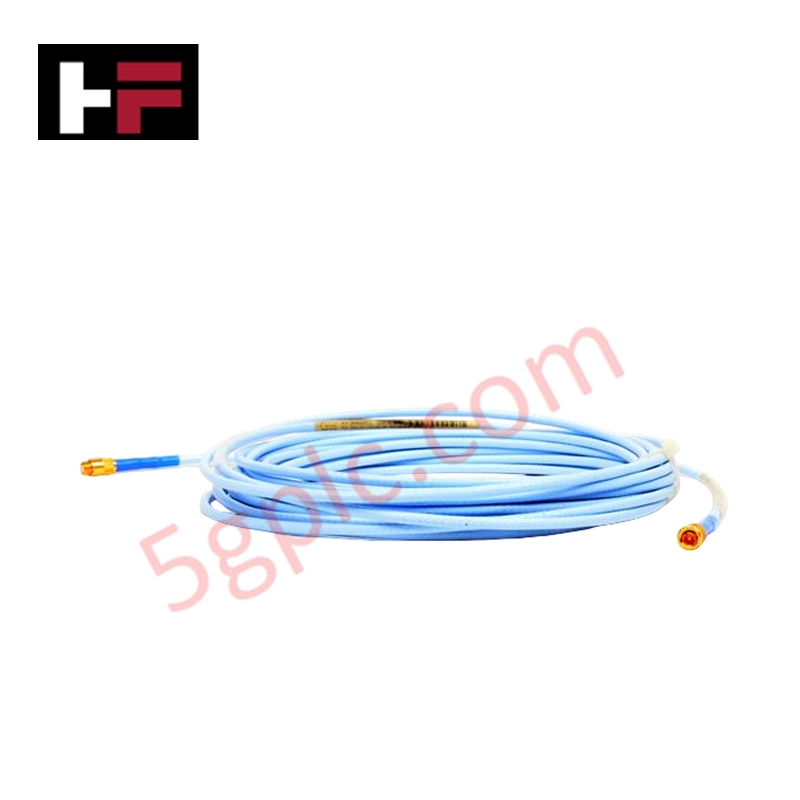
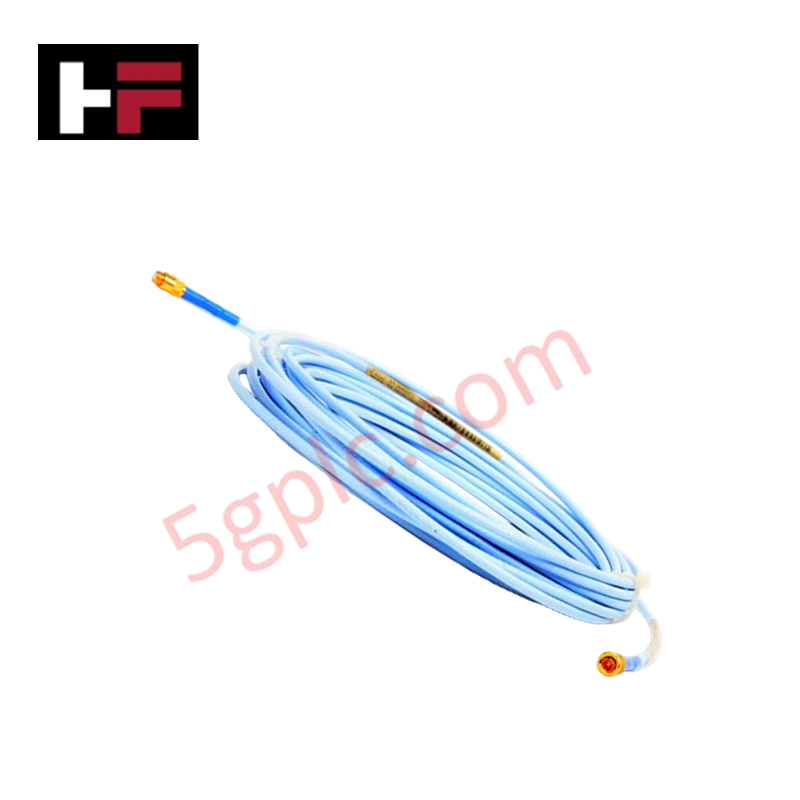
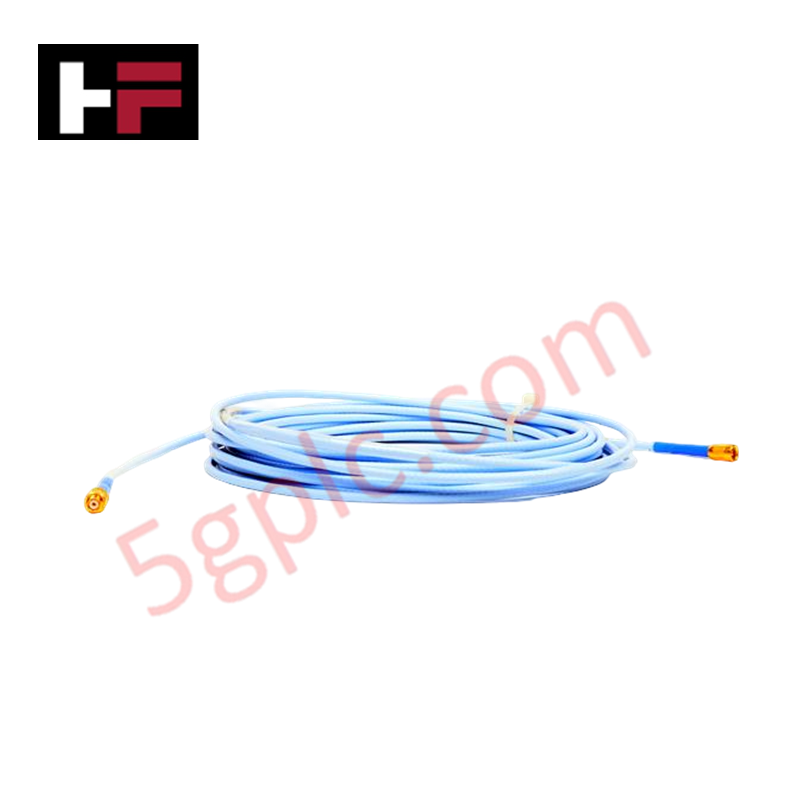
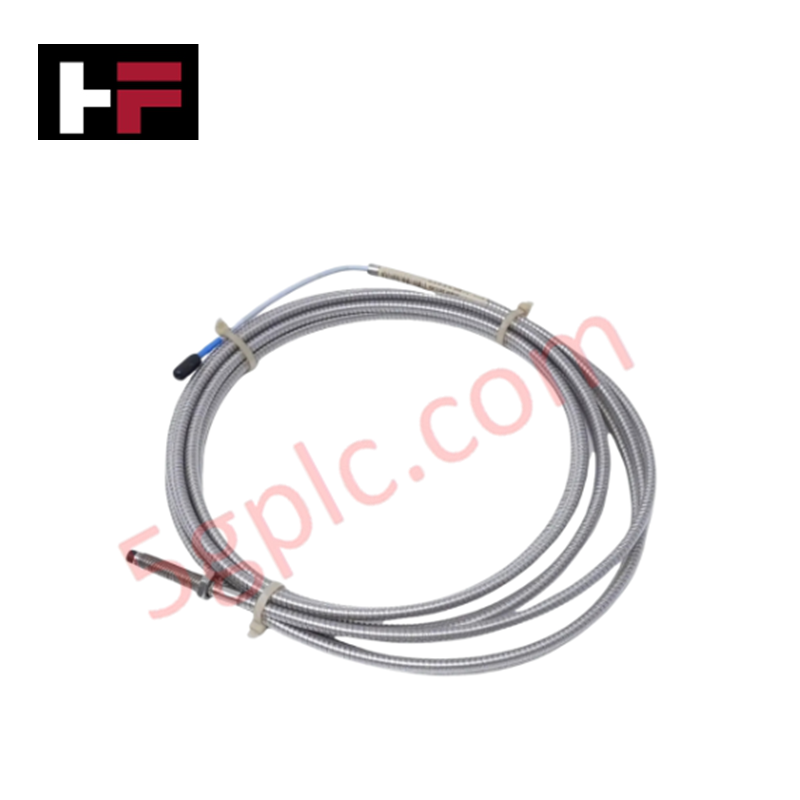
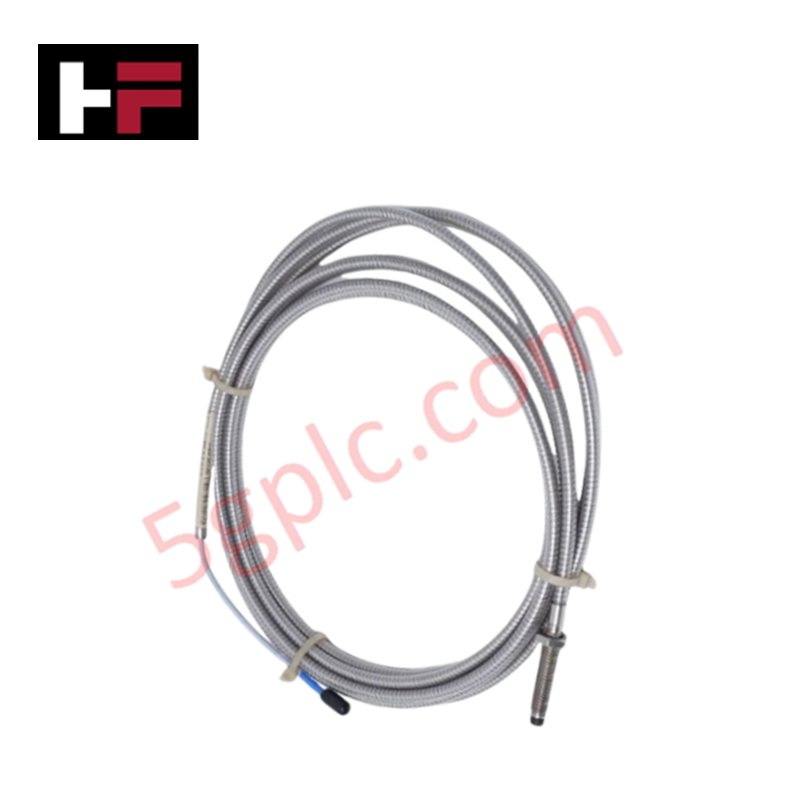
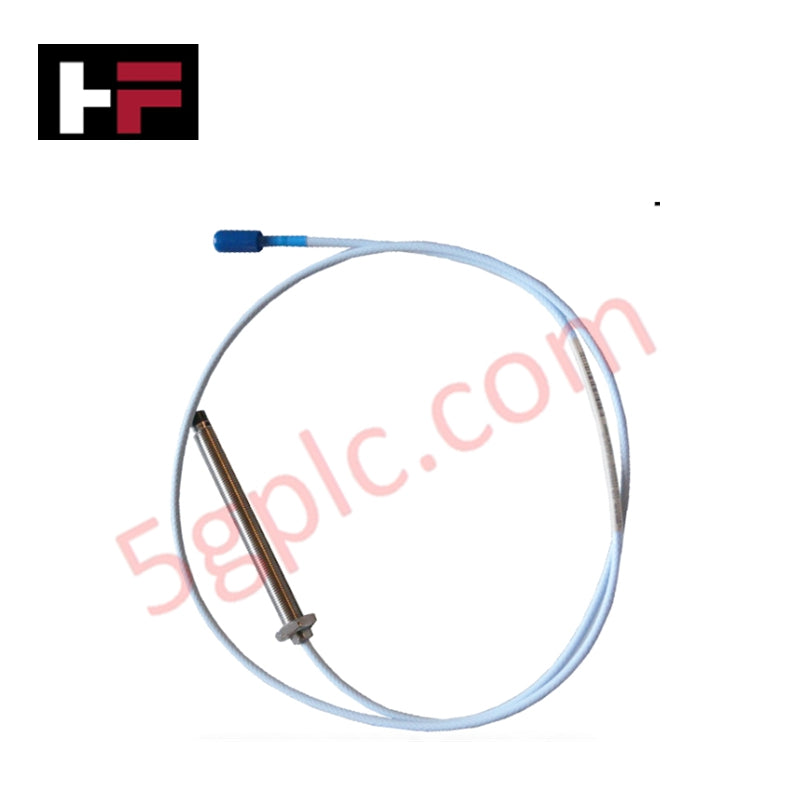
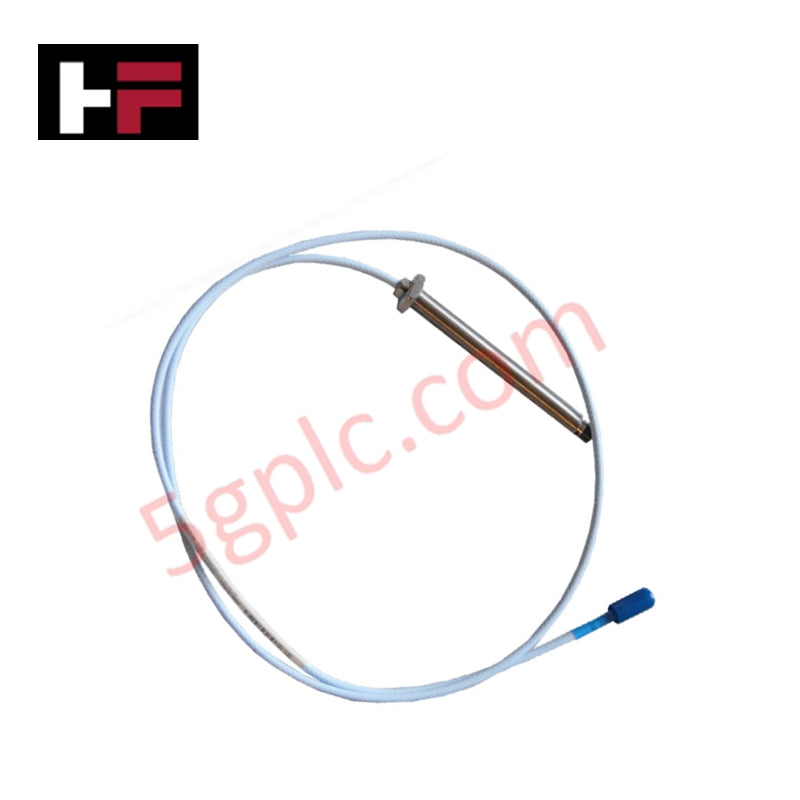
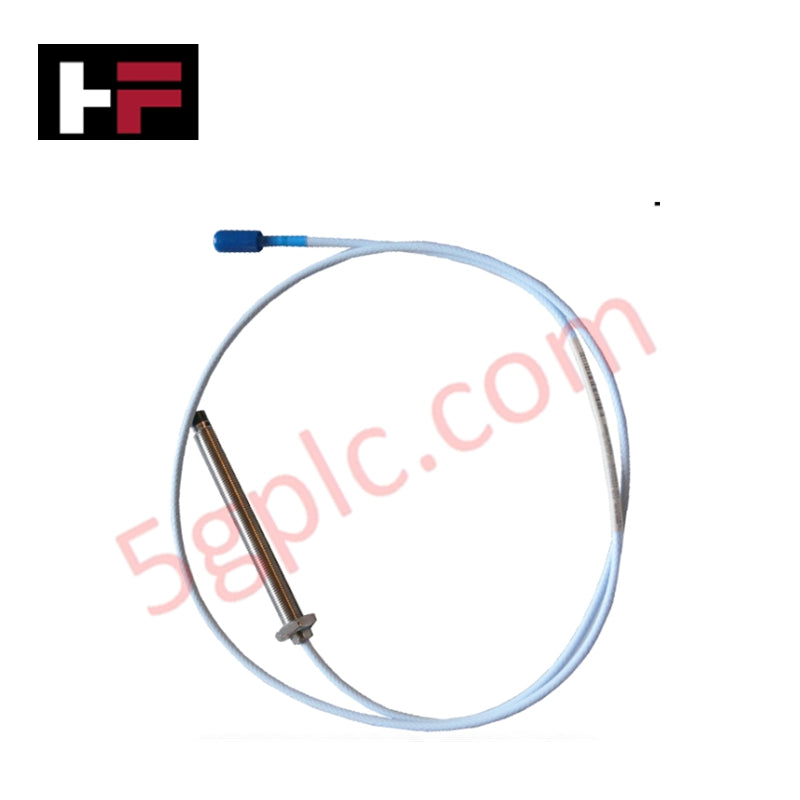
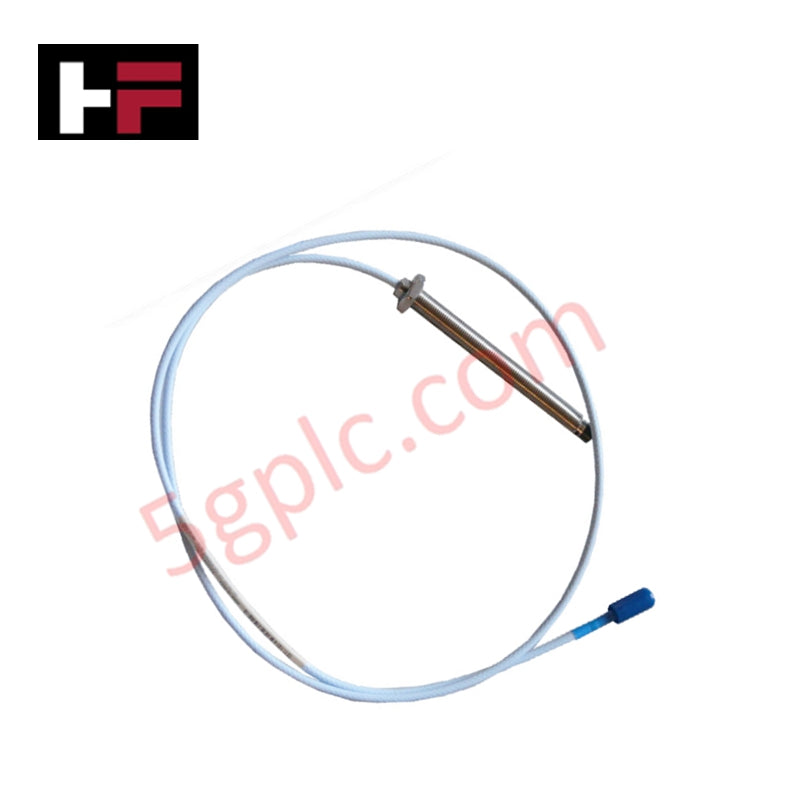
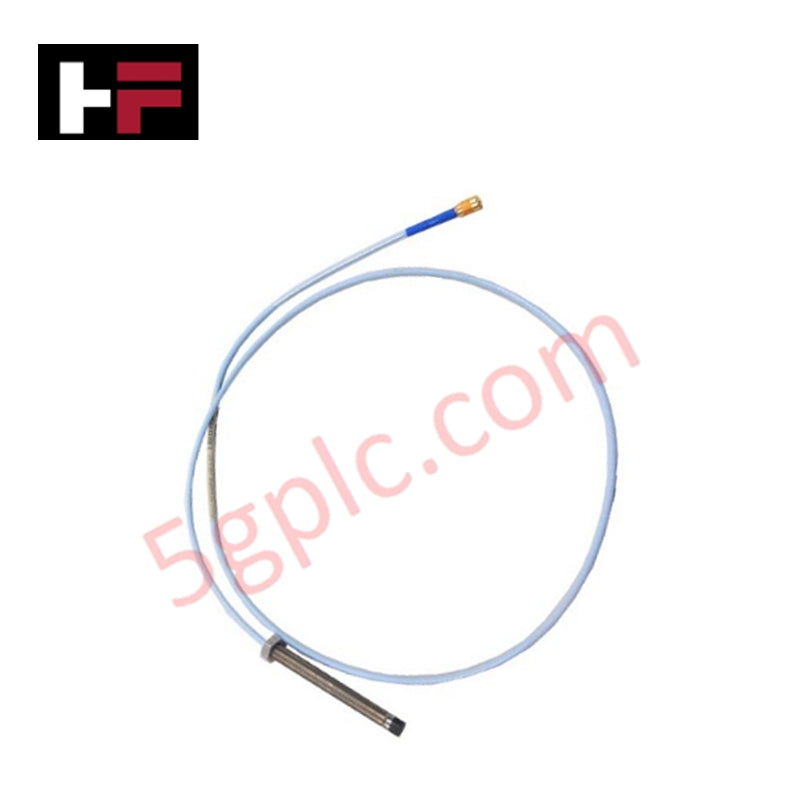
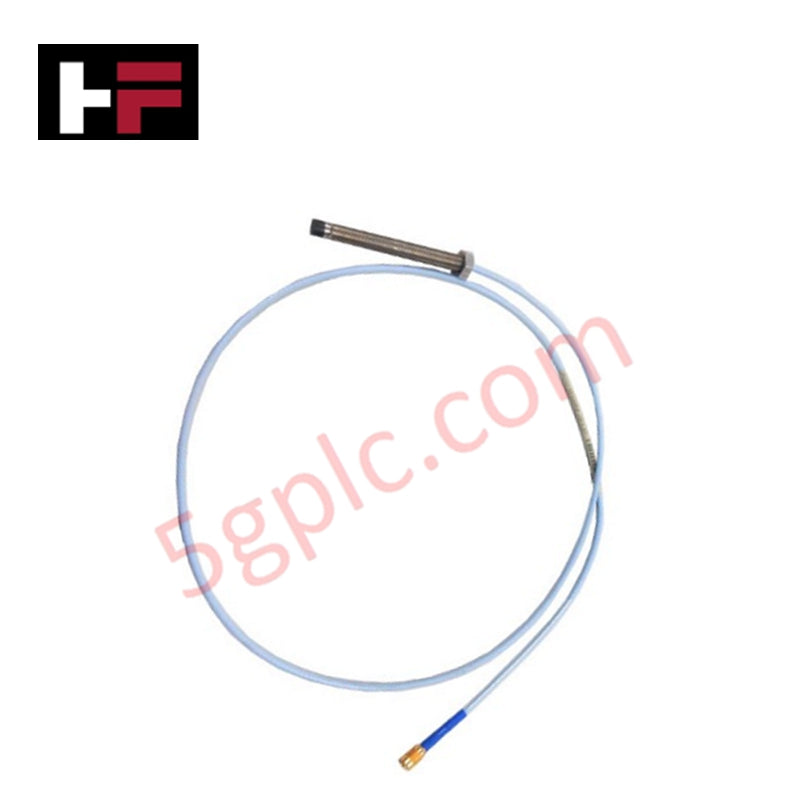
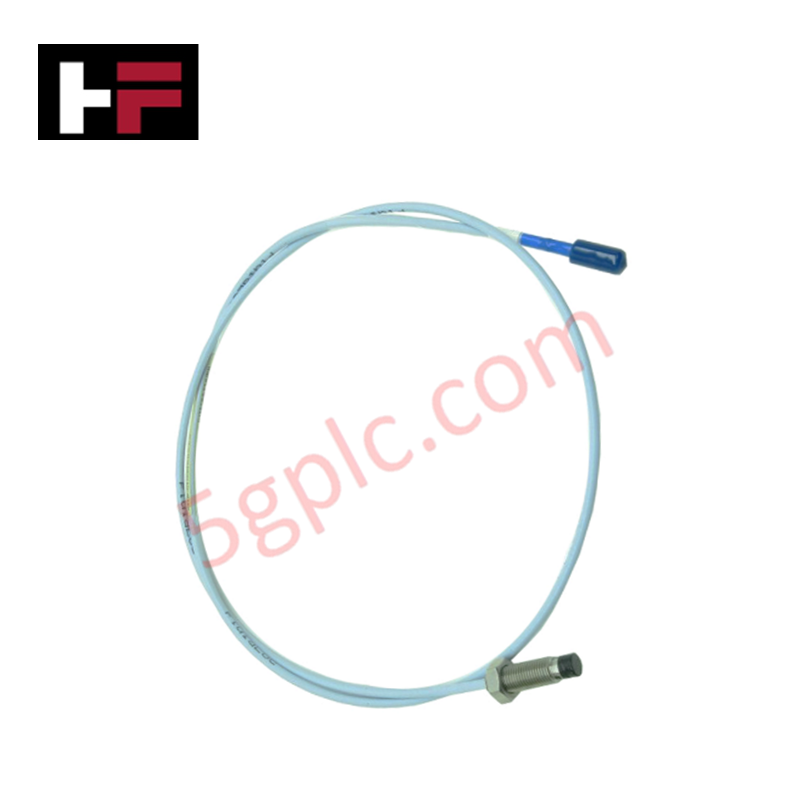
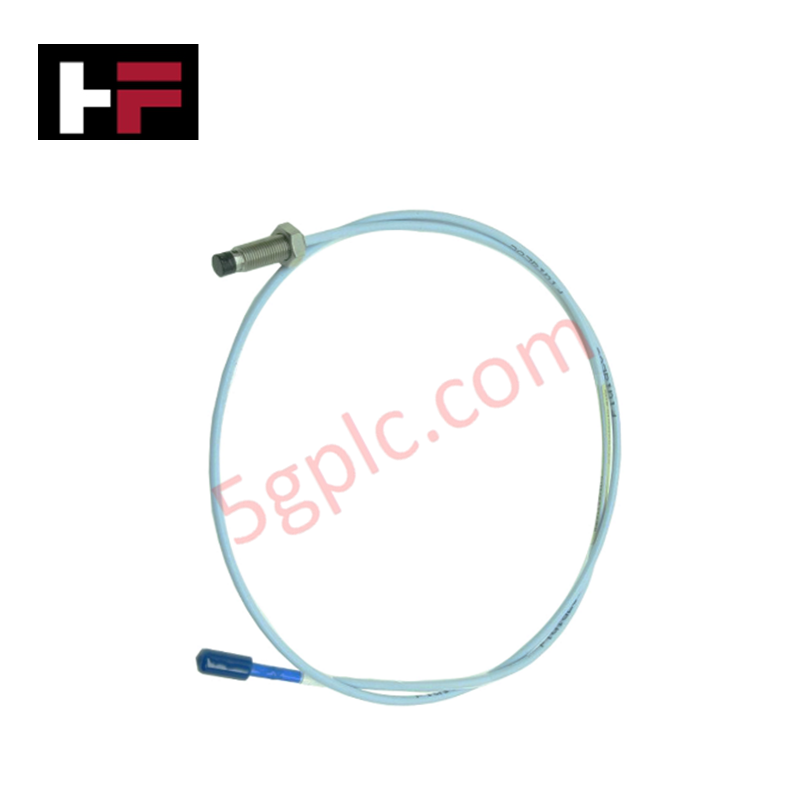
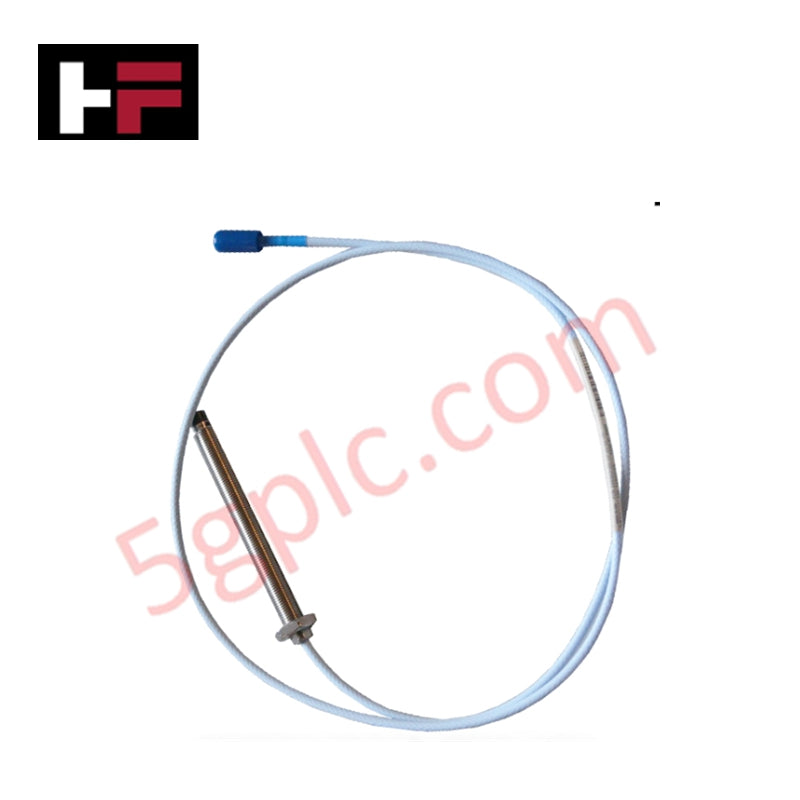
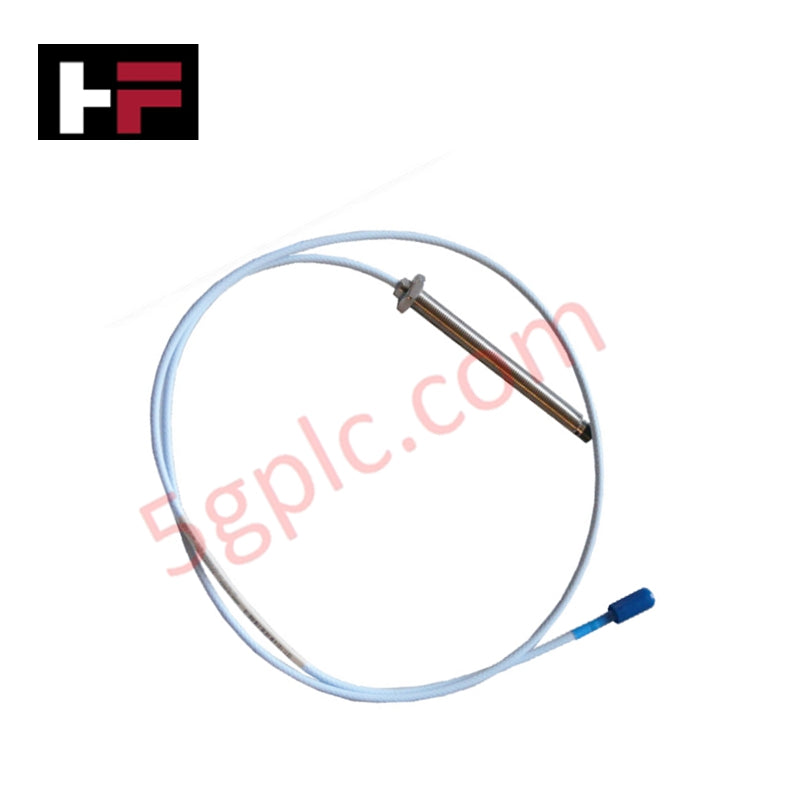
The 330130-080-00-BR is an 8.0-meter extension cable manufactured by Bently Nevada for 3300 XL proximity transducer systems. It provides electrical connectivity between eddy-current probes and Proximitor monitors, ensuring reliable transmission of dynamic displacement signals in industrial monitoring loops. This configuration incorporates an armored outer jacket, FEP insulation, and country-specific agency approvals for Brazil.
The model designation incorporates specific alphanumeric options defining its physical length and construction. The 080 designator specifies a total cable length of 8.0 meters (26.2 feet), while the 00-BR suffix combination indicates standard catalog options coupled with Brazil-specific regulatory compliance. The cable utilizes a 75-ohm triaxial architecture to maintain system impedance and signal integrity.
Technical Specifications
| Parameter | Specification |
|---|---|
| Model | 330130-080-00-BR |
| Brand | Bently Nevada |
| Product Type | 3300 XL Standard Extension Cable |
| Cable Length | 8.0 meters (26.2 feet) |
| Voltage Requirement | -17.5 Vdc to -26 Vdc (non-incendive); -23 Vdc to -26 Vdc (with barriers) |
| Power Consumption | Maximum 12 mA |
| Output Resistance | 50 Ohm |
| Capacitance | 69.9 pF/m (21.3 pF/ft) |
| Linear Range | 0.25 mm to 2.3 mm (10 mils to 90 mils) |
| Weight | 0.89 kg |
| Origin | U.S.A |
The extension cable is engineered to preserve phase stability and prevent signal attenuation across extended measurement paths. Its electrical characteristics support standard operating voltage loops while maintaining a linear displacement output relative to the target gap. The armored outer construction protects against mechanical stress and environmental wear in heavy industrial installations.
Field Installation and Maintenance
Proper installation requires keeping coaxial connectors clean and fully seated to avoid contact resistance errors and grounding issues. Route the armored cable away from high-current power conductors to minimize electromagnetic interference, and avoid sharp bending radii that could compromise the internal coaxial geometry.
Frequently Asked Questions
Q: What is the maximum allowable field wiring length between the 3300 XL sensor and monitor?
A: The maximum field wiring length is 305 meters (1,000 feet).
Q: Can this extension cable be used with non-3300 XL proximity sensors?
A: The 3300 XL extension cable is engineered for optimal performance and calibration compatibility specifically with 3300 XL 8 mm probes and monitoring hardware.
Additional Information
- 100% Genuine Parts: All products are original and authentic, ensuring reliable industrial performance.
- 30-Day Refund Guarantee: Return any in-stock item within 30 days in original, unopened packaging for a full refund (excluding shipping and fees).
- 12-Month Warranty: Covers defects in materials or workmanship; excludes misuse, normal wear, or unauthorized modifications.
- Worldwide Shipping: We ship via USPS, UPS, FedEx, and DHL. Delivery times vary by country and may be subject to customs or import fees.
- Support & Contact: Technical and warranty assistance is available anytime. Contact us here: Contact.
- Purchase Guidance: Check product specifications and compatibility carefully before ordering to ensure proper application.
Tech & Buying Guide

Empowering Predictive Maintenance in PLC and SCADA Systems Through Maintenance Management
Industrial automation networks constantly generate vast streams of diagnostic data before major equipment failures occur. Therefore, integrating control systems with maintenance management platforms is essential for maximizing plant uptime. In my 15 years of commissioning programmable logic controllers (PLCs) and supervisory control and data acquisition (SCADA) networks, I have witnessed how raw alarms sit unnoticed in controller buffers. Bridging the gap between automation software and computerized maintenance management systems (CMMS) transforms early warning signals into actionable work orders. Below, I examine how this integration drives predictive maintenance across modern industrial facilities.

Understanding Industrial Annunciator Panels: Critical Alarm Management in Process Control
An industrial annunciator panel is a dedicated visual and audible alert device. It monitors equipment statuses and alerts operators to abnormal process conditions. Traditionally, these panels feature multiple back-lit windows engraved with specific plant alarms. When a sensor trips, the window flashes and a horn sounds to attract immediate operator attention. Therefore, plant personnel quickly identify critical faults across complex factory automation environments.

Comprehensive Guide to Industrial Control Panels and Their Architectural Types
Industrial control panels house vital measurement, monitoring, protection, and management instruments. Engineers install these enclosures either inside central control rooms or directly in harsh plant environments as local control panels (LCP). Furthermore, manufacturers design these enclosures based on specific energy sources and process dynamics. Therefore, classification depends on functional media such as electrical, electronic, pneumatic, or hydraulic systems.