












Product Details
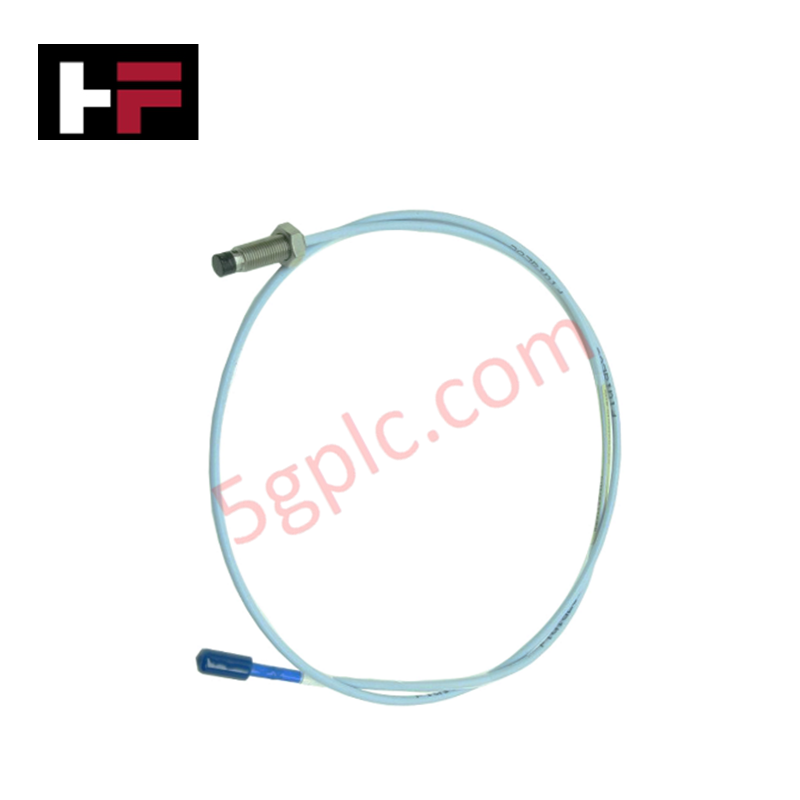
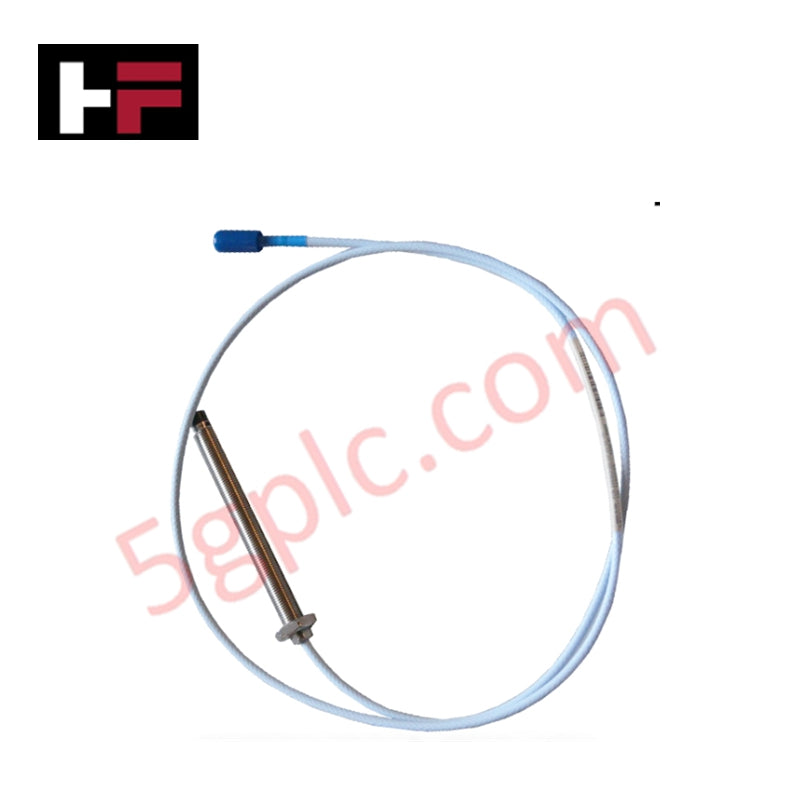
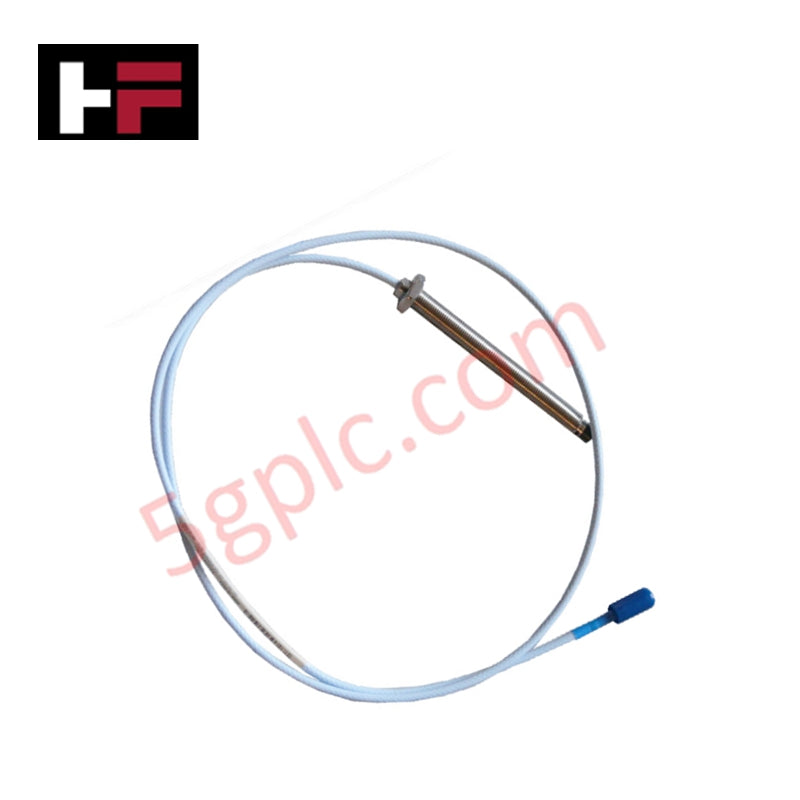
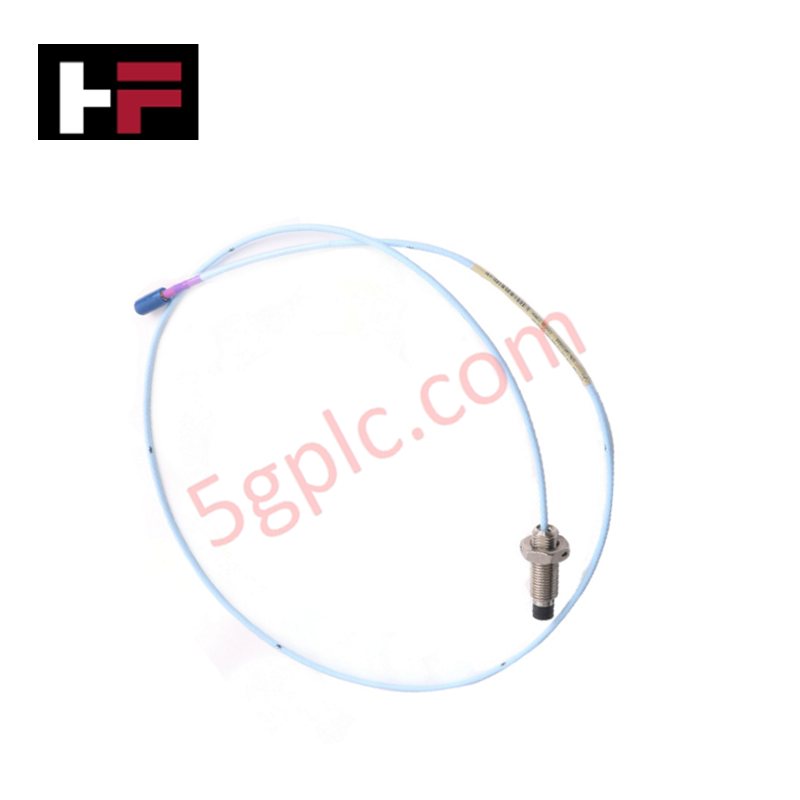
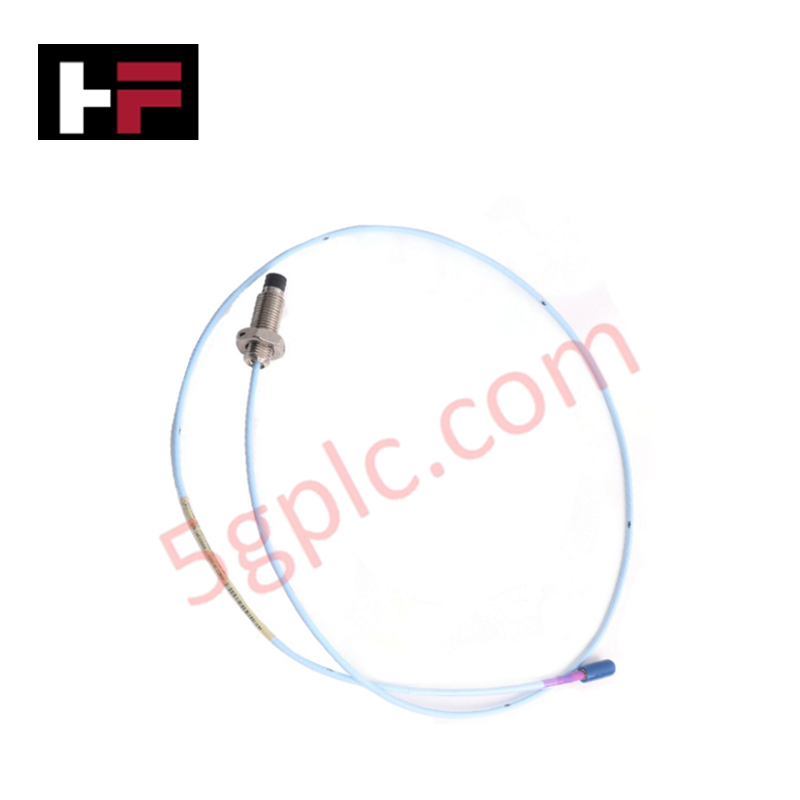
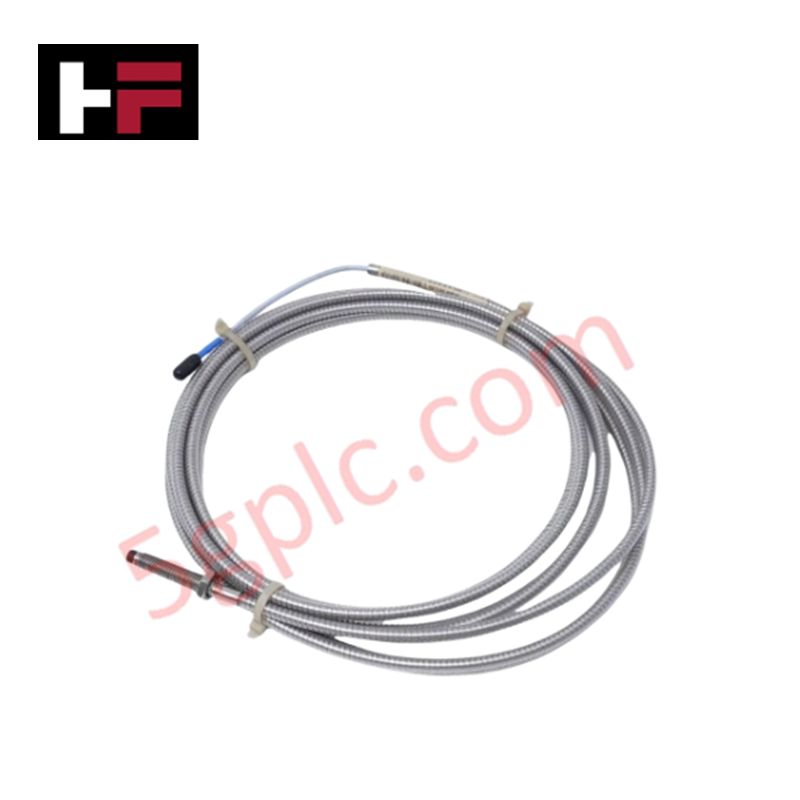
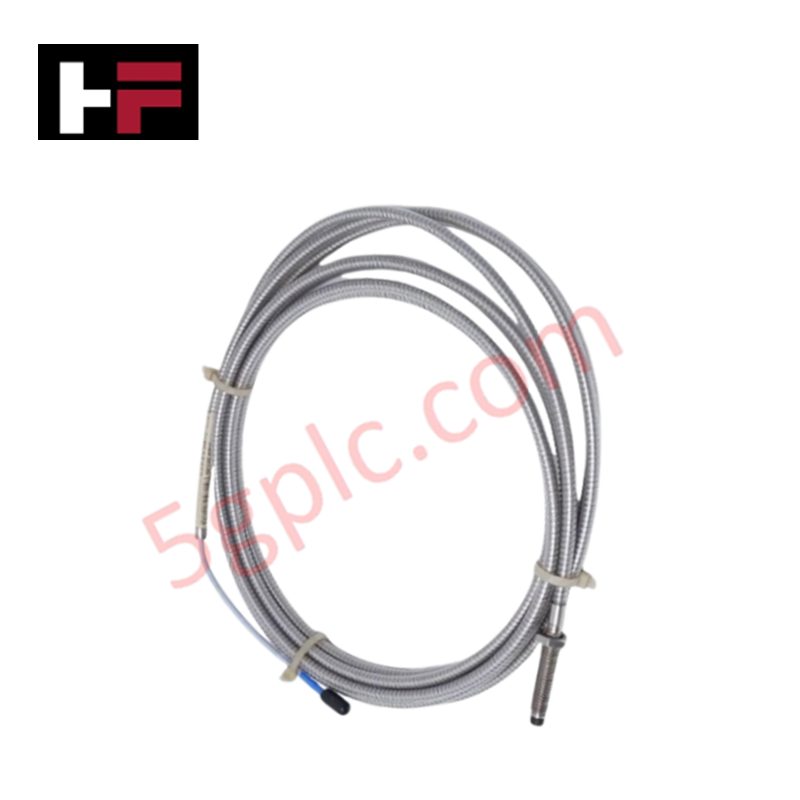
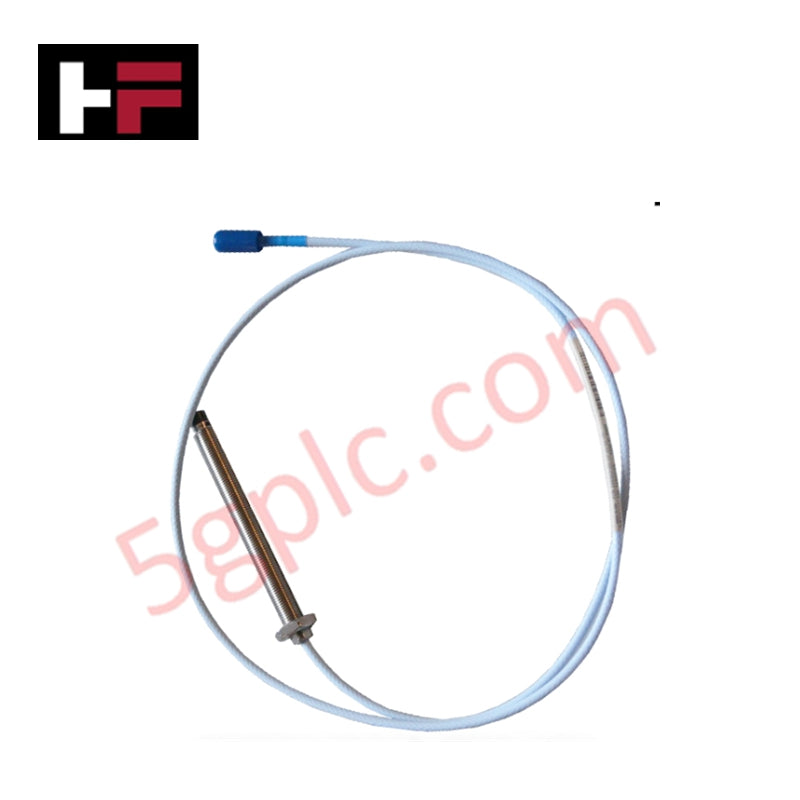
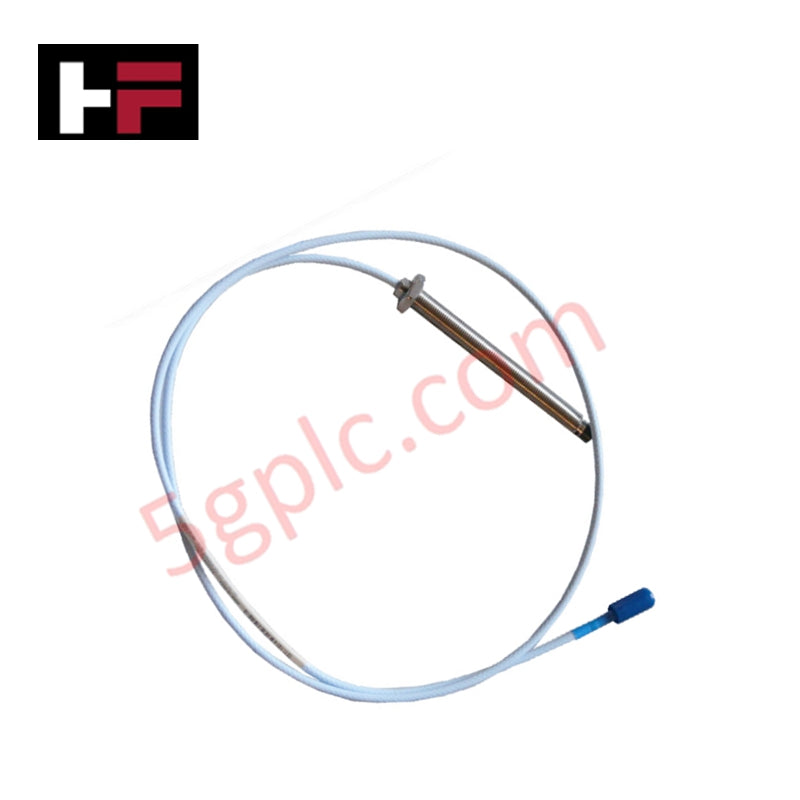
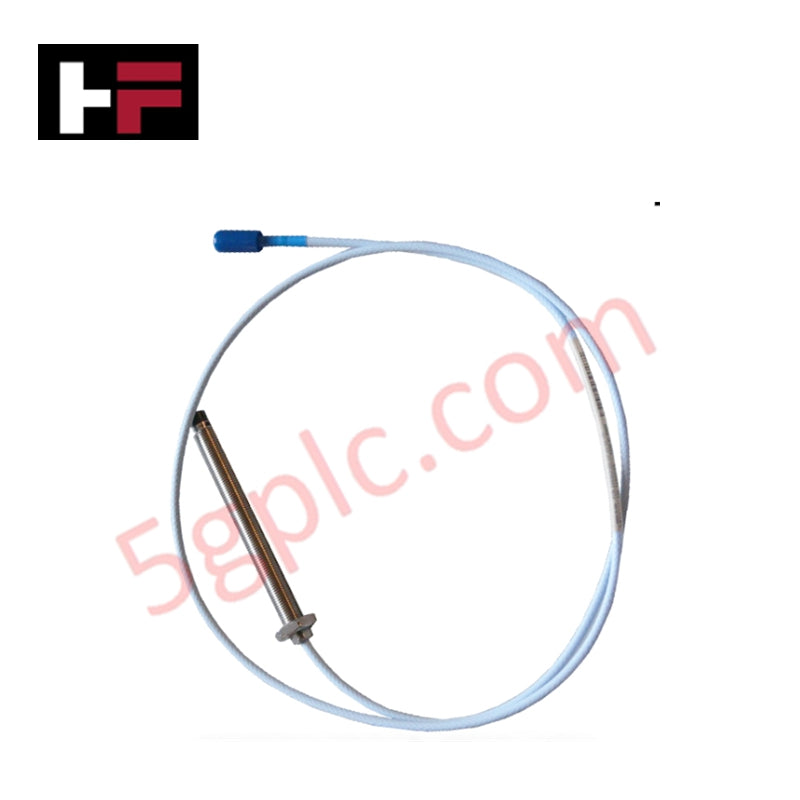
The 330104-00-10-10-01-05 is an 8 mm eddy-current proximity probe from the Bently Nevada 3300 XL series, engineered for precise shaft vibration, axial position, and speed measurements in rotating machinery. This armored metric transducer interfaces with a matching Proximitor sensor to deliver reliable analog displacement signals across certified hazardous industrial environments.
Model Configuration and Suffix Breakdown
The part number encodes specific physical and electrical attributes defined by the manufacturer ordering matrix. The base code 330104 designates the metric 3300 XL 8 mm proximity probe featuring stainless steel armor.
- 00: Unthreaded length option of 0 mm.
- 10: Overall case length option of 100 mm.
- 10: Total cable length option of 1.0 m (3.3 ft).
- 01: Miniature coaxial ClickLoc connector with connector protector and standard cable.
- 05: Hazardous area agency approvals including CSA, ATEX, and IECEx certifications.
Hardware Specifications
| Parameter | Specification |
|---|---|
| Model | 330104-00-10-10-01-05 |
| Brand | Bently Nevada |
| Product Family | 3300 XL Proximity Transducer System |
| Thread Type | Metric |
| Armor | Stainless steel armor |
| Unthreaded Length | 0 mm |
| Case Length | 100 mm |
| Total Cable Length | 1.0 m (3.3 ft) |
| Connector Type | Miniature coaxial ClickLoc with protector |
| Probe Tip Diameter | 8 mm |
| Linear Range | 2 mm (80 mils) |
| Scale Factor | 7.87 V/mm (~200 mV/mil) |
| Operating Temperature | –51 deg C to +177 deg C (–60 deg F to +351 deg F) |
| Materials | Tip: PPS; Case: Stainless steel |
| Agency Approvals | CSA, ATEX, IECEx |
Signal Scaling and Performance
This transducer is calibrated for –10 VDC gap voltage validation to ensure accurate displacement conversion when paired with a matching 3300 XL Proximitor sensor. Its stainless steel armor provides mechanical protection in harsh environments, while the coaxial system maintains impedance matching and cross-talk suppression. Full component interchangeability across the 3300 XL series eliminates the need for bench recalibration.
Field Installation Guidelines
- Install the probe tip perpendicular to the shaft surface to ensure accurate displacement measurement.
- Maintain insertion depth to achieve the –10 VDC gap reference.
- Route the armored coaxial cable with shielding grounded at a single point to minimize electrical interference.
- Avoid sharp bends along the cable path to prevent conductor fatigue.
- Confirm driver calibration after installation to ensure proper signal scaling.
Frequently Asked Questions
Q: What is the linear operating range of the probe?
A: The probe supports a 2 mm (80 mils) linear range for displacement measurements.
Q: What certifications are included with this part number?
A: CSA, ATEX, and IECEx hazardous area approvals are provided under suffix -05.
Q: Is calibration required when replacing components?
A: No, the probe is fully interchangeable with other 3300 XL system components without requiring bench calibration.
Additional Information
- 100% Genuine Parts: All products are original and authentic, ensuring reliable industrial performance.
- 30-Day Refund Guarantee: Return any in-stock item within 30 days in original, unopened packaging for a full refund (excluding shipping and fees).
- 12-Month Warranty: Covers defects in materials or workmanship; excludes misuse, normal wear, or unauthorized modifications.
- Worldwide Shipping: We ship via USPS, UPS, FedEx, and DHL. Delivery times vary by country and may be subject to customs or import fees.
- Support & Contact: Technical and warranty assistance is available anytime. Contact us here: Contact.
- Purchase Guidance: Check product specifications and compatibility carefully before ordering to ensure proper application.

Tech & Buying Guide

Securing Remote Access Tools in Industrial Automation Environments
Remote access has evolved from a convenient support option into an indispensable component of modern industrial automation. Consequently, control engineers routinely leverage remote connectivity for PLC programming, DCS diagnostics, and commissioning support to minimize costly plant downtime. However, poorly managed remote access tools—such as shared credentials, always-on sessions, or unsecured cloud relays—create dangerous vulnerabilities in critical control systems. In my 15 years of commissioning industrial automation networks, I have witnessed how inadequate perimeter security exposes factory floors to severe cyber threats. Below, I evaluate the leading remote access solutions and highlight how organizations can secure their operational technology (OT) infrastructure.

Achieving Deterministic Industrial Networks Through Time-Sensitive Networking (TSN)
Industrial automation environments increasingly demand high-speed, deterministic data transmission to coordinate complex machinery and factory automation lines. Therefore, control engineers continually seek networking technologies that eliminate unpredictable latency and packet loss. In my 15 years of commissioning distributed control systems (DCS) and high-speed motion networks, I have witnessed how traditional Ethernet bottlenecks can trigger unforced production stops. Below, I explore how Time-Sensitive Networking (TSN) transforms standard Ethernet into a deterministic communication backbone.

Comparing PID and Model Predictive Control (MPC) in Industrial Automation
Advanced process control strategies remain fundamental for maintaining optimal plant efficiency and product quality. Therefore, control engineers frequently evaluate whether a traditional Proportional-Integral-Derivative (PID) algorithm or a Model Predictive Control (MPC) strategy suits a given application. In my 15 years of commissioning distributed control systems (DCS) and factory automation networks, I have tuned thousands of PID loops while deploying complex MPC packages on multivariable distillation columns. Below, I break down the core operational differences between these two foundational control methodologies.