












Product Details
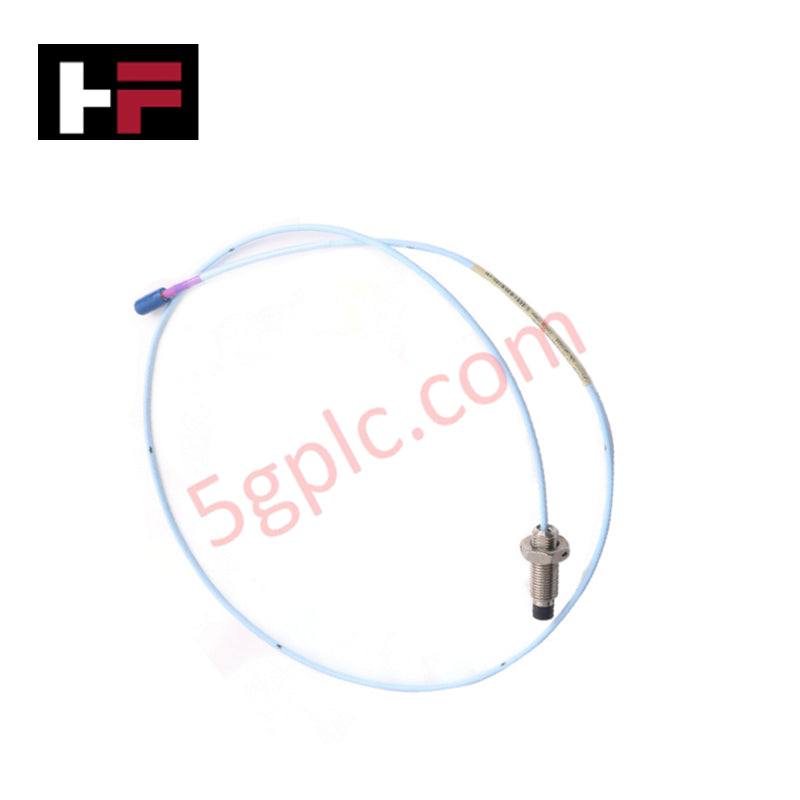
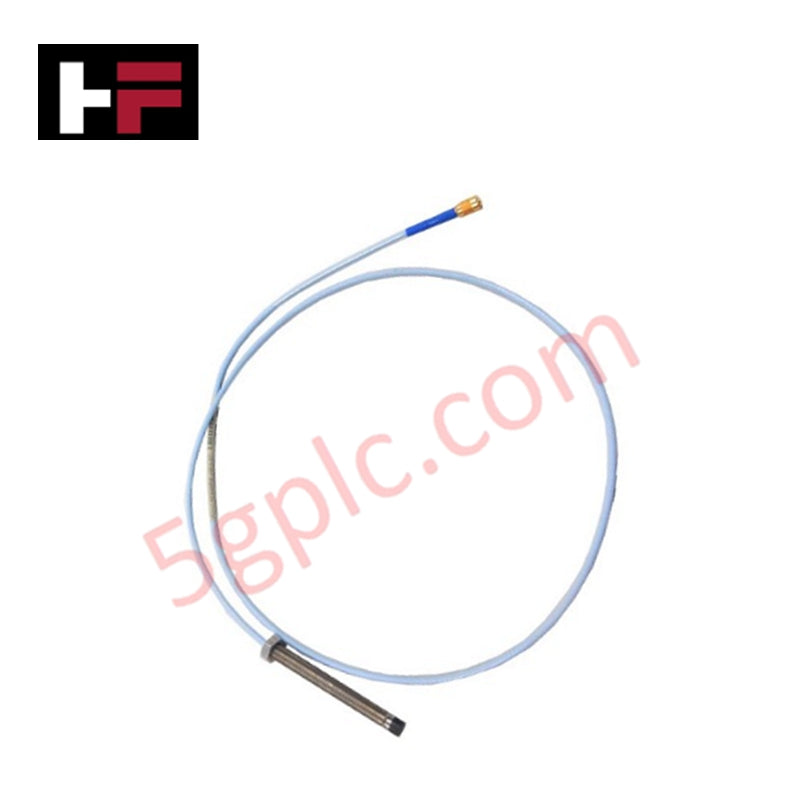
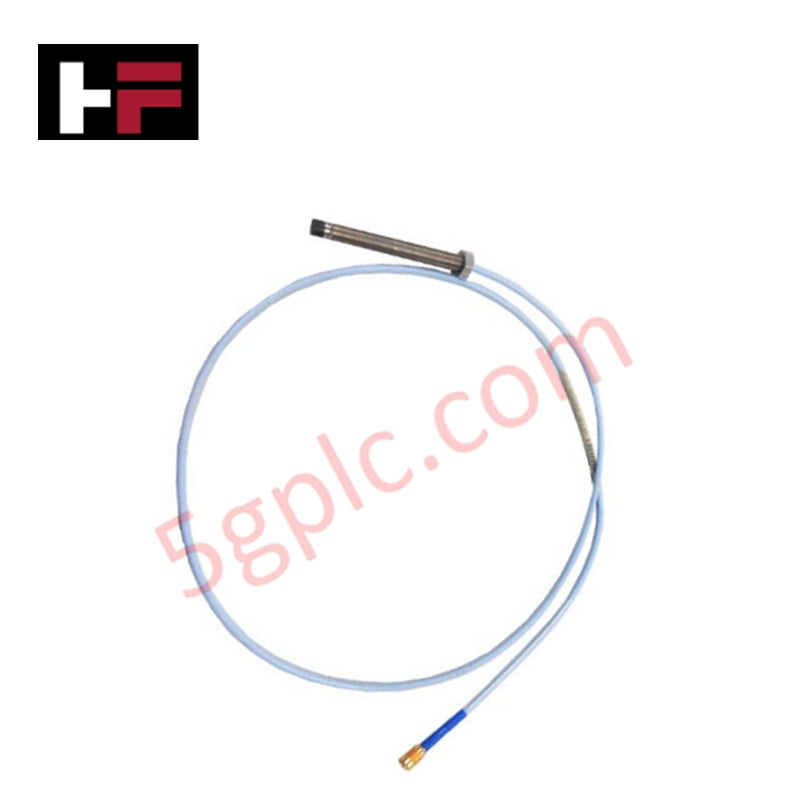
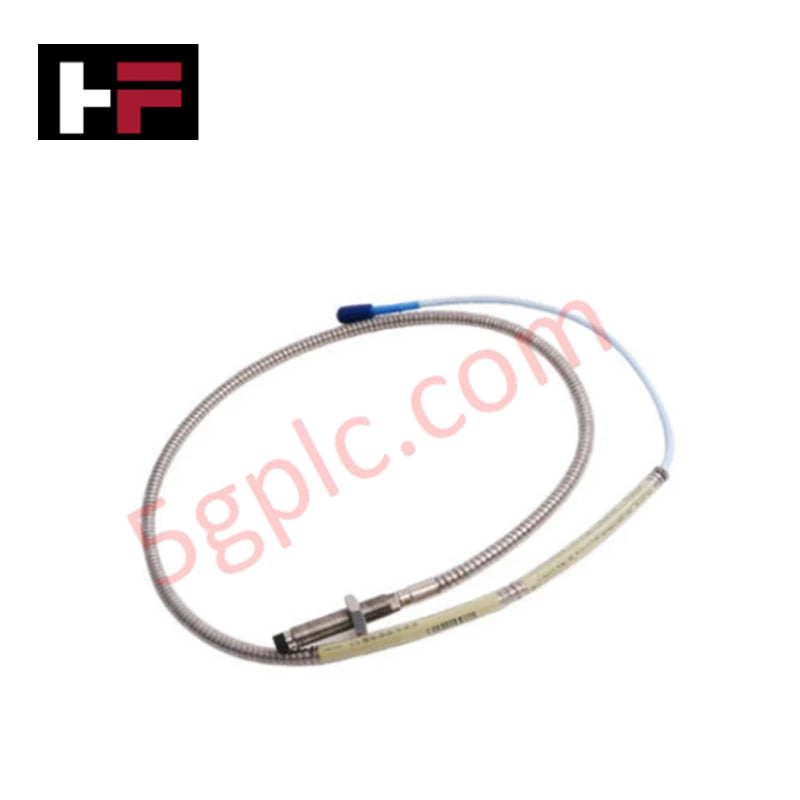
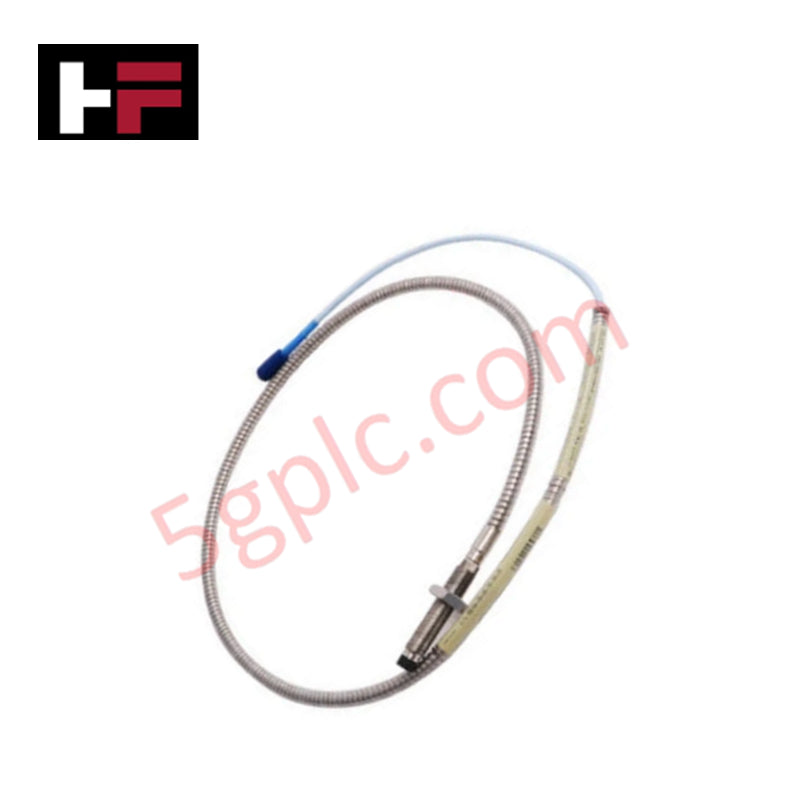
The 330103-00-03-05-01-05 is an 8 mm proximity probe engineered for precision vibration and position monitoring within Bently Nevada 3300 XL transducer systems. This component converts mechanical displacement into a proportional voltage output, supporting fluid-film bearing protection, Keyphasor references, and speed measurement in rotating machinery. It delivers stable performance through an integrated cable architecture and robust hazardous-area certifications.
Model Configuration and Suffix Breakdown
The base model 330103 represents an 8 mm non-armored proximity probe featuring an M10 x 1 metric thread. Specific configuration digits denote an unthreaded length of 0 mm and a 30 mm overall case length. The unit includes a 0.5 m integrated cable terminated with a miniature coaxial ClickLoc connector and carries multiple agency approvals.
Technical Specifications and Performance
Designed for active industrial monitoring, the sensor operates with full interchangeability with 3300 XL components, eliminating recalibration needs. It complies with API 670 standards and holds CSA, ATEX, and IECEx certifications for safe deployment in hazardous locations. The hardware is housed in a compact profile weighing 0.08 kg.
| Parameter | Specification |
|---|---|
| Model | 330103-00-03-05-01-05 |
| Brand | Bently Nevada |
| Origin | USA |
| Weight | 0.08 kg |
| Dimensions | 112 x 1.5 x 1.2 cm |
| Thread Type | M10 x 1 (non-armored) |
| Case Length | 30 mm |
| Cable Length | 0.5 m (1.6 ft) |
| Connector Type | Miniature coaxial ClickLoc with protector |
| Agency Approvals | CSA, ATEX, IECEx |
| Compliance | API 670 |
Functional Highlights and Compatibility
The probe provides reliable static and dynamic displacement data, making it well-suited for turbines, compressors, and other critical fluid-film bearing systems. Its compact case size accommodates tight installation spaces without sacrificing measurement linearity. The ClickLoc connector mechanism ensures a secure physical and electrical interface during multi-channel setup.
Frequently Asked Questions
Q: What primary machinery applications does this proximity probe support?
A: It is utilized for vibration monitoring, shaft axial position tracking, Keyphasor reference signals, and speed measurement on rotating equipment.
Q: Does this specific configuration include hazardous area certifications?
A: Yes, the final suffix code indicates that it includes multiple agency approvals, specifically CSA, ATEX, and IECEx.
Q: Does replacing or installing this probe require recalibration of the monitoring system?
A: No, full interchangeability across the 3300 XL component family allows replacement without requiring recalibration.
Additional Information
- 100% Genuine Parts: All products are original and authentic, ensuring reliable industrial performance.
- 30-Day Refund Guarantee: Return any in-stock item within 30 days in original, unopened packaging for a full refund (excluding shipping and fees).
- 12-Month Warranty: Covers defects in materials or workmanship; excludes misuse, normal wear, or unauthorized modifications.
- Worldwide Shipping: We ship via USPS, UPS, FedEx, and DHL. Delivery times vary by country and may be subject to customs or import fees.
- Support & Contact: Technical and warranty assistance is available anytime. Contact us here: Contact.
- Purchase Guidance: Check product specifications and compatibility carefully before ordering to ensure proper application.



Tech & Buying Guide

Essential Technical Glossary of Electrical Grounding and Bonding in Industrial Automation
In industrial automation, precise grounding terminology prevents catastrophic equipment failure. Therefore, engineers must master the foundational concepts of earth and ground. Earth represents the conductive mass of the planet, providing a zero-potential reference point. Ground defines a deliberate or accidental connection between an electrical circuit and earth. Furthermore, an effectively grounded system maintains low impedance to prevent hazardous voltage buildups during electrical faults.
Essential Guide to Grounding Electronic Equipment in Industrial Automation
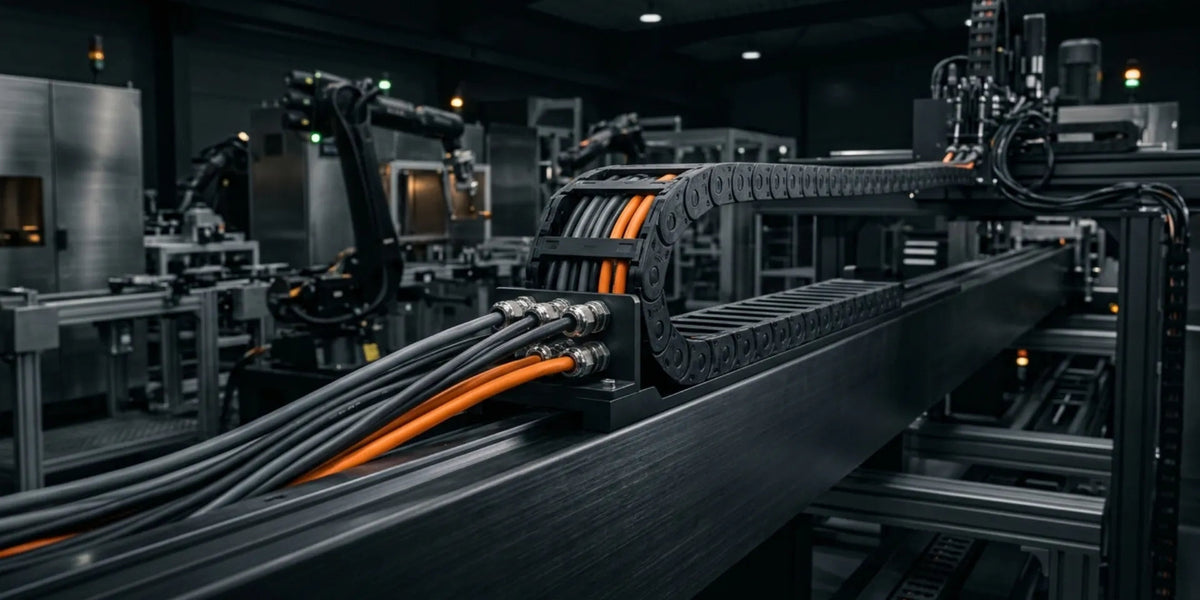
Industrial automation systems require robust grounding for personal safety and fault clearance. Safety grounding minimizes touch potential across exposed metallic enclosures. It ensures rapid clearance of fuses during electrical faults. However, electronic equipment introduces unique performance requirements. Solid-state devices operate at high speeds. Therefore, they exhibit extreme sensitivity to minor voltage transients. Facility engineers must balance electrical safety with operational signal integrity.

Engineering Guide to Selecting Electrical Earthing and Grounding Components in Industrial Automation
The overall reliability of any industrial automation network relies heavily on its grounding components. Control systems, PLCs, and distributed control systems (DCS) require rigorous earthing to mitigate electrical noise and faults. Engineers must select each component with extreme care. Furthermore, proper interconnection methods dictate whether a facility operates safely or suffers from chronic signal disruption.