
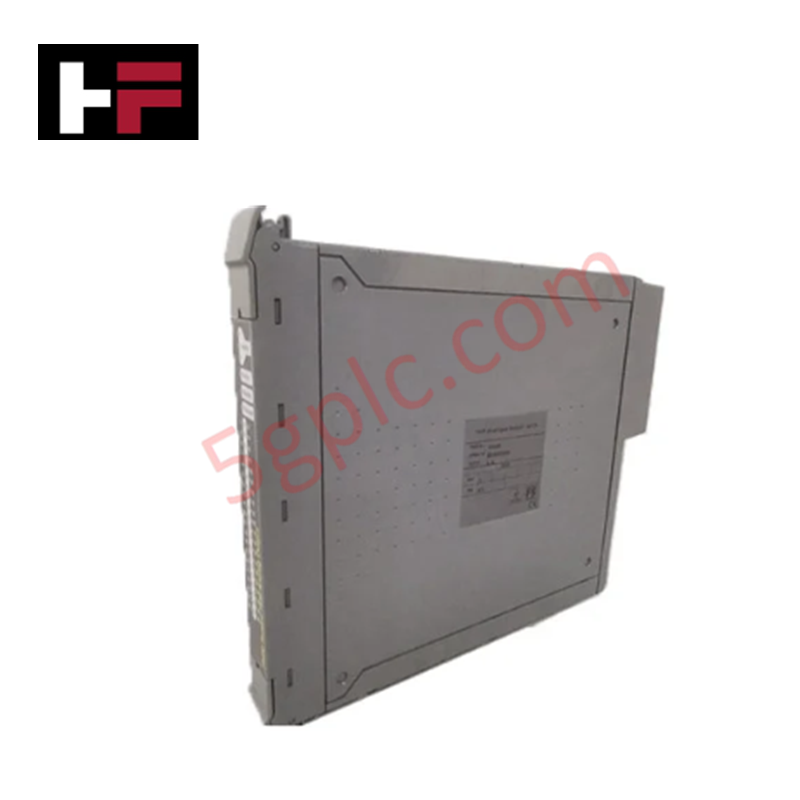
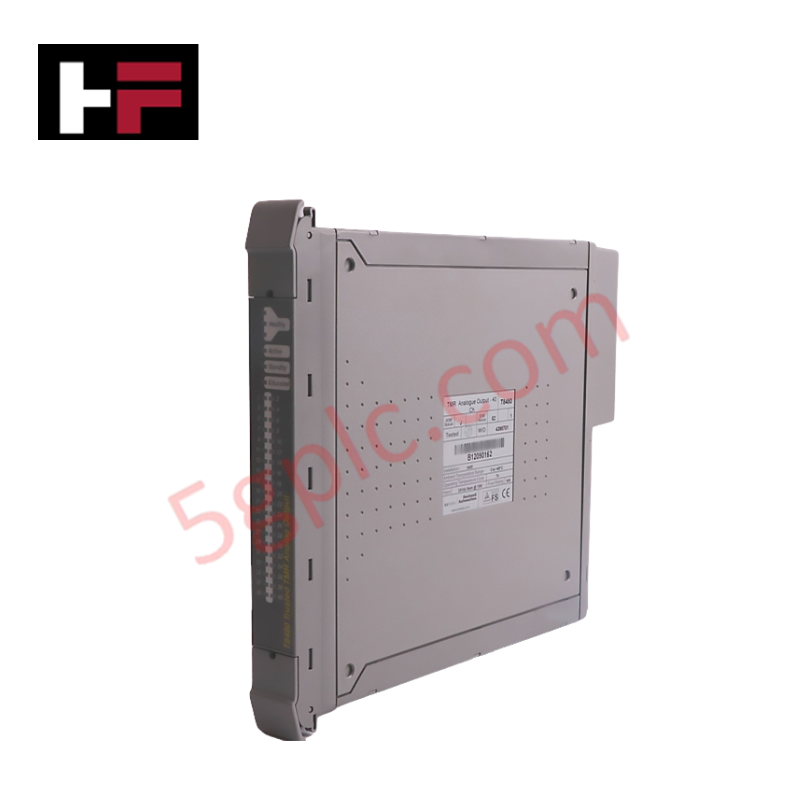
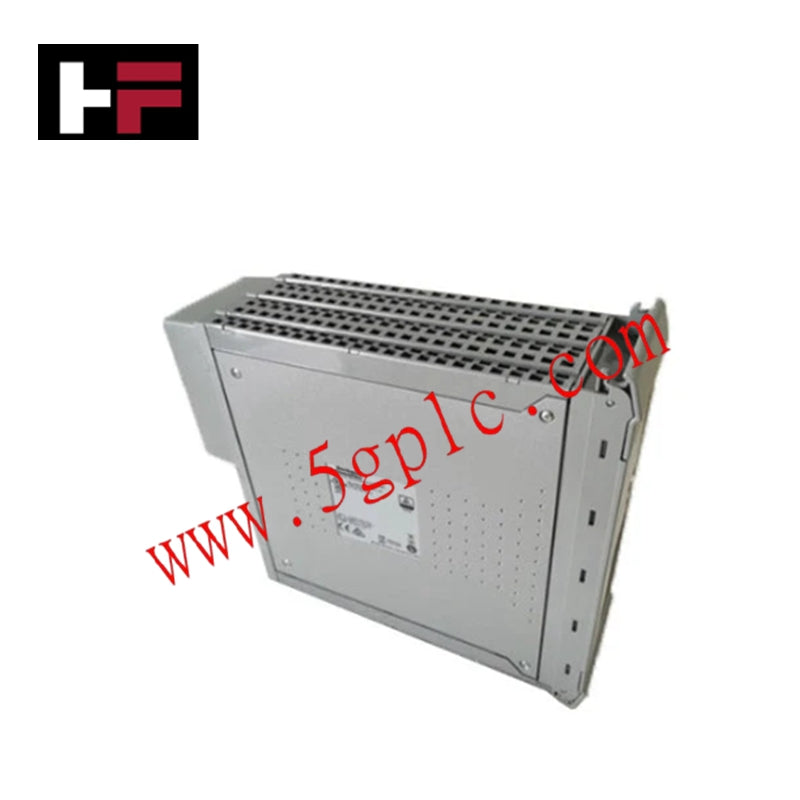
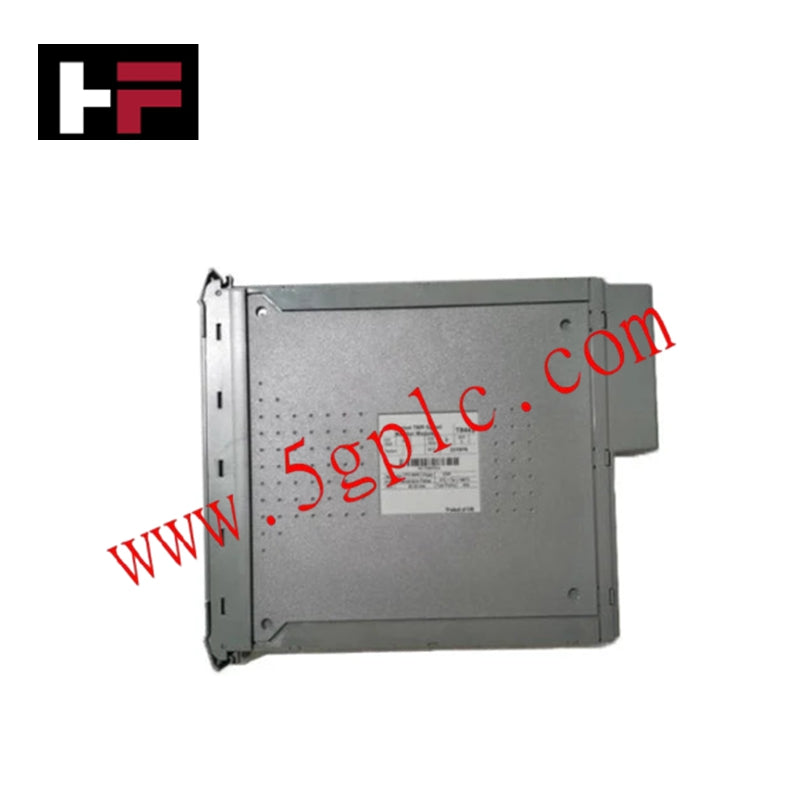
Product Details
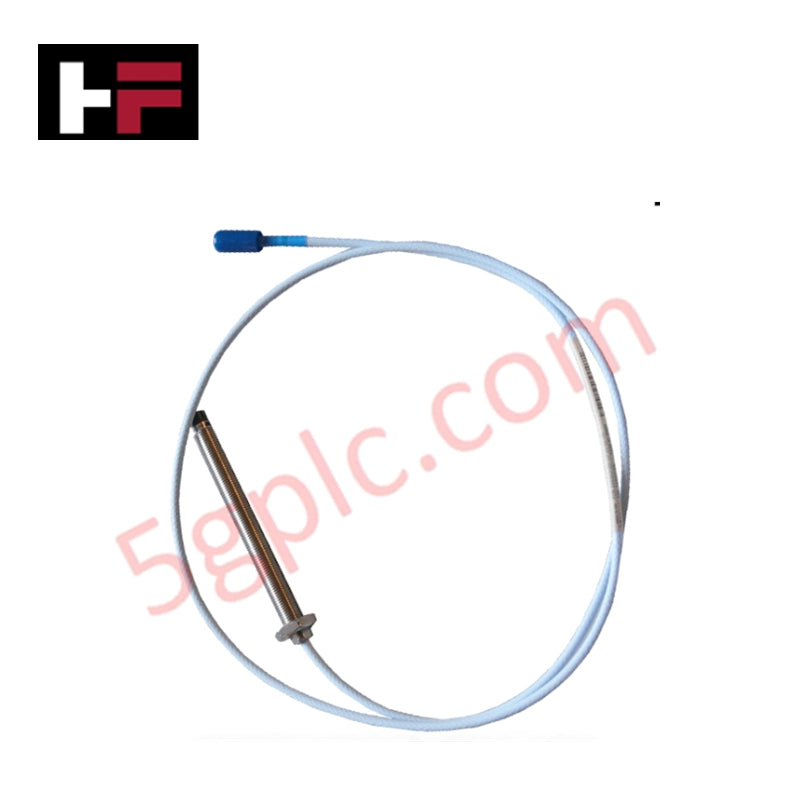
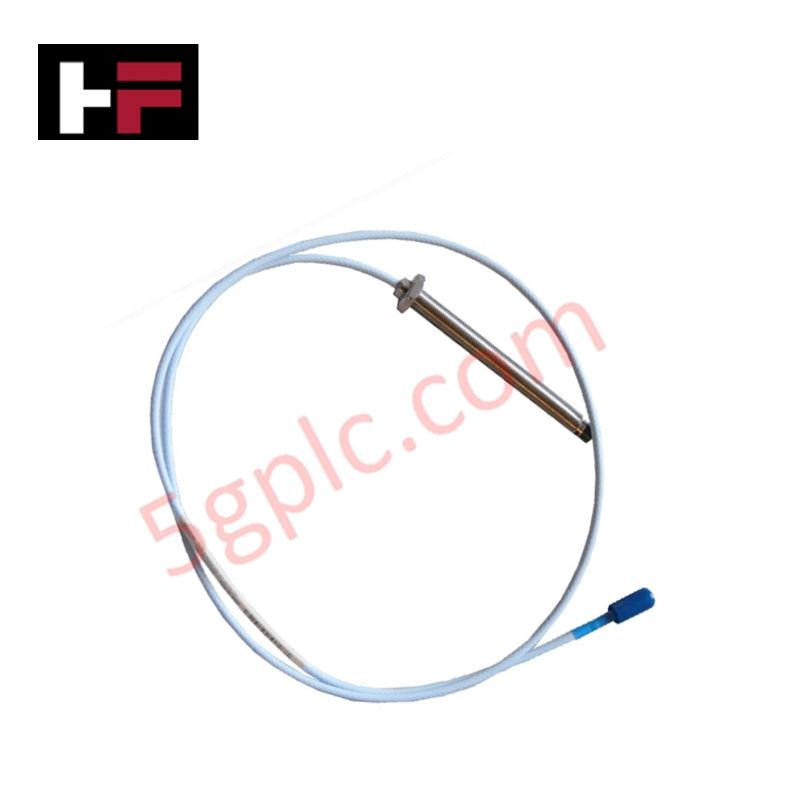
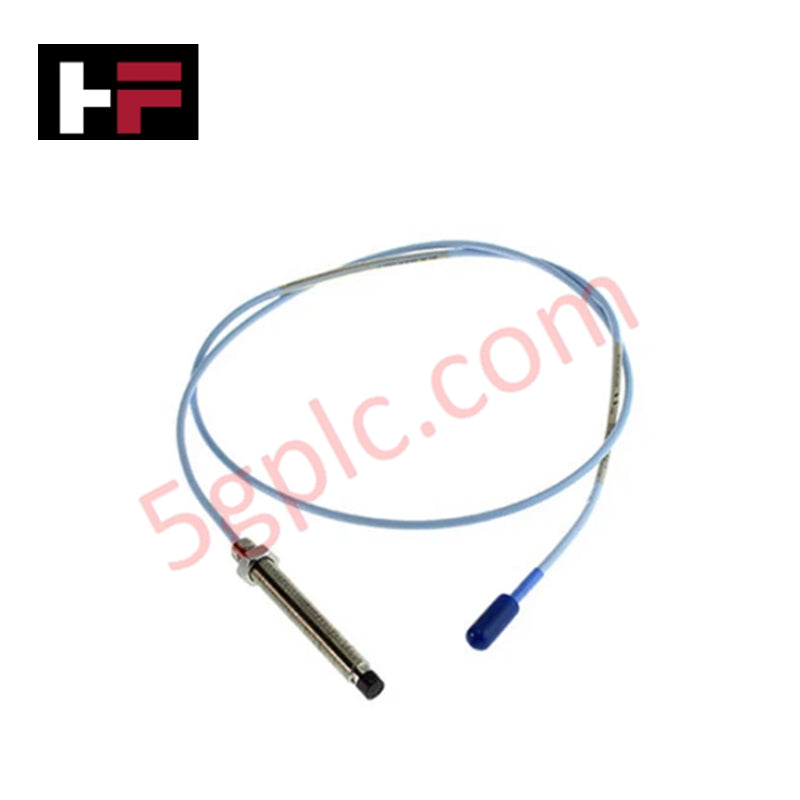
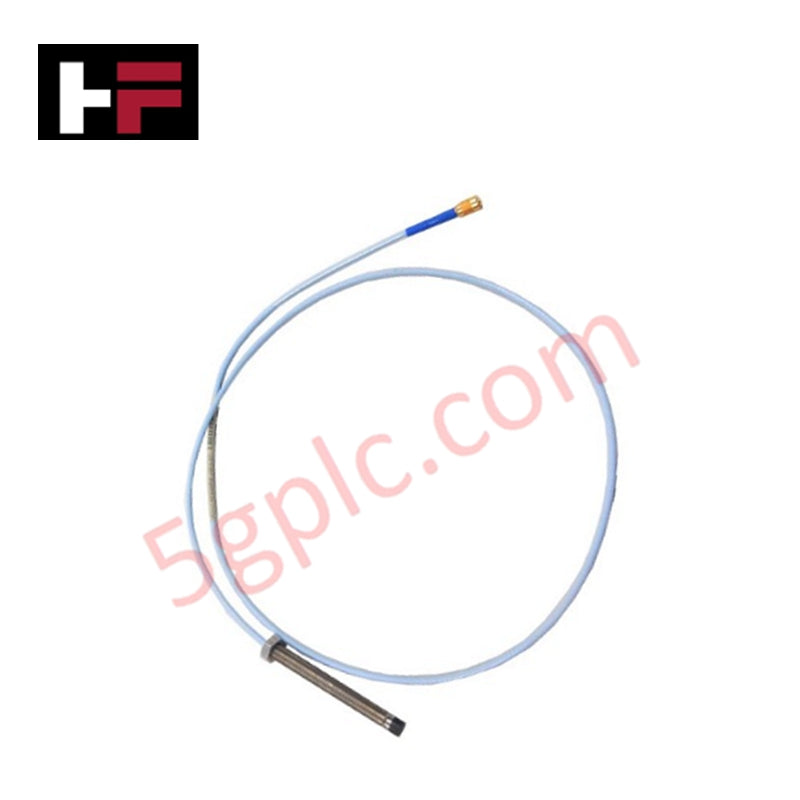
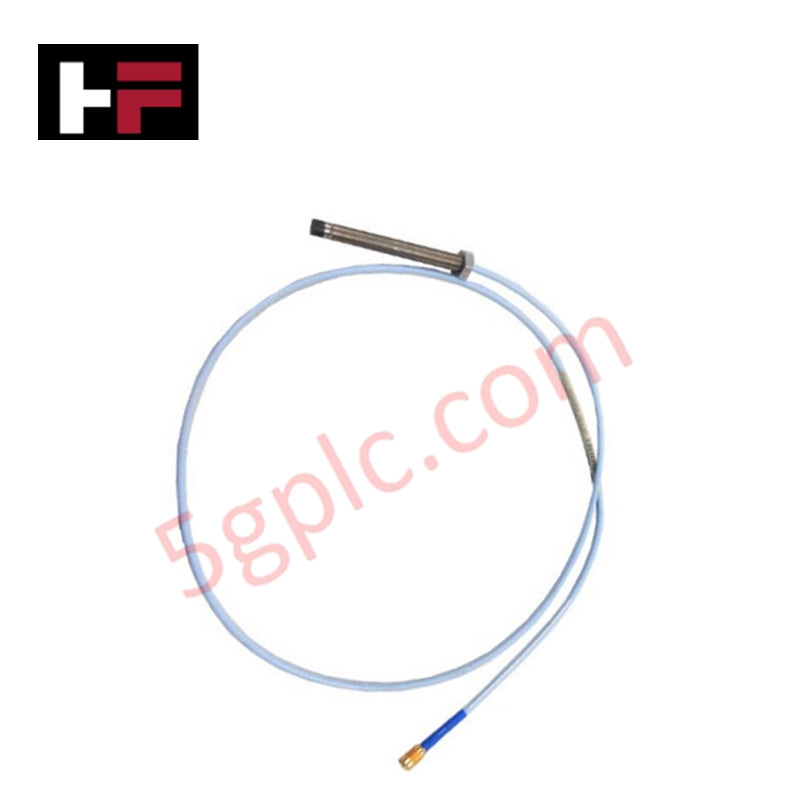
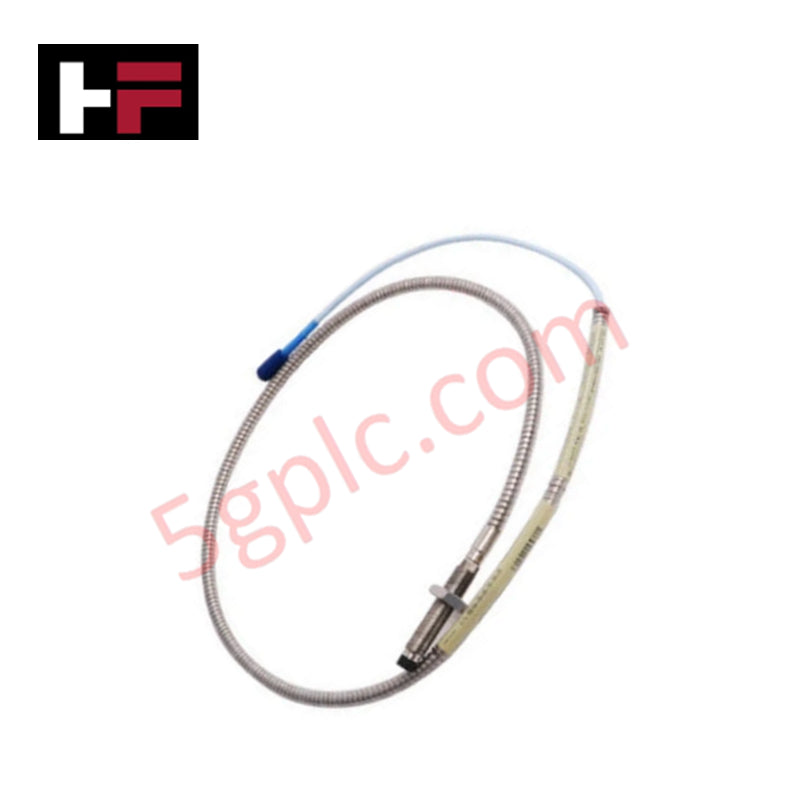
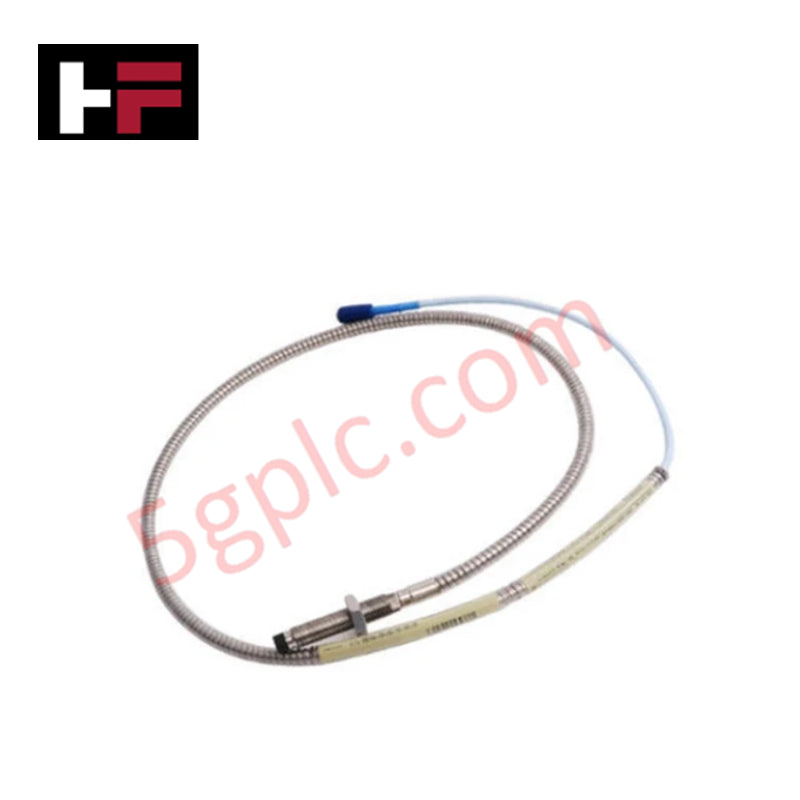
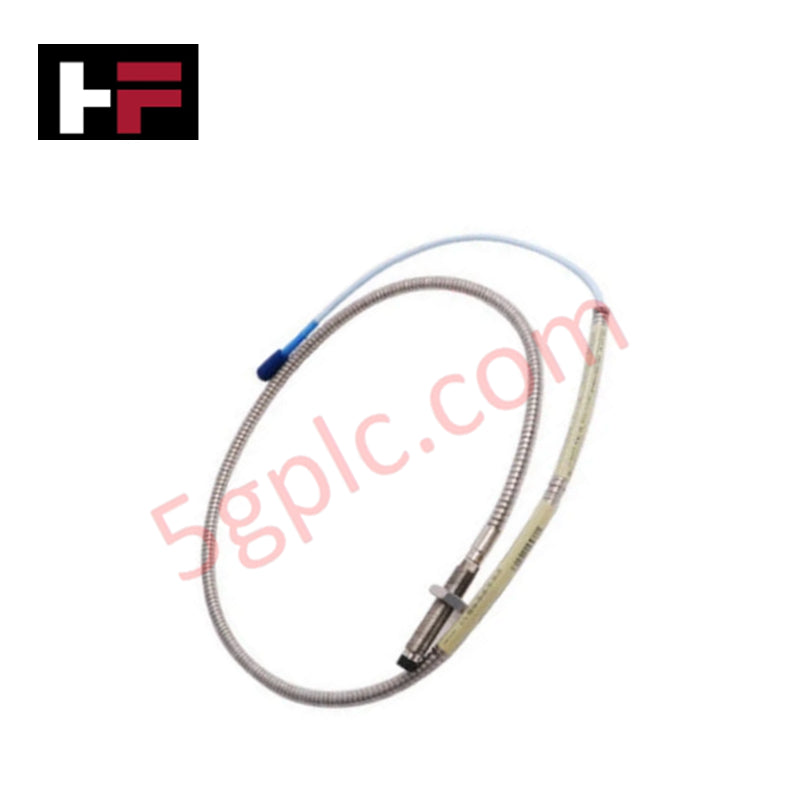
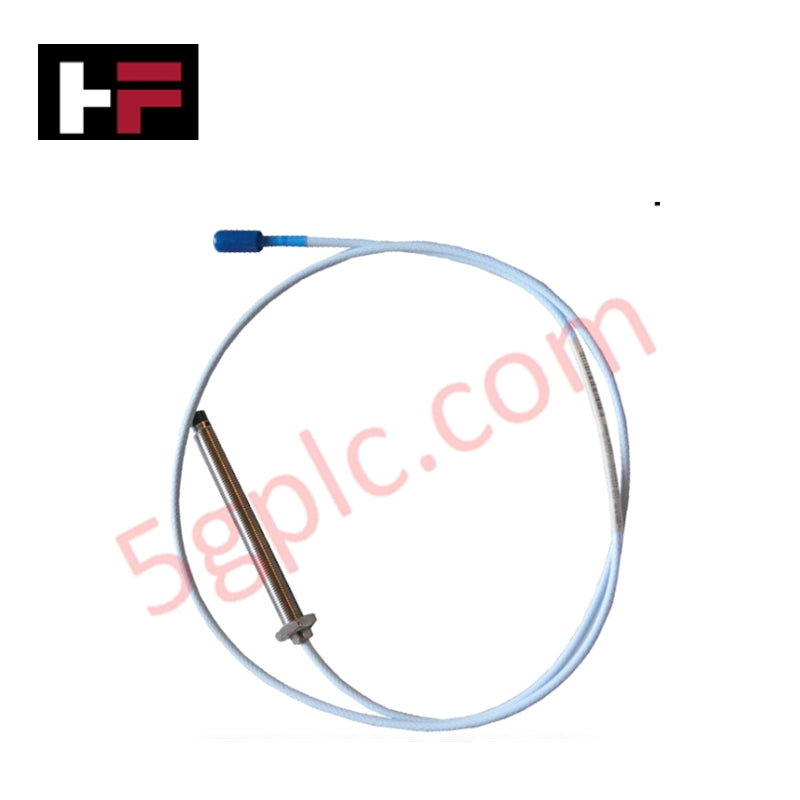
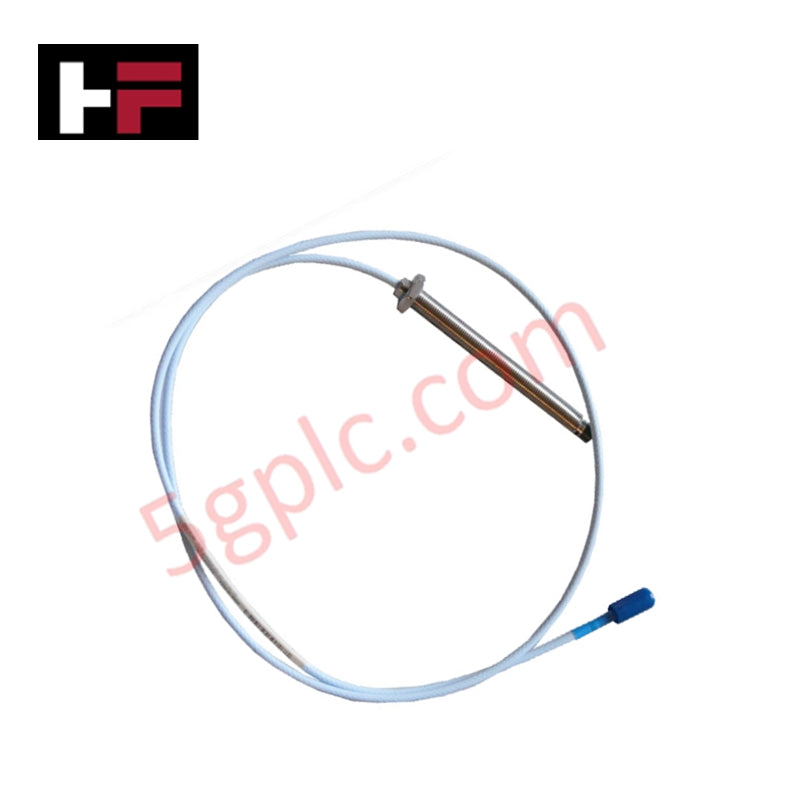
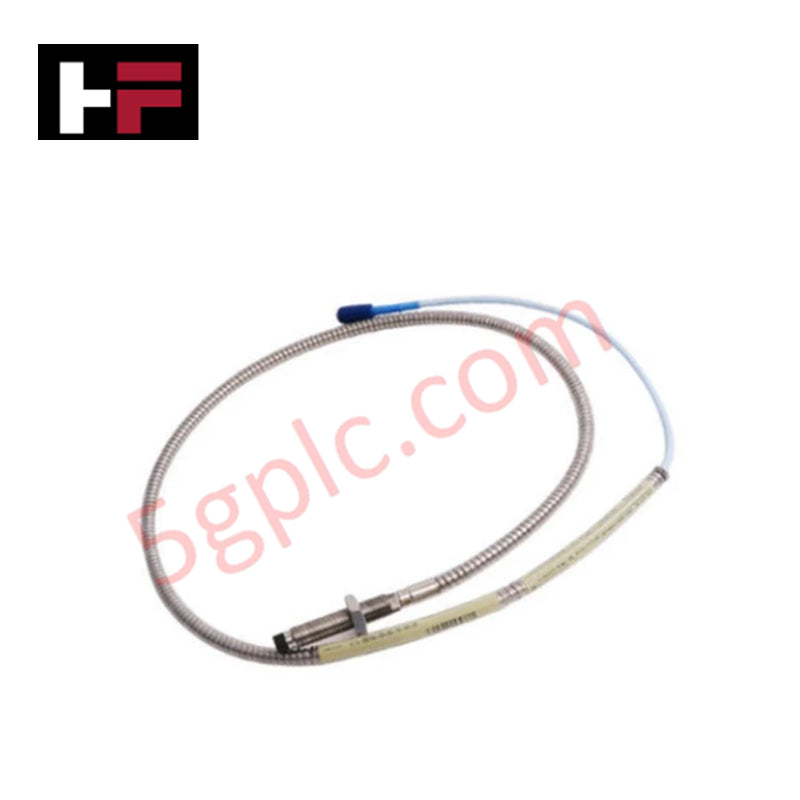
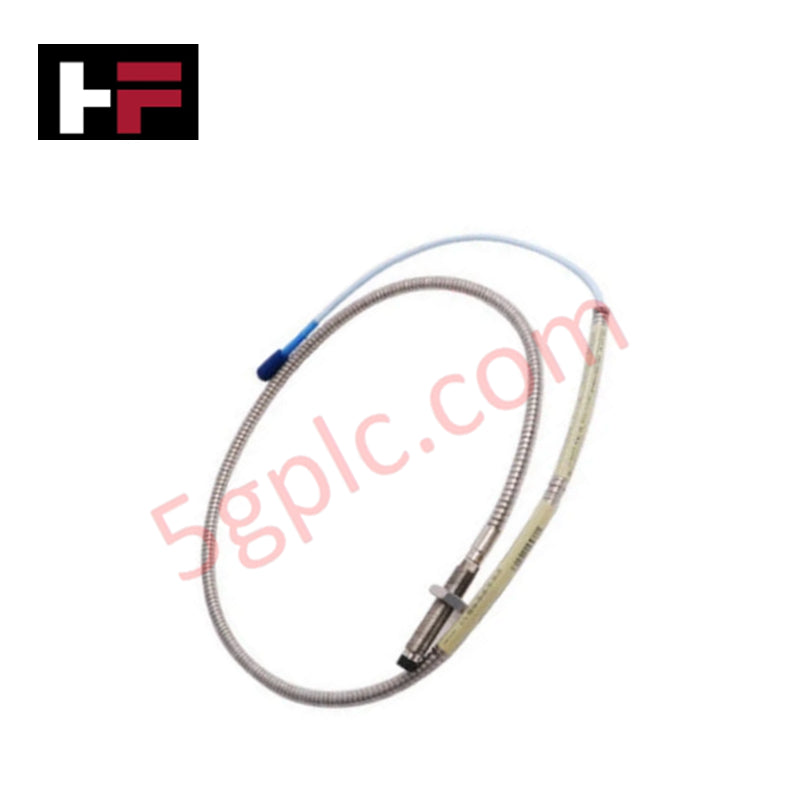
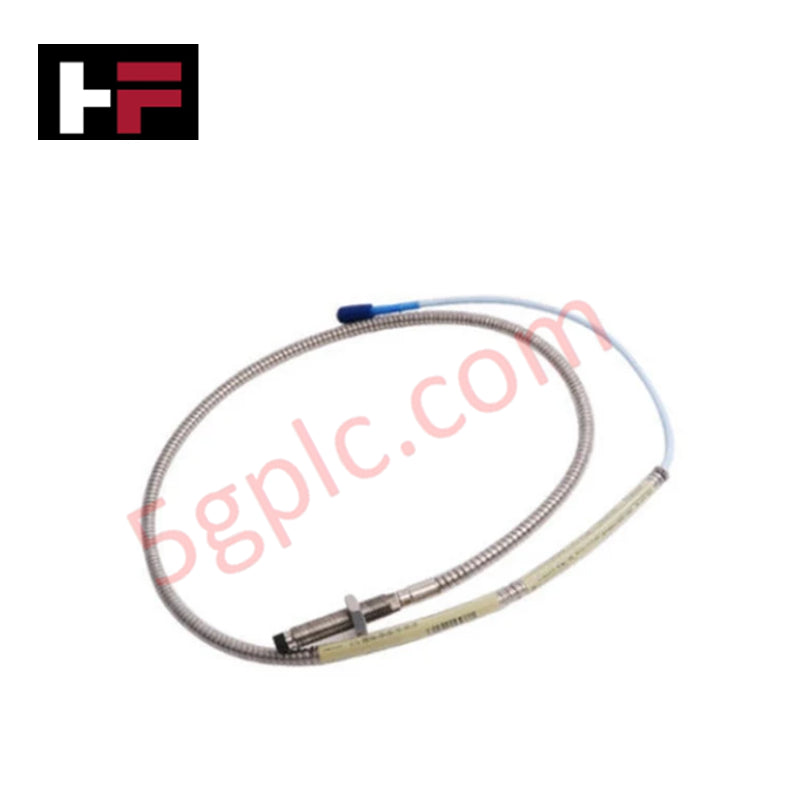
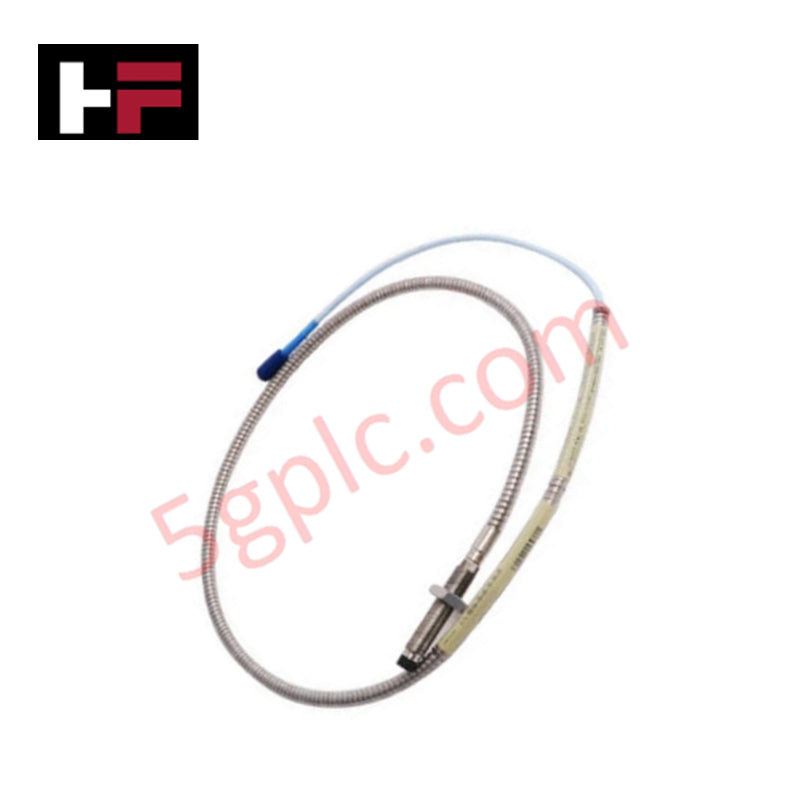
The Bently Nevada 330101-02-24-10-02-00 is a proximity transducer system component configured for non-contact displacement and vibration sensing on rotating machinery. Based on the provided specification sheet, this unit features a 0.2 in unthreaded length option, a 2.4 in overall case length option, a 1.0 m (3.3 ft) total cable length, a miniature coaxial ClickLoc connector with standard cable, and no agency approval option.
Configuration and System Selection
The ordering code 330101-02-24-10-02-00 defines the mechanical case dimensions, cable termination, and certification status for spare-parts matching and installation planning. A 0.2 in unthreaded section and 2.4 in overall case length help maintenance engineers verify mounting depth and thread engagement in the equipment housing.
- Length Options: Specifies a 0.2 in unthreaded length and a 2.4 in overall case length.
- Cable and Connector: Includes a 1.0 m (3.3 ft) standard cable with a miniature coaxial ClickLoc locking connector.
- Agency Approval: Listed as not required for this configuration.
- Origin and Shipping: Manufactured in the U.S.A. (Certificate of Origin available) with a 5 kg shipping weight.
In an eddy current proximity transducer loop, the sensing probe detects distance changes to a conductive target surface and operates with compatible extension cabling and a Proximitor sensor to produce a conditioned voltage signal. Buyers and technicians should confirm the exact matching Proximitor sensor and overall system cable length before commissioning.
Technical Specifications
| Parameter | Specification |
|---|---|
| Model | 330101-02-24-10-02-00 |
| Brand | Bently Nevada |
| Series | 3300 XL |
| Product Type | Proximity Transducer System |
| Unthreaded Length | 0.2 in |
| Overall Case Length | 2.4 in |
| Total Cable Length | 1.0 m / 3.3 ft |
| Connector and Cable Type | Miniature coaxial ClickLoc connector, standard cable |
| Agency Approval | Not required |
| Shipping Weight | 5 kg |
| Country of Origin | U.S.A (Certificate of Origin available) |
Frequently Asked Questions
Q: Can the 330101-02-24-10-02-00 be used in hazardous locations requiring agency certification?
A: No. The specification lists the agency approval option as not required, so this configuration is intended for non-certified installations.
Q: What do the 0.2 in and 2.4 in length options specify on this model?
A: They define a 0.2 in unthreaded length and a 2.4 in overall case length, which help verify mounting depth and mechanical fit in the machine housing.
Q: Is a Certificate of Origin available for this item?
A: Yes. The product is listed as made in the U.S.A. with a Certificate of Origin available.
Additional Information
- 100% Genuine Parts: All products are original and authentic, ensuring reliable industrial performance.
- 30-Day Refund Guarantee: Return any in-stock item within 30 days in original, unopened packaging for a full refund (excluding shipping and fees).
- 12-Month Warranty: Covers defects in materials or workmanship; excludes misuse, normal wear, or unauthorized modifications.
- Worldwide Shipping: We ship via USPS, UPS, FedEx, and DHL. Delivery times vary by country and may be subject to customs or import fees.
- Support & Contact: Technical and warranty assistance is available anytime. Contact us here: Contact.
- Purchase Guidance: Check product specifications and compatibility carefully before ordering to ensure proper application.

Tech & Buying Guide

Understanding Instrumentation Control Systems in Modern Industrial Automation
An instrumentation control system (ICS) serves as the central nervous system of modern manufacturing plants and processing facilities. Engineers classify these setups as Electrical, Electronic, or Programmable Electronic Systems (E/E/PES). In practice, an ICS bridges the physical world of industrial machinery with digital decision-making tools. Therefore, understanding its architecture is essential for anyone working in factory automation, process control, or plant safety.

Mastering Electrical Grounding Fundamentals in Industrial Automation and Control Systems
Electrical grounding is a complex engineering discipline. It requires deep knowledge of soil composition and conductor materials. National Electrical Code (NEC) Article 250 outlines these requirements clearly. Many engineers confuse grounding, earthing, and bonding. Grounding connects circuits to a common reference point. Earthing specifically links equipment directly to the planet. Bonding permanently joins metallic parts to ensure electrical continuity.

Architectural Blueprint of Industrial Automation and Control Systems (IACS): Standards, Safety, and Remote Operations
According to IEC 62443, Industrial Automation and Control Systems (IACS) integrate personnel, hardware, and software. These components collectively influence the safety and reliability of any industrial process. Modern control systems allow extensive remote monitoring and operation. However, enabling remote capabilities introduces complex cybersecurity challenges. Therefore, facility operators must evaluate system functions carefully before expanding connectivity.