










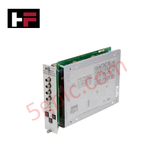
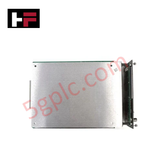
Product Details
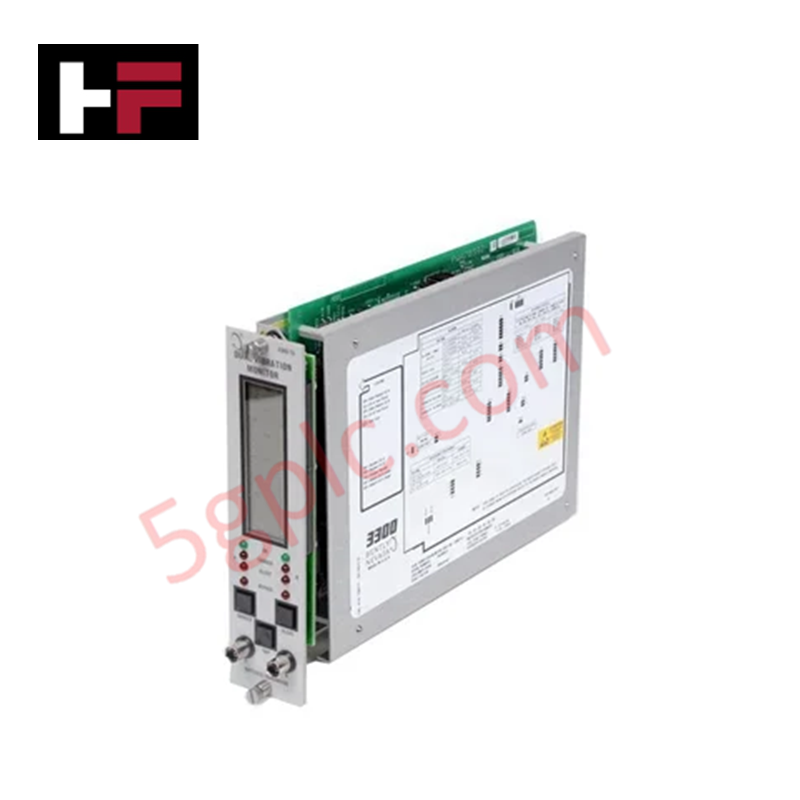
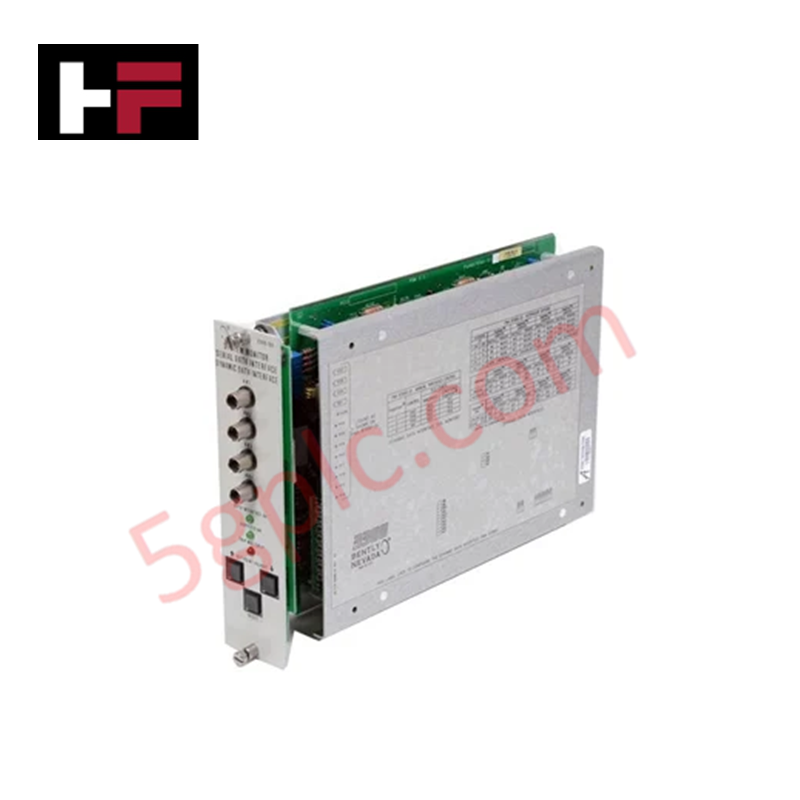
The 3300/16-02-01-01-00-00-02 is a specialized dual-channel vibration monitor designed for the Bently Nevada 3300 rack system. It processes inputs from proximity transducers to track radial shaft vibration and gap voltage, providing continuous monitoring for critical rotating machinery. This specific configuration features a 0 to 5 mils pp full-scale range and a 3X trip multiply option.
Transducer Inputs and Scaling
The unit interfaces directly with compatible 3300 8 mm, 3300 xL 8 mm, or 7200 5 mm and 8 mm Proximitor sensors operating at 200 mV/mil. It scales incoming dynamic signals to a 0 to 5 mils peak-to-peak full-scale range. This configuration ensures accurate tracking of shaft displacement and gap clearance for machinery protection.
Alarm and Trip Options
The module includes configurable parameters to support system protection logic during abnormal operating conditions. The selected configuration incorporates a 3X trip multiply option, which temporarily raises alarm or trip setpoints during machine startup or transient events. This specific build omits internal alarm relays and safety barriers based on its part number options.
| Parameter | Specification |
|---|---|
| Model | 3300/16-02-01-01-00-00-02 |
| Brand | Bently Nevada |
| Full-scale Range Option (-02) | 0 to 5 mils pp |
| Transducer Input Option (-01) | 3300 8 mm, 3300 xL 8 mm, or 7200 5 and 8 mm Proximitor Sensor (200 mV/mil) |
| Alarm Relay Option (-01) | No Relays |
| Agency Approval Option (-00) | Not required |
| Safety Barrier Option (-00) | None |
| Trip Multiply Option (-02) | 3X |
| Shipping Weight | 8 kg |
Frequently Asked Questions
Q: What sensor types are compatible with the 3300/16-02-01-01-00-00-02 monitor?
A: It accepts inputs from 3300 8 mm, 3300 xL 8 mm, or 7200 5 mm and 8 mm Proximitor sensors configured for 200 mV/mil.
Q: What is the purpose of the 3X trip multiply option on this model?
A: The 3X trip multiply option temporarily increases alarm and trip setpoints by a factor of three during machine startup transients to prevent nuisance trips.
Q: Does this specific configuration include internal alarm relays?
A: No, the -01 alarm relay option for this part number indicates that no internal relays are equipped.
Additional Information
- 100% Genuine Parts: All products are original and authentic, ensuring reliable industrial performance.
- 30-Day Refund Guarantee: Return any in-stock item within 30 days in original, unopened packaging for a full refund (excluding shipping and fees).
- 12-Month Warranty: Covers defects in materials or workmanship; excludes misuse, normal wear, or unauthorized modifications.
- Worldwide Shipping: We ship via USPS, UPS, FedEx, and DHL. Delivery times vary by country and may be subject to customs or import fees.
- Support & Contact: Technical and warranty assistance is available anytime. Contact us here: Contact.
- Purchase Guidance: Check product specifications and compatibility carefully before ordering to ensure proper application.


Tech & Buying Guide

Redefining Control System Design: The Evolution of Flexible Input/Output Modules (FIOM) in Industrial Automation
Traditional industrial automation relies heavily on dedicated input-output (IO) modules. In a standard distributed control system (DCS) or programmable logic controller (PLC) setup, design engineers assign specific cards to distinct signal types. For instance, a traditional 16-channel digital input (DI) card exclusively processes digital signals. However, engineering projects frequently encounter last-minute changes in signal counts. Therefore, discovering a missing analog input (AI) channel late in the design phase forces engineers to purchase and install an entirely new, dedicated AI card. Consequently, this rigidity drives up hardware expenses, wastes cabinet space, and delays commissioning schedules.

Mastering VFD Braking Theory and Mechanical Brake Sequencing in Industrial Automation
In industrial automation, variable frequency drives (VFDs) regulate motor speed and torque across manufacturing plants and material handling systems. However, certain heavy-duty applications experience external loads that can rotate the motor shaft without an active command. For instance, gravity pulls loads downward in unanchored hoisting equipment. Therefore, engineers integrate mechanical brakes with VFD logic to maintain absolute safety and prevent structural damage or personnel injury during shutdowns.

Optimizing Tank Level Control Using Proportional Algorithms in PLC Systems
Industrial automation engineers frequently encounter liquid level regulation challenges across diverse process plants. Traditional ON-OFF control mechanisms often disrupt system stability due to abrupt actuator switching. Therefore, upgrading to closed-loop architectures like proportional control yields smoother responses. In a typical PLC environment, such as Siemens TIA Portal, engineers utilize closed-loop feedback to minimize process errors without requiring full PID complexity.