










Product Details
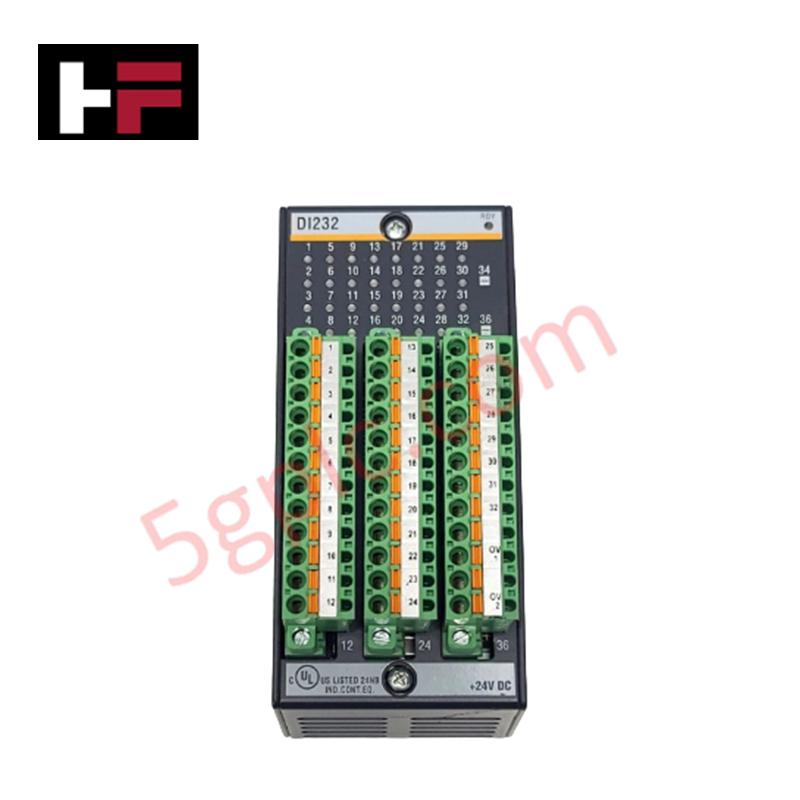
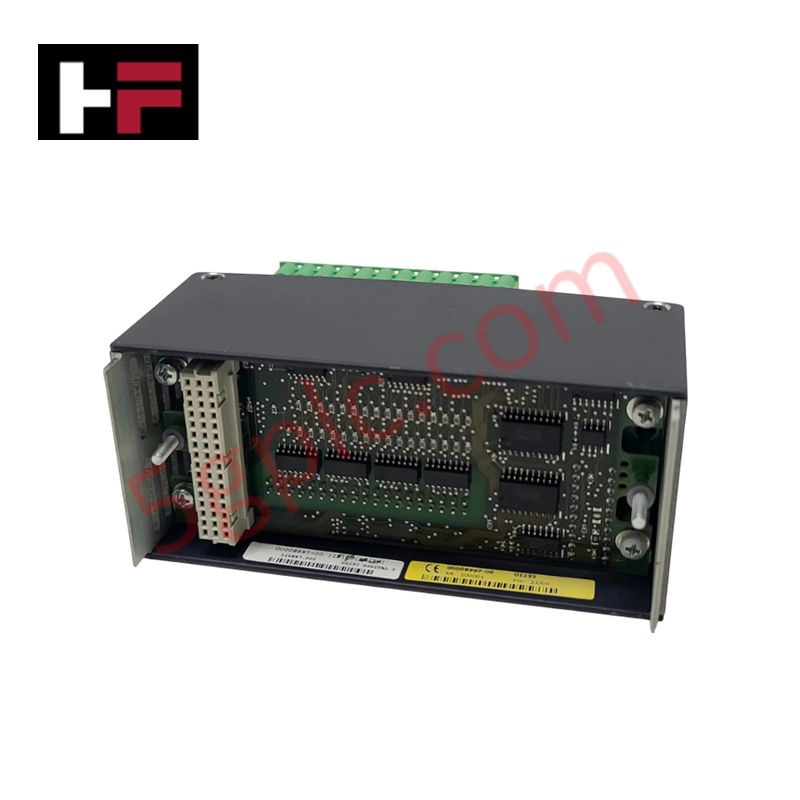
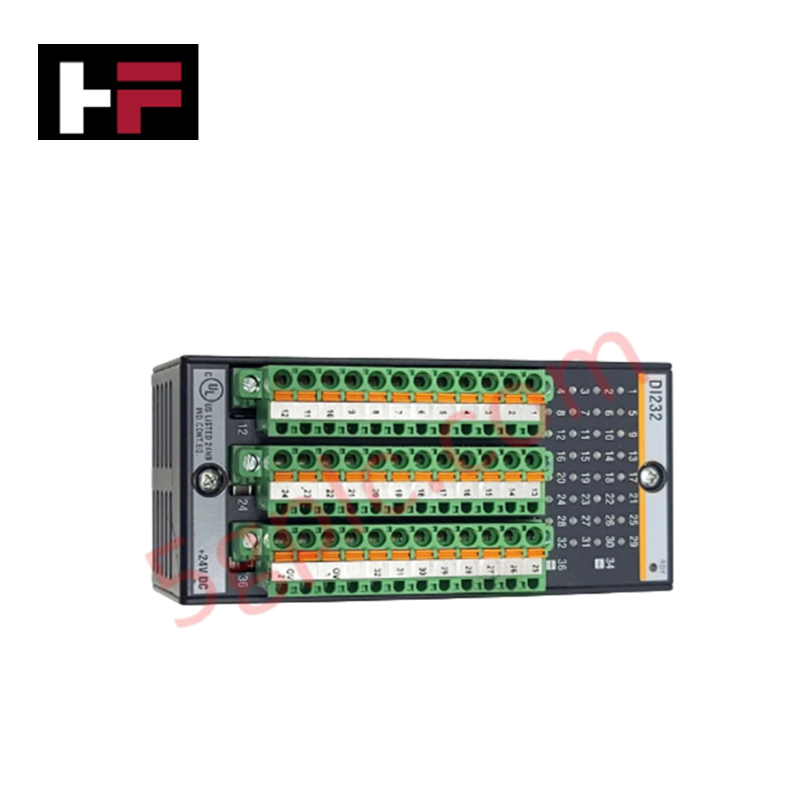
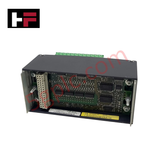
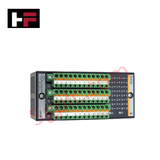
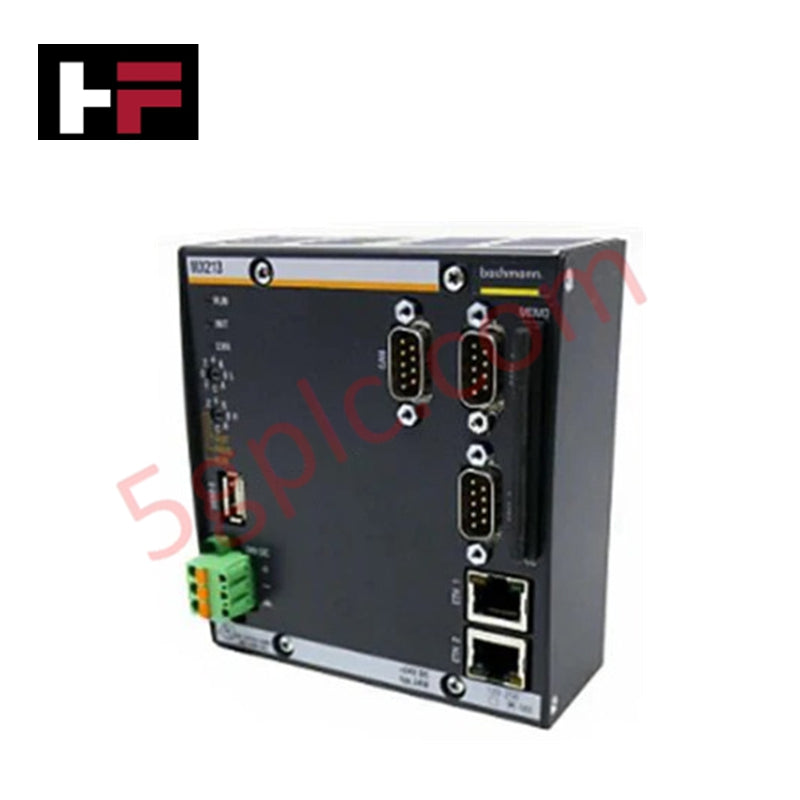
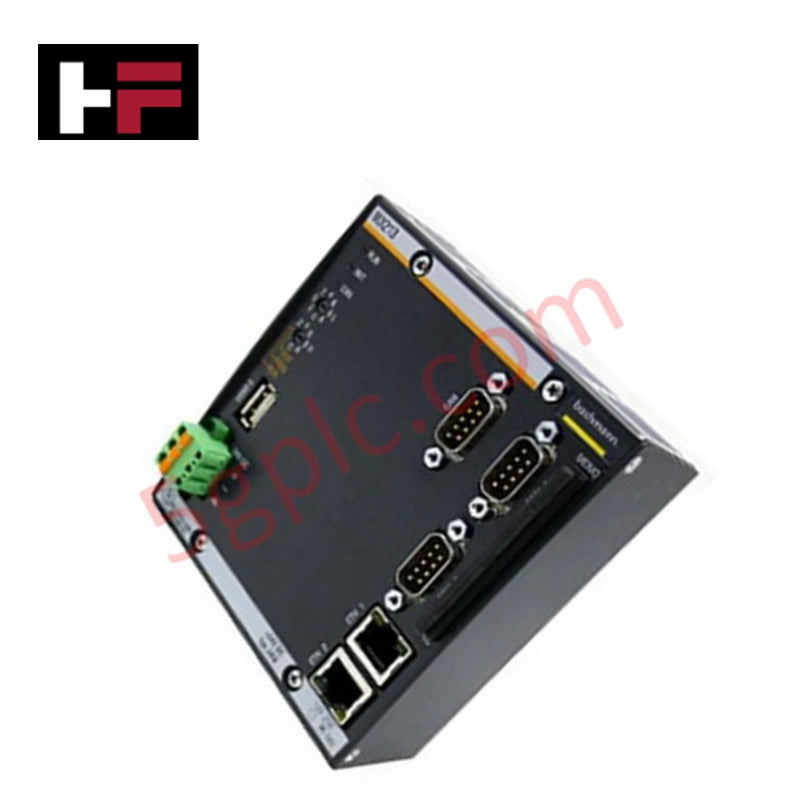
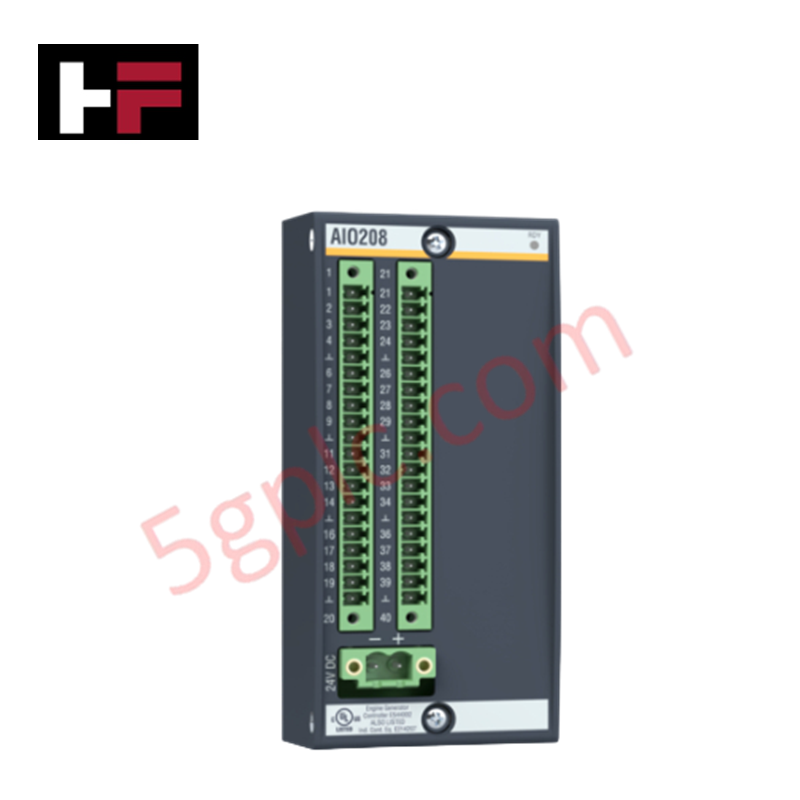
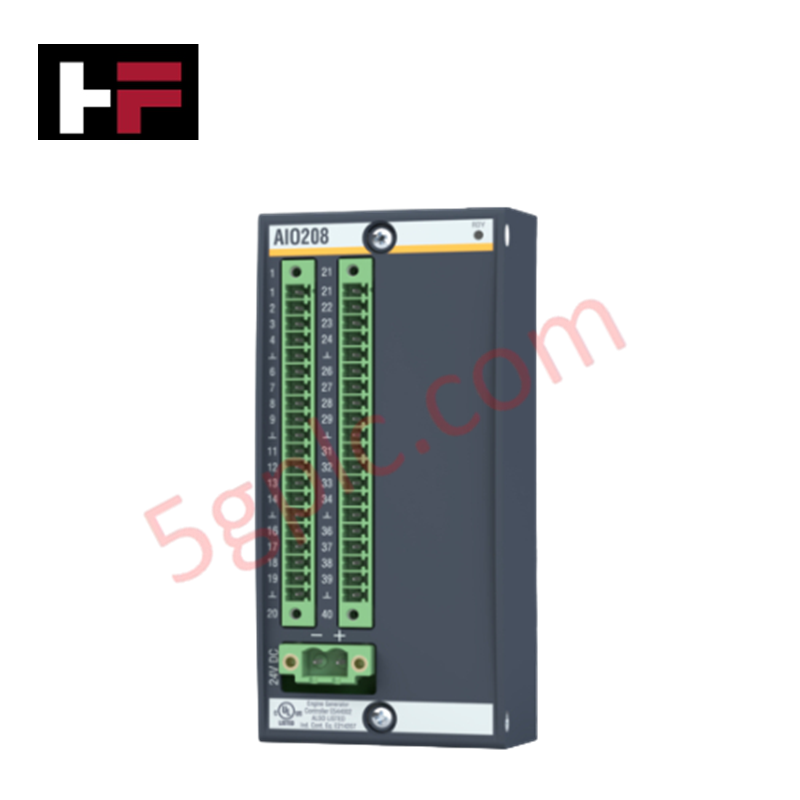
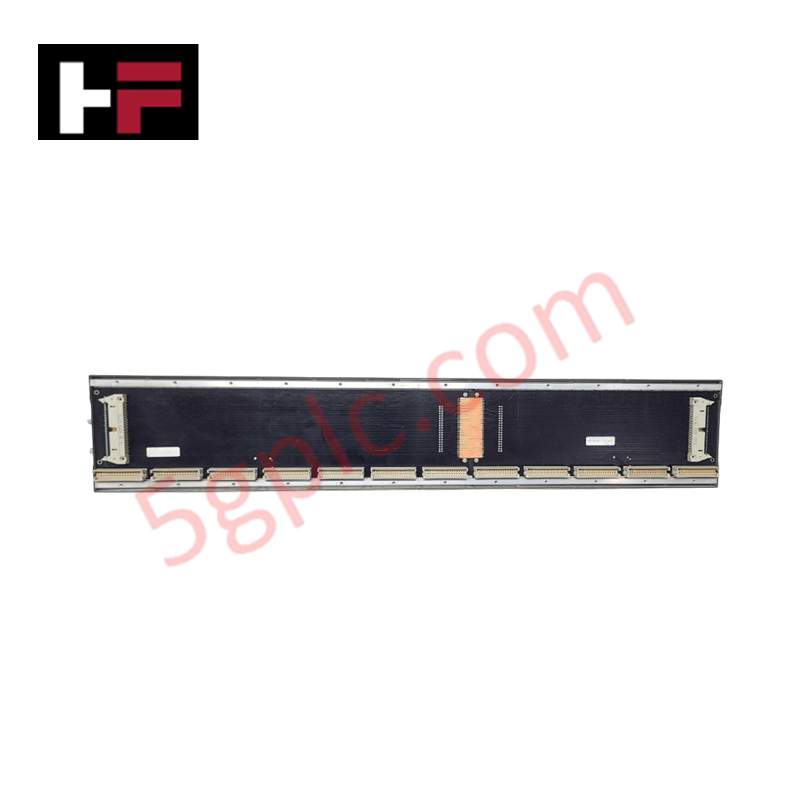
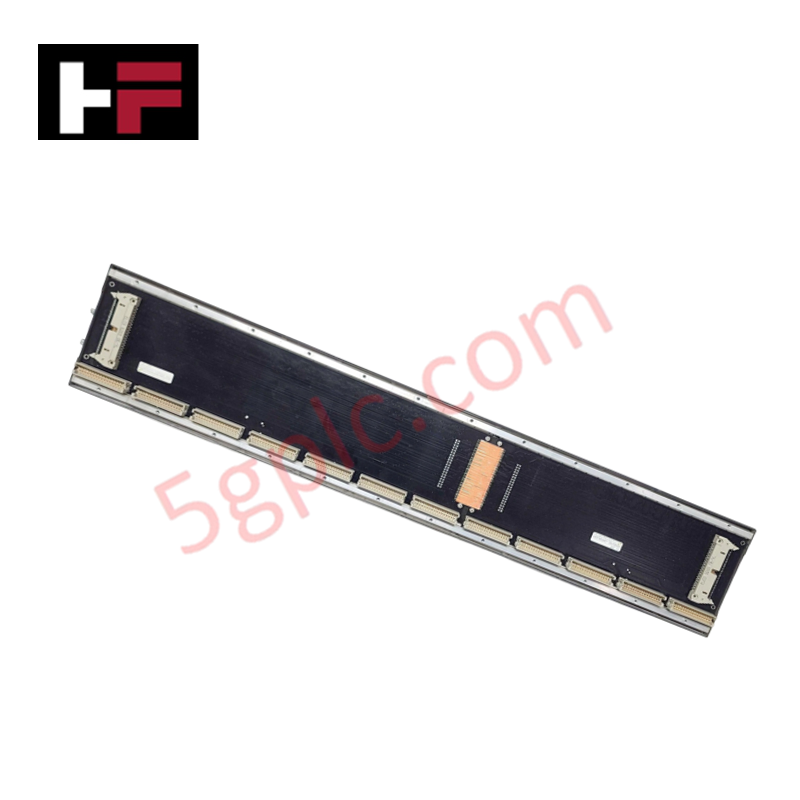
Configured for high-density signal acquisition in M1 automation platforms, the Bachmann DI232 (DI232 Digital Input Module) provides direct physical/electrical execution of digital sensor monitoring and interrupt triggering.
Hardware Specifications
| Parameter | Specification |
|---|---|
| Model | DI232 |
| Brand | Bachmann |
| Origin | Austria |
| Weight | 0.25 kg (approx.) |
| Dimensions | 102 mm x 12 mm x 130 mm |
| Operating Temp | 0 deg C to 60 deg C |
| Power Consumption | 2.0 W (typical) |
| Input Channels | 32 |
| Input Logic | Current-sinking (EN 61132 Type 1) |
| Signal Threshold | > 2 mA |
Profinet / EtherNet/IP Deterministic Networks
The DI232 integrates into the M1 rack backplane to facilitate deterministic data exchange between field sensors and the controller CPU. The module architecture supports efficient I/O density scaling, allowing for high-channel-count sensor integration without compromising system bus throughput. Firmware flash compatibility is supported, ensuring that the interrupt handling and debounce logic remain synchronized with the platform-specific I/O drivers. The backplane bus communication velocity is optimized to ensure that time-critical interrupt signals, configurable on specific channels, are processed with minimal latency, supporting real-time event-driven tasks.
Frequently Asked Questions
Q: Are the input channels galvanically isolated from the M1 system backplane?
A: Yes, all input channels feature galvanic isolation to protect the system electronics from common-mode electrical noise and ground potential differences.
Q: Can the DI232 be configured for source-mode logic?
A: No, the standard DI232 model is limited to current-sinking logic inputs (EN 61132 Type 1). Source-mode configuration requires the DI232/np1 variant.
Q: Is hot-swapping supported for this module?
A: The DI232 does not support live hot-swapping. System power must be disconnected before installation or extraction to prevent damage to the backplane bus interface.
Field Installation Guidelines
- Wiring: Use shielded twisted-pair cabling for all digital inputs. Connect the cable shield to the cabinet functional earth (FE) point to reduce noise susceptibility.
- Voltage Levels: Ensure input supply is maintained at the nominal 24 VDC. Deviations outside the standard range may result in unreliable signal state detection.
- Interrupt Routing: When utilizing inputs 1 and 2 as interrupt triggers, minimize the cable length to reduce signal propagation delay and susceptibility to electromagnetic interference.
- Environment: Maintain the module in a clean, dry environment to ensure proper operation of the status indication LEDs and connector contact points.
Additional Information
- 100% Genuine Parts: All products are original and authentic, ensuring reliable industrial performance.
- 30-Day Refund Guarantee: Return any in-stock item within 30 days in original, unopened packaging for a full refund (excluding shipping and fees).
- 12-Month Warranty: Covers defects in materials or workmanship; excludes misuse, normal wear, or unauthorized modifications.
- Worldwide Shipping: We ship via USPS, UPS, FedEx, and DHL. Delivery times vary by country and may be subject to customs or import fees.
- Support & Contact: Technical and warranty assistance is available anytime. Contact us here: Contact.
- Purchase Guidance: Check product specifications and compatibility carefully before ordering to ensure proper application.
Tech & Buying Guide

Demystifying Open Platform Communication (OPC): The Backbone of Industrial Interoperability
Interoperability remains a cornerstone requirement for modern smart factories and process automation. Open Platform Communication (OPC) bridges the gap between disparate hardware platforms, control systems, and visualization software. By establishing a universal communication standard, OPC allows field controllers, SCADA platforms, and enterprise software from different vendors to exchange real-time data seamlessly.

Understanding Siemens PLC Memory Cards: MMC, SMC, and SD Solutions in Industrial Automation
Memory management plays a pivotal role in maintaining control system reliability across modern manufacturing plants. Industrial control systems rely on specialized memory cards to store project logic, firmware updates, and retentive system data. Siemens uses several memory architectures, including Micro Memory Cards (MMC) and SIMATIC Memory Cards (SMC). Engineers must understand these hardware variations to ensure zero data loss and minimize downtime during maintenance routines.

Redefining Control Systems: The Rise of Flexible I/O Modules in Industrial Automation
Conventional input-output architectures often limit engineering agility and inflate long-term inventory costs. Today, Flexible Input/Output Modules (FIOM) are transforming how control system engineers design, commission, and maintain automation infrastructure. By allowing individual channel software configuration, FIOM technology bridges the gap between rigid hardware design and dynamic plant requirements.