Product Details
Product Overview
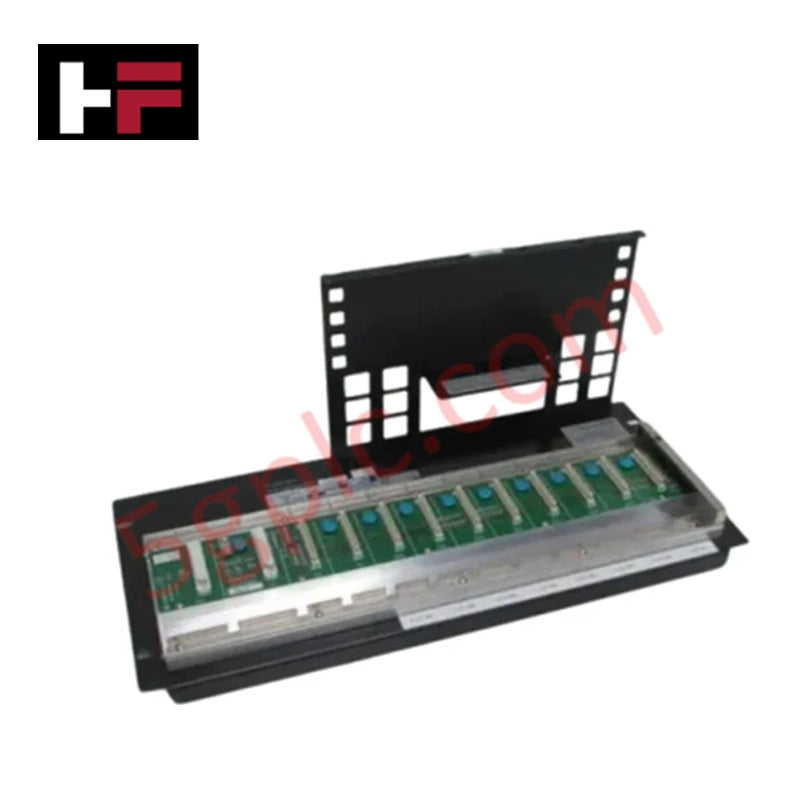
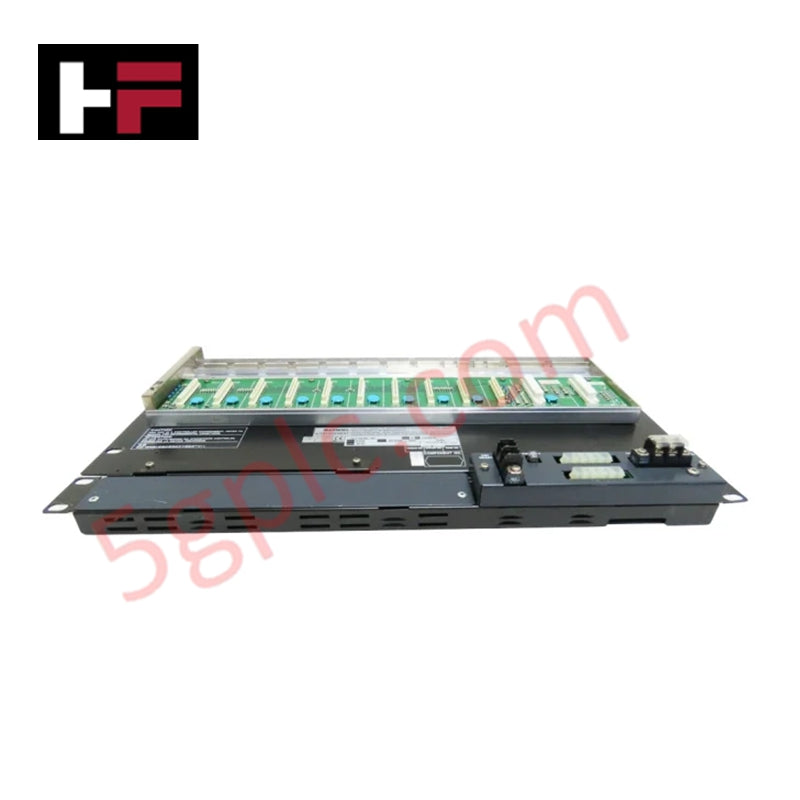
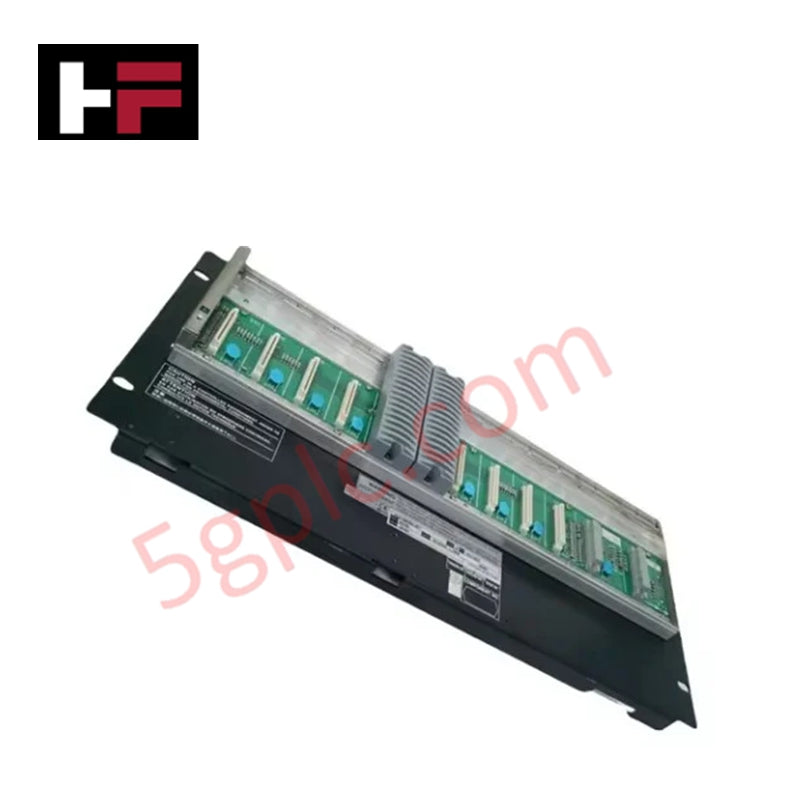
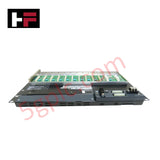
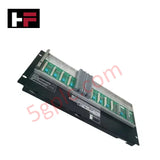
The ANB10D-410 is designed for dual-redundant configurations, ensuring high availability in demanding industrial environments. It facilitates the expansion of I/O modules, allowing the DCS to interface with a wide range of field sensors and actuators while maintaining signal integrity over long distances.
Technical Specifications
-
Model Code: ANB10D (Node Interface Unit for Dual-Redundant ESB Bus)
-
Suffix Code -410:
-
4: Dual-redundant power supply
-
1: 100-120 V AC power supply
-
0: Basic type
-
Mounting: 19-inch rack mountable
-
Communication: Dual ESB bus interface
-
Power Consumption: Approximately 100 VA
-
Weight: Approximately 10 kg (fully loaded with power supply units)
Key Features
-
High Reliability: Supports dual-redundant power supplies and communication cables to prevent system downtime in case of a single point of failure.
-
Seamless Integration: Designed specifically for Yokogawa’s proprietary RIO (Remote I/O) and FIO (Field I/O) architectures.
-
Hot-Swappable: Supports the replacement of interface modules without interrupting the operation of the remaining system.
-
Condition Monitoring: Built-in diagnostics provide real-time status updates on power supply health and bus communication quality.
Application and Usage
This unit is typically installed in cabinet assemblies where high-density I/O processing is required. It is commonly used in:
-
Oil & Gas Refineries: Managing large-scale sensor arrays.
-
Chemical Processing: Handling complex control loops with high redundancy requirements.
-
Power Plants: Ensuring stable communication between distributed control nodes and the central station.
Additional Information
- 100% Genuine Parts: All products are original and authentic, ensuring reliable industrial performance.
- 30-Day Refund Guarantee: Return any in-stock item within 30 days in original, unopened packaging for a full refund (excluding shipping and fees).
- 12-Month Warranty: Covers defects in materials or workmanship; excludes misuse, normal wear, or unauthorized modifications.
- Worldwide Shipping: We ship via USPS, UPS, FedEx, and DHL. Delivery times vary by country and may be subject to customs or import fees.
- Support & Contact: Technical and warranty assistance is available anytime. Contact us here: Contact.
- Purchase Guidance: Check product specifications and compatibility carefully before ordering to ensure proper application.




Tech & Buying Guide

Voice-Activated Industrial Automation: Integrating Speech Control into PLC and DCS Architectures
Industrial automation integrates speech recognition, IIoT protocols, and NLP with PLCs and DCS to streamline operations. By leveraging advanced edge computing, engineers enable real-time, hands-free control—allowing personnel to manage smart factory processes safely away from hazardous equipment.
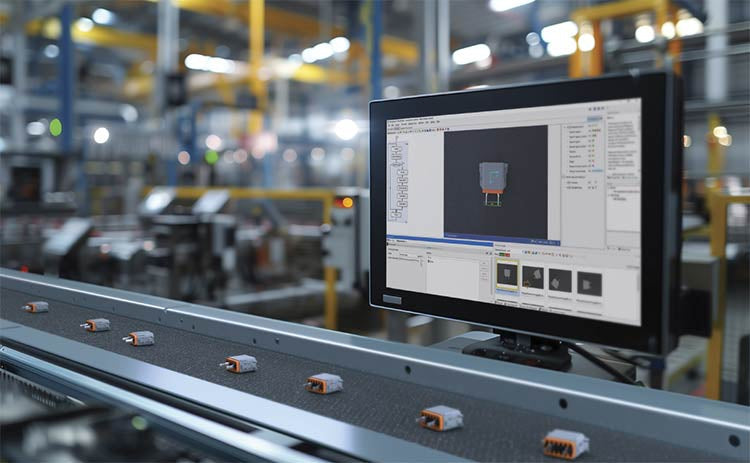
Modern Industrial Automation: Transforming Safety and Efficiency in Mining Operations
Industrial automation has evolved from a simple manufacturing tool into the operational backbone of high-risk sectors. Modern mining operations increasingly rely on advanced control systems, programmable logic controllers (PLCs), distributed control systems (DCS), and artificial intelligence to address deep-underground hazards. By replacing manual labor in high-risk zones, factory automation technologies protect personnel while significantly boosting operational throughput.