










Product Details
Overview
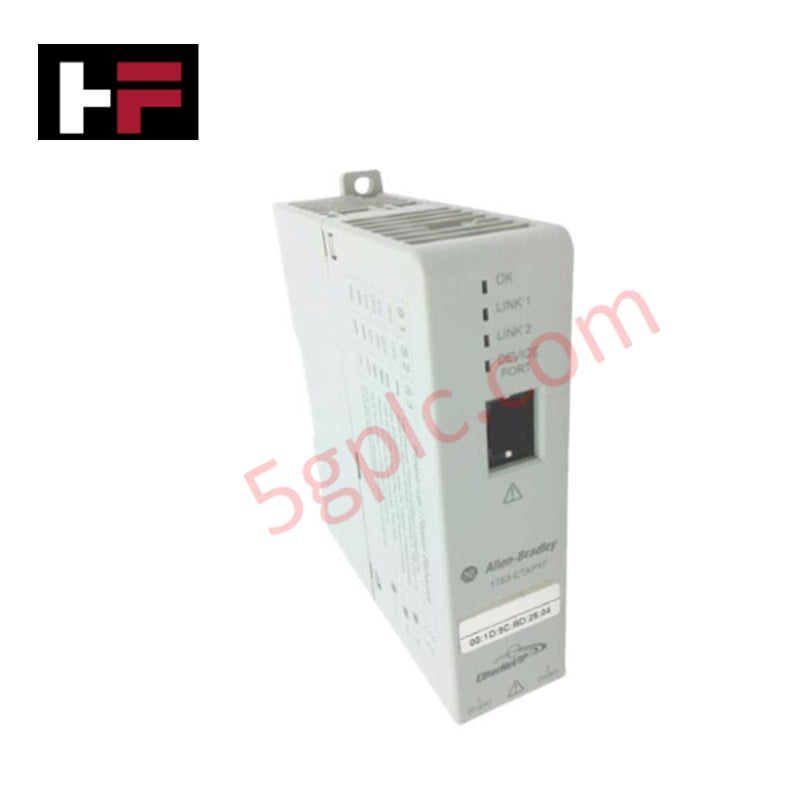
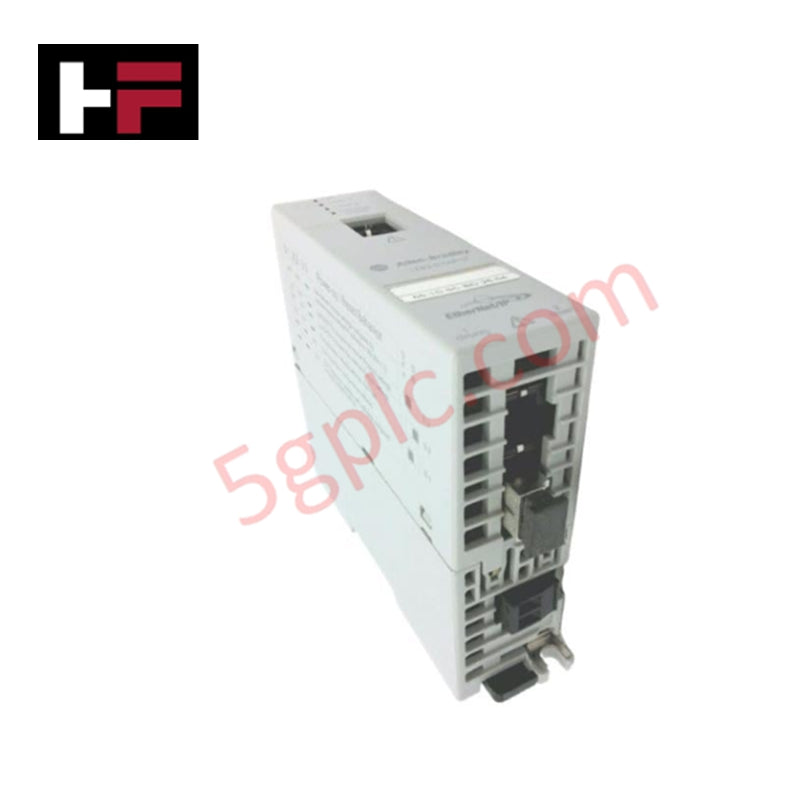
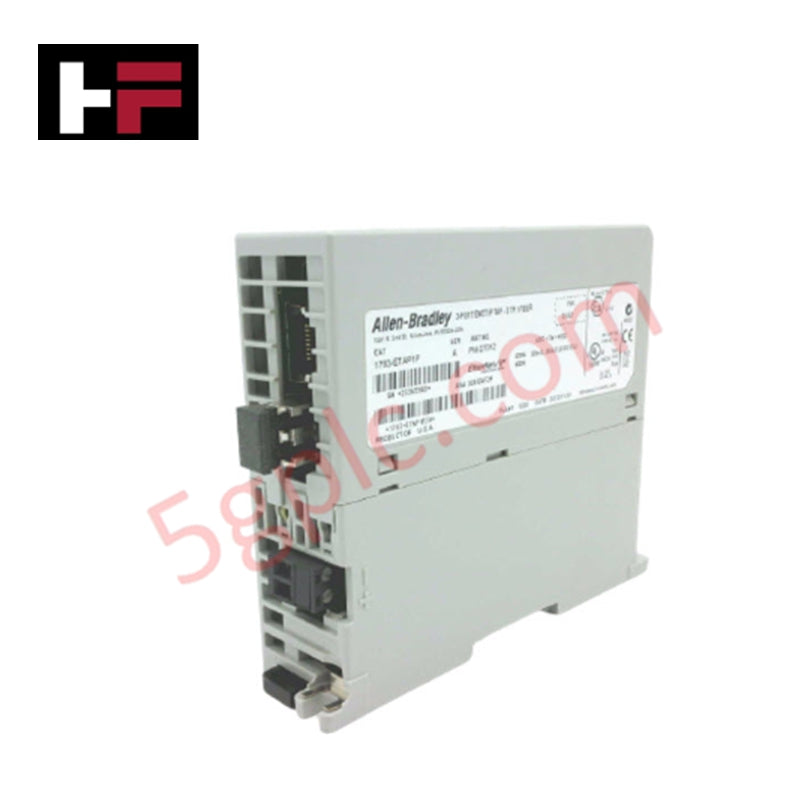
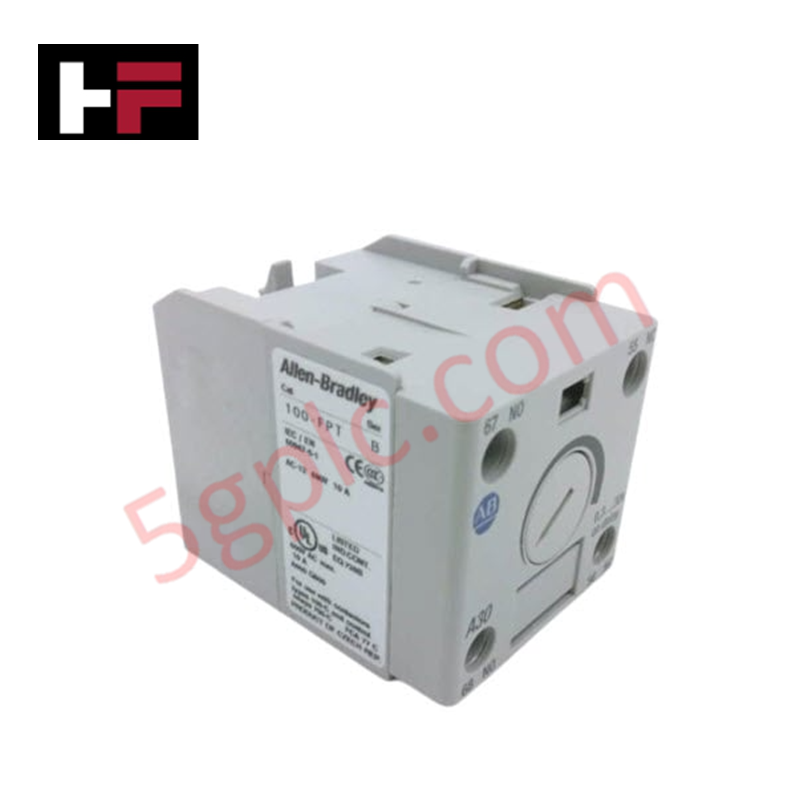
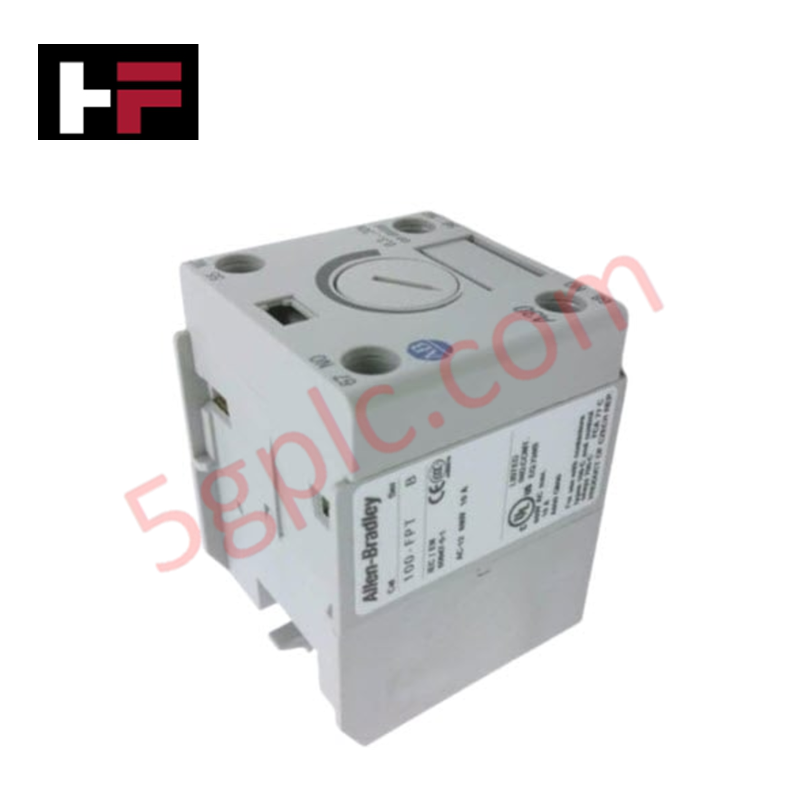
The Allen-Bradley 1783-ETAP1F is a high-performance EtherNet/IP tap module designed to integrate seamlessly into industrial networks. It provides three ports—two twisted pair (TP) copper and one fiber—for reliable monitoring and network traffic management without disrupting communication.
Technical Specifications
-
Manufacturer: Allen-Bradley
-
Model / Part Number: 1783-ETAP1F
-
Product Type: EtherNet/IP Tap Module
-
Ethernet Ports: 3 (2 copper TP, 1 fiber)
-
Tap Type: Copper
-
Max Current Consumption: 125 mA @ 24V DC
-
Power Supply Rating: 24V DC (20.4–27.6V DC), Class 2 / SELV
-
Isolation Voltage: 30V continuous; Type tested at 1250V DC for 60 seconds
-
Max Power Consumption / Dissipation: 3 W
-
Ethernet Connector: RJ45 (IEC 60603-7), supports Category 5e or Category 5 cabling
-
DC Power Connections:
-
One 0.33–3.3 mm² (22–12 AWG) solid/stranded copper wire
-
Or two 0.33–1.3 mm² (22–16 AWG) wires
-
Insulation max 1.2 mm; rated 75 °C or higher
-
Torque on Power Connectors: 0.6–0.8 N·m (5–7 lb·in)
-
Wiring Category: 1 for power, 2 for communication ports
-
Enclosure Type: Open-style (no enclosure)
-
Temperature Rating: North American / IEC code T5
Applications
-
Network traffic monitoring on EtherNet/IP industrial networks
-
Integration with control systems requiring fiber and copper connectivity
-
Diagnostics and troubleshooting of high-speed automation networks
FAQs
Q1: How many network ports are available on the 1783-ETAP1F?
It features three ports: two copper TP and one fiber for flexible connectivity.
Q2: What is the maximum power consumption?
The module consumes up to 3 W under normal operating conditions.
Q3: Is this module isolated?
Yes, it provides 30V continuous isolation and has passed 1250V DC type testing between network channels and power.
Additional Information
- 100% Genuine Parts: All products are original and authentic, ensuring reliable industrial performance.
- 30-Day Refund Guarantee: Return any in-stock item within 30 days in original, unopened packaging for a full refund (excluding shipping and fees).
- 12-Month Warranty: Covers defects in materials or workmanship; excludes misuse, normal wear, or unauthorized modifications.
- Worldwide Shipping: We ship via USPS, UPS, FedEx, and DHL. Delivery times vary by country and may be subject to customs or import fees.
- Support & Contact: Technical and warranty assistance is available anytime. Contact us here: Contact.
- Purchase Guidance: Check product specifications and compatibility carefully before ordering to ensure proper application.
Tech & Buying Guide

Choosing the Right Controller: PLC vs. Motion Controller in Industrial Automation
Selecting the optimal control architecture is a foundational decision in industrial automation. Engineers must frequently choose between a Programmable Logic Controller (PLC) and a dedicated Motion Controller. While both systems manage machinery, their underlying design philosophies differ significantly, impacting performance, scalability, and system integration.

Mastering PLC Power Supply Architectures and Operating Voltages
Selecting the correct operating voltage is a critical step in designing reliable industrial automation systems. Whether you are working with a compact PLC or a large-scale DCS, your power architecture dictates the system's longevity. In this guide, we explore the standard voltage ranges and power distribution strategies required to maintain stable factory automation operations.

Optimizing Power Supply Sizing for Industrial Automation Systems
The power supply is the silent heartbeat of any industrial automation system. While engineers often prioritize processors and communication protocols, a stable power architecture remains the most critical factor for long-term reliability. In my 15 years of experience, I have found that neglecting power supply sizing often leads to ghost errors, intermittent field device failures, and costly production downtime.