












Product Details
Product Overview
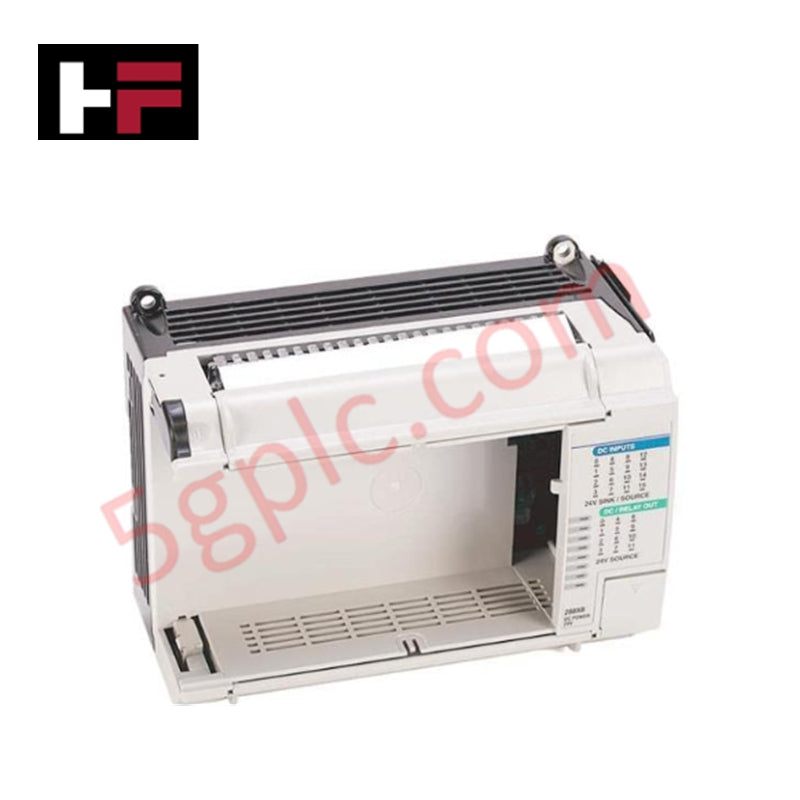
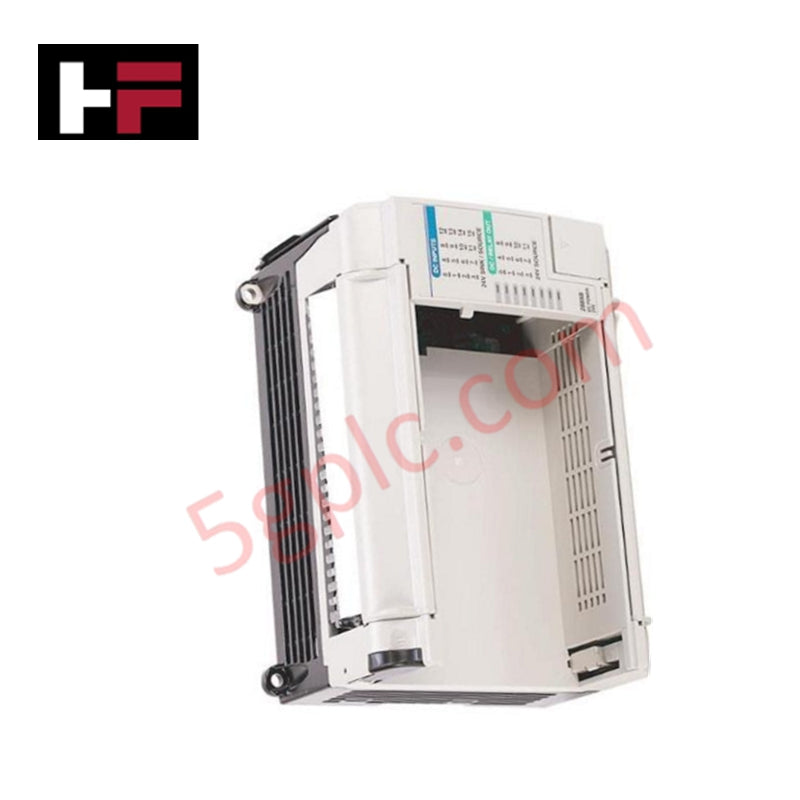
The Allen-Bradley 1764-28BXB1 serves as the high-density hardware foundation for the MicroLogix 1500 controller system. This base module provides the essential physical interface for 28 I/O points, integrating power distribution and I/O termination into a single unit. It accommodates a 1764-LSP or 1764-LRP processor to form a complete functional PLC. We supply this unit as 100% Brand New and Original, ensuring your legacy systems maintain maximum uptime with factory-fresh circuitry, even though the manufacturer has officially discontinued this series.
Technical Specifications
| Feature | Specification Details |
| Total I/O Count | 28 Points |
| Input Count | 16 DC Inputs |
| Input Voltage Range | 10–30V DC |
| Total Outputs | 12 Outputs |
| Relay Output Count | 6 Relay Outputs |
| Transistor Output Count | 6 FET (Field Effect Transistor) |
| Series | MicroLogix 1500 |
| Weight | 1.98 lbs (0.90 kg) |
| Terminal Type | Fixed Screw Terminals |
Engineering Advantages
-
Hybrid Output Flexibility: The 1764-28BXB1 features a "BXB" configuration, providing 6 Relay outputs for high-current switching and 6 FET outputs for high-speed pulse applications. This hybrid design allows a single controller to manage both heavy-duty solenoid valves and high-frequency motion signals simultaneously.
-
Modular Processing Architecture: The separate base and processor design allows for rapid maintenance. If a processor fails or requires an upgrade, you swap the logic module without disturbing the field wiring connected to the 1764-28BXB1 base, significantly reducing MTTR (Mean Time To Repair).
-
Robust DC Input Stage: The 16 DC inputs operate across a wide 10–30V DC range. This tolerance accommodates voltage fluctuations in unconditioned power environments and ensures reliable signal detection for standard 12V and 24V industrial sensors.
-
Thermal Management: The base chassis utilizes optimized ventilation slots to dissipate heat generated by the FET outputs and internal power conversion. This design maintains stable operation in compact enclosures where airflow remains limited.
FAQs
-
Does this base module include the processor?
No. The 1764-28BXB1 is the base module only. You must install a MicroLogix 1500 processor (1764-LSP or 1764-LRP) into the top slot of this base to execute logic.
-
Is this a refurbished or used unit?
Absolutely not. We guarantee this 1764-28BXB1 is 100% Brand New and Original. It arrives in its original factory packaging with untouched screw terminals, ensuring the full mechanical and electrical life of the relay contacts.
-
Can I use this base to replace a 1764-24BWA?
The 1764-28BXB1 uses DC power and features a different I/O count and output type compared to the AC-powered 1764-24BWA. You must verify your wiring diagrams and power supply voltage (24V DC vs 120V AC) before attempting a replacement.
-
What is the benefit of the FET outputs?
The 6 FET transistor outputs support high-speed switching that mechanical relays cannot achieve. Use these outputs for Pulse Width Modulation (PWM) or for controlling sensitive electronic devices that require arc-free operation.
Additional Information
- 100% Genuine Parts: All products are original and authentic, ensuring reliable industrial performance.
- 30-Day Refund Guarantee: Return any in-stock item within 30 days in original, unopened packaging for a full refund (excluding shipping and fees).
- 12-Month Warranty: Covers defects in materials or workmanship; excludes misuse, normal wear, or unauthorized modifications.
- Worldwide Shipping: We ship via USPS, UPS, FedEx, and DHL. Delivery times vary by country and may be subject to customs or import fees.
- Support & Contact: Technical and warranty assistance is available anytime. Contact us here: Contact.
- Purchase Guidance: Check product specifications and compatibility carefully before ordering to ensure proper application.
Tech & Buying Guide

Demystifying Programmable Logic Controllers: Comprehensive Guide to PLC Classification and Selection in Industrial Automation
Modern industrial automation heavily relies on Programmable Logic Controllers (PLCs) to drive factory floor efficiency. Over my 15 years as an industrial automation expert working with DCS, TSI, and control systems, I have seen PLCs evolve into the central nervous system of modern manufacturing. Selecting the right controller requires a deep understanding of PLC types based on physical size, hardware architecture, and power supply configurations.

Comprehensive Guide to PLC Types in Modern Industrial Automation
Modern industrial automation relies on programmable logic controllers to govern critical factory operations. System integrators classify PLCs based on scale, hardware architecture, and power supply design. Understanding these core categories enables automation engineers to select the right control system architecture. Consequently, proper hardware selection optimizes performance while minimizing long-term operational costs.

Demystifying the DDE Protocol in Legacy Industrial Automation Systems
Modern control systems rely heavily on seamless interprocess communication to exchange operational data between software programs. Microsoft first introduced the Dynamic Data Exchange (DDE) protocol in 1987 to enable real-time data sharing. In factory automation, DDE served as an early bridge between control software and Windows desktop applications. Therefore, understanding DDE mechanics provides crucial insights into how legacy industrial networks established software-level connectivity.