










Product Details
Product Overview
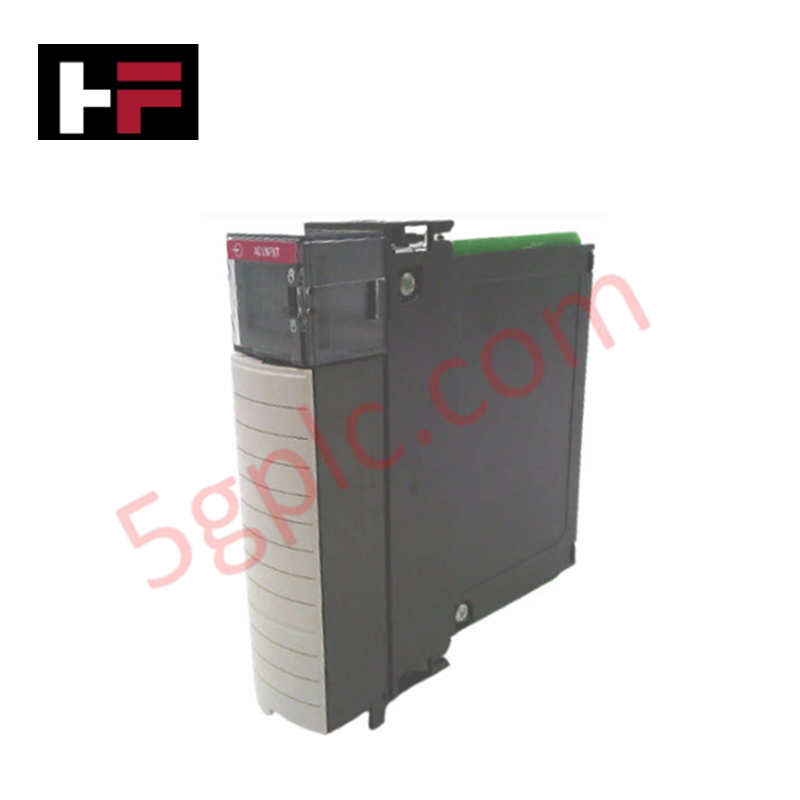
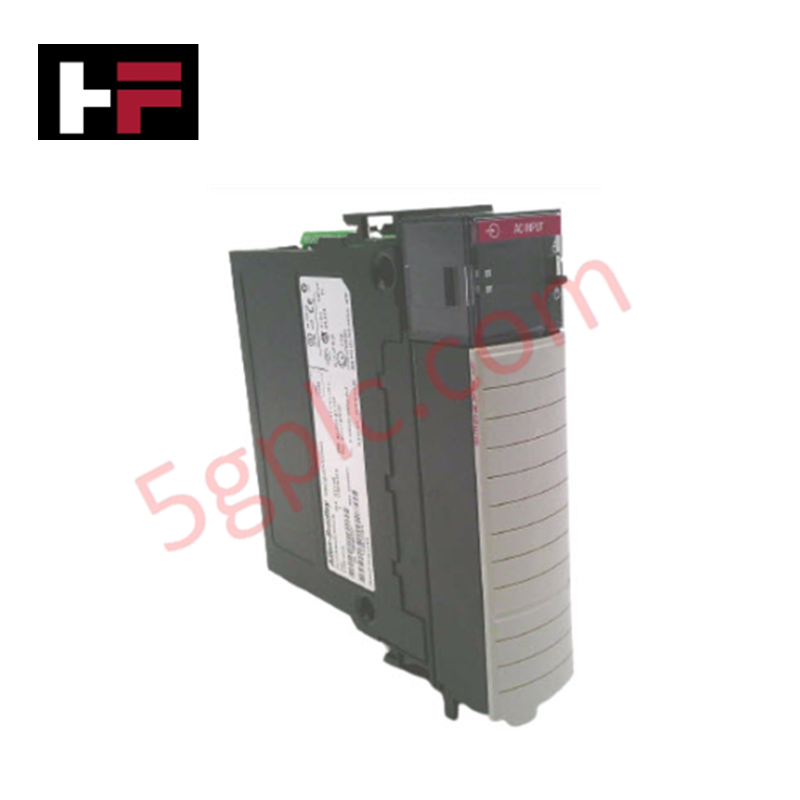
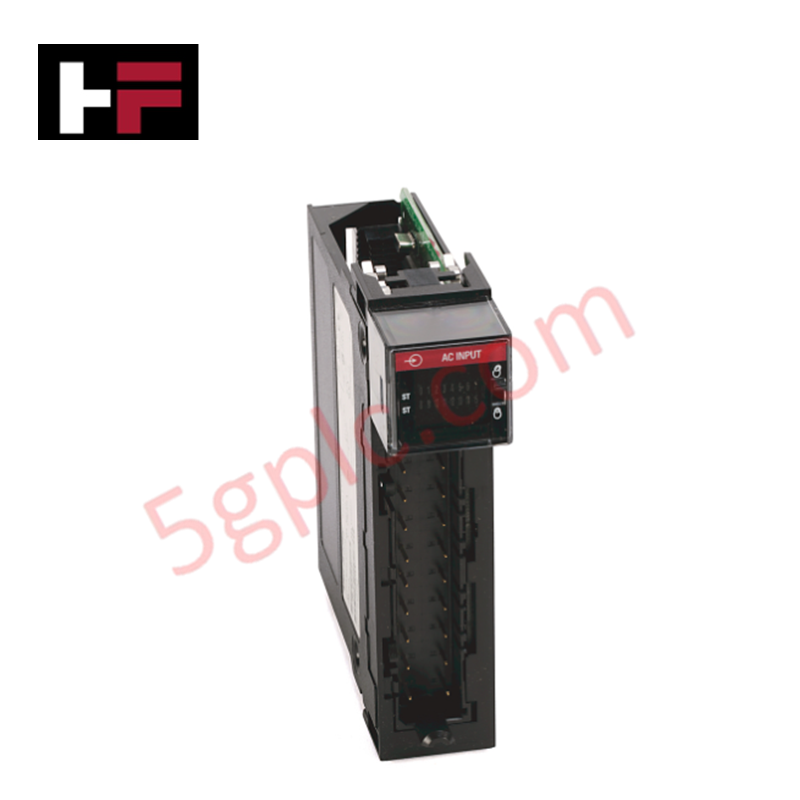
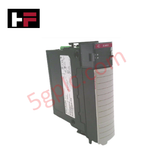
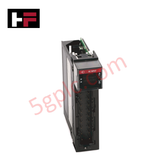
The Allen Bradley 1756-IN16 serves as a high-density discrete input interface for the ControlLogix platform. This module monitors and converts 24V AC signals from field devices—such as limit switches, pushbuttons, and proximity sensors—into logic levels usable by the controller. We supply this unit as 100% Brand New and Factory Original, ensuring peak electronic integrity and long-term stability in your automation rack.
Technical Specifications
The 1756-IN16 utilizes a robust circuit design to handle industrial AC voltage fluctuations:
| Feature | Specification |
| Number of Inputs | 16 Individually Isolated Channels |
| Nominal Input Voltage | 24V AC |
| Operating Voltage Range | 10V to 30V AC |
| Nominal Frequency | 50/60 Hz |
| Frequency Range | 47 to 63 Hz |
| Operating Temperature | 0°C to 60°C (32°F to 140°F) |
| Backplane Current (5.1V) | 125 mA |
| Backplane Current (24V) | 3 mA |
| Power Dissipation (Max) | 5.1 W |
| Weight | 0.70 lbs (0.32 kg) |
Engineering Advantages
-
Broad Voltage Tolerance: The module accommodates an input range of 10V to 30V AC. This flexibility allows the hardware to function reliably despite line voltage drops or fluctuations common in large-scale industrial plants.
-
Integrated Noise Filtering: The 1756-IN16 incorporates onboard hardware filtering to reject high-frequency electrical noise. This prevents "nuisance" signals and false triggering caused by electromagnetic interference (EMI) from nearby motor starters or variable frequency drives.
-
Chassis-Based Diagnostic Support: The module utilizes the ControlLogix producer/consumer technology to report point-level status and fault data. This allows engineers to identify wiring issues or signal loss directly through the Studio 5000 environment without manual probing.
-
Simplified Field Wiring: This 16-point module optimizes space within the I/O rack. It utilizes a removable terminal block (RTB), which allows maintenance teams to replace the module without disconnecting individual field wires, significantly reducing Mean Time to Repair (MTTR).
FAQs
-
Is this 1756-IN16 unit 100% Brand New?
Yes. We guarantee this product is 100% Brand New and arrives in its original factory packaging. It has never been installed or used in a production environment, ensuring full lifespan for its internal optical isolators.
-
Does the module require a specific Removable Terminal Block (RTB)?
Yes. The 1756-IN16 requires either the 1756-TBNH or 1756-TBSH terminal block. You must order these separately as they do not come standard with the module itself.
-
Can I use this module for DC input signals?
No. The 1756-IN16 is specifically designed for AC voltage. Using DC signals may result in improper state detection or damage to the internal bridge rectification circuitry. For DC applications, please refer to the 1756-IB16 or 1756-IV16.
-
How does the module handle signal debounce?
The module features programmable input filter times. You can configure these settings in the controller software to match the mechanical characteristics of your field devices, effectively eliminating contact bounce issues.
Additional Information
- 100% Genuine Parts: All products are original and authentic, ensuring reliable industrial performance.
- 30-Day Refund Guarantee: Return any in-stock item within 30 days in original, unopened packaging for a full refund (excluding shipping and fees).
- 12-Month Warranty: Covers defects in materials or workmanship; excludes misuse, normal wear, or unauthorized modifications.
- Worldwide Shipping: We ship via USPS, UPS, FedEx, and DHL. Delivery times vary by country and may be subject to customs or import fees.
- Support & Contact: Technical and warranty assistance is available anytime. Contact us here: Contact.
- Purchase Guidance: Check product specifications and compatibility carefully before ordering to ensure proper application.
Tech & Buying Guide

Static UPS vs. Rotary UPS: Technical Evaluation for Industrial Automation

Comprehensive Guide to Noise Types in Industrial Automation and Electronics

Mitigating Emergency Stop Spurious Trips in Industrial Control Systems
Emergency stop (E-Stop) pushbuttons serve as vital safety devices in factory automation and process control plants. Functional safety standards mandate normally-closed (NC) contact blocks to ensure fail-safe operation during wiring breaks or power outages. However, mechanical degradation over time can trigger unexpected spurious trips, halting production lines without an actual emergency. Understanding the underlying causes of mechanical contact failure allows automation engineers to implement robust, fault-tolerant safety circuits.