

Product Details
Product Overview
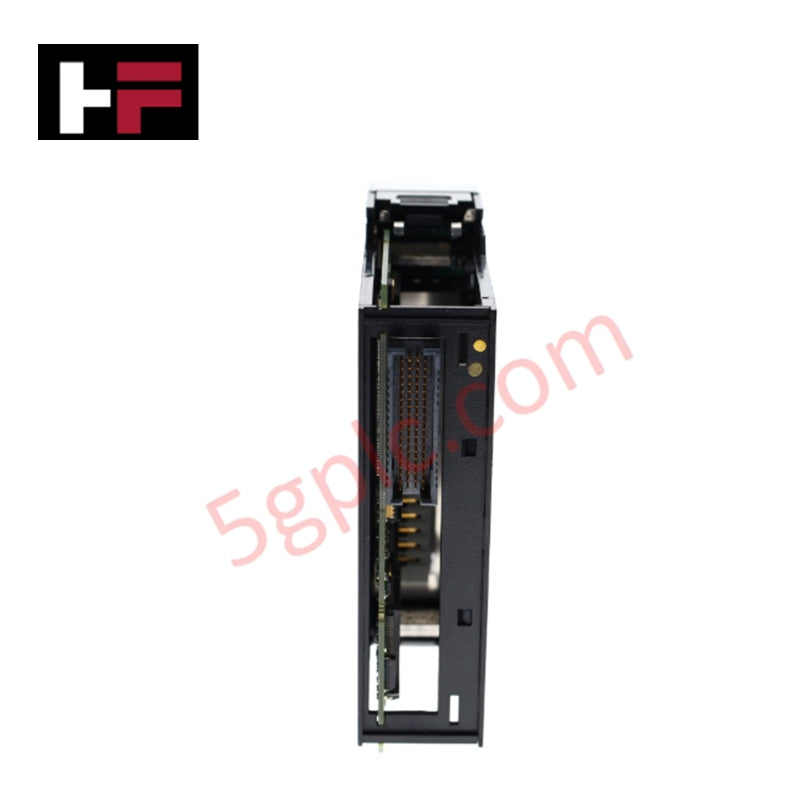
The 1756-DNB (1756-DNB) functions as the primary communication bridge between a ControlLogix® system and a DeviceNet™ network. It acts as a scanner, managing the exchange of critical I/O data and explicit messaging between the controller and up to 64 remote nodes. Engineered for reliability in complex industrial environments, the module supports seamless integration of field devices such as motor starters, sensors, and actuators into the Studio 5000 Logix Designer environment.
Core Technical Specifications
-
Module Function: DeviceNet Scanner and Interface
-
Supported Data Rates: 125 Kbps, 250 Kbps, and 500 Kbps (Autobaud capable)
-
Backplane Current Draw at 5.1V DC: 580 mA
-
Backplane Current Draw at 24V DC: 3 mA
-
Total Power Dissipation: 5.8 Watts maximum
-
Thermal Output: 19.8 BTU per hour
-
DeviceNet Input Voltage: 11 to 25 Volts DC (Linear plug connection)
-
Maximum DeviceNet Current: 3 Amps (for the module logic and network interface)
-
Isolation Voltage: 30 Volts (continuous) tested at 500 Volts AC for 60 seconds
-
Operating Temperature Range: 0 to 60 Celsius (32 to 140 Fahrenheit)
-
Storage Temperature Range: -40 to 85 Celsius (-40 to 185 Fahrenheit)
-
Vibration Resistance: 2 g @ 10 to 500 Hz
-
Slot Requirement: Any available slot within a 1756 ControlLogix Chassis
Operational Features and Integration
-
Node Capacity: Manages up to 64 nodes (0–63), providing extensive scalability for distributed I/O.
-
Bridging Capabilities: Supports routing of messages from other networks—such as EtherNet/IP or ControlNet—directly to DeviceNet nodes.
-
Diagnostic Display: Features an integrated four-character alphanumeric display that provides real-time status updates, error codes, and node addresses for rapid on-site troubleshooting.
-
Configuration Tools: Fully compatible with RSNetWorx for DeviceNet for network scheduling and parameter management.
-
Data Mapping: Allows for precise mapping of DeviceNet I/O data into the ControlLogix controller's memory tags, ensuring high-speed data coherency.
Typical Application Scenarios
The 1756-DNB (1756-DNB) is essential for systems requiring high-density discrete control, such as conveyor sorting systems, automotive robotic cells, and food processing lines. It is particularly effective for users looking to maintain existing DeviceNet field infrastructure while upgrading the central processing power to the ControlLogix platform.
Frequently Asked Questions
-
Does the module provide power to the DeviceNet network?No, the 1756-DNB (1756-DNB) requires an external 24V DC Class 2 power supply to power the DeviceNet bus. The module only draws logic power from the chassis backplane.
-
Is it possible to change the baud rate without physical switches?Yes, the baud rate can be configured via software through the module's properties in the programming environment or via RSNetWorx.
-
Can the module be replaced under power?Yes, the module supports Removal and Insertion Under Power (RIUP), though network communication will be interrupted during the swap.
Additional Information
- 100% Genuine Parts: All products are original and authentic, ensuring reliable industrial performance.
- 30-Day Refund Guarantee: Return any in-stock item within 30 days in original, unopened packaging for a full refund (excluding shipping and fees).
- 12-Month Warranty: Covers defects in materials or workmanship; excludes misuse, normal wear, or unauthorized modifications.
- Worldwide Shipping: We ship via USPS, UPS, FedEx, and DHL. Delivery times vary by country and may be subject to customs or import fees.
- Support & Contact: Technical and warranty assistance is available anytime. Contact us here: Contact.
- Purchase Guidance: Check product specifications and compatibility carefully before ordering to ensure proper application.
Tech & Buying Guide

Importance of Safety Barriers in PLC and DCS Control Systems

Static UPS vs. Rotary UPS: Technical Evaluation for Industrial Automation