












Product Details
Product Overview
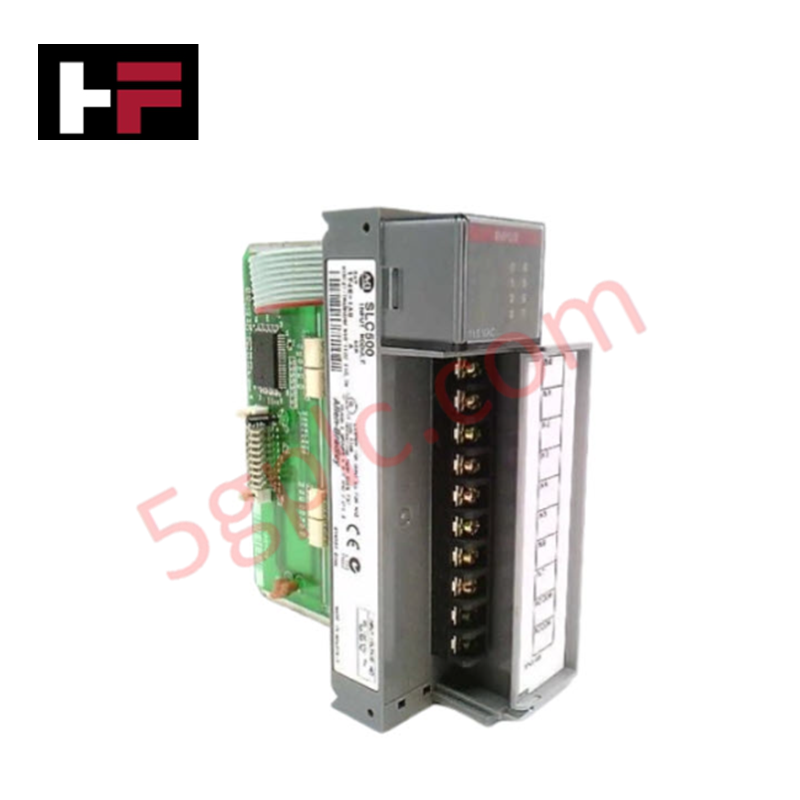
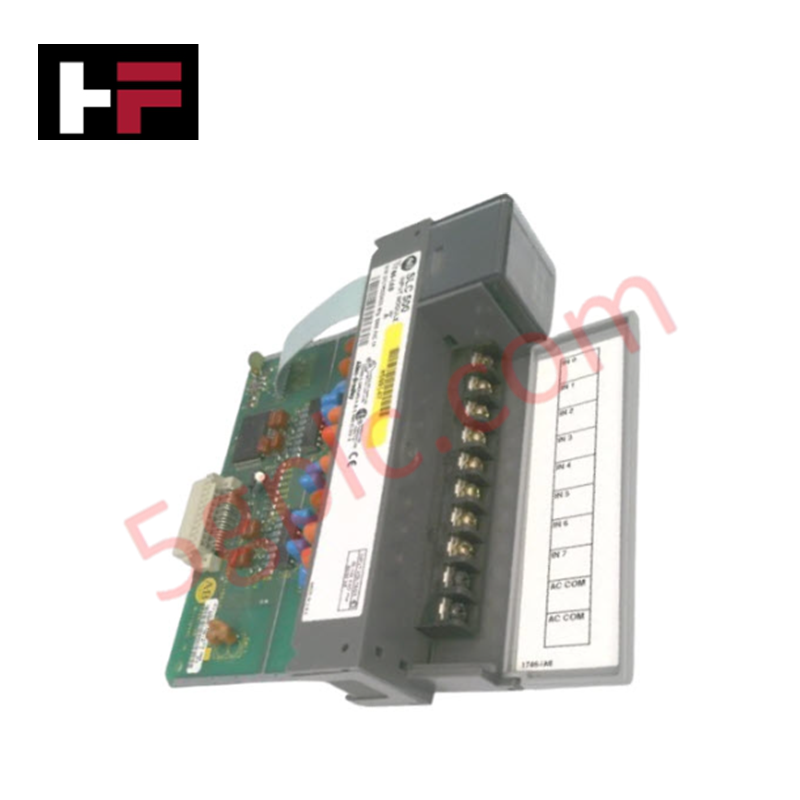
The Allen Bradley 1746-IA8 functions as a high-integrity digital input interface for the SLC 500 controller platform. This module detects and converts 100/120V AC signals from field devices—such as limit switches, float sensors, and push buttons—into logic-level data for the PLC processor. Despite the manufacturer's discontinuation in 2018, we provide this unit as 100% Brand New original factory stock. This ensures you maintain your existing SLC architecture with authentic hardware, avoiding the risks associated with third-party components or used equipment.
Technical Specifications
| Feature | Specification Details |
| Manufacturer | Allen Bradley / Rockwell Automation |
| Product Line | SLC 500 |
| Input Type | Digital AC Input |
| Number of Inputs | 8 Points |
| Voltage Category | 100/120V AC |
| Operating Voltage Range | 85–132V AC (47–63 Hz) |
| Backplane Current (5V DC) | 50 mA |
| Mounting | Rack Mountable (1746 Chassis) |
| Off-State Voltage (Max) | 30V AC |
| Weight | 0.45 lbs (0.20 kg) |
Engineering Advantages
-
Robust Signal Isolation: The 1746-IA8 utilizes optical isolation to protect the SLC backplane from field-side electrical surges. This architecture prevents high-voltage transients from damaging the CPU or adjacent I/O modules, ensuring stable operation in noisy industrial environments.
-
Legacy Hardware Continuity: This module allows for direct "drop-in" replacement in existing SLC 500 chassis. It eliminates the need for expensive system re-engineering or firmware migrations, solving the problem of maintaining legacy machinery without upgrading to more costly modern platforms.
-
Effective Heat Dissipation: The open-style ventilation design facilitates natural convection within the 1746 rack. This prevents localized heat buildup even when the rack operates at its maximum density, extending the life of the internal solid-state components.
-
Simplified Troubleshooting: Bright LED indicators on the front panel display the status of each individual input point. Technicians identify signal failures at a glance, significantly reducing downtime during routine maintenance or fault diagnostics.
FAQs
-
How do I install the 1746-IA8 into my existing chassis?
Power down the SLC 500 chassis before installation. Align the module with the slot guides of any 1746-A4, A7, A10, or A13 rack and slide it firmly until the top and bottom latches click. Secure the terminal block after verifying the wiring matches the 100/120V AC input requirements.
-
Can I use the 1746-IA8 with 24V DC field signals?
No. The 1746-IA8 requires a 120V AC nominal signal (85–132V AC range) to trigger the input. Using 24V DC will not activate the internal optical coupler. For DC applications, utilize the 1746-IB8 or 1746-IV8 modules instead.
-
Is this a refurbished unit since the model is discontinued?
Absolutely not. We guarantee this 1746-IA8 is 100% Brand New and remains in its original factory packaging with seals intact. This provides the full MTBF (Mean Time Between Failure) expected of a factory-fresh component, unlike used or refurbished alternatives.
-
Does this module require a separate power supply for the field side?
The module draws its logic power (50 mA) from the SLC backplane. However, the field devices (sensors/switches) must share a common 120V AC return with the module's L2/Neutral terminal to complete the circuit.
Additional Information
- 100% Genuine Parts: All products are original and authentic, ensuring reliable industrial performance.
- 30-Day Refund Guarantee: Return any in-stock item within 30 days in original, unopened packaging for a full refund (excluding shipping and fees).
- 12-Month Warranty: Covers defects in materials or workmanship; excludes misuse, normal wear, or unauthorized modifications.
- Worldwide Shipping: We ship via USPS, UPS, FedEx, and DHL. Delivery times vary by country and may be subject to customs or import fees.
- Support & Contact: Technical and warranty assistance is available anytime. Contact us here: Contact.
- Purchase Guidance: Check product specifications and compatibility carefully before ordering to ensure proper application.
Tech & Buying Guide

Hub vs Switch vs Router in Industrial Automation Architecture
Modern factory automation relies on reliable industrial networking infrastructure to exchange real-time field data across operational technology systems. Engineers often encounter networking hardware like hubs, switches, and routers when integrating Programmable Logic Controllers, Distributed Control Systems, and SCADA monitoring nodes. Although these devices share physical ports, they operate at different layers of the Open Systems Interconnection reference model and deliver distinct traffic management capabilities.

Marshalling Cabinet Preventive Maintenance: Essential Healthiness Checks for PLC, DCS, and ESD Systems
Marshalling cabinets serve as the vital interface between field instrumentation and control room electronics in modern process facilities. Regular preventive maintenance of these cabinets ensures signal integrity across programmable logic controllers (PLCs), distributed control systems (DCS), and emergency shutdown (ESD) networks. System technicians must execute structured inspection protocols to mitigate environmental risks, identify loose wiring, and maintain continuous operational readiness.

Spatial Computing in Industrial Automation: Elevating PLC and DCS Operations with AR and VR
Industry 4.0 integrates digital intelligence into field operations, transforming factory automation landscapes worldwide. Spatial technologies—specifically Augmented Reality (AR) and Virtual Reality (VR)—redefine how engineers interact with industrial control systems. By bridging computer-generated CAD models with real-time operational technology (OT) data, immersive displays enable intuitive monitoring, rapid diagnostics, and safer maintenance across complex processing facilities.