










Product Details
Product Overview
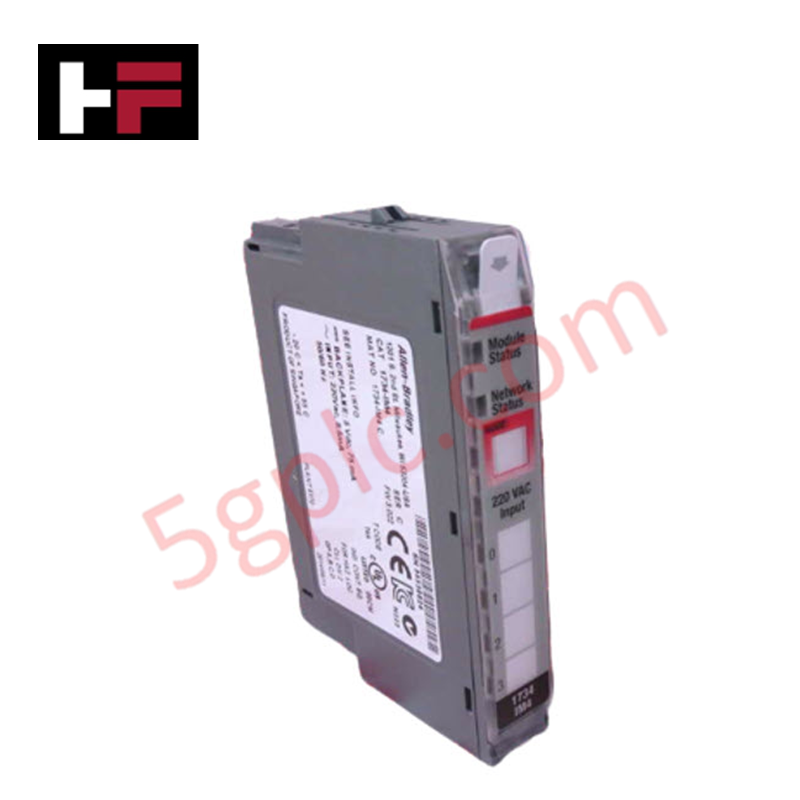
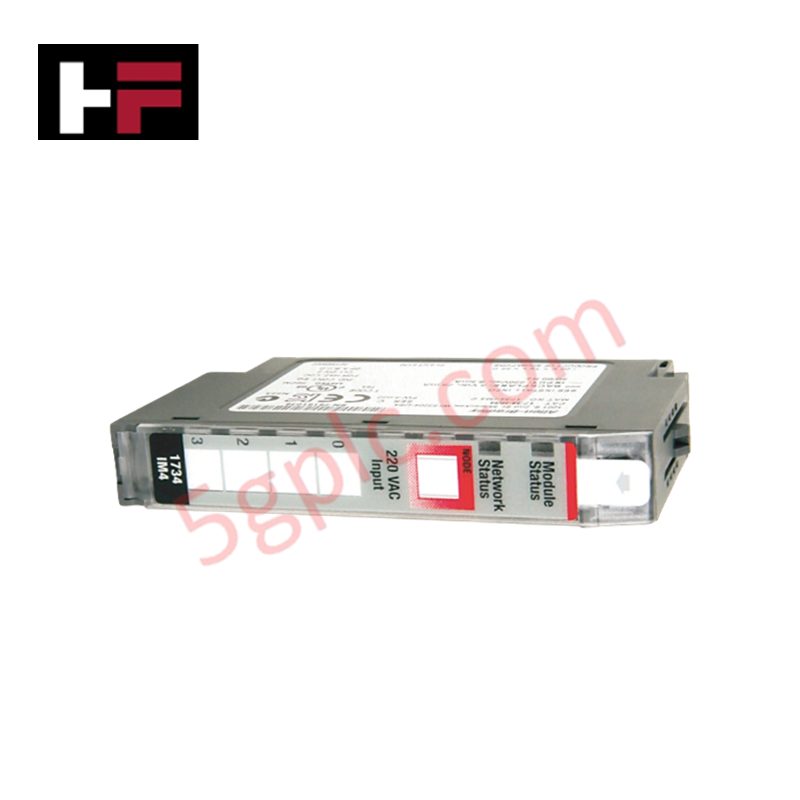
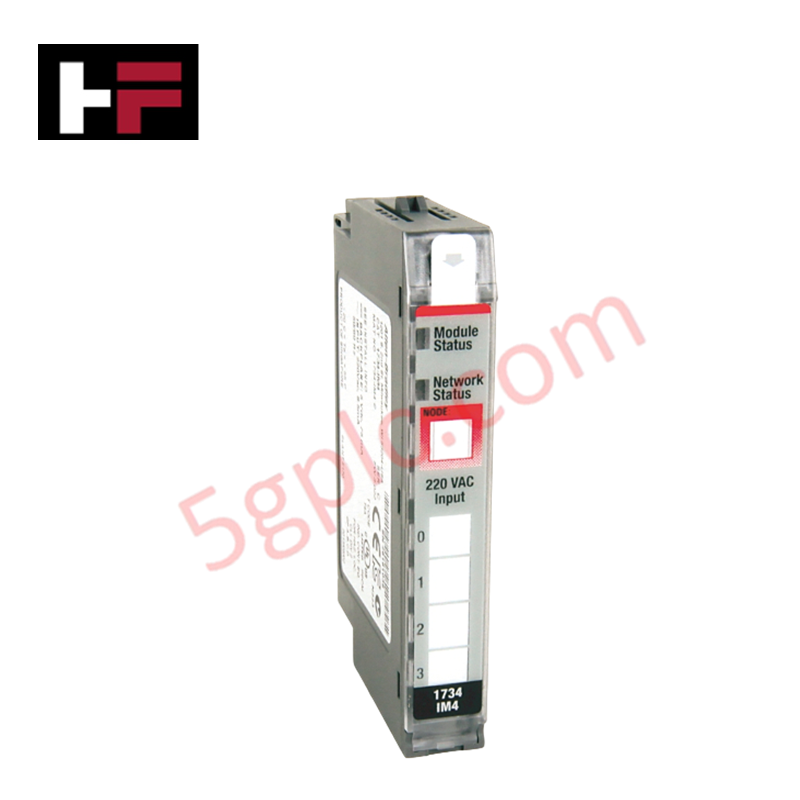
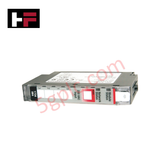
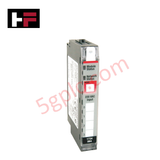
The Allen Bradley 1734-IM4 functions as a compact, 4-point digital AC input module within the POINT I/O™ family. It monitors high-voltage discrete signals from field devices such as limit switches, push buttons, and motor starter contacts. This module excels in space-constrained cabinets where distributed I/O architecture reduces wiring costs. We offer this unit as 100% Brand New and Original, ensuring seamless integration into your existing 220V control architecture.
Technical Specifications
The 1734-IM4 provides precision monitoring for high-voltage AC circuits:
| Feature | Specification |
| Manufacturer | Allen Bradley (Rockwell Automation) |
| Input Points | 4 Points |
| Nominal Input Voltage | 220V AC |
| Voltage Range | 159V AC to 264V AC |
| Input Impedance | 22.3 kΩ (Nominal) |
| Hardware Filter | 20 ms |
| Digital Filter | Programmable (0–65 ms) |
| POINTBus Current | 75 mA @ 5V DC |
| Thermal Dissipation | 3.4 BTU/h (Max) |
| Weight | 0.13 lbs (0.06 kg) |
Engineering Advantages
The 1734-IM4 addresses critical electrical and spatial challenges in industrial automation:
-
High-Density Footprint: The slim design minimizes DIN rail usage. This allows engineers to deploy significant I/O counts in small junction boxes or remote cabinets where traditional PLC chassis would not fit.
-
Superior Noise Rejection: A 20ms hardware filter coupled with a programmable digital filter eliminates signal chatter. This prevents electrical noise common in 220V industrial environments from triggering false logic states in the controller.
-
Low Heat Generation: With a maximum thermal dissipation of only 3.4 BTU/h, the 1734-IM4 prevents hotspots within dense I/O racks. This design extends the life of adjacent electronic components by maintaining a stable ambient temperature.
-
Versatile Mounting Options: The module snaps directly into 1734-TB, TBS, or TOP terminal bases. This modularity allows for "wiring-before-insertion," enabling technicians to complete field wiring before installing the sensitive electronic module.
FAQs
-
Does this module support 110V AC inputs?
No. The 1734-IM4 is specifically designed for 220V AC circuits with a minimum "On-State" threshold of 159V AC. For 110V AC applications, you must use the 1734-IA series modules.
-
Can I replace a module under power?
Yes. The POINT I/O system supports Removal and Insertion Under Power (RIUP). You can swap the 1734-IM4 without interrupting the backplane communication of other modules, though you must follow standard safety protocols for the 220V field-side wiring.
-
What is the condition of this unit?
We supply only 100% Brand New original Allen Bradley stock. The unit ships in its factory box with the original UPC (612598347148) and all factory documentation included.
-
Is a terminal base included with the 1734-IM4?
No. The 1734-IM4 is the electronic module only. You must purchase a compatible terminal base, such as the 1754-TB or 1734-TBS, separately if you are performing a new installation.
Additional Information
- 100% Genuine Parts: All products are original and authentic, ensuring reliable industrial performance.
- 30-Day Refund Guarantee: Return any in-stock item within 30 days in original, unopened packaging for a full refund (excluding shipping and fees).
- 12-Month Warranty: Covers defects in materials or workmanship; excludes misuse, normal wear, or unauthorized modifications.
- Worldwide Shipping: We ship via USPS, UPS, FedEx, and DHL. Delivery times vary by country and may be subject to customs or import fees.
- Support & Contact: Technical and warranty assistance is available anytime. Contact us here: Contact.
- Purchase Guidance: Check product specifications and compatibility carefully before ordering to ensure proper application.
Tech & Buying Guide

Demystifying the DDE Protocol in Legacy Industrial Automation Systems
Modern control systems rely heavily on seamless interprocess communication to exchange operational data between software programs. Microsoft first introduced the Dynamic Data Exchange (DDE) protocol in 1987 to enable real-time data sharing. In factory automation, DDE served as an early bridge between control software and Windows desktop applications. Therefore, understanding DDE mechanics provides crucial insights into how legacy industrial networks established software-level connectivity.

Demystifying CPU Communication Ports in Siemens PLC Architectures
Industrial automation relies heavily on robust data exchange between devices. Without seamless connectivity, field instruments, network switches, human-machine interfaces, and programmable logic controllers cannot coordinate effectively. Therefore, understanding the various CPU communication ports available in Siemens hardware ensures efficient factory automation design and seamless system integration.

Mastering the Siemens PLC Scan Cycle: How the CPU Executes Automation Programs
Industrial automation relies heavily on programmable logic controllers (PLCs) to manage complex manufacturing processes. Many engineers dive straight into programming without mastering the underlying architecture. However, understanding how a PLC CPU executes a program ensures reliable system design. Therefore, mastering the scan cycle optimizes both performance and troubleshooting in modern control systems.