










Product Details
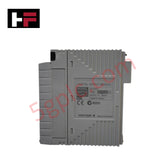
Product Overview
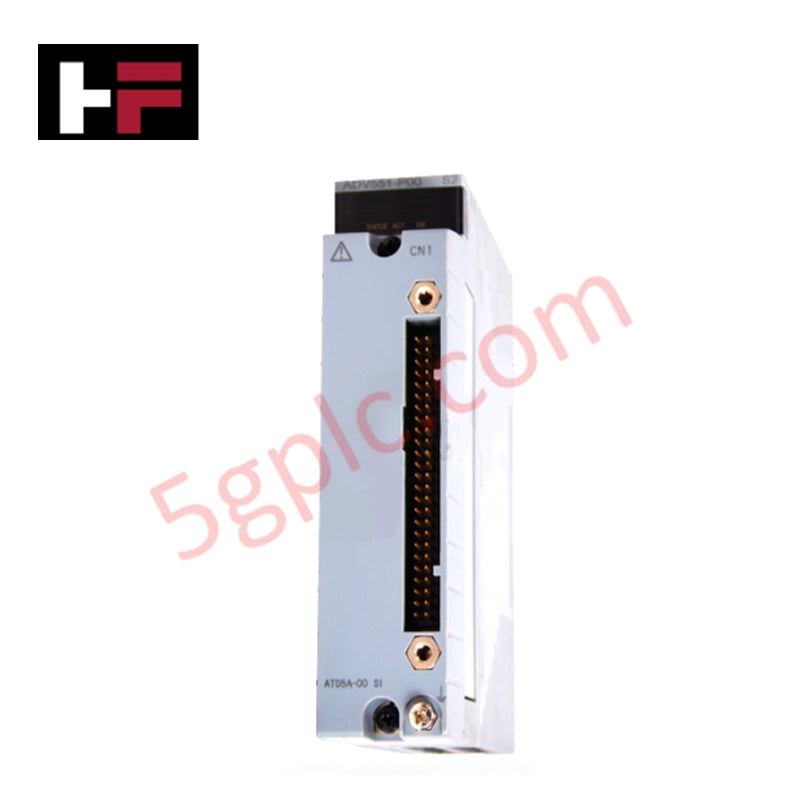
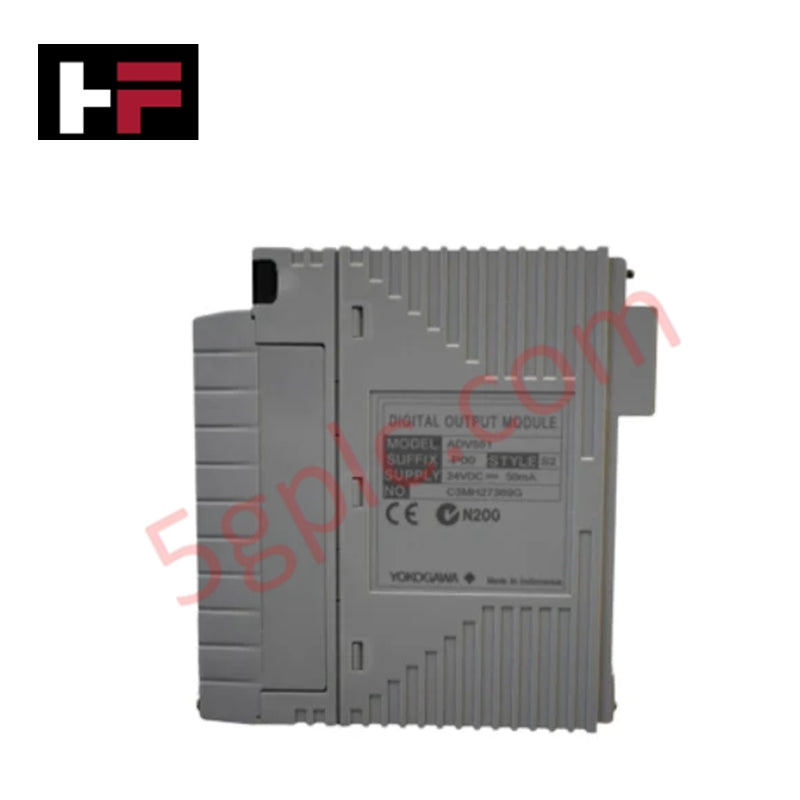
The Yokogawa ADV551-P60 functions as a high-density discrete control interface for the CENTUM VP Distributed Control System (DCS). This 32-channel module executes switching commands to manage field actuators, including solenoid valves, interposing relays, and signaling lamps. Equipped with the "P" functional suffix, this module supports advanced pulse width and time-proportional output functions. The "60" designation indicates a specialized hardware revision often associated with specific tropicalization or environmental hardening standards, ensuring reliable transistor switching in demanding industrial climates.
Condition: 100% Brand New and Original Factory Sealed.
Part Number Breakdown: ADV551-P60
Yokogawa utilizes a structured suffix system to define the functional and environmental specifications:
-
ADV551: Digital Output Module (32-channel, 24 V DC, Isolated).
-
-P: Equipped with Pulse Width Output and Time-Proportional Output functions.
-
6: Specialized hardware revision (often denoting enhanced environmental resistance or specific subrack compatibility).
-
0: Basic hardware specification for universal interface logic.
Technical Specifications
The ADV551-P60 provides high-speed switching and robust electrical isolation for critical control loops.
-
Number of Channels: 32, isolated
-
Rated Output Voltage: 24 V DC
-
Maximum Load Current: 100 mA per channel (at 26.4 V DC)
-
Response Time (Status): 3 ms or less
-
Response Time (Pulse): 10 ms or less
-
Isolation Type: Optical isolation between system and field
-
External Connection: Pressure-clamp terminal or KS signal cable
-
Current Consumption: 500 mA (at 5 V DC)
Engineering Advantages
-
Hardware-Based Pulse Modulation: The ADV551-P60 executes time-proportional control cycles internally. This offloads timing-critical tasks from the main controller CPU, ensuring consistent pulse widths for dosing or heating applications regardless of the DCS logic scan time.
-
Optimized Rack Density: Processing 32 outputs within a single slot maximizes I/O density. This allows engineers to utilize smaller control cabinets and fewer subracks, significantly reducing the total cost of installation and footprint in modular control rooms.
-
Enhanced Environmental Resilience: The "60" series revision incorporates updated internal components designed to maintain switching precision in high-humidity or thermally volatile environments, preventing premature component aging.
-
Ultra-Fast Signal Execution: A 3 ms response time for status outputs ensures nearly instantaneous command delivery. This performance is vital for high-speed interlocking and sequence-of-events (SOE) applications where millisecond precision prevents mechanical damage.
-
Integrated Diagnostic Feedback: The module continuously monitors its internal health and provides status feedback to the CENTUM VP software. Maintenance teams can identify channel faults or power supply issues directly from the HMI, minimizing Mean Time to Repair (MTTR).
FAQs
-
Does the ADV551-P60 require an external field power supply?
Yes. You must provide a 24 V DC external supply to drive the output loads. The module switches this power across the 32 channels via its isolated transistor array.
-
Can I use this module to replace a standard ADV551-P00 model?
The ADV551-P60 is functionally compatible with the P00 version and includes the same 32-channel pulse output capabilities. It serves as a ruggedized alternative or a direct replacement in most CENTUM VP subracks.
-
What precautions are necessary for inductive loads like solenoid valves?
The module handles typical inductive loads up to 100 mA. For highly inductive or high-current actuators, we recommend installing external suppression diodes to protect the output transistors from back-EMF spikes and electrical noise.
-
Is the ADV551-P60 compatible with redundant I/O?
Yes. When used with a redundant-capable baseplate, you can install these modules in pairs. The system maintains continuous control even if one module requires replacement or experiences a fault.
Additional Information
- 100% Genuine Parts: All products are original and authentic, ensuring reliable industrial performance.
- 30-Day Refund Guarantee: Return any in-stock item within 30 days in original, unopened packaging for a full refund (excluding shipping and fees).
- 12-Month Warranty: Covers defects in materials or workmanship; excludes misuse, normal wear, or unauthorized modifications.
- Worldwide Shipping: We ship via USPS, UPS, FedEx, and DHL. Delivery times vary by country and may be subject to customs or import fees.
- Support & Contact: Technical and warranty assistance is available anytime. Contact us here: Contact.
- Purchase Guidance: Check product specifications and compatibility carefully before ordering to ensure proper application.




Tech & Buying Guide

Why Programmable Logic Controllers Drop into Stop Mode: An Expert Analysis
Industrial automation systems rely heavily on Programmable Logic Controllers (PLCs) to maintain uninterrupted production. When a PLC unexpectedly shifts from Run to Stop mode, whole manufacturing lines stall.
As control systems evolve across modern factory automation, understanding the root causes of these interruptions helps engineers minimize costly downtime. This technical guide breaks down why PLCs trip into Stop mode and provides practical strategies to mitigate system faults.

Understanding Root Causes of Unplanned PLC Stop Mode in Industrial Automation
Modern Programmable Logic Controllers manage execution through distinct operational states: Run, Stop, Start-Up, and Hold. During power-up, a controller initializes memory registers within Stop mode before briefly transitioning to Start-Up mode. During this phase, internal self-diagnostics evaluate system integrity across hardware and user programs. If the controller detects no critical faults, it enters Run mode to execute the control program continuously. However, any severe system anomaly forces the CPU back into Stop mode immediately to prevent erratic machine behavior across the plant floor.

Human-Machine Interface Design: Essential Guide to HMI Selection, Visualization, and Control System Integration
Human-Machine Interfaces (HMIs) serve as the primary operational window into complex industrial automation systems. Modern HMIs convert raw machine data into clear graphical displays, enabling operators to oversee entire manufacturing processes in real time. Instead of relying on physical control panels full of hardwired switches, engineers program interactive screens using intuitive graphics, dynamic color coding, and responsive touch interfaces. Over my 15 years in control systems engineering, I have observed HMIs transform from basic display screens into sophisticated command centers that drive operational efficiency across DCS and PLC environments.