












Product Details
Product Description
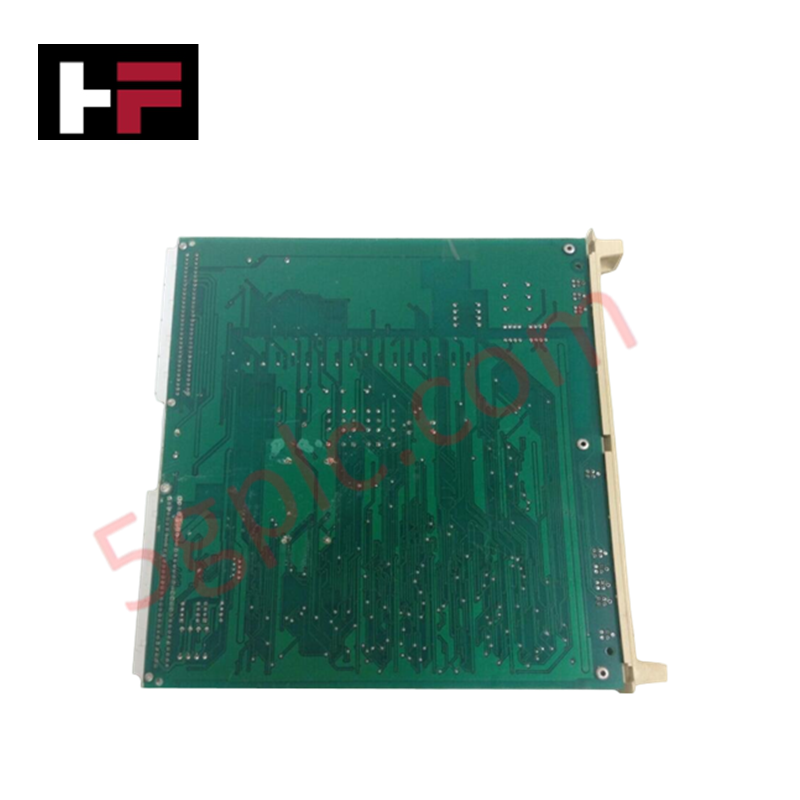
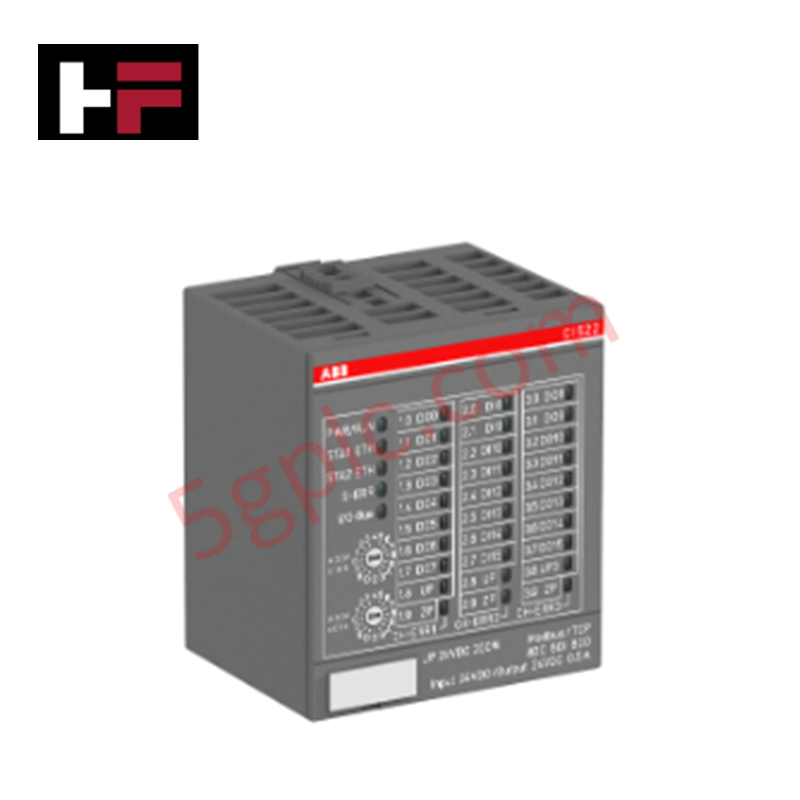
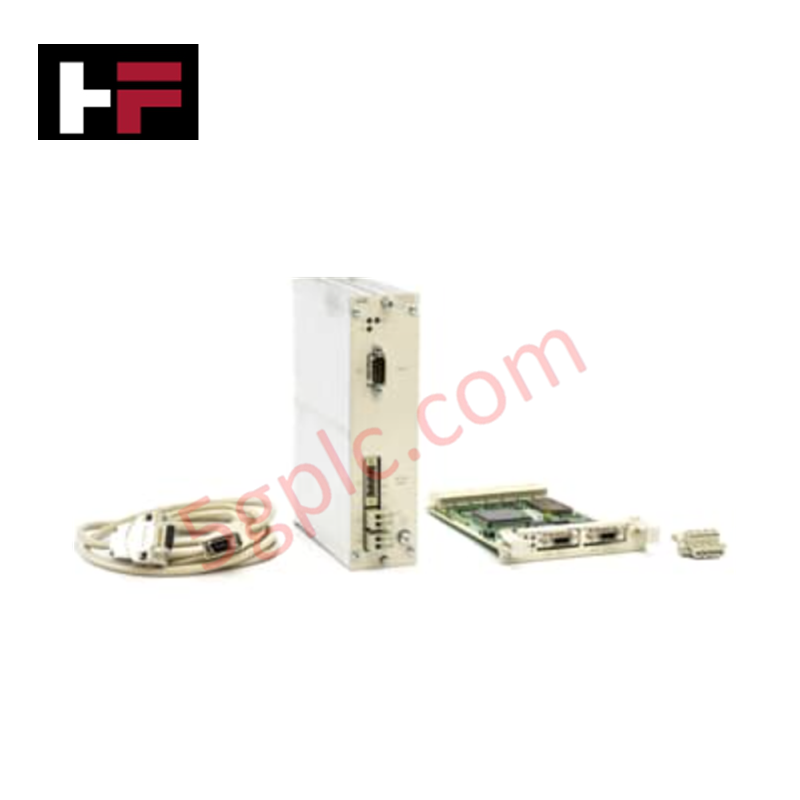
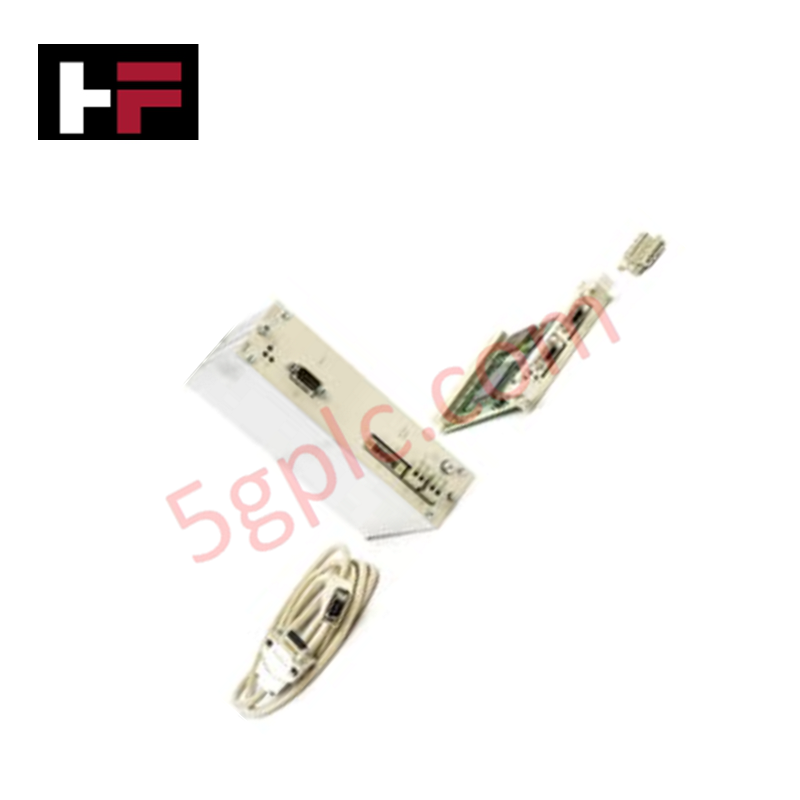
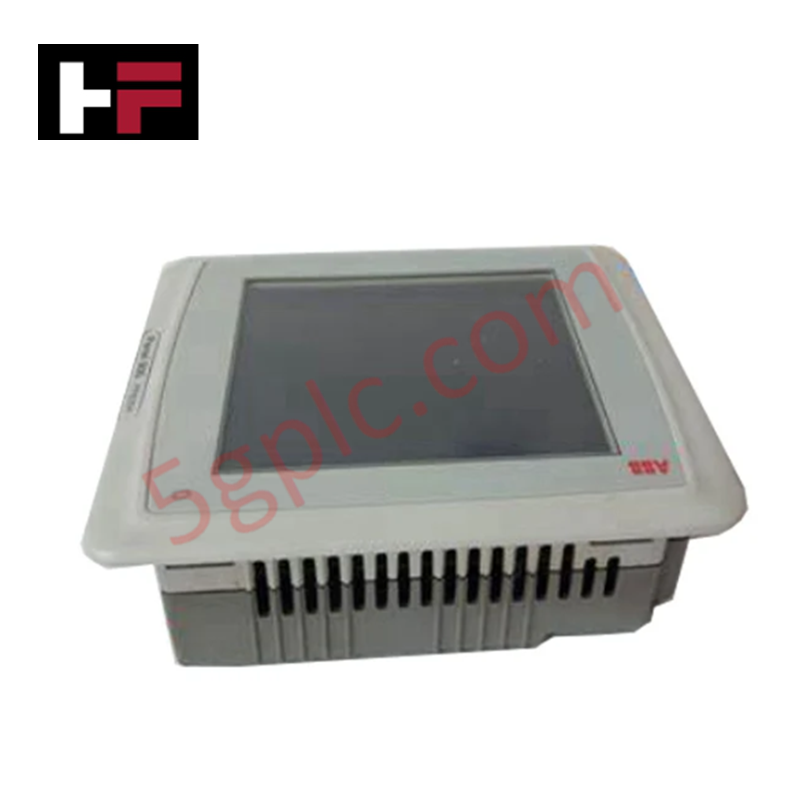
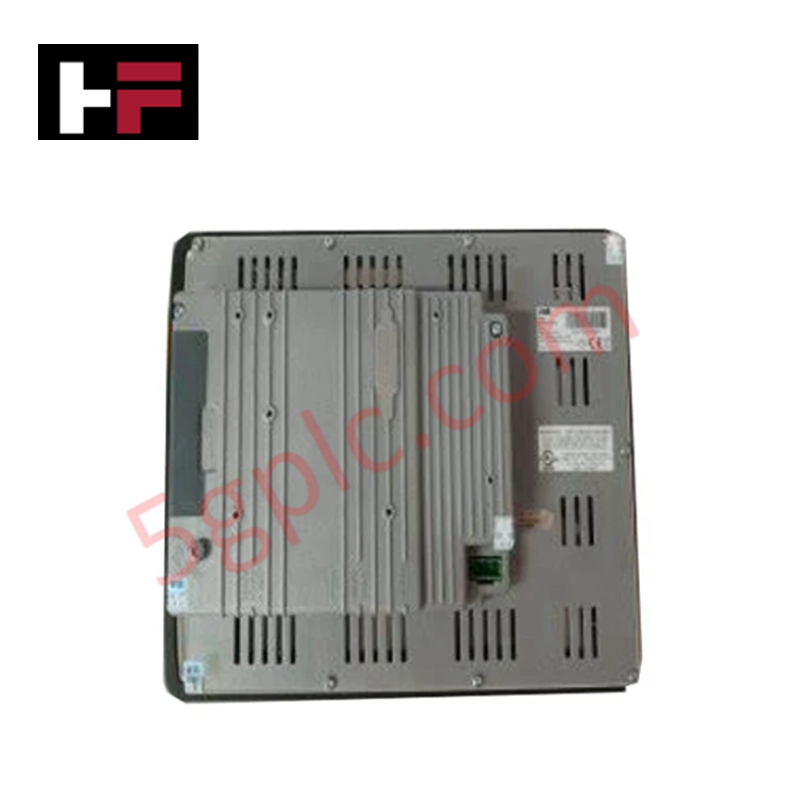
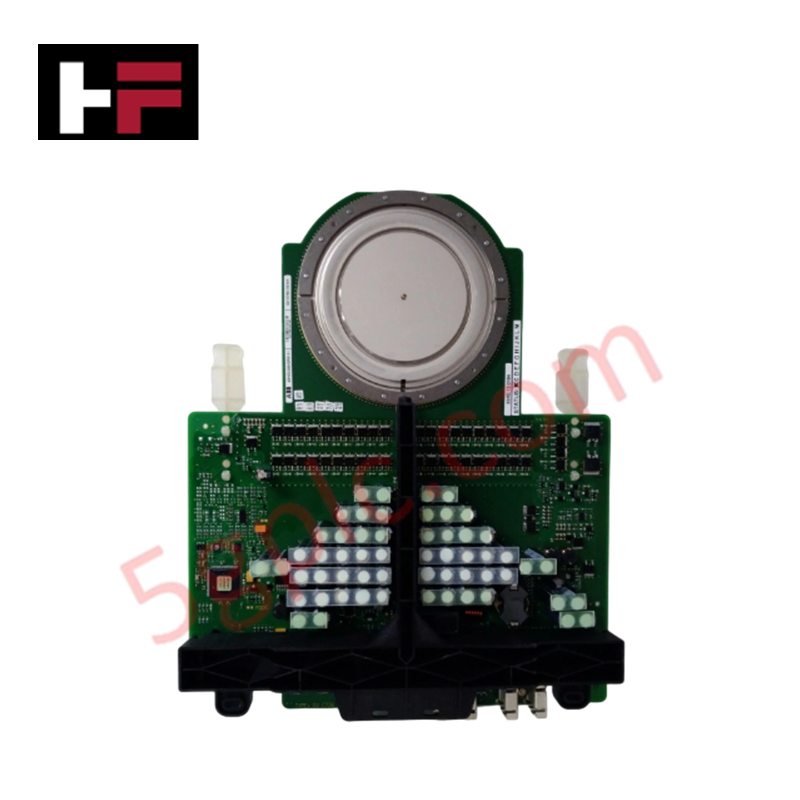
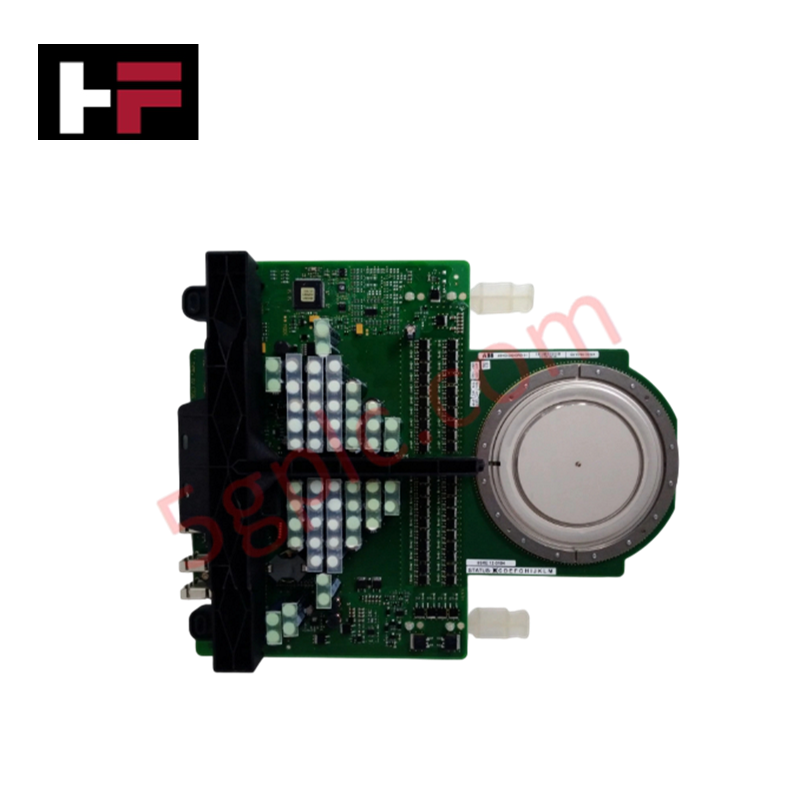
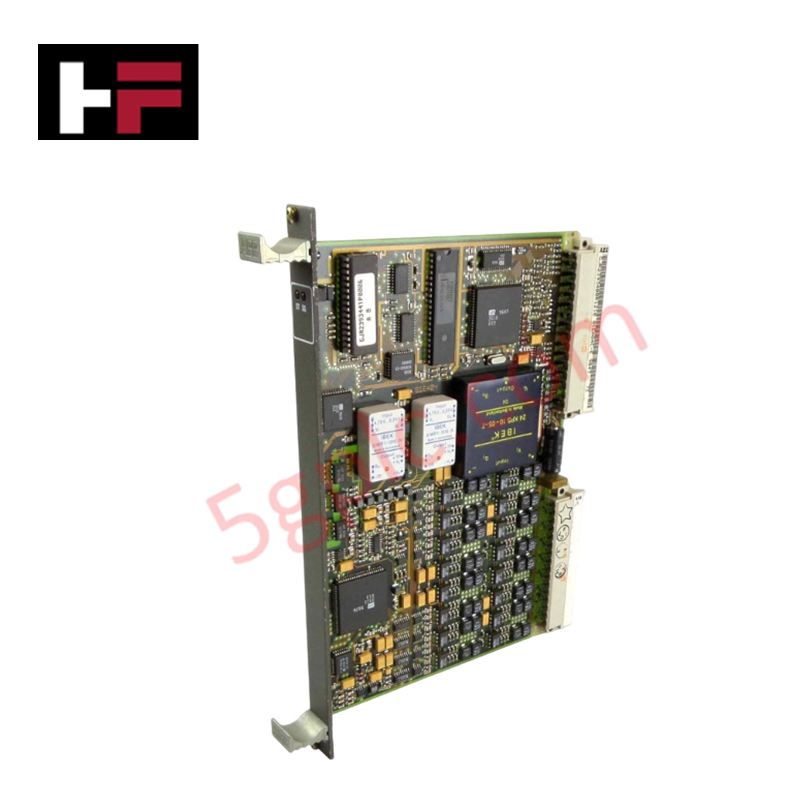
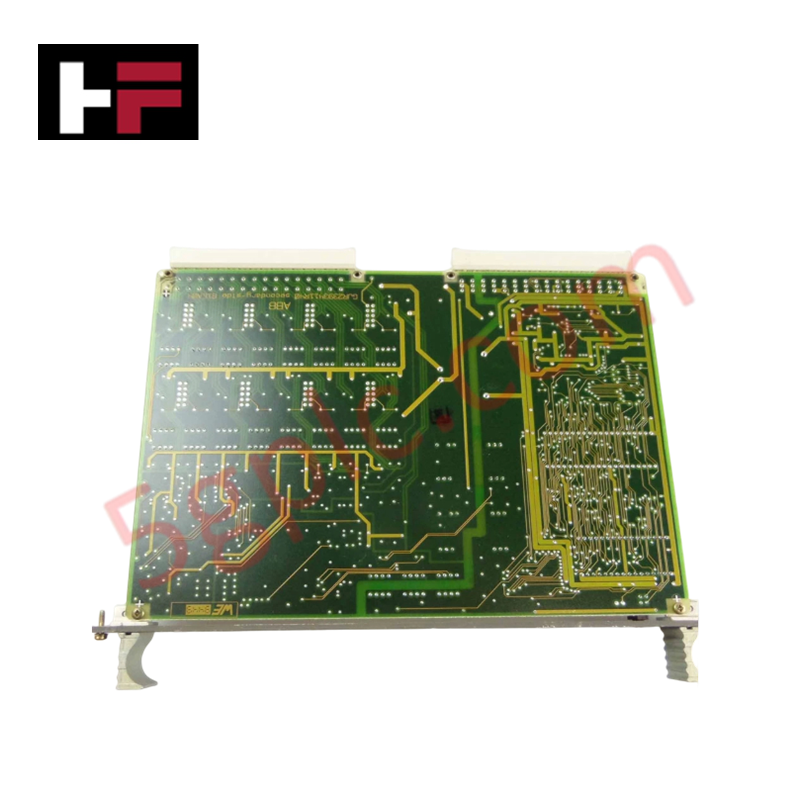
The DSQC 256A (3HAB2211-1) is a central processing module engineered for the ABB S4 robot controller environment. It functions as the primary logic execution layer, responsible for managing real-time motion control algorithms and coordinating system-wide synchronization between the drive units and peripheral interfaces. Designed with a robust architecture suited for legacy industrial systems, the DSQC 256A ensures that complex kinematic calculations are processed with the high reliability required for precise manufacturing cycles.
Technical Specifications
The mechanical and operational characteristics for the DSQC 256A (3HAB2211-1) are detailed as follows:
-
Product Function: Central Processing Unit (CPU) Logic Board
-
System Compatibility: ABB S4 Controller Platform
-
Architecture: Multi-layered PCB with high-density logic gate integration
-
Physical Dimensions: 19.1 cm (Height) x 13.0 cm (Width) x 1.9 cm (Depth)
-
Net Weight: 0.2 kg
-
Country of Origin: USA
-
Communication Interface: Proprietary backplane bus connector
-
Thermal Management: Passive cooling via cabinet airflow
FAQ
What are the primary indicators of a processor failure on the DSQC 256A?
System failures typically manifest as a "CPU Watchdog Timeout" or a total failure of the S4 controller to initialize during the boot sequence. If the status LEDs on the front edge of the DSQC 256A (3HAB2211-1) fail to cycle correctly, it often indicates an internal logic fault or memory parity error.
Is this CPU board compatible with S4C or S4C+ systems?
No. The DSQC 256A is specifically built for the original S4 hardware architecture. While S4C and S4C+ systems serve similar roles, they utilize different bus protocols and physical form factors (such as the DSQC 300 or 500 series) that are not interchangeable with this unit.
Does this board store the system firmware?
The DSQC 256A (3HAB2211-1) executes the firmware, but the actual RobotWare operating system is typically stored on a separate mass memory or flash module. When replacing this CPU, ensure that the firmware version on your storage media is compatible with this hardware revision.
Comparison: DSQC 256A vs. DSQC 256T
| Feature | DSQC 256A (3HAB2211-1) | DSQC 256T (3HAB2212-1) |
| Primary Role | Main System Logic / CPU | Specialized Axis Processing |
| System Era | S4 Base | S4 Expansion |
| Processing Speed | Standard S4 Logic Clock | Enhanced Task Cycle |
| Origin | USA | Sweden / USA |
Additional Information
- 100% Genuine Parts: All products are original and authentic, ensuring reliable industrial performance.
- 30-Day Refund Guarantee: Return any in-stock item within 30 days in original, unopened packaging for a full refund (excluding shipping and fees).
- 12-Month Warranty: Covers defects in materials or workmanship; excludes misuse, normal wear, or unauthorized modifications.
- Worldwide Shipping: We ship via USPS, UPS, FedEx, and DHL. Delivery times vary by country and may be subject to customs or import fees.
- Support & Contact: Technical and warranty assistance is available anytime. Contact us here: Contact.
- Purchase Guidance: Check product specifications and compatibility carefully before ordering to ensure proper application.
Tech & Buying Guide

Navigating Industrial Automation Failures: Types, Causes, and Mitigation Strategies
Modern manufacturing relies heavily on automated control systems to maximize throughput and maintain product quality. However, unplanned downtime in industrial automation can cost facility operators thousands of dollars per hour. Understanding how programmable logic controllers (PLCs), distributed control systems (DCS), and field instrumentation fail empowers engineering teams to implement robust preventive maintenance strategies.
Essential Motion Control Commands: A Practical Guide for Engineers
Automation engineers often rely on precise position and speed control to drive modern factory machinery. Modern industrial systems, such as Programmable Logic Controllers (PLCs) and Distributed Control Systems (DCS), depend heavily on standardized motion instructions. Mastering these commands ensures operational safety, protects mechanical components, and optimizes cycle times across production lines.

The Role of Intrinsic Safety Barriers in PLC and DCS Architectures
Implementing robust protection in hazardous industrial environments represents a fundamental safety requirement in factory automation. Process facilities often handle volatile gases, dusts, and chemical agents that pose significant combustion risks. Consequently, control system engineers must deploy energy-limiting interfaces to isolate safe-area control cabinets from hazardous-area field instrumentation. This article examines the function, selection, and electrical principles of intrinsic safety barriers within modern PLC and DCS networks.