












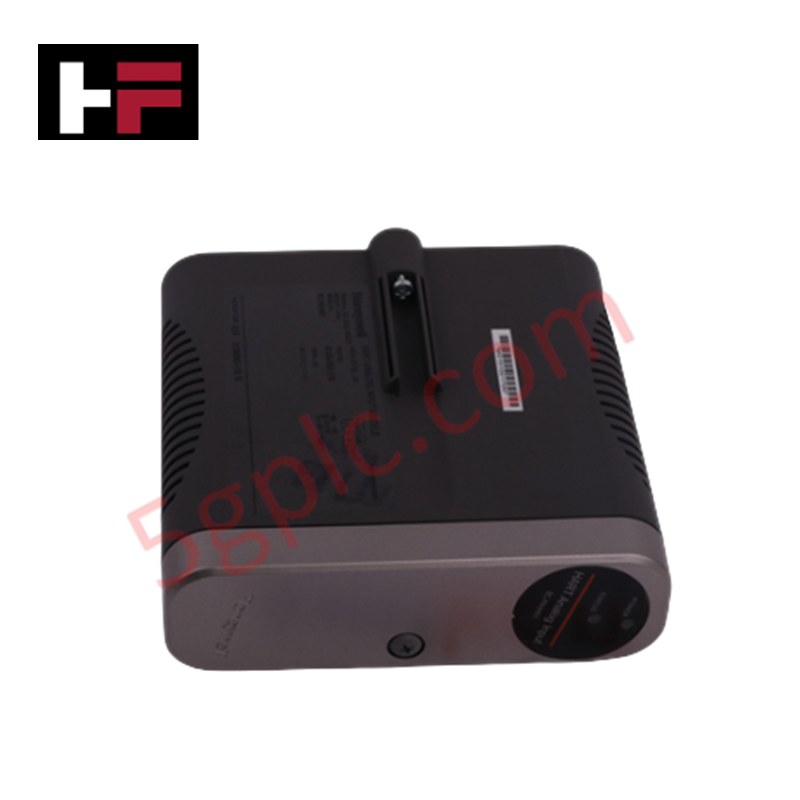
Product Details
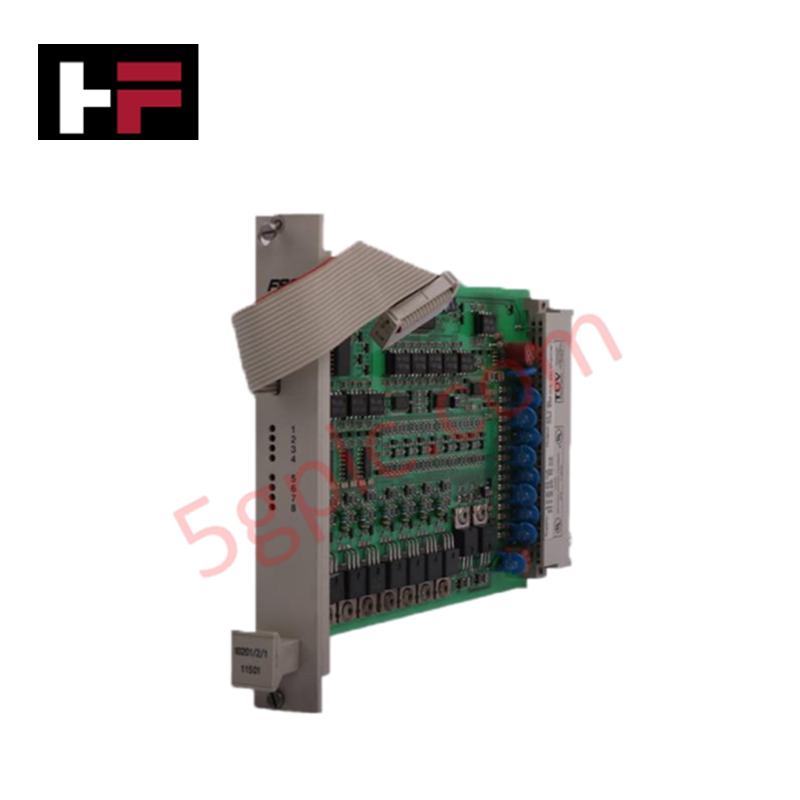
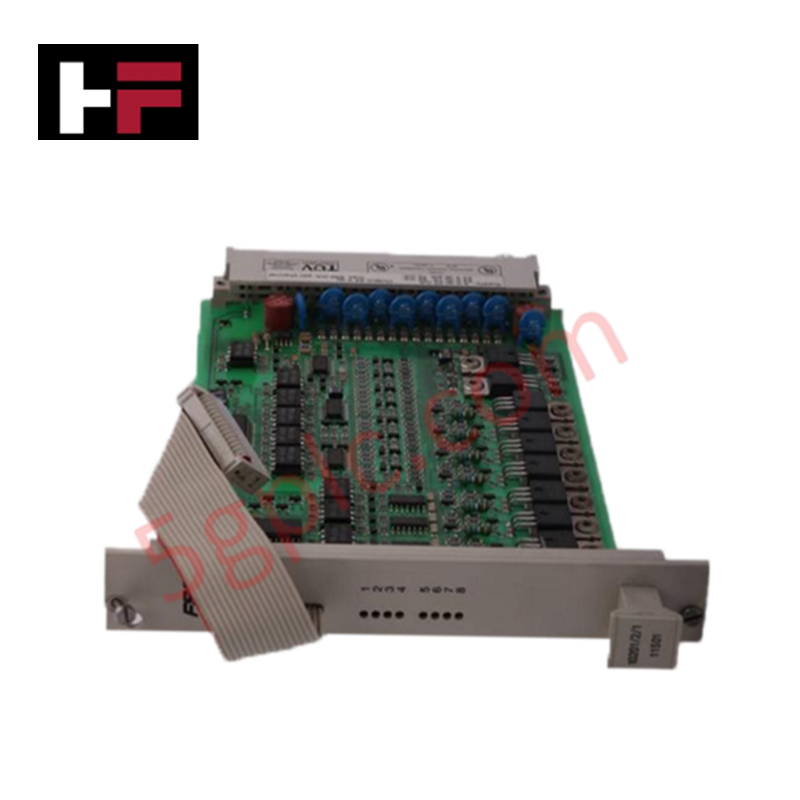
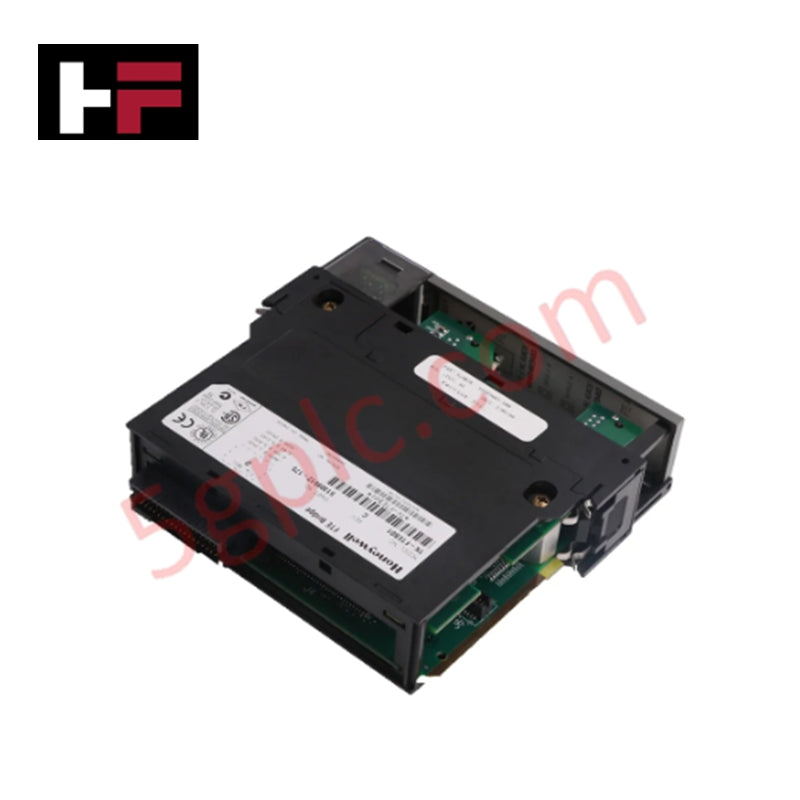
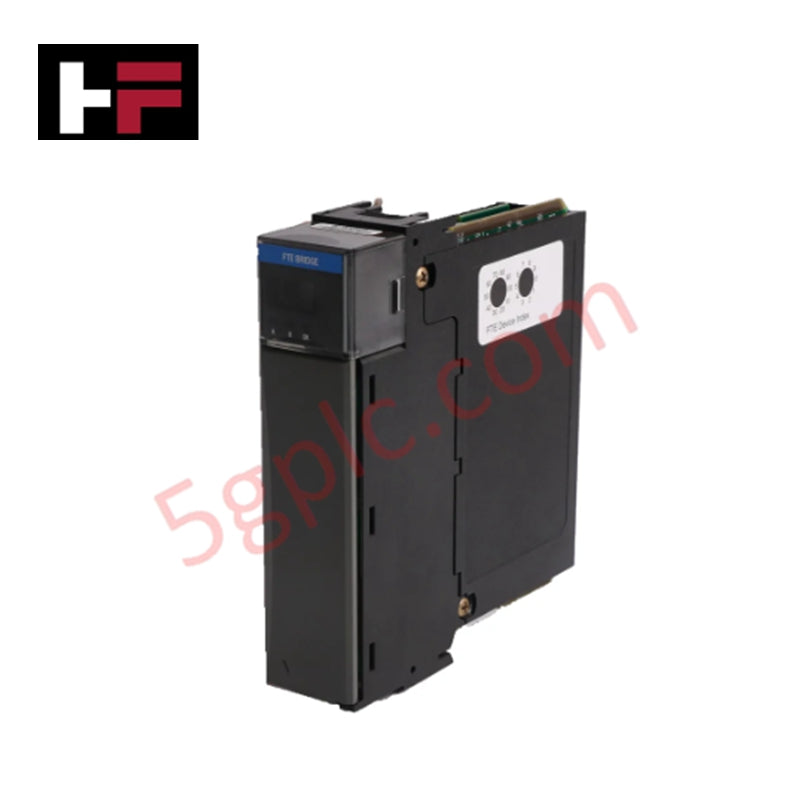
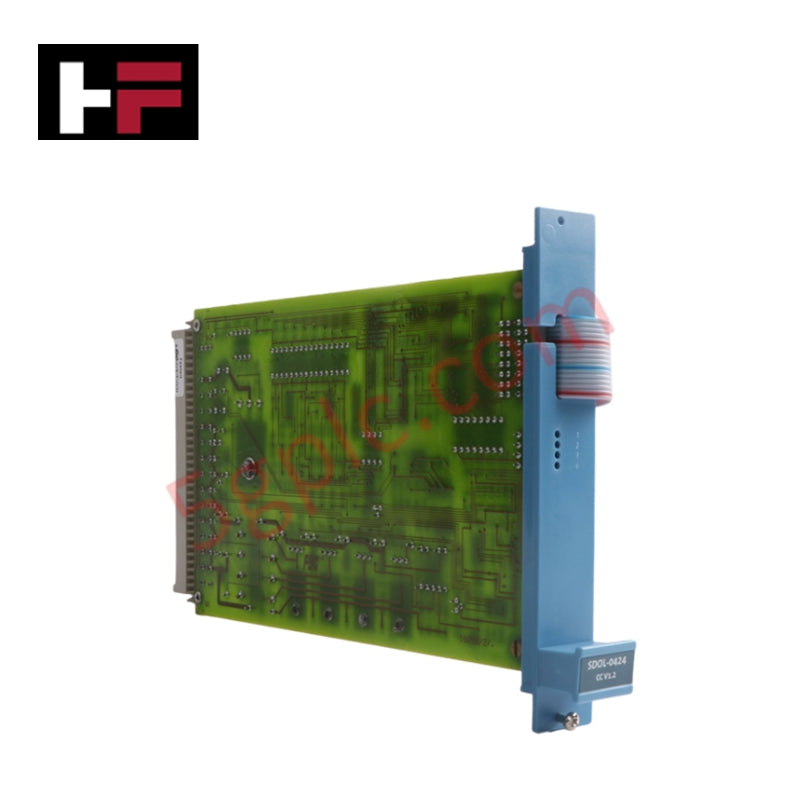
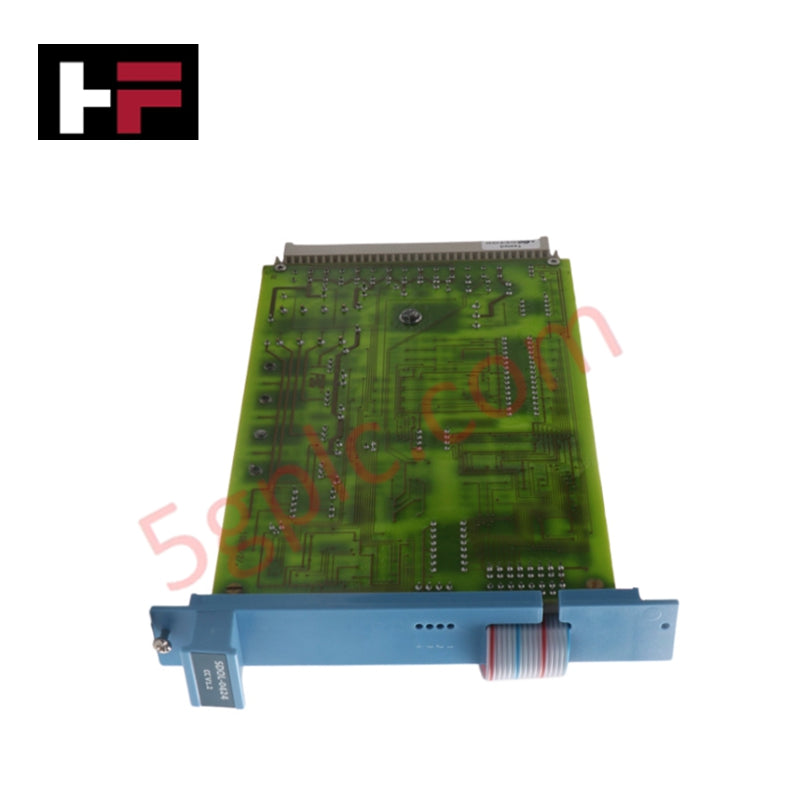
Configured for multi-channel analog signal acquisition in Honeywell Experion PKS C300 control system platforms, the Honeywell 8U-PAINA1 (8U-PAINA1 High-Level Analog Input Module) provides direct physical/electrical execution.
Hardware Specifications
| Parameter | Specification |
|---|---|
| Model | 8U-PAINA1 |
| Brand | Honeywell |
| Origin | USA |
| Weight | Approx. 0.34 kg (340 g) |
| Dimensions | Standard IOTA module housing |
| Operating Temp | -20 deg C to +70 deg C |
| Power Consumption | Approx. 2.5 W |
| Input Channels | 16 single-ended channels |
| Signal Range | 4-20 mA (Non-HART) |
| Input Impedance | 250 ohms typical |
| Measurement Accuracy | +/-0.1% of full scale at 25 deg C |
| Analog Resolution | 16-bit |
| Channel Isolation | 500 VAC RMS channel-to-ground |
| Update Rate | Less than 100 ms per channel |
4-20 mA HART Loop Protocol & Channel-to-Channel Isolation
The 8U-PAINA1 incorporates high-precision analog-to-digital processing stages operating across a standard single-ended 4-20 mA signal range without HART communication overhead. Integrated per-channel galvanic isolation rated at 500 VAC RMS shields central backplane logic from ground potential offsets and common-mode voltage spikes. Onboard signal conditioning circuitry with a 250 ohm input impedance stabilizes input data acquisition, providing precise high-level signal filtering across a rapid update rate of less than 100 ms per channel.
Frequently Asked Questions
Q: Does the 8U-PAINA1 analog input module support digital HART protocol pass-through?
A: No, the 8U-PAINA1 is designed specifically for standard non-HART single-ended 4-20 mA analog input signals.
Q: How is the 8U-PAINA1 module physically mounted into the Experion I/O architecture?
A: The module features a snap-in form factor designed for direct installation onto compatible Input Output Termination Assembly (IOTA) carriers.
Q: What level of electrical isolation is provided between field channels and ground?
A: The module provides per-channel galvanic isolation rated to withstand 500 VAC RMS channel-to-ground electrical potential.
Field Installation Guidelines
- Confirm that the Experion IOTA mounting rail is connected to main cabinet Earth ground using a low-impedance conductor (minimum 4 mm2 / 10 AWG).
- De-energize 24 VDC loop power supplies before inserting or snapping the 8U-PAINA1 module onto its designated IOTA baseplate position.
- Route 4-20 mA analog input wiring using shielded twisted-pair cables, maintaining a minimum 300 mm separation from high-voltage AC conductors and drive leads.
- Terminate overall signal cable shields at a single point on the enclosure Earth ground bar to eliminate circulating ground loop currents.
- Verify proper seating of the module locking mechanisms to maintain vibration-resistant connectivity to the IOTA backplane interface.
Additional Information
- 100% Genuine Parts: All products are original and authentic, ensuring reliable industrial performance.
- 30-Day Refund Guarantee: Return any in-stock item within 30 days in original, unopened packaging for a full refund (excluding shipping and fees).
- 12-Month Warranty: Covers defects in materials or workmanship; excludes misuse, normal wear, or unauthorized modifications.
- Worldwide Shipping: We ship via USPS, UPS, FedEx, and DHL. Delivery times vary by country and may be subject to customs or import fees.
- Support & Contact: Technical and warranty assistance is available anytime. Contact us here: Contact.
- Purchase Guidance: Check product specifications and compatibility carefully before ordering to ensure proper application.




Tech & Buying Guide
Demystifying Programmable Logic Controllers: Comprehensive Guide to PLC Classification and Selection in Industrial Automation
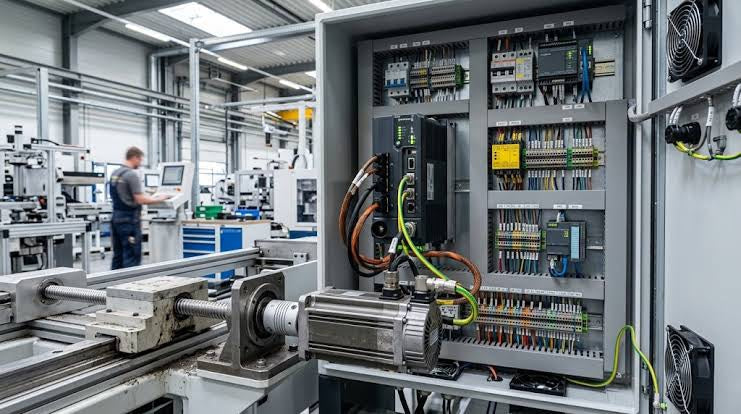
Modern industrial automation heavily relies on Programmable Logic Controllers (PLCs) to drive factory floor efficiency. Over my 15 years as an industrial automation expert working with DCS, TSI, and control systems, I have seen PLCs evolve into the central nervous system of modern manufacturing. Selecting the right controller requires a deep understanding of PLC types based on physical size, hardware architecture, and power supply configurations.
Comprehensive Guide to PLC Types in Modern Industrial Automation
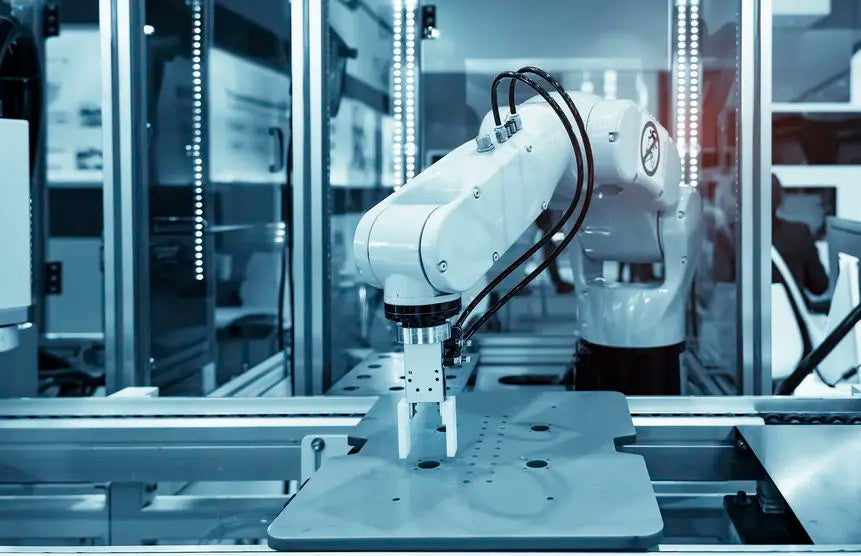
Modern industrial automation relies on programmable logic controllers to govern critical factory operations. System integrators classify PLCs based on scale, hardware architecture, and power supply design. Understanding these core categories enables automation engineers to select the right control system architecture. Consequently, proper hardware selection optimizes performance while minimizing long-term operational costs.

Demystifying the DDE Protocol in Legacy Industrial Automation Systems
Modern control systems rely heavily on seamless interprocess communication to exchange operational data between software programs. Microsoft first introduced the Dynamic Data Exchange (DDE) protocol in 1987 to enable real-time data sharing. In factory automation, DDE served as an early bridge between control software and Windows desktop applications. Therefore, understanding DDE mechanics provides crucial insights into how legacy industrial networks established software-level connectivity.